
Nuits-Saint-Georges
"I asked a vigneron what made his climat different from the one two hundred metres up the slope. He looked at me like I'd asked what made his children different."
The town that gives the Côte de Nuits its name, where I learned that ordering wine by village here is basically ordering it by hillside, and got mildly scolded for saying so at the wrong table.
Nuits-Saint-Georges sits almost exactly halfway down the Côte de Nuits, the northern half of Burgundy’s Côte d’Or, and it’s the town that lent its name to the whole appellation string running from Gevrey-Chambertin down to Corgoloin. I’d driven the Route des Grands Crus a dozen times before I actually stopped in the town itself rather than just gawking at the vineyard signs from the car, and it was worth the correction. This isn’t a postcard village built for tourists; it’s a working wine town, a little gruff around the edges, with négociant houses and cellar doors tucked behind unglamorous facades that give away nothing about what’s ageing inside.
A town built entirely around a hillside
Everything in Nuits-Saint-Georges points uphill, toward the narrow band of limestone and marl slope where the grand cru and premier cru climats sit — Les Saint-Georges, Les Vaucrains, Les Cailles, each one a specific few hectares with its own microclimate and, apparently, its own devoted following. I made the mistake early on of asking a vigneron in a tasting room what actually distinguished his wine from a neighbouring climat’s, assuming there’d be a tidy technical answer about soil depth or drainage. He gave me a long look, the kind that says the question answers itself if you just taste, and poured me both side by side. He was right. They were unmistakably different, and I still couldn’t fully explain why, which I’ve since decided is the correct Burgundian relationship to have with the place.
Mustard, market day, and the smell of a wine town
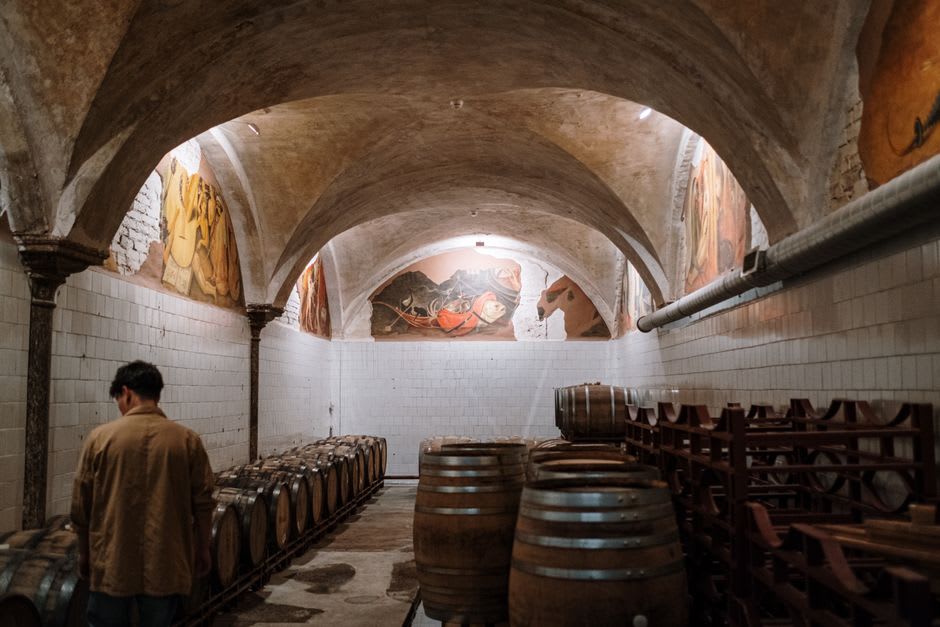
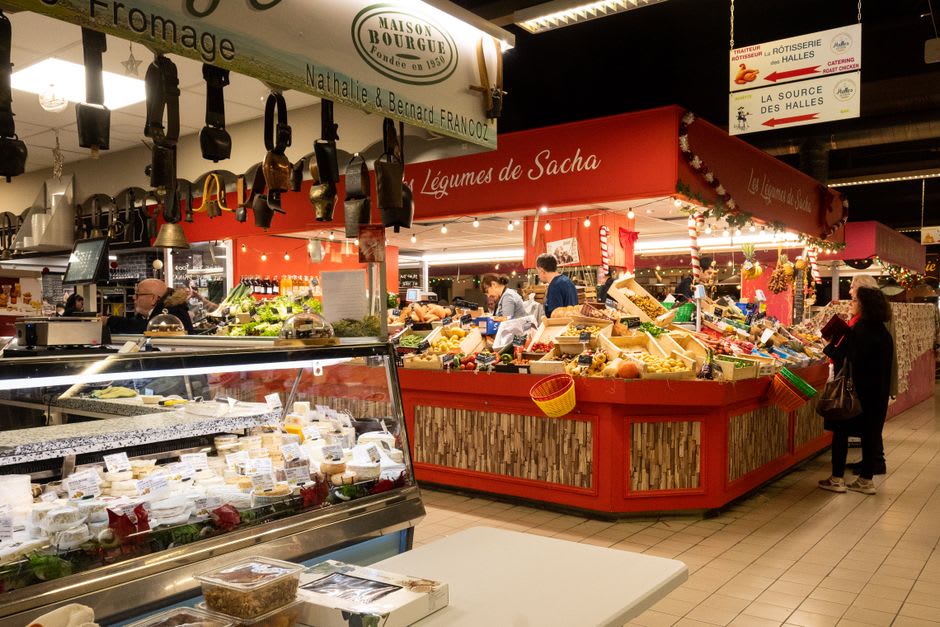
Nuits-Saint-Georges also makes its own cassis and, less famously outside the region, a sharp local mustard, and on Friday market mornings the square in front of the church fills with producers selling both alongside cheese, charcuterie, and whatever’s in season. Lia and I bought a jar of the cassis on a whim one October, thinking it’d be a syrup for cocktails, and ended up using it on everything from yoghurt to duck for the rest of the week. Walking the back streets afterward, past cellar doors left ajar to let the barrels breathe, the whole town smells faintly of fermenting must from September through November — not unpleasant, just a reminder that wine here isn’t a backdrop, it’s the actual economy of the place, running under your feet in kilometres of tunnelled cellars.
When to go: September and early October, during the harvest, is when the town feels most alive and the smell of fermentation fills the streets, though cellars get booked out and you’ll want to reserve tastings ahead. Late spring is quieter and greener on the slopes if you’d rather have the vignerons to yourself.
Keep exploring
More of Burgundy