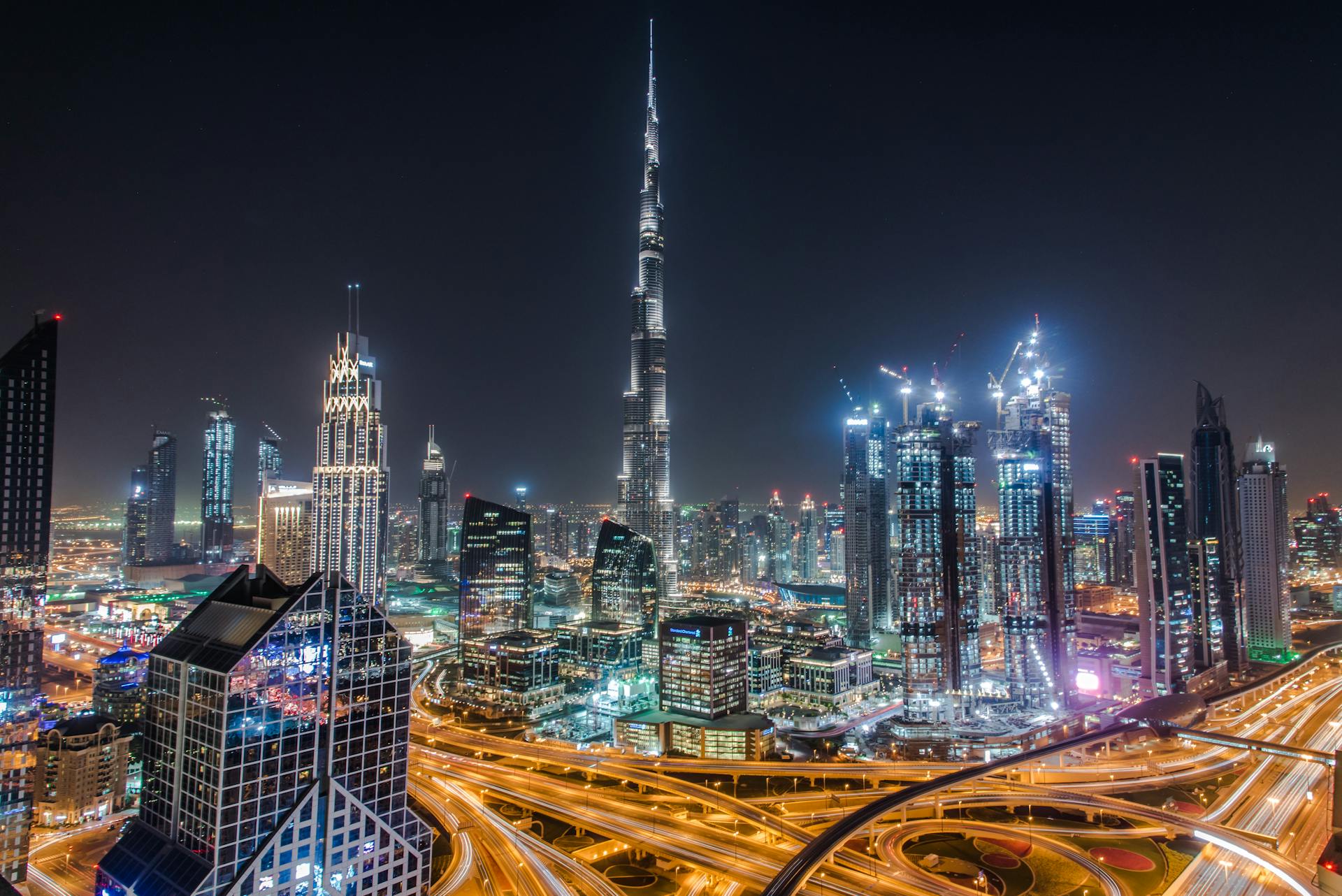
Middle East
Saudi Arabia
"The country that surprised me more than any other in the last decade."
Saudi Arabia was, until very recently, one of the most closed countries on the planet for leisure travelers. Tourist visas became available only in 2019, and the infrastructure is still catching up to the ambition. This is precisely what makes it compelling right now. There is a window — maybe five years, maybe ten — where you can visit a country of extraordinary historical and geographical depth before the tour buses and resort chains smooth out the rough edges. That window is open.
AlUla is the headline, and it deserves it. Hegra — Saudi’s first UNESCO World Heritage Site — is a Nabataean city contemporaneous with Petra, its tombs carved into sandstone monoliths with a precision that the desert has preserved almost perfectly. But AlUla is more than Hegra. The surrounding landscape is a gallery of eroded rock formations, ancient inscriptions, and oasis settlements that span thousands of years of habitation. It is one of the most visually staggering places on the Arabian Peninsula, and for now, you might have it nearly to yourself.
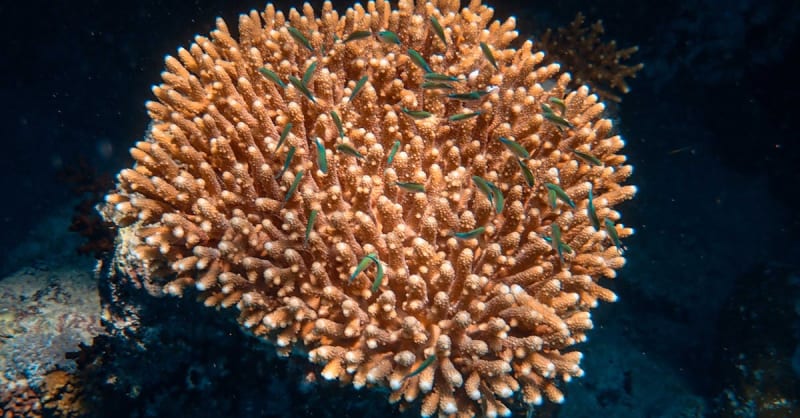
Jeddah’s historic Al-Balad district is a different kind of revelation — coral-stone merchant houses with mashrabiya screens, narrow lanes that functioned as a trading hub for pilgrims and merchants for centuries. The Red Sea coast south of the city holds coral reefs that rival anything in Egypt, largely undived. And the Asir mountains in the southwest, green and terraced and cool, shatter every assumption about what Saudi landscape looks like.
When to go: October to March. The interior and coastal regions are brutally hot from May to September. Winter in AlUla and Riyadh is genuinely pleasant — cool nights, warm days, clear desert skies.
What most guides get wrong: There are barely any guides yet, which is part of the appeal and part of the challenge. Independent travel is possible but requires patience — road infrastructure is excellent, but tourist signage and English-language information outside major cities remains sparse. Go now, while the country is still figuring out how to present itself. The authenticity of that moment will not last.
Explore
Places in Saudi Arabia
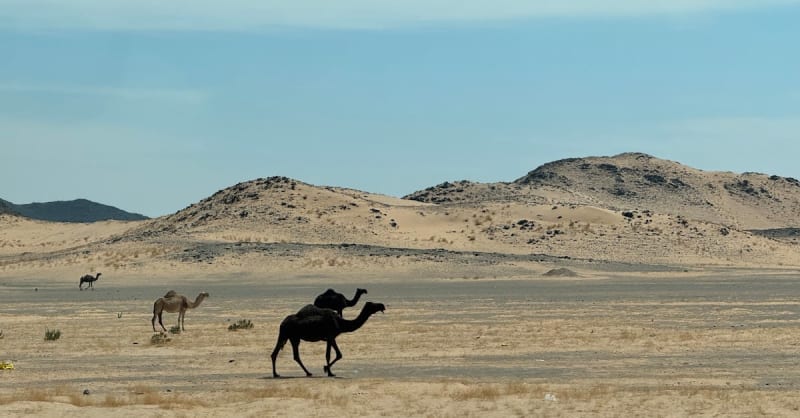
Abha
A highland city in the Asir Mountains where cool mist, juniper forests, and vibrant Asiri architecture offer a Saudi Arabia few visitors expect.

Al Balad
Jeddah's UNESCO-listed historic heart, a labyrinth of centuries-old coral-stone tower houses with ornate wooden balconies and merchant heritage.
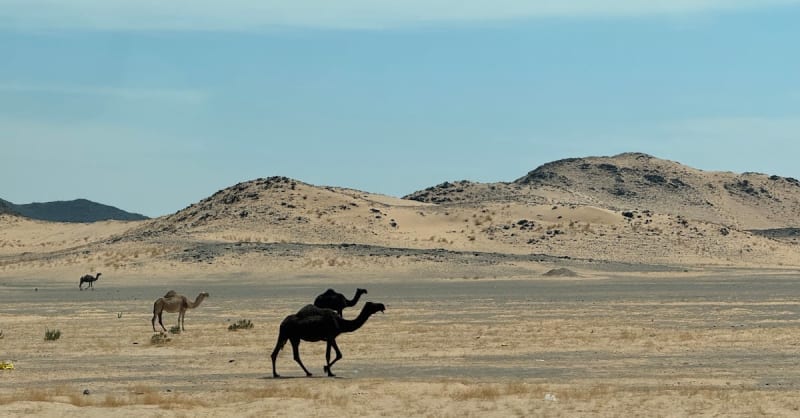
AlUla
An ancient oasis valley of dramatic sandstone formations and Nabataean tombs, Saudi Arabia's answer to Petra and its most ambitious tourism project.
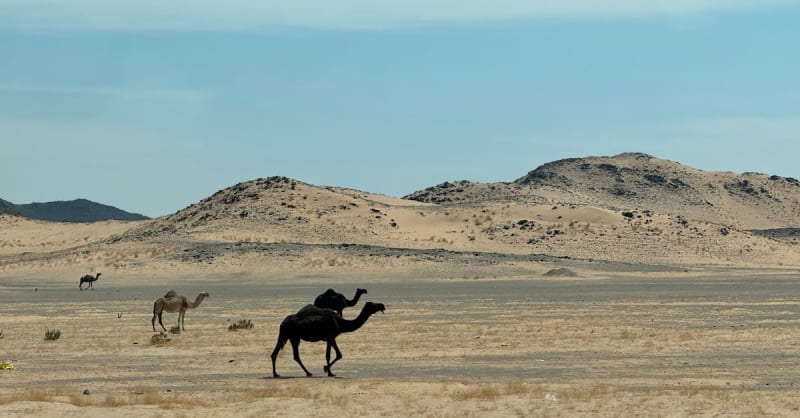
Diriyah
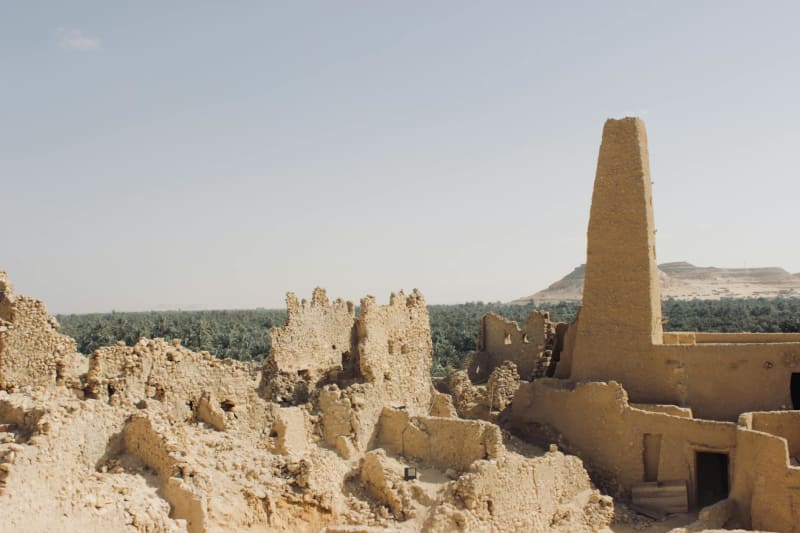
The birthplace of the Saudi state and a UNESCO World Heritage Site, where mud-brick palaces are being restored into the kingdom's premier cultural district.

Edge of the World
A dramatic escarpment northwest of Riyadh where ancient seabed cliffs drop away to reveal an endless desert plain stretching to the horizon.
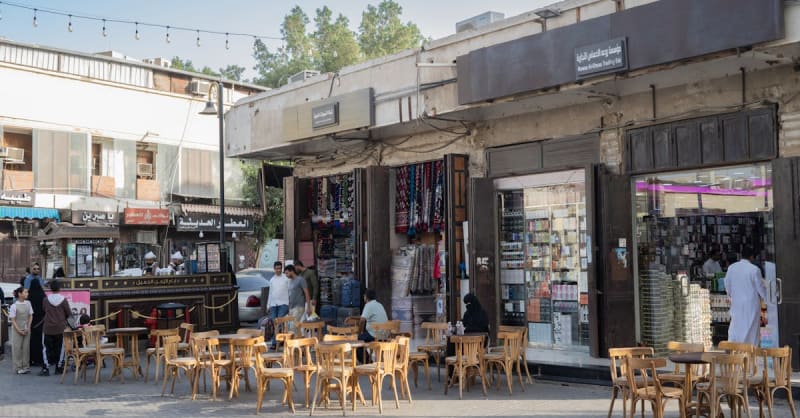
Jeddah
Saudi Arabia's cosmopolitan Red Sea port, where centuries-old coral-stone merchants' houses stand in the shadow of modern ambition.
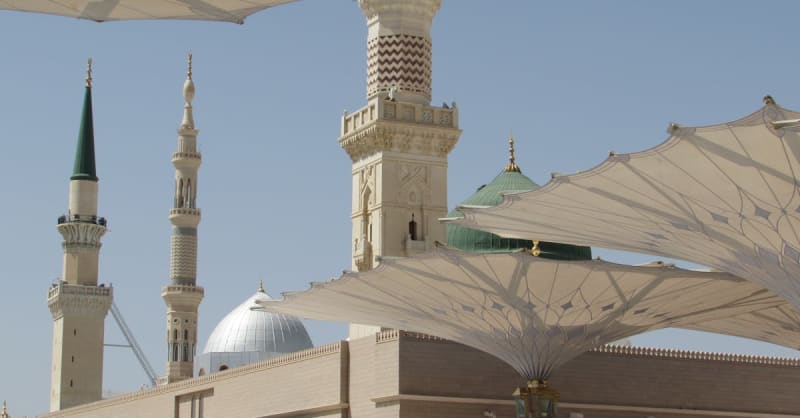
Mada'in Saleh
Saudi Arabia's first UNESCO World Heritage Site, a Nabataean necropolis of over 100 monumental rock-cut tombs in the AlUla valley.
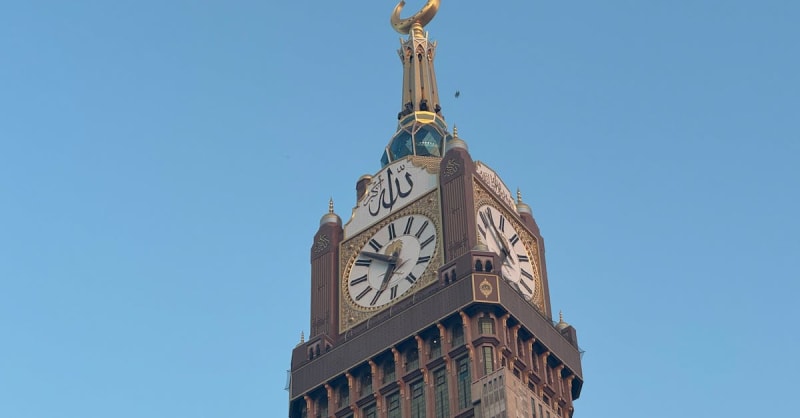
NEOM
Saudi Arabia's futuristic mega-project region in the northwest, where pristine Red Sea coastline and dramatic canyons await the kingdom's boldest vision.
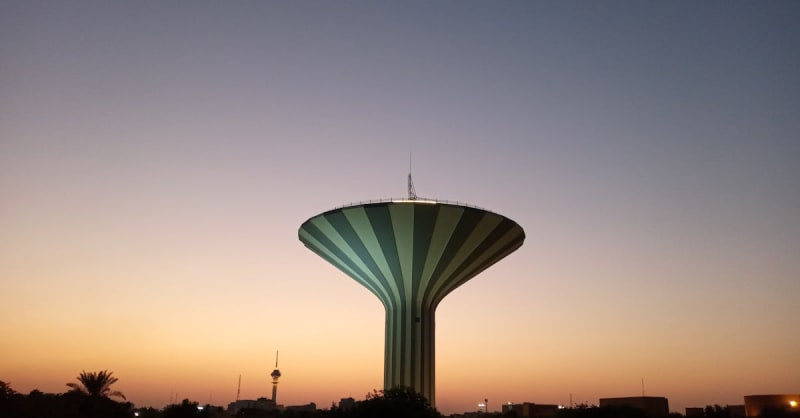
Riyadh
The Saudi capital, a vast desert metropolis where futuristic architecture and ancient Najdi traditions coexist in the heart of the Arabian Peninsula.
Tabuk
A northwestern gateway city surrounded by red desert canyons, ancient ruins, and landscapes that conjure Lawrence of Arabia at every turn.

The Edge of the World
A sheer cliff face dropping into an ancient seabed, offering one of the most dramatic viewpoints on the Arabian Peninsula.
Free download
Get the Saudi Arabia Guide
A curated PDF itinerary with honest picks, real restaurants, and the details that matter — the kind you'd actually print and bring.
Download the guide