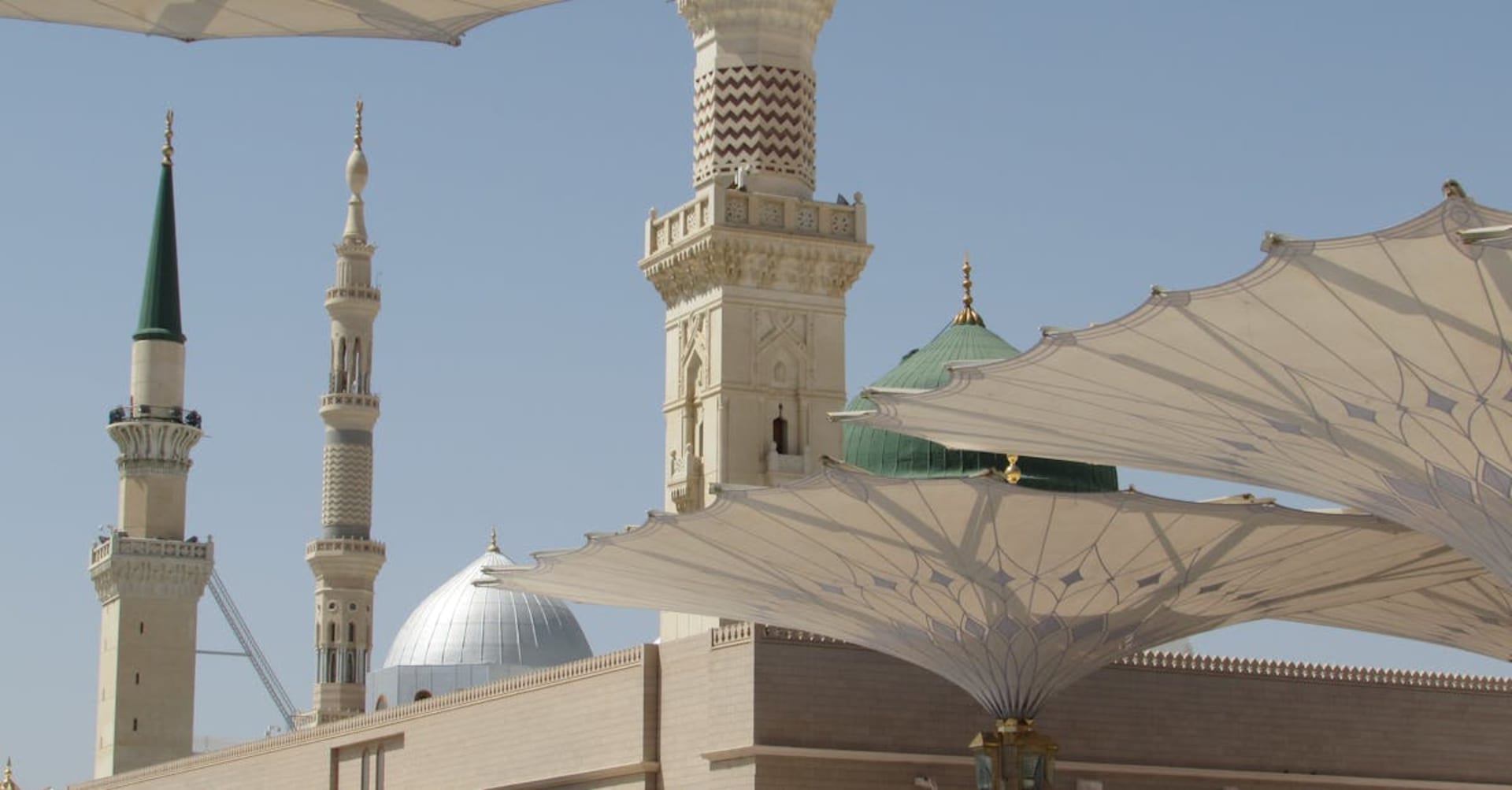
Mada’in Saleh — ancient Hegra — is the site that convinced me Saudi Arabia belongs on any serious traveler’s list. This is the Nabataean civilization’s second city, a necropolis spread across a desert landscape of sandstone outcrops southeast of AlUla, and it shares DNA with Petra in Jordan — the same carved facades, the same blend of Hellenistic and Arabian design, the same audacious ambition to carve eternity into living rock. But where Petra receives a million visitors a year and has been loved nearly to death, Hegra sits in the desert in near-complete solitude.
The Qasr al-Farid is the icon — a single monumental tomb carved from an isolated rock pinnacle, standing alone in the desert like a monument to ambition itself. Its facade is unfinished, the chisel marks still visible on the lower courses as if the sculptors stepped away for lunch two thousand years ago and never returned. The incompleteness is what makes it extraordinary. You can see the process frozen in stone — the carvers worked from top to bottom, the upper facade complete with its Nabataean decorative elements, the lower half still rough, still waiting for hands that will never come. It is the most eloquent unfinished sentence in the history of architecture.
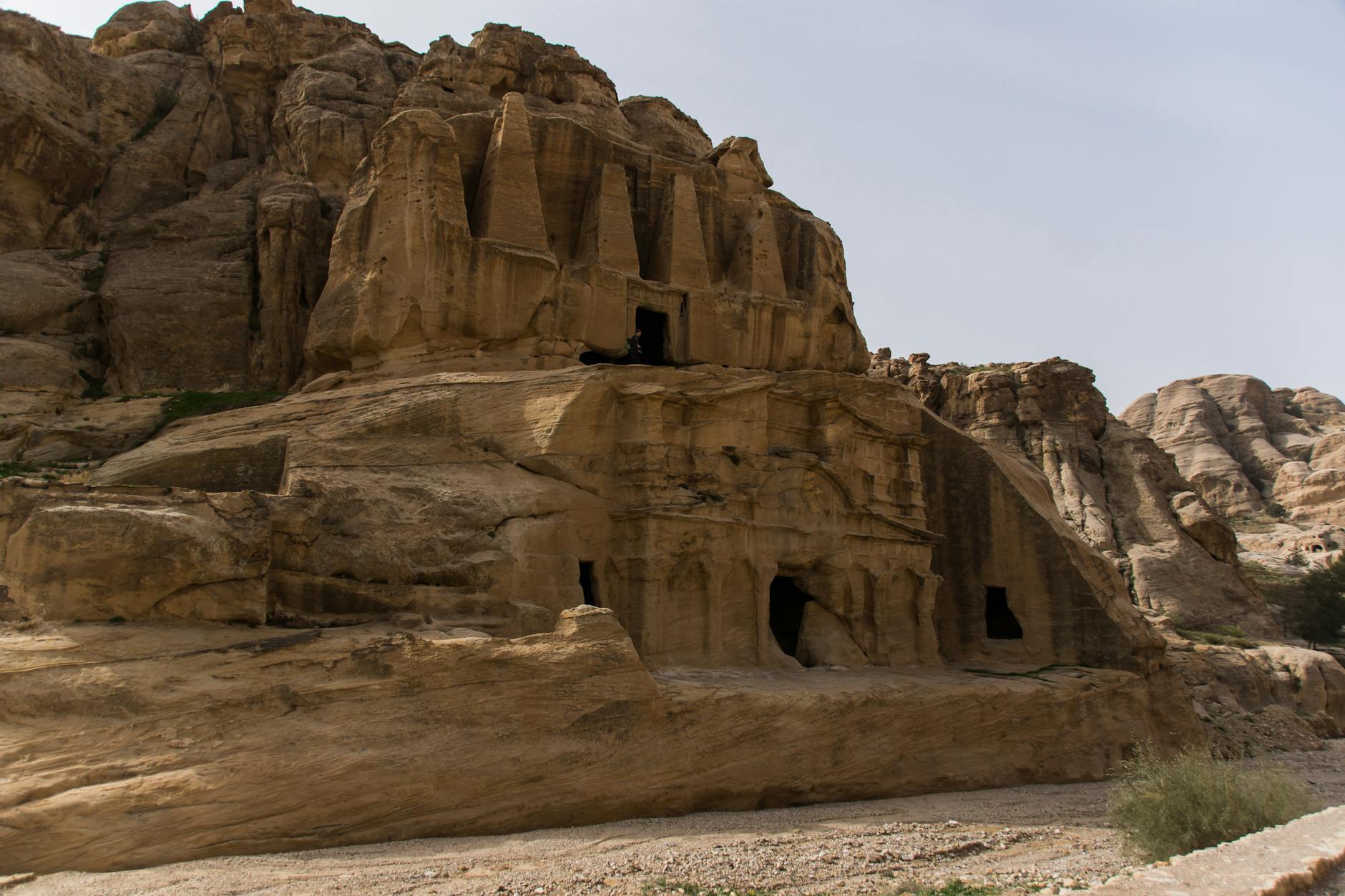
The site contains 111 monumental tombs dating from the first century BC to the first century AD, their facades ranging from simple recessed panels to elaborate multi-story compositions adorned with eagles, sphinxes, Medusa heads, and Nabataean inscriptions that name the tomb’s commissioner, the craftsman, and sometimes the curse reserved for anyone who dares to reuse the burial chamber. These inscriptions are remarkably readable — the Nabataean script flowing across the sandstone in clean lines that two millennia of wind have not erased.
The Diwan — a carved ceremonial hall cut into the rock at the entrance to the Jabal Ithlib precinct — reveals a society that was as sophisticated in its ritual life as in its architecture. The hall is carved with benches along three walls, and the religious precinct behind it contains niches, water channels, and carved betyl stones that indicate a complex spiritual practice. Walking through Jabal Ithlib, you pass through a narrow canyon — a siq, like Petra’s — and emerge into an open space surrounded by carved rock faces, and the silence is complete.
Unlike Petra, which has been a major tourist destination for decades, Hegra is still adjusting to visitors. The infrastructure is improving — guided tours depart from a visitor center — but the experience remains intimate. I visited at sunrise, when the sandstone glows warmest and the tomb facades catch the first light, and for thirty minutes I was the only person in the entire necropolis. That kind of solitude at a UNESCO site will not last forever.
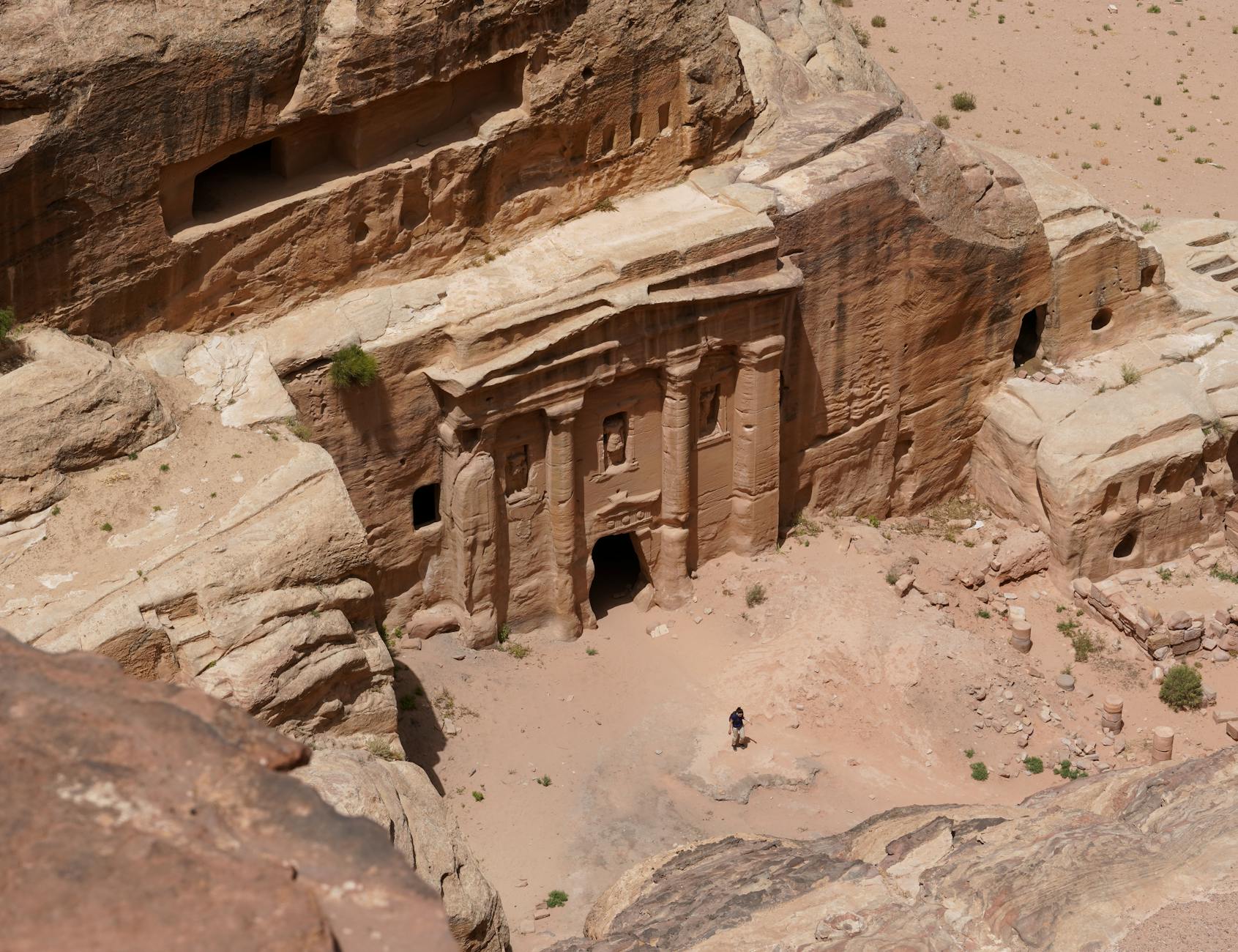
When to go: October to March for comfortable desert temperatures. Visit at sunrise or sunset when the sandstone glows warmest. The midday light flattens the carvings and washes out the colours.