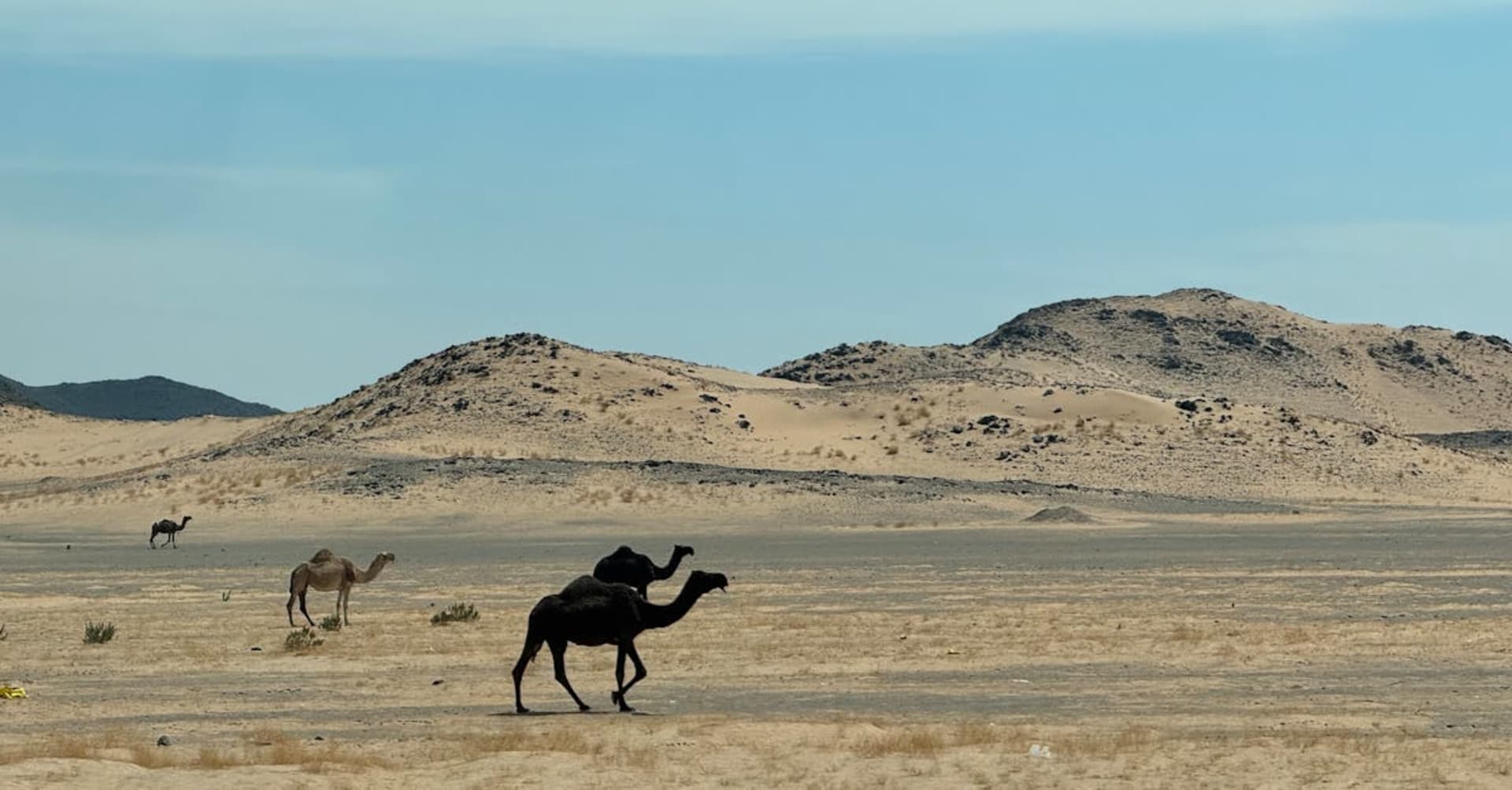
Diriyah is where modern Saudi Arabia was born, and visiting it now is like watching a country decide in real time how to present its origin story. The At-Turaif district, perched on a bluff above Wadi Hanifah on the northwestern edge of Riyadh, was the seat of the first Saudi state in the eighteenth century — a mud-brick capital of palaces, mosques, and fortifications that housed the Al Saud family and the religious reformer Muhammad ibn Abd al-Wahhab, whose alliance with the Saudi rulers created the political-theological framework that still shapes the kingdom today.
The architecture is distinctive Najdi style — geometric patterns and triangular crenellations topping mud-brick walls that glow warm ochre in the afternoon light. UNESCO inscribed At-Turaif as a World Heritage Site, and the restoration underway is one of the most ambitious heritage projects in the Middle East. Walking through the reconstructed courtyards and narrow passages, I kept thinking about how different this founding narrative is from the ones I grew up with in France. No Bastille, no barricades. A fortress in the desert, a pact between a family and a preacher, and a kingdom that grew from this bluff to encompass most of the Arabian Peninsula.
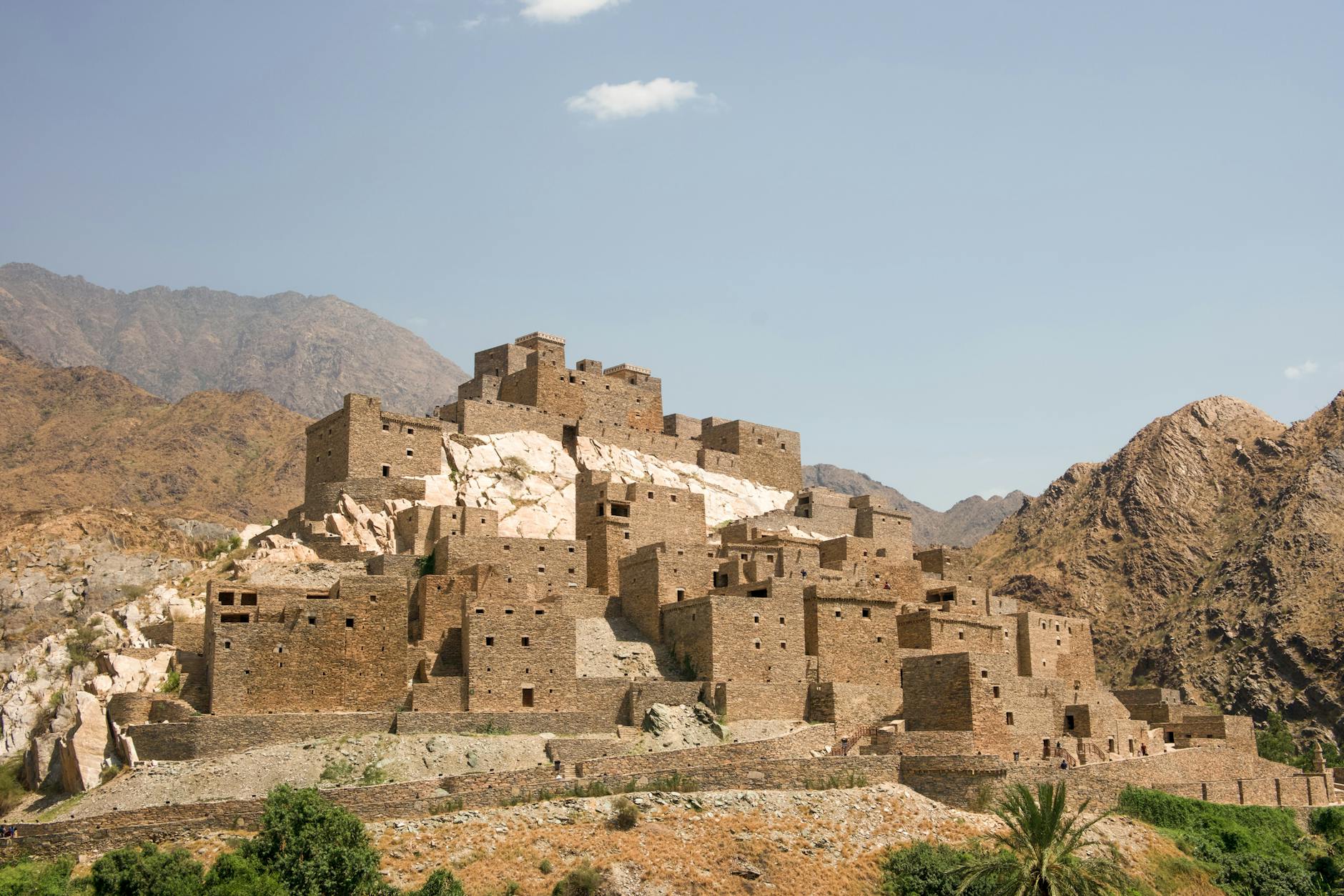
The Bujairi Terrace has already opened across the wadi from At-Turaif, and it is genuinely impressive — a collection of restaurants, cafes, and cultural spaces built in a style that echoes the heritage district while adding the creature comforts that make lingering pleasant. The terrace overlooks At-Turaif across the valley, and in the evening, when the heritage buildings are illuminated and the air has cooled, the view is one of the most beautiful in Riyadh. I had dinner there — Saudi coffee, dates, grilled lamb — and watched the light change on the mud walls across the wadi, and it struck me that this is what successful heritage tourism looks like: the past made accessible without being trivialized.
The full vision for Diriyah includes museums, galleries, hotels, boutiques, and performance spaces that aim to make it the cultural heart of the kingdom. Whether this vision materializes as planned remains to be seen — Saudi mega-projects have a habit of being announced at a scale that makes delivery uncertain — but the infrastructure already in place is substantial.
Wadi Hanifah below has been transformed from a neglected drainage channel into a green linear park that stretches through Riyadh, with walking paths, restored ecosystems, and picnic areas that show what urban renewal can achieve in a desert city. The contrast between the dry plateau above and the green wadi below captures something essential about Saudi Arabia: a country that has always known how to find life in arid places.
When to go: November to February for cool evenings perfect for exploring the outdoor terraces and heritage district. Major events and festivals are concentrated in winter months. Avoid summer — the mud-brick walls radiate stored heat until well past sunset.