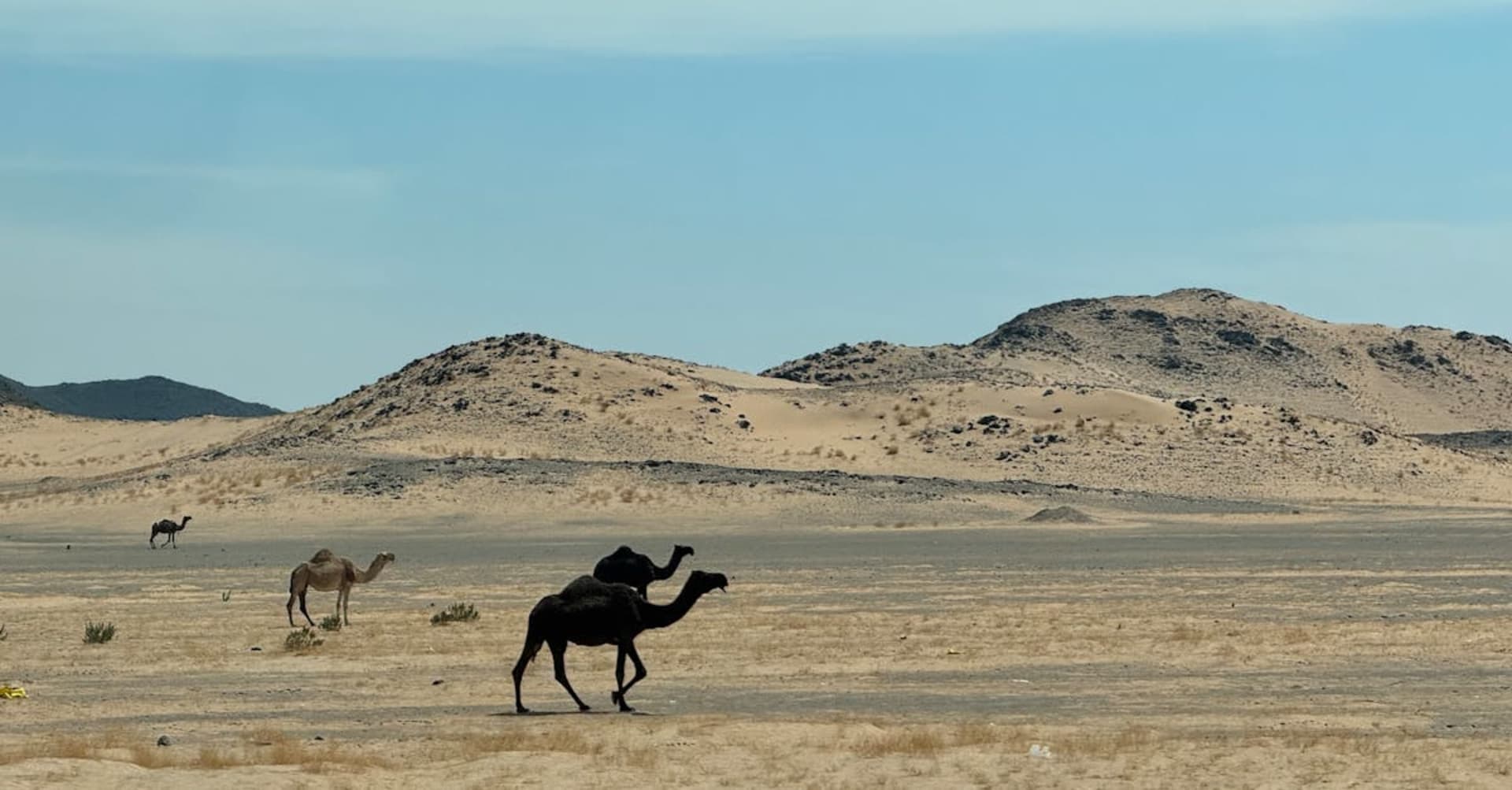
Abha is the Saudi Arabia that no one imagines. Perched at 2,270 meters in the Asir Mountains, the city is cool, green, and often wrapped in cloud — a climate that belongs more to the East African highlands than to the Arabian Peninsula. I arrived from Riyadh, where the heat had been relentless and the landscape monochrome, and stepped out of the car into mist and the smell of juniper. It felt like a trick. It felt like someone had transplanted a piece of the Atlas Mountains into the wrong country and forgotten to tell anyone.
The traditional Asiri architecture is the visual revelation that justifies the detour. Stone houses painted in bold geometric patterns of blue, red, yellow, and white — each village a gallery of folk art applied directly to the walls, the designs traditionally the work of women who used their homes as canvases. The patterns are not decorative in the way a European might understand decoration. They are statements — of identity, of prosperity, of the aesthetic confidence of a culture that has been making these mountains its home for centuries while the rest of the world assumed Saudi Arabia was nothing but desert and oil.
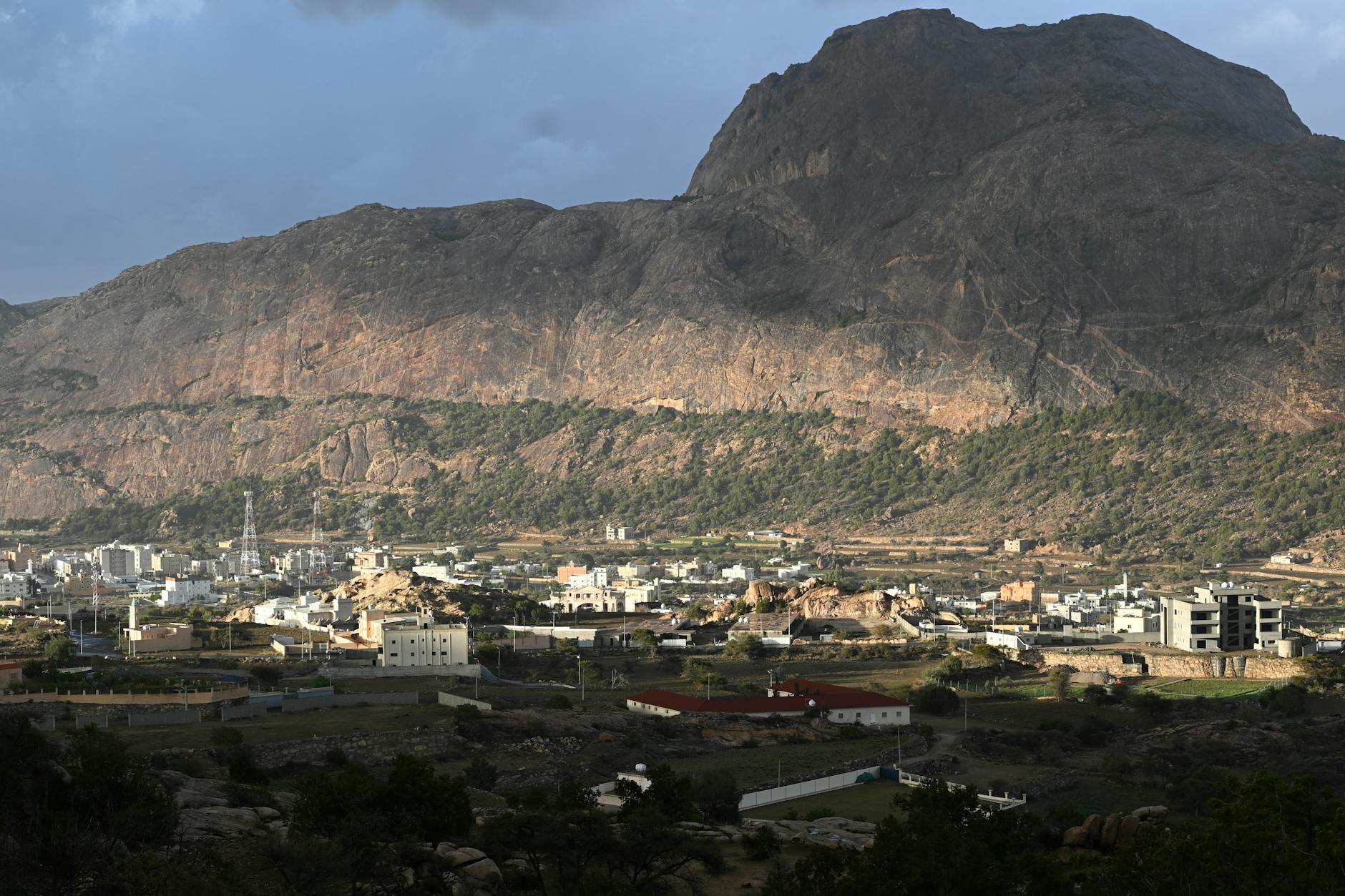
The Asir National Park surrounding the city is forested with juniper and wild olive, its ridges offering views that drop 2,000 meters to the Red Sea coastal plain below. The Sarawat escarpment is one of the most dramatic elevation changes on earth — you stand at the edge and the land simply falls away, the air below warm and hazy while you shiver in the mountain breeze. Habala, a cliffside village accessible by cable car, clings to the escarpment face in what appears to be a deliberate act of defiance against gravity. The village was home to a community that lived in near-total isolation until the mid-twentieth century, and reaching it by cable car — swinging out over the abyss — is the kind of experience that recalibrates your understanding of what constitutes a reasonable place to build a house.
Rijal Almaa, about forty-five minutes from Abha, is among the most photogenic sites in the kingdom. A heritage village of multi-story stone towers decorated in quartz and painted shutters, it has been restored with care and now houses a small museum. The towers rise from the valley floor like a medieval Manhattan in miniature, and the afternoon light catches the quartz in the stonework and makes the walls shimmer. I spent two hours there and took more photographs than I had taken in the previous week.
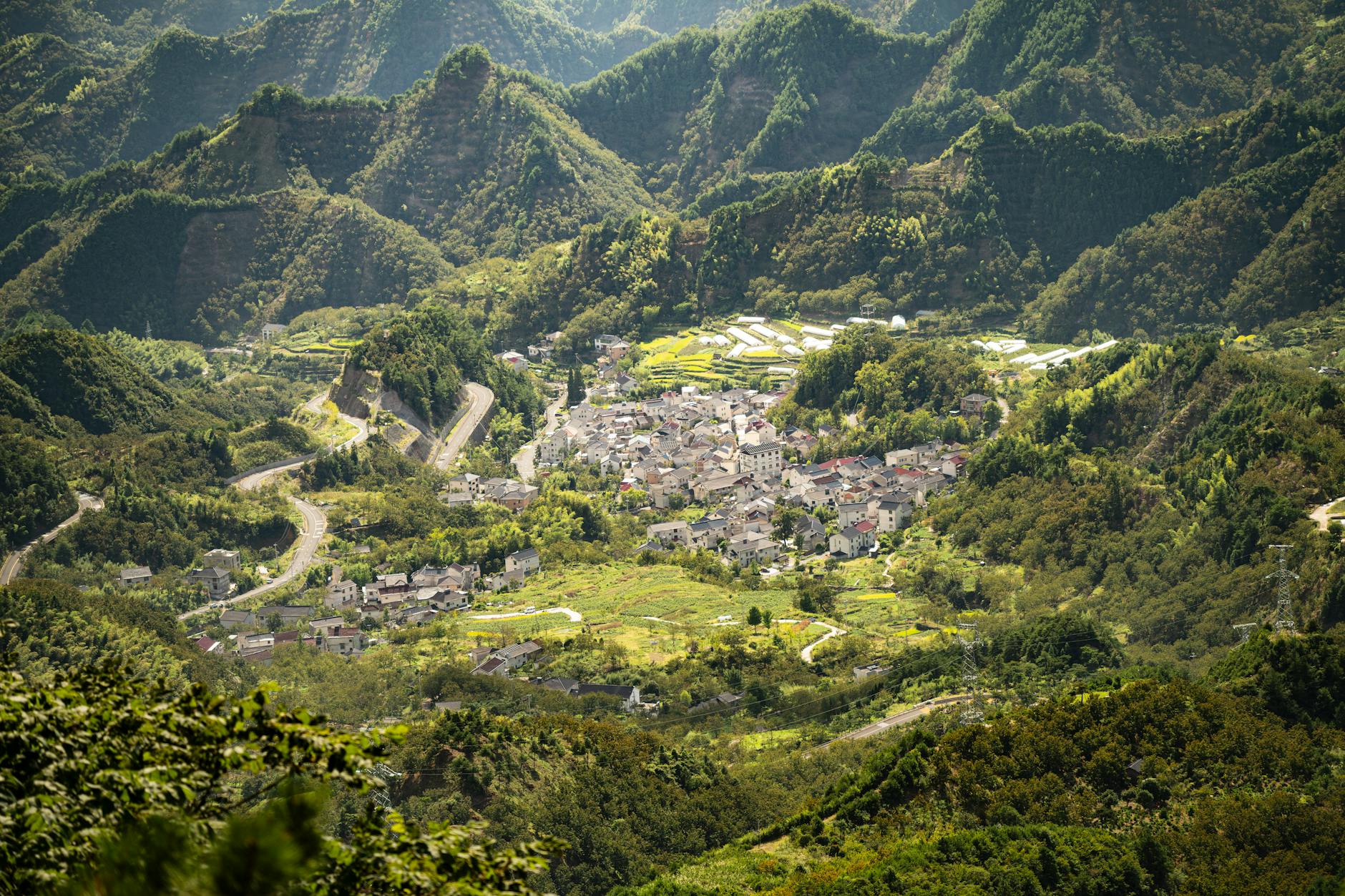
The food in the Asir region is distinct from the rest of the kingdom — aseeda (a wheat porridge served with honey and ghee), grilled meats seasoned with local herbs, and honey from the mountain beekeepers, which is darker and more complex than any honey I have tasted elsewhere. The baboons are a bonus — troops of hamadryas baboons wander the mountain roads with the confidence of locals who know they were here first.
When to go: Year-round — Abha’s altitude keeps temperatures mild even in summer. March to May and September to November for clearest views. Monsoon-like mist is common June to August, which has its own atmospheric charm.