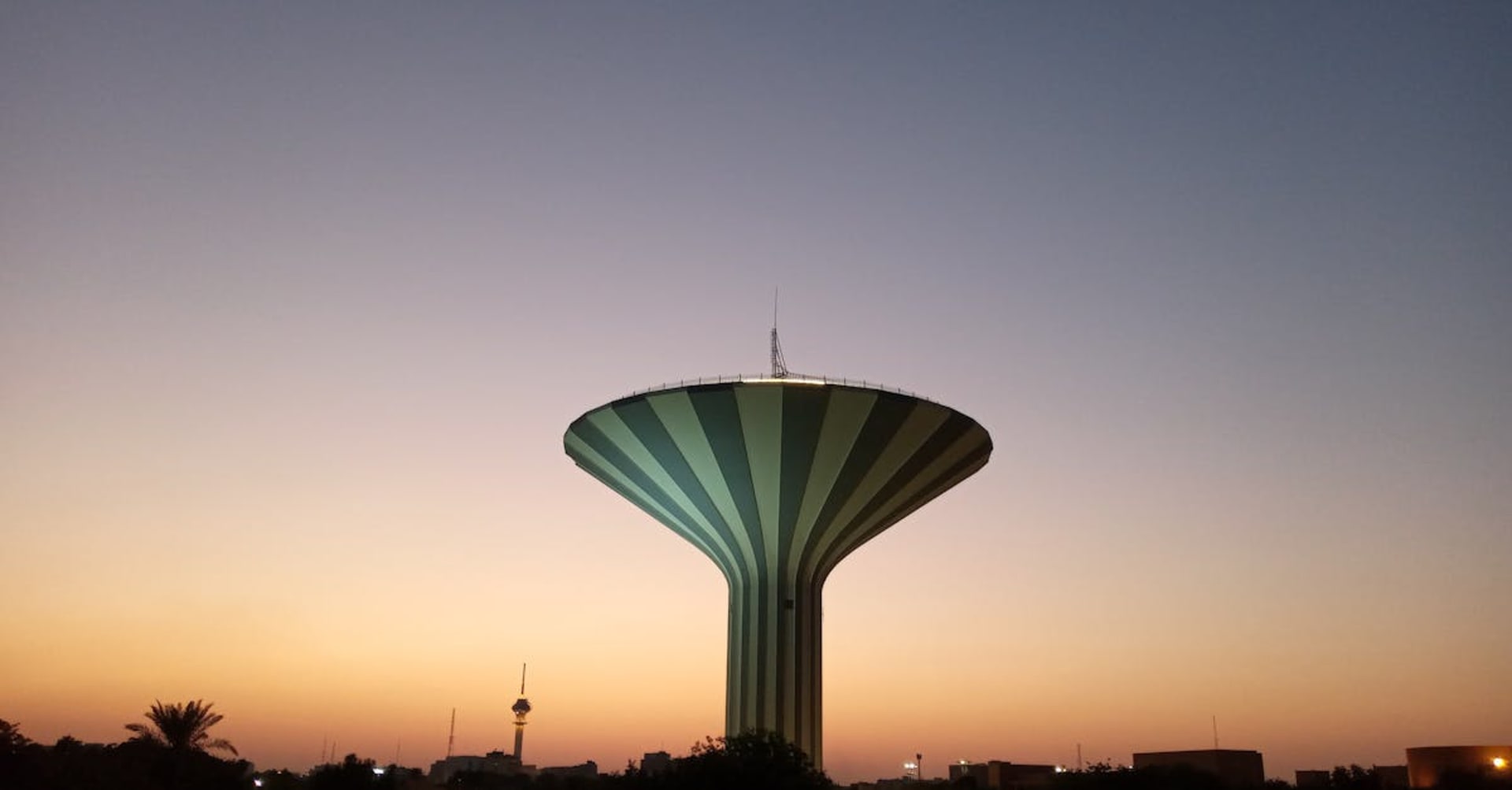
Riyadh is not a city that seduces on first contact. It sprawls. It is hot. It was built for cars, not for walking, and its grid of highways and shopping malls can feel, at first, like the least interesting version of modernity. But Riyadh rewards patience, and the traveler who stays long enough to get beneath the surface discovers a city in the middle of a transformation so rapid and so total that visiting now feels like witnessing a before-and-after photograph being taken in real time.
The Kingdom Centre tower dominates the skyline — its distinctive opening at the top, bridged by a sky walkway, has become the city’s symbol. From the observation deck, the scale of Riyadh reveals itself: a city that barely existed seventy years ago now stretches to every horizon, its towers glinting in the desert sun, its ambition visible in every crane and construction fence. The National Museum in the King Abdulaziz Historical Center is world-class and essential — its galleries trace the Arabian Peninsula from geological formation through the pre-Islamic civilizations of Dilmun, Mada’in Saleh, and the incense trade, through the advent of Islam and the establishment of the Saudi state. It is the best single introduction to the country, and I spent an entire morning there without seeing everything.
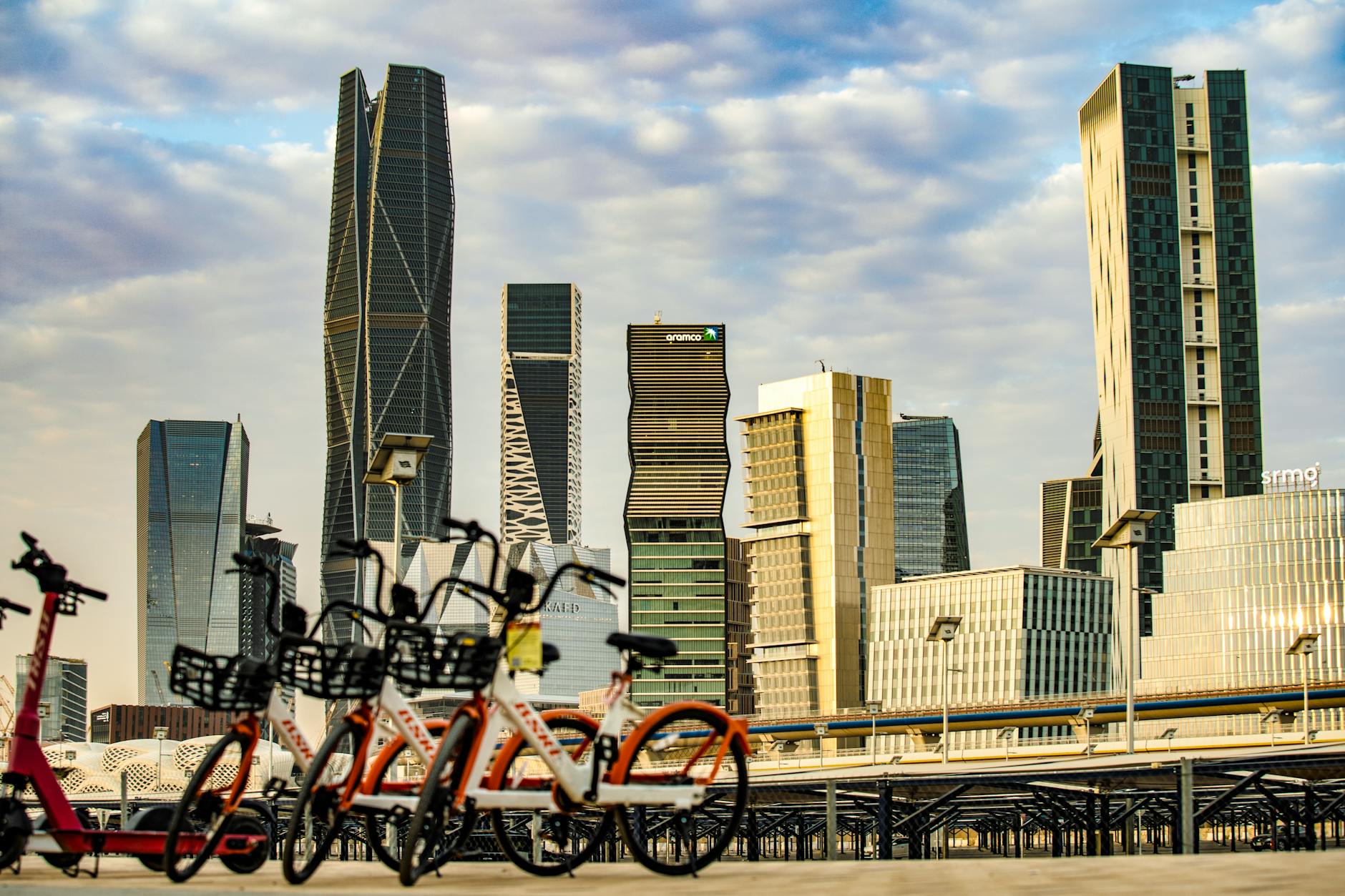
The Masmak Fortress is where modern Saudi Arabia effectively began. This mud-brick citadel in the old city center is where the young Abdulaziz Ibn Saud launched his audacious 1902 raid to recapture Riyadh from the Rashidi dynasty — a moment that set in motion the unification of the kingdom. The fortress is modest, almost domestic in scale, and the contrast between its mud walls and the glass towers surrounding it captures something essential about Riyadh: a city that is simultaneously ancient and brand new, confident about its future and careful about its past.
The new Riyadh is emerging at a pace that would be dizzying anywhere and is particularly startling here. Boulevard Riyadh City is an entertainment district with concerts, restaurants, and events that would have been unthinkable a decade ago. The government’s push to attract international artists and performers has transformed the city’s nightlife — or rather, created one where none previously existed. For a French traveler accustomed to cities where culture has been accumulating for centuries, watching a city decide to have a cultural scene and then build one from scratch is both fascinating and slightly unsettling.
The best day trips from Riyadh are essential. Diriyah, the birthplace of the Saudi state, sits on the city’s edge. And the Edge of the World — the Tuwaiq Escarpment — is an hour’s drive into the desert, a cliff face dropping hundreds of meters to a plain that stretches to the horizon without a single feature to interrupt it. I sat on the edge with my legs dangling and thought about the fact that this seabed was once an ocean floor, and that the fossils in the limestone beneath me are older than any human civilization. Riyadh, with all its velocity and ambition, suddenly felt very small. That is what the desert does.
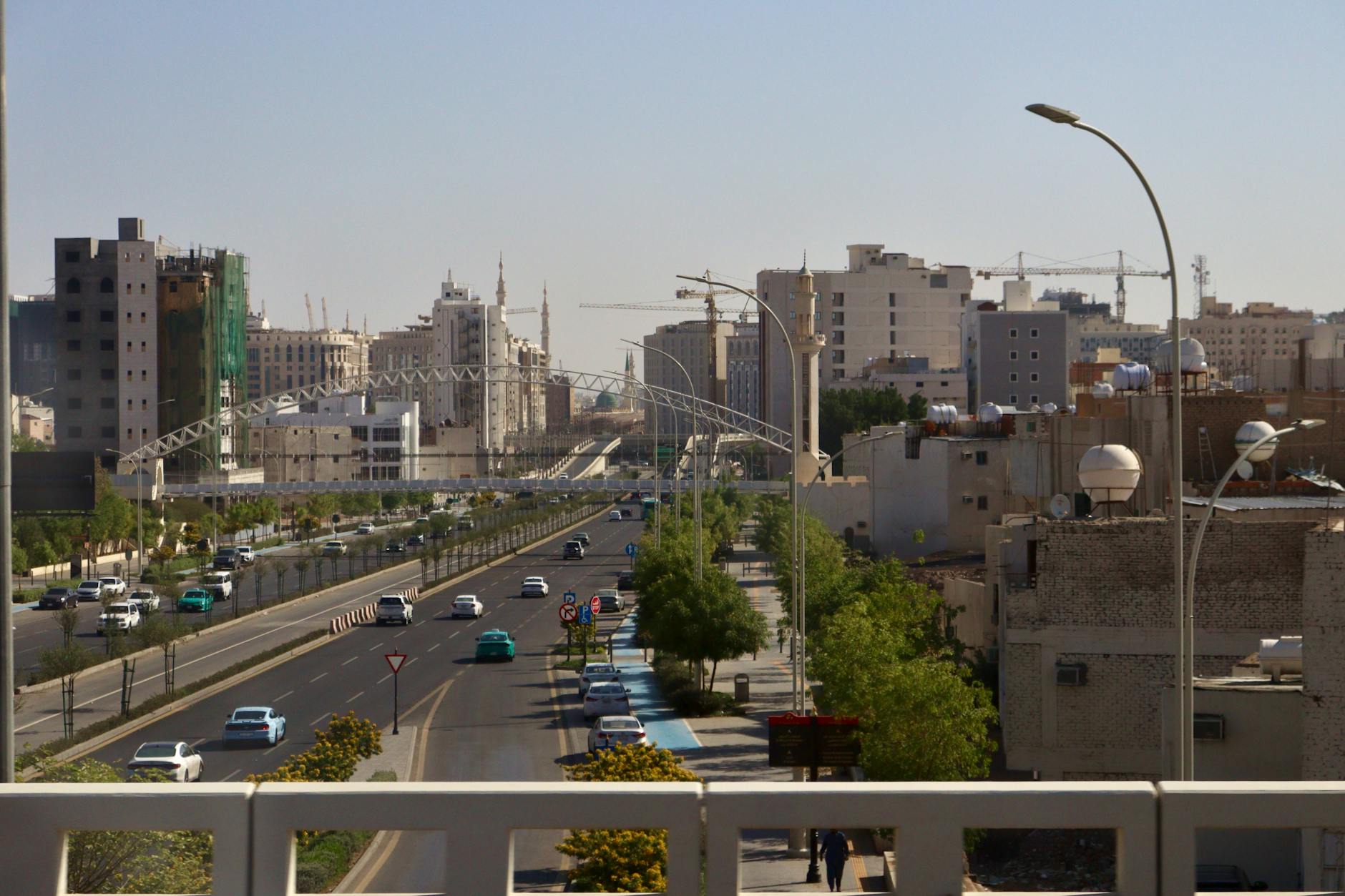
When to go: November to February for mild days and cool evenings. Summer temperatures routinely exceed 45 degrees Celsius — the city essentially moves indoors from June to September.