Pinos
"Founded 1563, mostly unchanged since 1763 — Pinos does not rush, and after five minutes there neither do you."
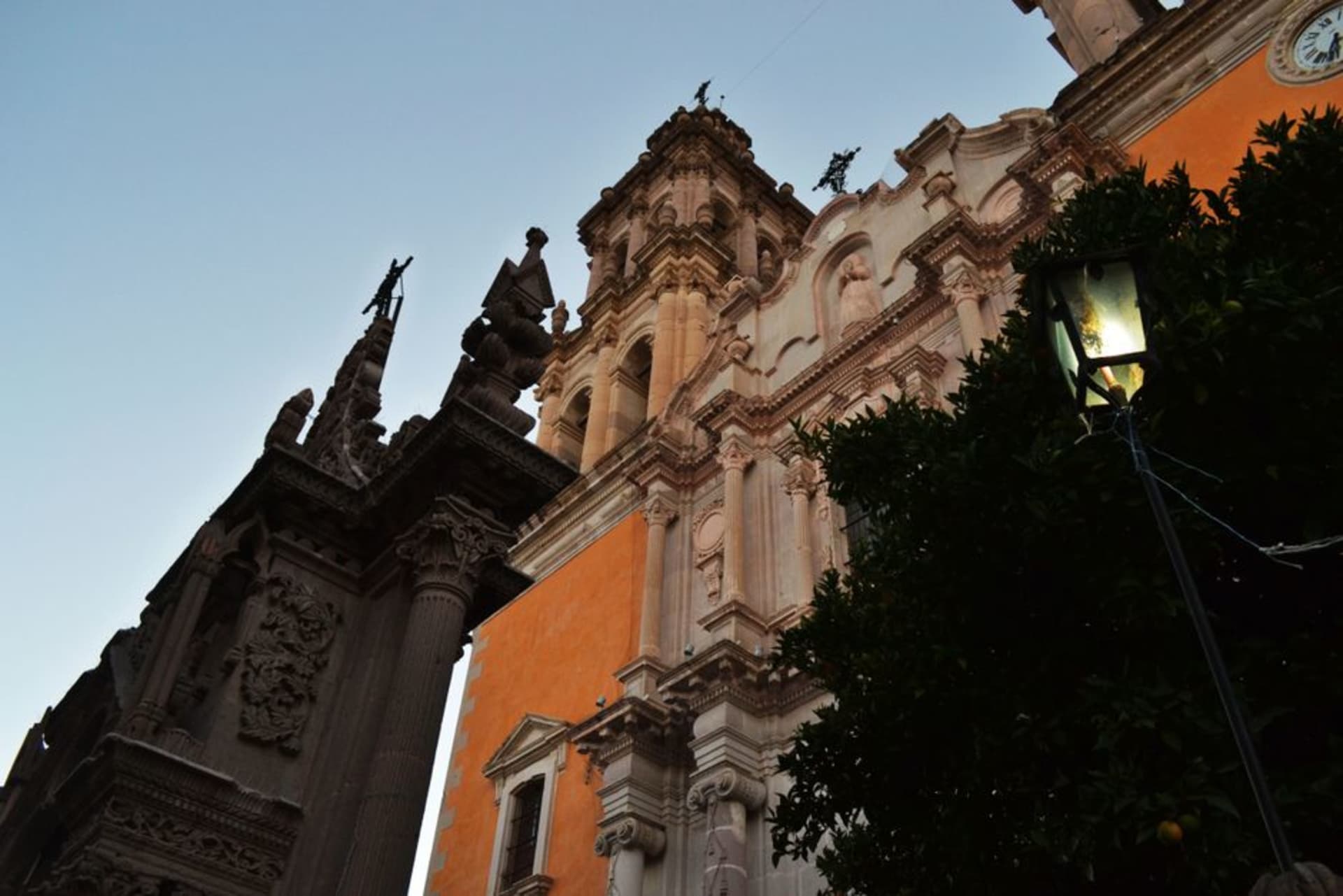
Founded in 1563 and barely changed since, Pinos is a high-altitude colonial town in Zacatecas where silver-era mansions lean over cobblestone streets and every corner hides a ruined convent or a surprisingly good local museum. The late afternoon light does something particular to the stone here — it turns the whole centro amber, and you stop walking and just stand there.

I arrived in Pinos on a Tuesday in March, when the Zacatecan plateau was still cold enough in the mornings to need a jacket. The bus dropped me at a corner I couldn’t immediately identify on any map, and for a moment I stood there — coat on, bag at my feet — trying to orient myself. Then I looked up. A carved stone doorway framed a sky so deeply blue it looked painted. Across the street, a Dominican convent was slowly returning to the earth it had been raised from. I stopped trying to find the plaza and just walked toward what looked oldest.
A Town That Ran on Silver and Prayer
The mining wealth that built Pinos in the sixteenth and seventeenth centuries left visible receipts: church after church on streets too narrow for anything but foot traffic and the occasional truck that seems to appear from nowhere. The Parroquia de San Matías anchors the Plaza de Armas — a serious, thick-walled structure from the late colonial period that smells of old stone and beeswax when you step inside out of the afternoon sun. But what I kept returning to were the mansions behind their crumbling facade walls: iron-grilled windows, carved stone lintels, a coat of arms belonging to a family that has long since scattered. Nobody bothers to point these out to visitors because in Pinos they are simply the street. You walk past them the way you walk past a tree. The altitude — 2,480 meters above sea level — keeps everything slightly cooler than you expect for the latitude, and in the hour before sunset the entire centro turns the color of old bone and honey, the kind of light that photographers chase for years and occasionally find by accident.

The Museum That Kept Me an Extra Hour
I walked into the Museo Eulalio Gutiérrez on a quiet afternoon mostly because I was tired and it was close. Gutiérrez was a Constitutionalist-era president — not the most famous of that generation, which is perhaps why Pinos makes such a deliberate point of remembering him — and the museum occupies a handsome house on a side street off the main plaza. What I did not expect was how well curated it turned out to be. The timeline of the Revolution in Zacatecas is laid out with enough context to be legible to someone who did not grow up knowing these names. There are photographs from the period that are genuinely arresting — the kind that stop the idle museum-goer and make them stay longer than planned. I spent close to an hour. On my way out the attendant asked if I wanted to sign the guestbook. There were six signatures for the entire month of March. Pinos does not receive many visitors, and the museum does not seem especially troubled by this fact.

Eating Well and Knowing When to Leave
The mercado municipal, two blocks from the plaza, is the right place for lunch. I had a bowl of caldo de res that arrived in a clay pot too large for the table and stayed hot until I had finished every last spoonful. Tacos de asada appear at a few street stands around noon and disappear when the meat runs out, usually by two. For dinner, options narrow considerably; Pinos does not stay up late or feed many strangers. One evening I found a fondita on Calle Rayón that served enchiladas zacatecanas with a chipotle salsa I thought about for the rest of the week. One full day is the minimum; two is better. Stay a second night and you begin to understand the rhythm of this place in a way that cannot be absorbed in a single afternoon of walking around looking at things.

Getting There
Pinos sits roughly 100 kilometers southeast of Zacatecas city. From the Central Camionera in Zacatecas, there are direct buses that take about two hours on roads that improve and then abruptly do not. Look for Ómnibus de México or local operators — there is no ADO service. The drop-off point is near the plaza; there is no proper bus station.
Keep exploring
More of Zacatecas
Keep exploring
More from Zacatecas
 mexico
 Villa García
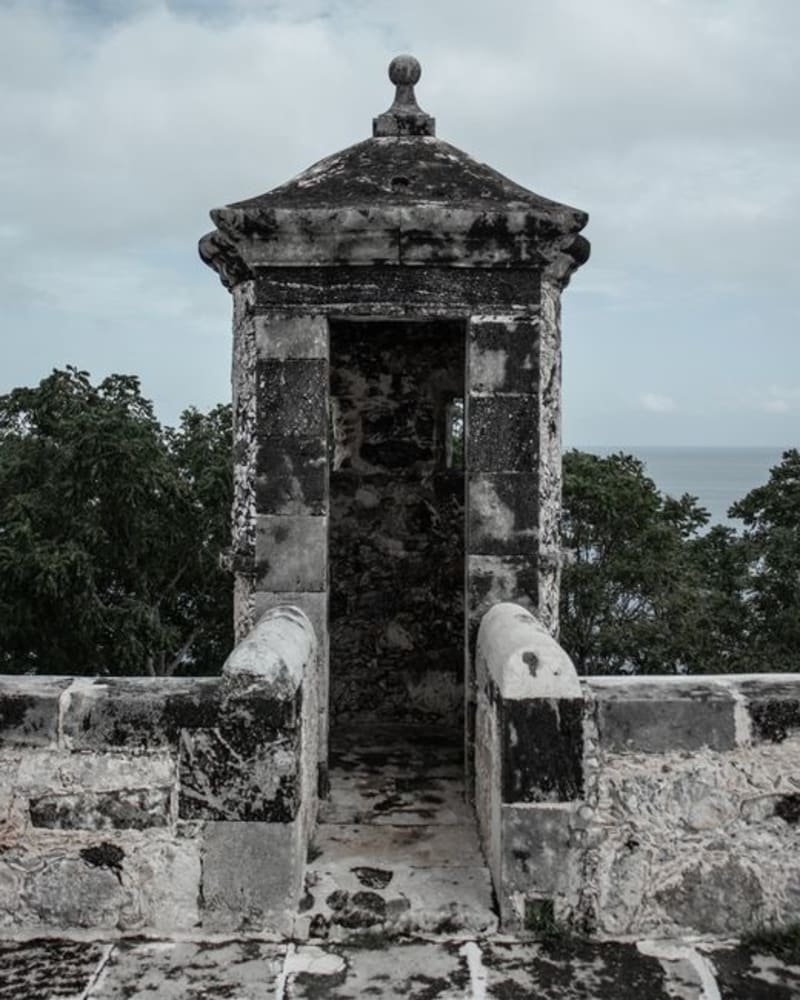
Villa García is best known for its Presa — a reservoir of improbably turquoise water set against the bare Zacatecan sierras — and the ruins of a 16th-century fort and chapel that stand beside it with the right amount of melancholy. On weekends families drive up from Aguascalientes to swim and eat freshwater fish; the rest of the week, the place is entirely yours.
Explore mexico
 Loreto Zacatecas
A highland Zacatecas town built on Franciscan faith and silver money, Loreto carries the particular composure of a place that mattered once and has never quite stopped knowing it. The surrounding hills still show their mine workings, and the mission church holds the square with quiet authority.
Explore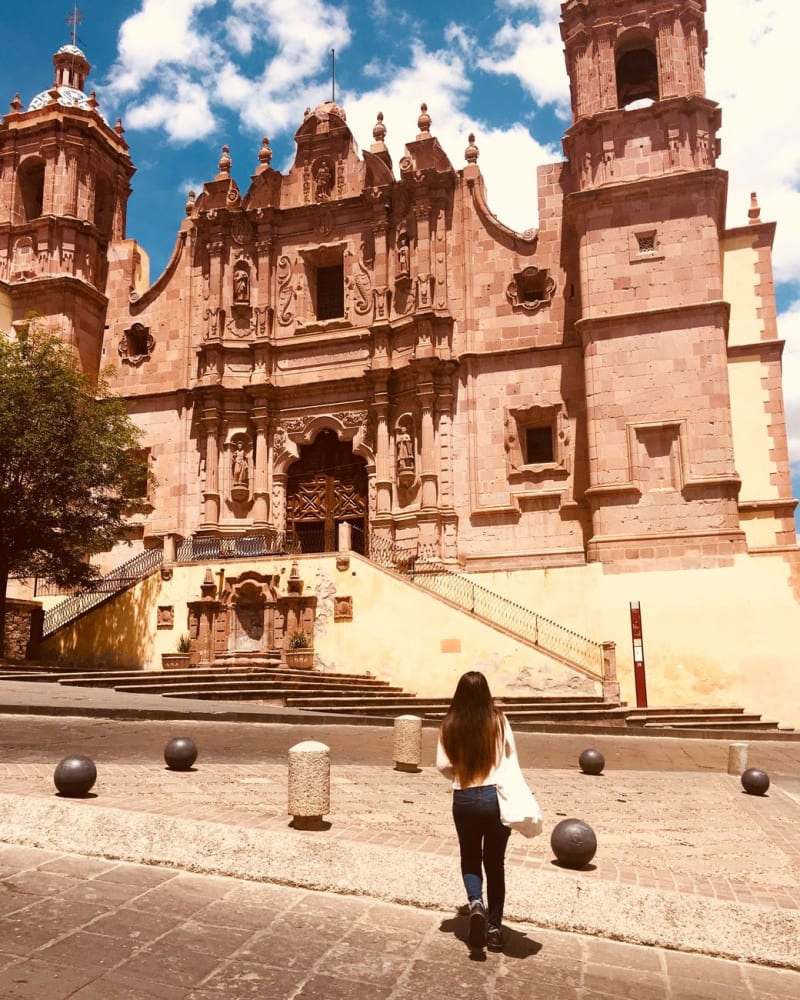 mexico
 Zacatecas City
Zacatecas City is a UNESCO World Heritage colonial mining city built almost entirely from cantera rosa, a local volcanic stone that turns the historic center a deep rose-pink in daylight and copper at sunset. The churrigueresque cathedral facade is the most ornate in Mexico. You enter the old silver mine in a miniature train, descend into the mountain, and walk extraction tunnels that funded a significant portion of the Spanish colonial empire. A cable car connects the two hills that bracket the city.
Explore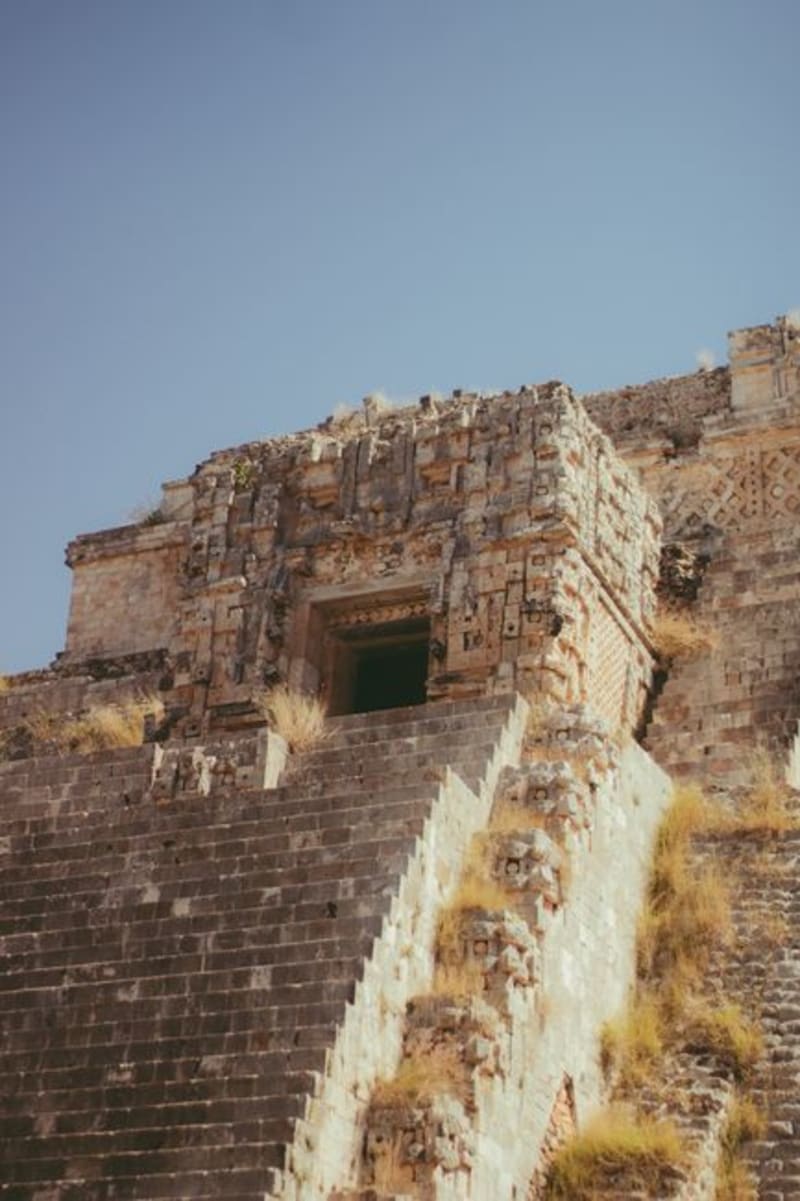 mexico
 La Quemada
A pre-Hispanic fortress city climbing a volcanic hill fifty kilometers south of Zacatecas — colonnaded halls, a sacrificial platform lined with skulls, and a votive pyramid that once commanded the northern trade routes. The civilization that built it vanished around the year 900, and no one has satisfactorily explained why.
Explore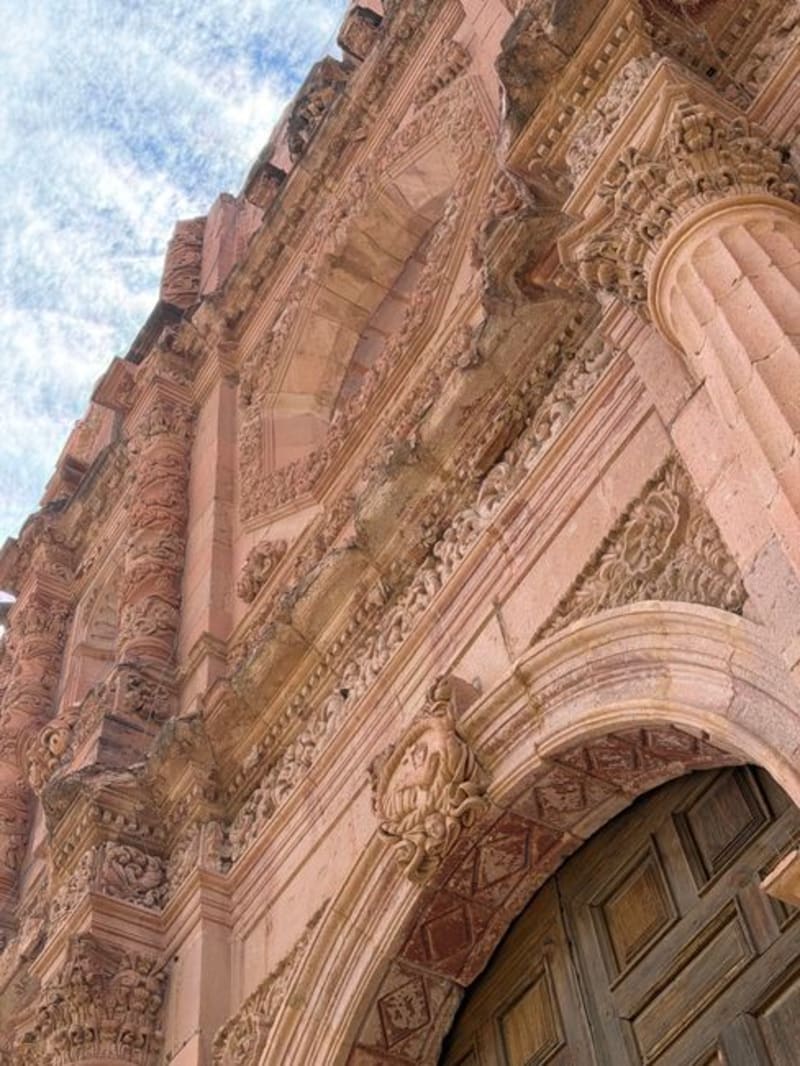 mexico
 Villa de Cos
A desert mining town on the high Zacatecan plain where ochre rock and scrub stretch to every horizon and the silence is thick enough to taste. The surrounding semi-desert holds petroglyphs, collapsed haciendas, and a sky so uninterrupted it feels like a second landscape laid over the first.
Explore mexico
 Jerez de García Salinas
Jerez is a Pueblo Mágico 50km from Zacatecas City and the birthplace of Ramón López Velarde, the poet whose 'La suave patria' became the defining literary expression of Mexican national identity after the revolution. The town is also famous for handcrafted sombreros charro — wide-brim formal hats made in workshops you can walk into — and has a bullring culture that predates everything around it. It is a town that takes its own seriousness for granted.
Explore