
Loreto Zacatecas
"Two Loretos exist in Mexico. This one has better altitude and fewer cruise ships."
A highland Zacatecas town built on Franciscan faith and silver money, Loreto carries the particular composure of a place that mattered once and has never quite stopped knowing it. The surrounding hills still show their mine workings, and the mission church holds the square with quiet authority.

I came to Loreto because I confused it briefly with the other one — the Baja coast town full of pelicans and sport-fishing gringos. By the time I realised my mistake I was already an hour out of Zacatecas city on a secondary road climbing through scrub oak and agave, and I figured I might as well keep going. The town appeared below a fold in the hills without warning: a square of pale stone, a church tower, a few streets of ochre walls, and the kind of silence that arrives at 2,100 metres when the wind drops just for a moment.
The Mission and the Square
The Parroquia de Nuestra Señora de Loreto is the reason the town exists, and looking at it you understand the logic — the Spanish planted a Franciscan mission here in the seventeenth century as a staging post into rougher country to the north, and the church they built has the thick walls and stubborn elegance of something meant to outlast any argument about whether this was a good idea. The facade is restrained by Zacatecan baroque standards, almost severe, but the interior opens into a calm that feels earned rather than decorative. I sat in a pew for twenty minutes on a Tuesday afternoon and was the only person there. Outside, the jardín municipal is the kind of plaza where old men occupy the same iron bench at the same hour every day and nobody finds this remarkable. A woman was selling gorditas from a comal set on a folding table near the kiosk — I had one filled with frijoles negros and chicharrón, ate it standing, and felt immediately better about the detour.

Silver Country
The hills around Loreto are not subtle about their mining past. You can see the old bocaminas — shaft mouths — from the road coming in, some collapsed, some gated, a few with small cairns of tailings still pale against the hillside. Silver from this region fed into Zacatecas city’s boom centuries and Loreto was part of that economy: suppliers, muleteers, a market for the men coming down from the workings. The town has the proportions of somewhere that once had more money moving through it than it does now, slightly oversized civic buildings, doorways framed in carved cantera stone that would cost a fortune today. Walking the two or three streets that make up the historical core, I kept noticing these small calibrations of former prosperity — a carved lintel above a pharmacy, ironwork on a window that someone had bothered to do properly.

The Landscape Around Town
What I did not expect was how much the land itself would hold the attention. The plateau opens out north of town into a stretch of semi-arid highland — nopal, lechuguilla, the occasional lone mesquite — that in late afternoon goes through a sequence of colours from yellow to rust to something close to violet. I drove a dirt track for about eight kilometres looking for a viewpoint someone in the square had mentioned and never found it exactly, but I stopped twice anyway and stood in the wind with nothing particular to look at and felt that specific contentment that high, empty country produces in me reliably.

Getting There
Loreto is roughly 80 kilometres southeast of Zacatecas city, around ninety minutes by car on Federal Highway 45 and state roads. There is no direct bus service that I found — the most practical approach is renting a car in Zacatecas or arranging a day-trip with a local driver. Combine it with a stop at Jerez if you are making a day of it.
Keep exploring
More of Zacatecas
Keep exploring
More from Zacatecas
 mexico
 Villa García
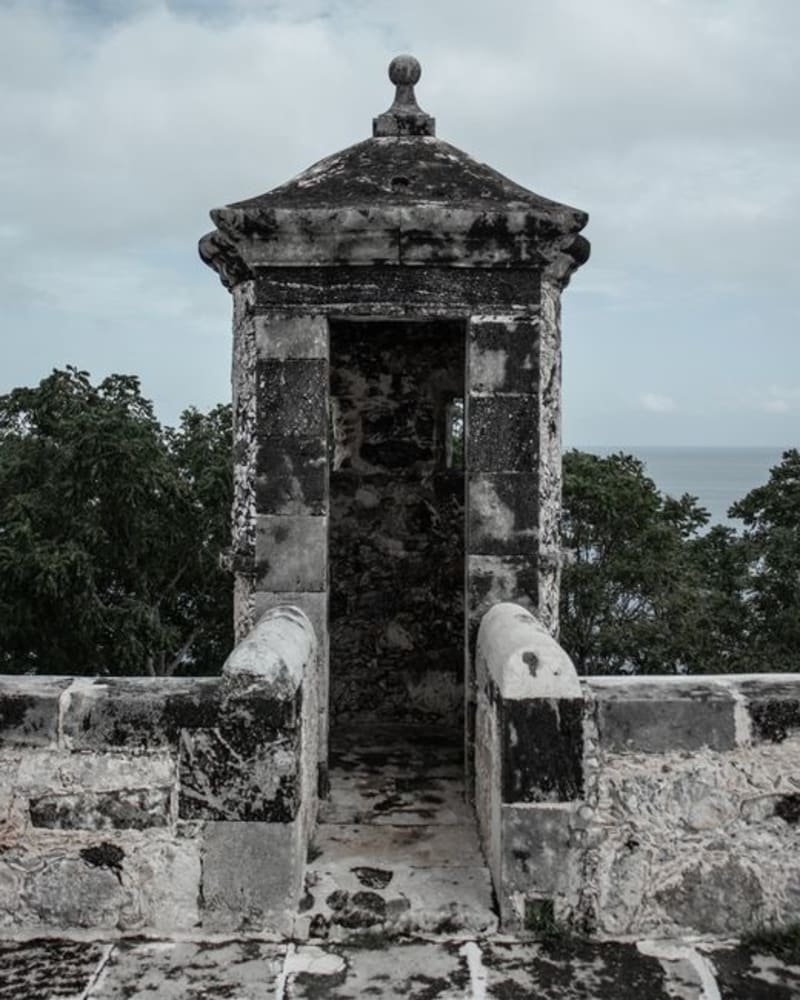
Villa García is best known for its Presa — a reservoir of improbably turquoise water set against the bare Zacatecan sierras — and the ruins of a 16th-century fort and chapel that stand beside it with the right amount of melancholy. On weekends families drive up from Aguascalientes to swim and eat freshwater fish; the rest of the week, the place is entirely yours.
Explore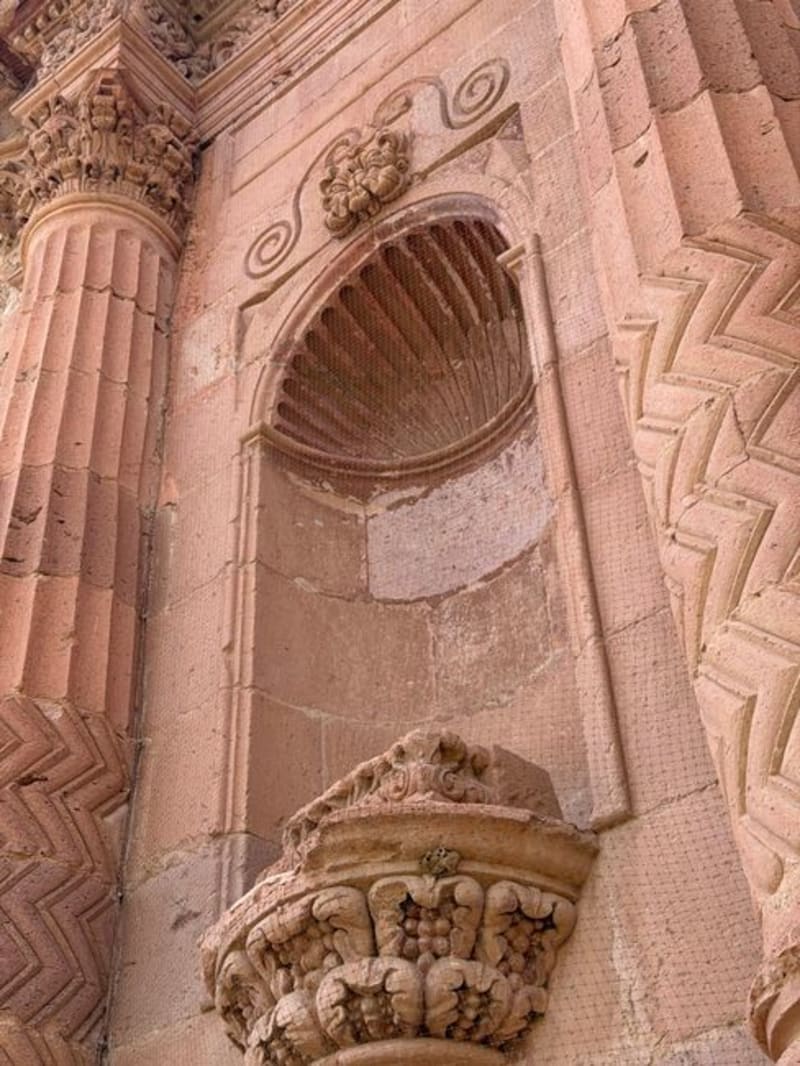 mexico
 Pinos
Founded in 1563 and barely changed since, Pinos is a high-altitude colonial town in Zacatecas where silver-era mansions lean over cobblestone streets and every corner hides a ruined convent or a surprisingly good local museum. The late afternoon light does something particular to the stone here — it turns the whole centro amber, and you stop walking and just stand there.
Explore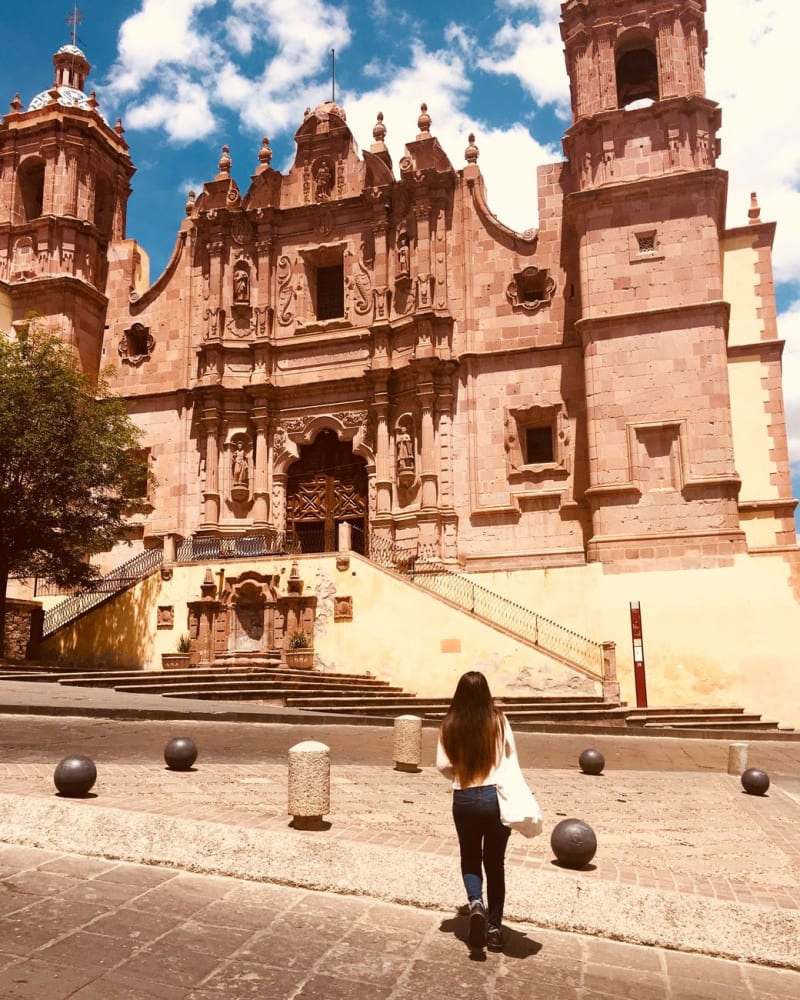 mexico
 Zacatecas City
Zacatecas City is a UNESCO World Heritage colonial mining city built almost entirely from cantera rosa, a local volcanic stone that turns the historic center a deep rose-pink in daylight and copper at sunset. The churrigueresque cathedral facade is the most ornate in Mexico. You enter the old silver mine in a miniature train, descend into the mountain, and walk extraction tunnels that funded a significant portion of the Spanish colonial empire. A cable car connects the two hills that bracket the city.
Explore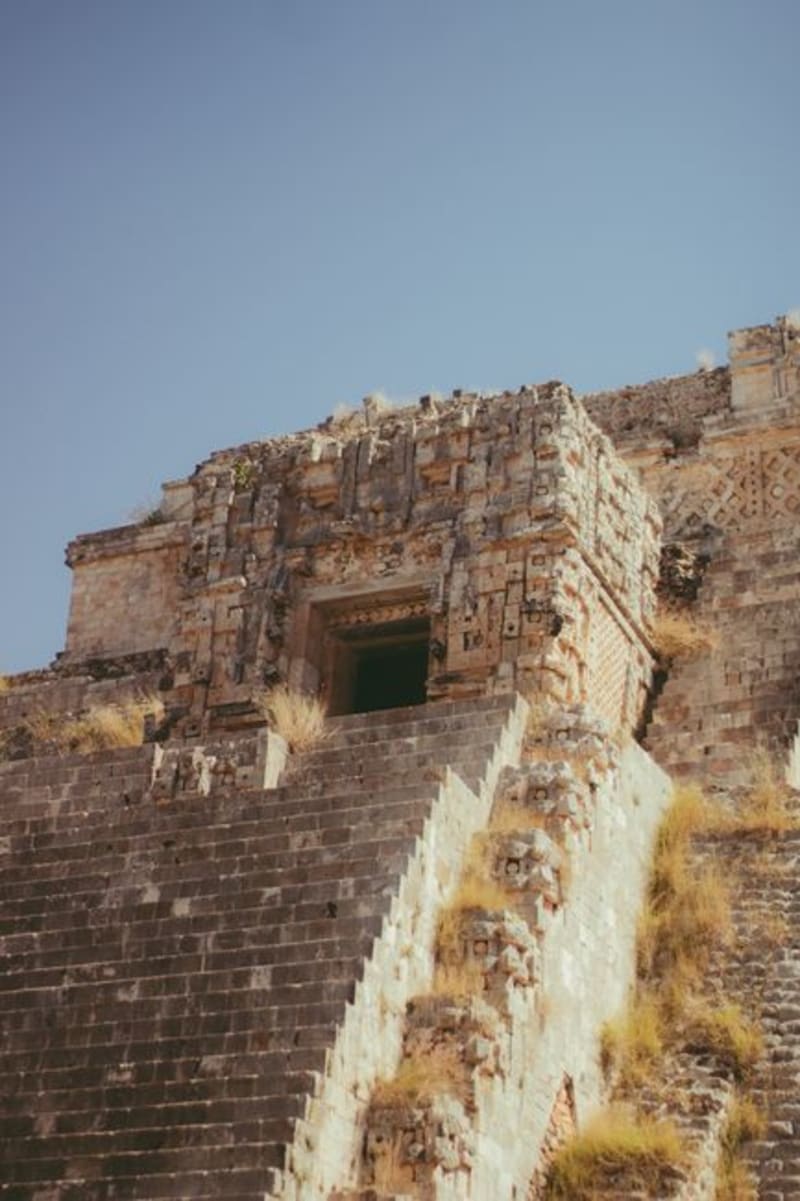 mexico
 La Quemada
A pre-Hispanic fortress city climbing a volcanic hill fifty kilometers south of Zacatecas — colonnaded halls, a sacrificial platform lined with skulls, and a votive pyramid that once commanded the northern trade routes. The civilization that built it vanished around the year 900, and no one has satisfactorily explained why.
Explore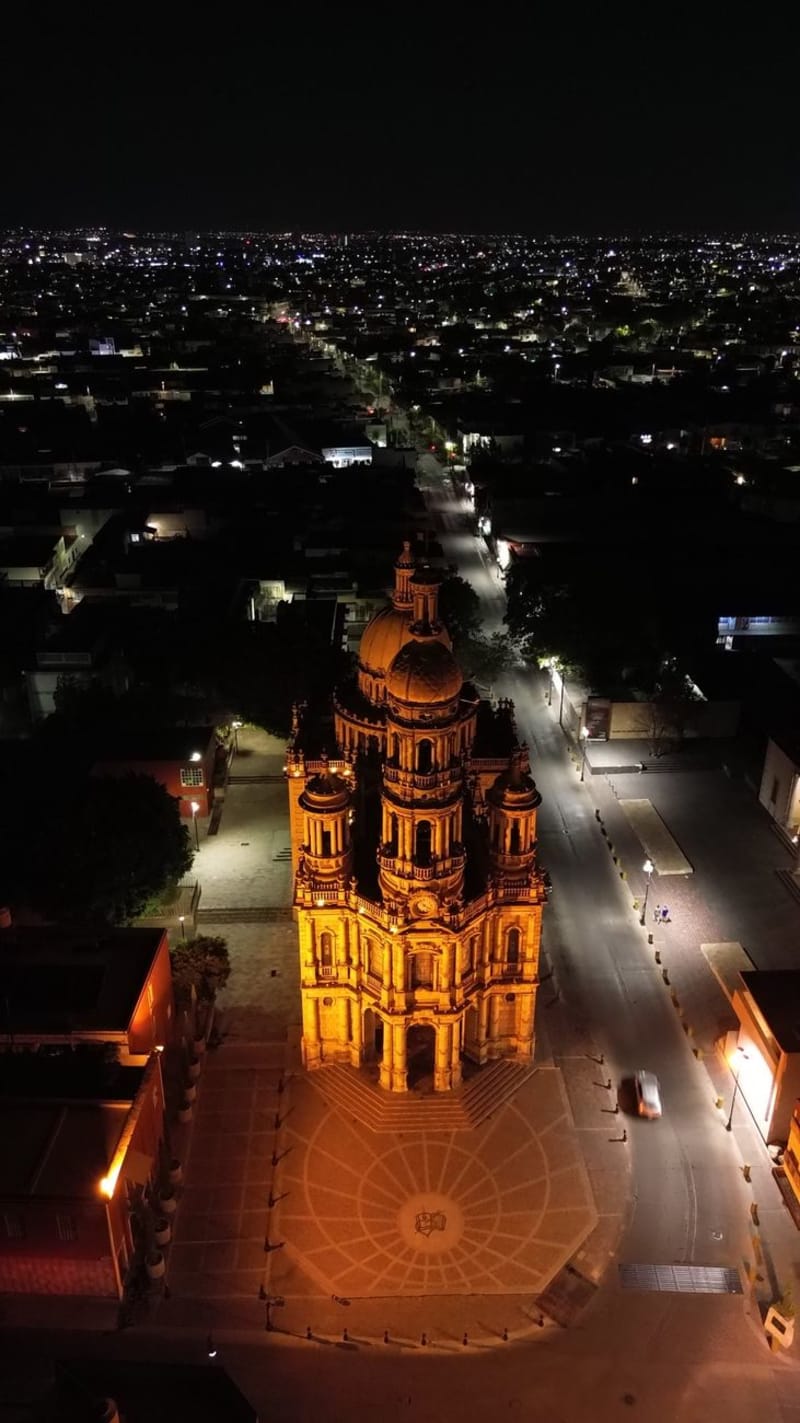 mexico
 Jerez de García Salinas
Jerez is a Pueblo Mágico 50km from Zacatecas City and the birthplace of Ramón López Velarde, the poet whose 'La suave patria' became the defining literary expression of Mexican national identity after the revolution. The town is also famous for handcrafted sombreros charro — wide-brim formal hats made in workshops you can walk into — and has a bullring culture that predates everything around it. It is a town that takes its own seriousness for granted.
Explore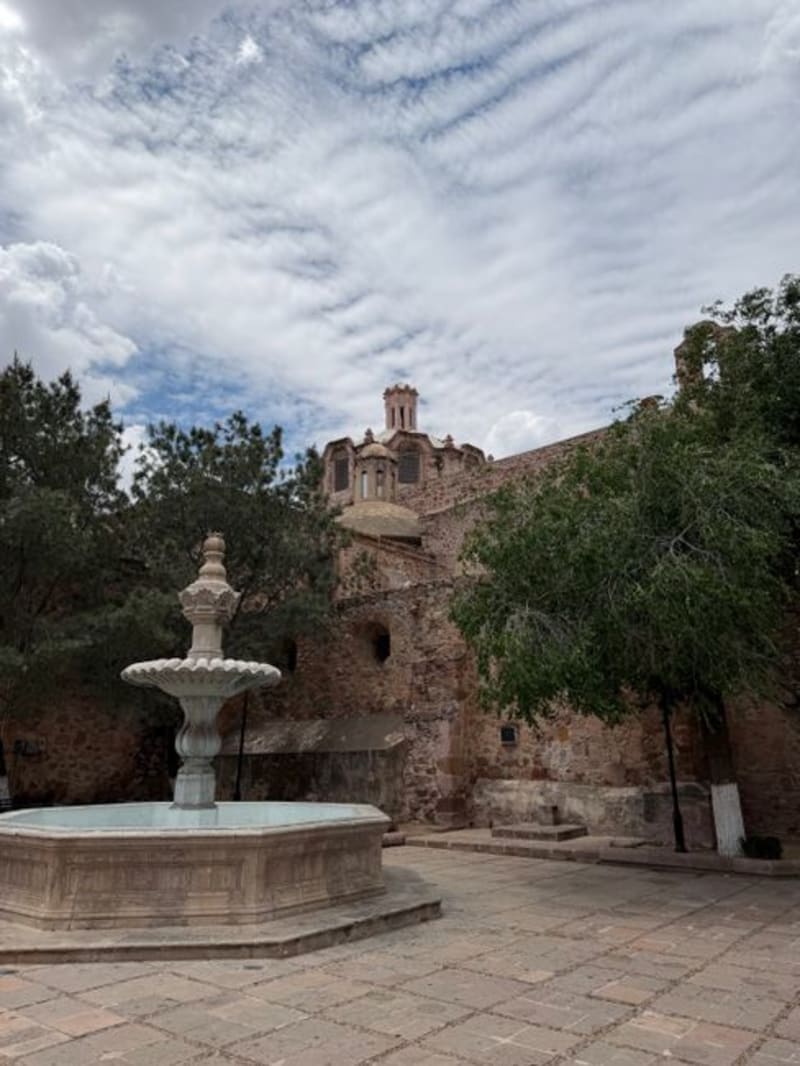 mexico
 Jalpa
A small colonial town in southern Zacatecas that earns a longer stop than most travelers give it, chiefly because of the 16th-century castle ruins on the ridge above and a main plaza calm enough to make you forget you had somewhere else to be.
Explore