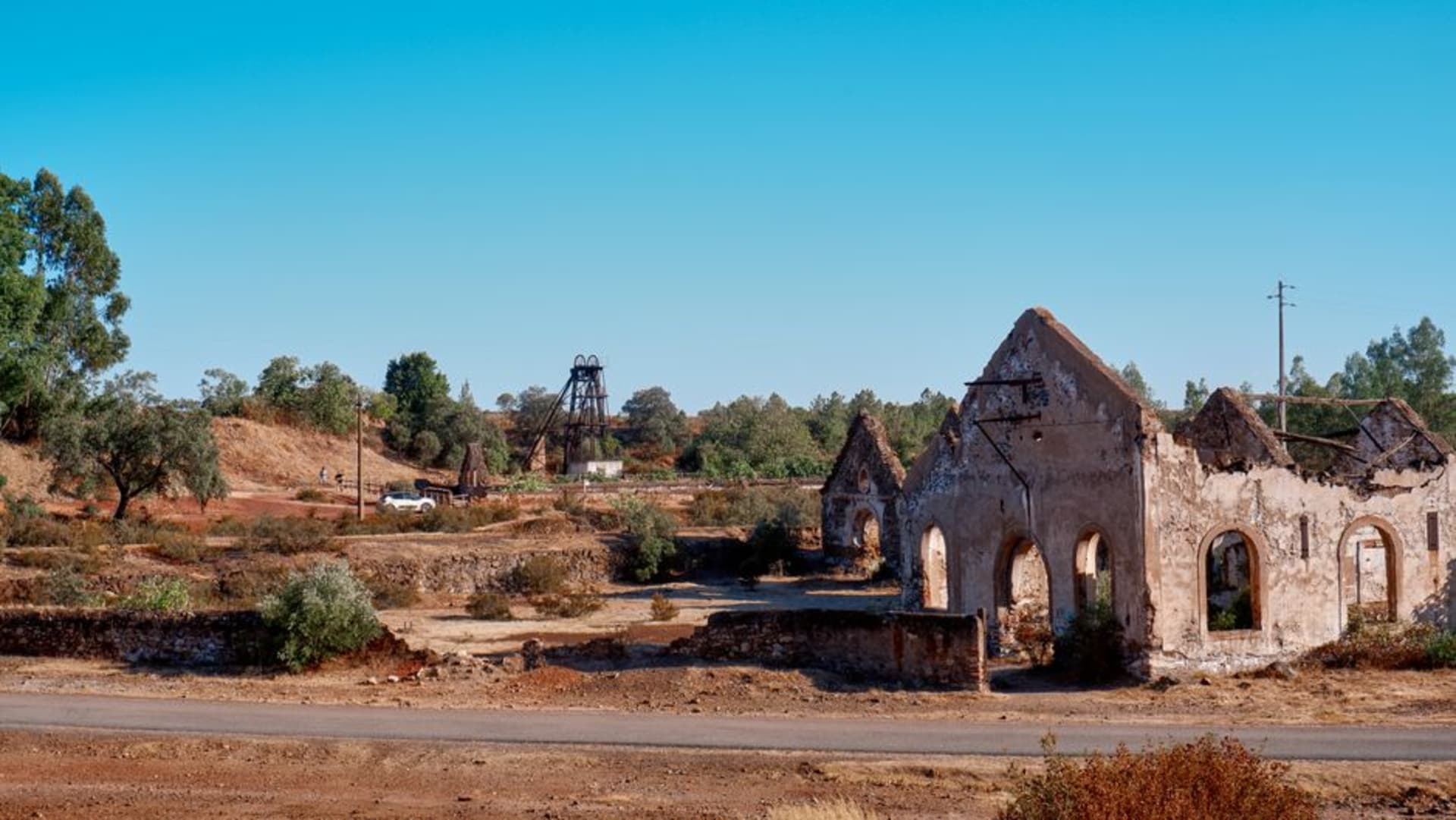
Mazapil
"Silver, a meteorite, and an Augustinian convent in the Chihuahuan desert. Zacatecas does not do ordinary."
Founded in 1568 as a silver-mining outpost in the high Chihuahuan desert, Mazapil is one of the oldest towns in Zacatecas — a place where a 16th-century Augustinian convent rises from scrubland and a meteorite crater sits just down the road, reminding you that geography here has always been extreme.

I drove into Mazapil on a Tuesday afternoon when the light was doing that flat, merciless thing it does in the high desert — every rock casting a hard shadow, the scrub going grey-green, the air smelling of nothing in particular. The town appeared with almost no warning: a cluster of low colonial facades, a plaza, a fountain. I had expected remote, but not this particular kind of stillness — the kind that arrives when a place has been waiting since 1568 and has stopped being impatient about it.
The Convent at the Edge of Everything
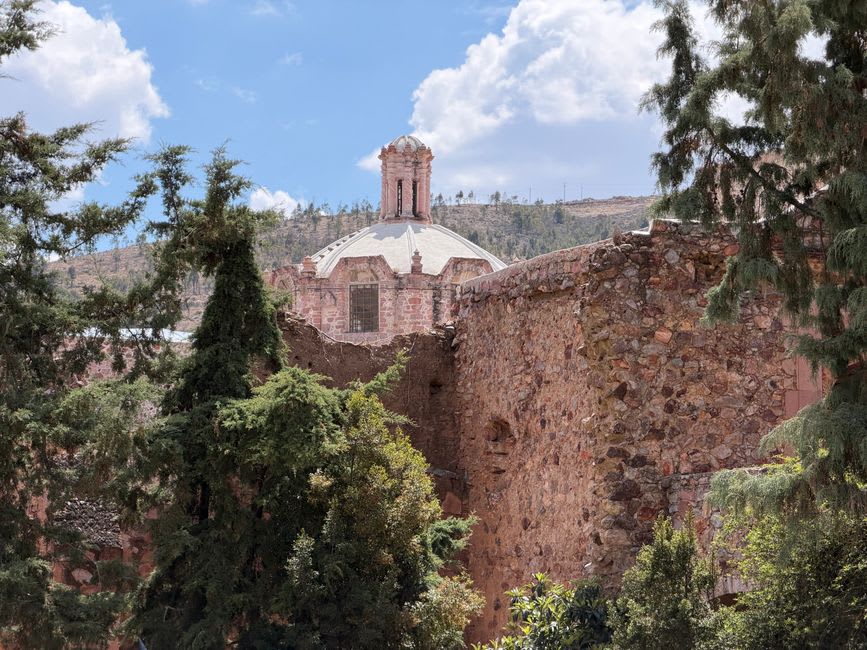
The Ex-Convento Agustino de San Mateo is the reason most people make the trip, and it earns the detour. Built in the late 16th century to serve the silver-mining population pouring into this corner of the Norte Chico, the complex feels improbably intact for something sitting in such exposure. The stone is a warm ochre where it catches the afternoon sun, almost pink. Inside the main chapel, the vault is still standing, the carved doorways still legible. There are no ropes, no guides competing for your attention — you walk through at your own pace, which out here means slowly. I spent an hour in the atrium watching shadows move across the facade before I realized I was the only person there. The nearest city with a shopping mall is four hours away. That fact alone explains something about the quality of the quiet.
The Meteorite, and What It Changes
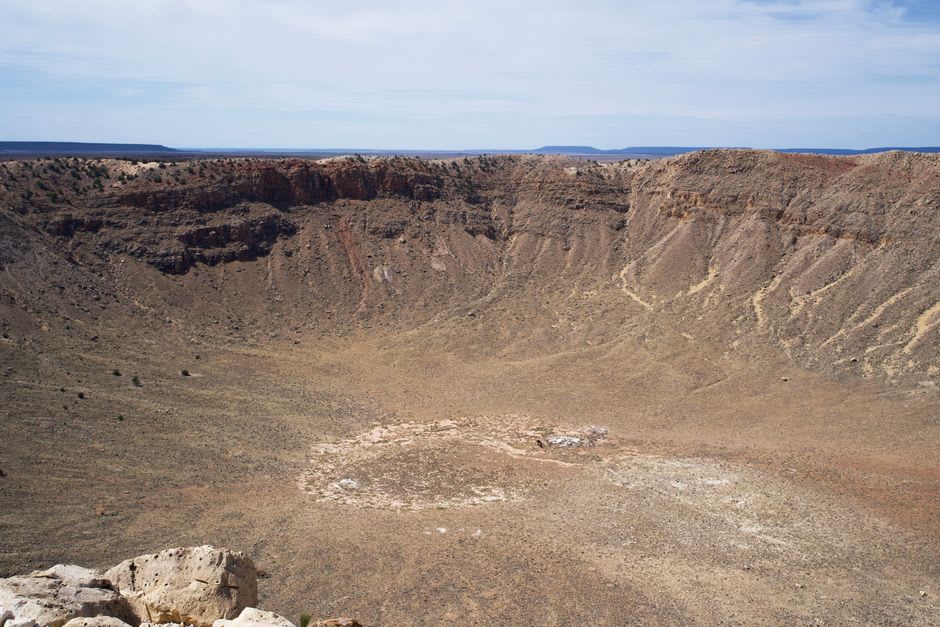
In 1885 a meteorite struck the terrain just outside Mazapil. A fragment — roughly seventy kilograms of iron — was recovered and eventually traveled to the Field Museum in Chicago, where it remains. What stayed behind is the landscape itself: a stretch of high desert that already looked unearthly before a piece of the solar system confirmed the impression. I walked out along a dirt track east of the plaza in the early morning, when the temperature was still low and the light was coming in sideways. The Chihuahuan desert at that hour has a quality I can only describe as geological patience — the cardon cacti, the thorny scrub, the distant ridgelines. Knowing a meteorite passed through here changes nothing about the landscape and somehow changes everything about how you read it.
Eating and Staying
The options in Mazapil are limited and honest. Around the plaza you’ll find a couple of small fondas serving birria de res and gorditas de cuajada — I ate at one with plastic chairs and a handwritten menu that changed daily, and it was exactly right. There is modest lodging in town; I recommend arriving with supplies if you plan to stay more than one night, since the nearest larger market is in Concepción del Oro, about thirty kilometers south.
Getting There
From Zacatecas city, Mazapil is roughly 250 kilometers northeast — plan on four hours by car via Federal Highway 54 through Concepción del Oro. There is no direct bus service from the capital; the most practical approach is a private vehicle or a shared taxi from Concepción del Oro. Fuel up before leaving — stations are sparse on the final stretch.
Keep exploring
More of Zacatecas
Keep exploring
More from Zacatecas
 mexico
 Concepción del Oro
A former silver and gold mining town marooned in the high desert of northern Zacatecas, Concepción del Oro wears its boom-and-bust history in crumbling stone walls and family names that trace back to the Bonanza mine. The landscape reads closer to the American Southwest than to central Mexico — bone-dry, wide, and very quiet.
Explore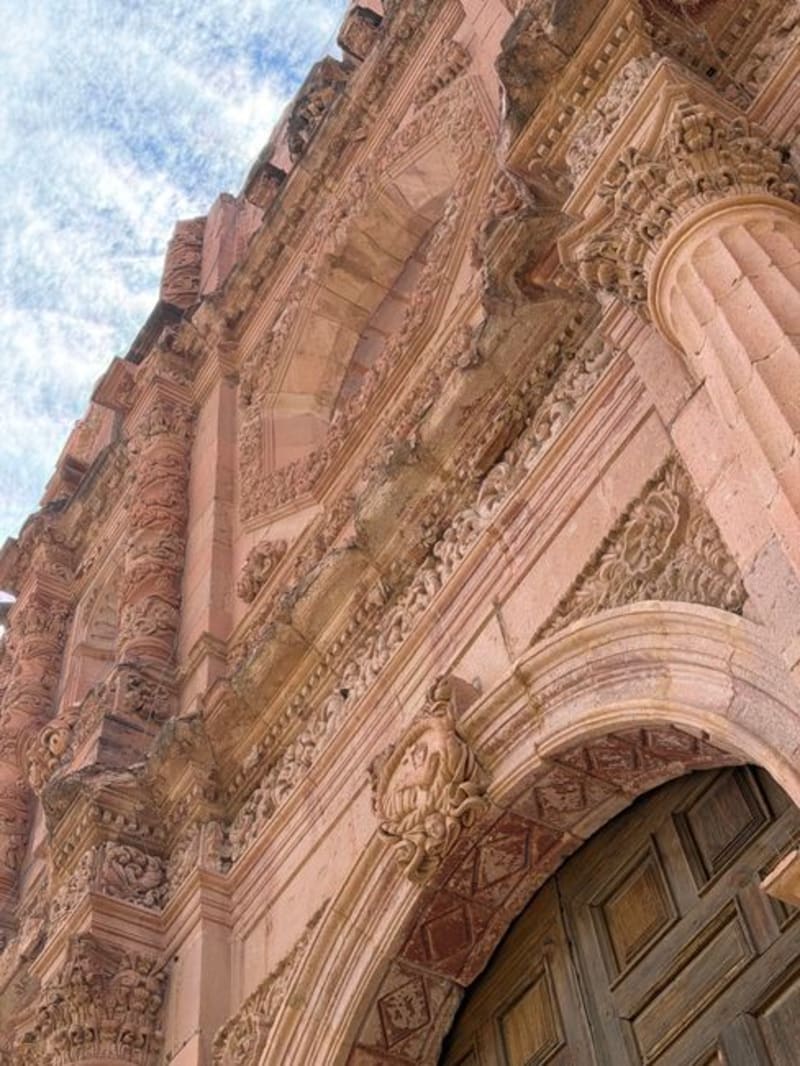 mexico
 Villa de Cos
A desert mining town on the high Zacatecan plain where ochre rock and scrub stretch to every horizon and the silence is thick enough to taste. The surrounding semi-desert holds petroglyphs, collapsed haciendas, and a sky so uninterrupted it feels like a second landscape laid over the first.
Explore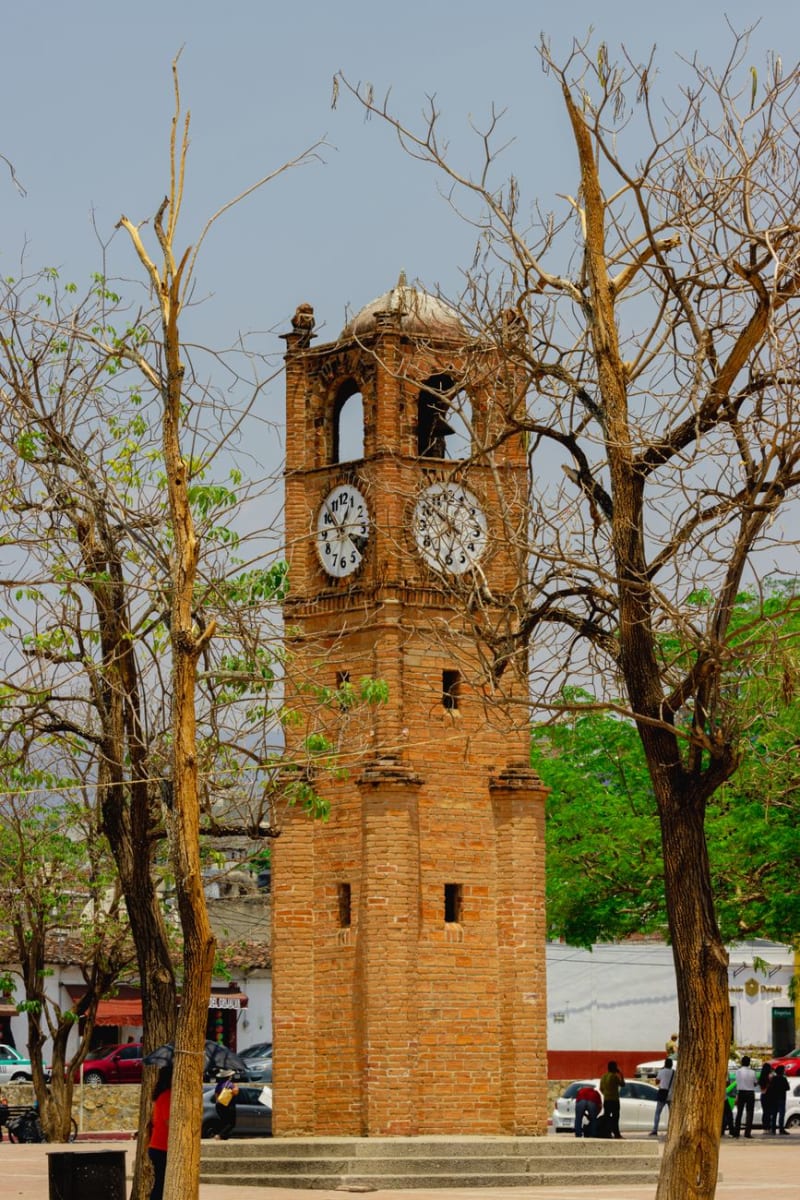 mexico
 Fresnillo
Fresnillo is the second-largest city in Zacatecas state, built around a silver mine that is still one of the largest operating silver mines in the world. It is a working northern Mexican city without pretension: wide streets, norteño music from car stereos, a colonial church on a functional plaza, the mine infrastructure visible from the surrounding hills. I ate cabrito — slow-roasted young goat, the northern Mexico specialty — in a lunch restaurant full of mine workers and thought this was a more honest version of the state than the cable car and the pink cathedral sixty kilometers south, though I love the cable car.
Explore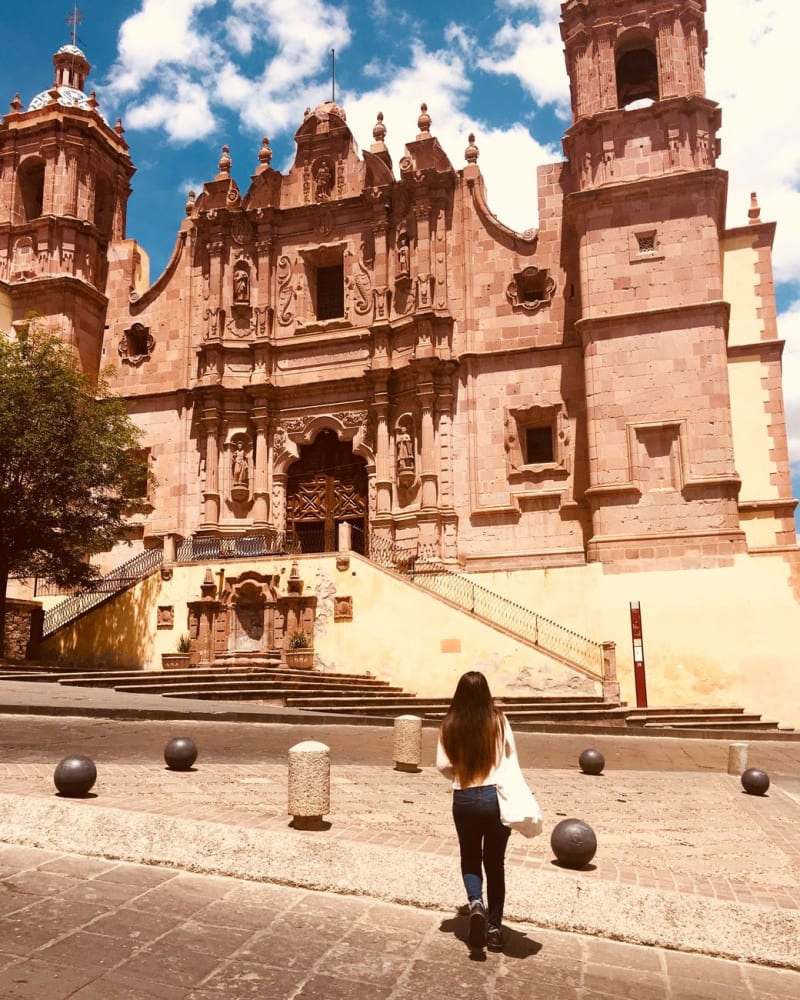 mexico
 Zacatecas City
Zacatecas City is a UNESCO World Heritage colonial mining city built almost entirely from cantera rosa, a local volcanic stone that turns the historic center a deep rose-pink in daylight and copper at sunset. The churrigueresque cathedral facade is the most ornate in Mexico. You enter the old silver mine in a miniature train, descend into the mountain, and walk extraction tunnels that funded a significant portion of the Spanish colonial empire. A cable car connects the two hills that bracket the city.
Explore mexico
 Sombrerete
Sombrerete is a Pueblo Mágico in the Zacatecas highlands, founded in 1555 on the back of a major silver strike, with five colonial churches in a single historic center — an improbable density for a city of 25,000 that becomes entirely explicable the moment you understand what the Cerro Pelón mine once produced. The Convento de San Mateo de Apostol has a baroque facade that architectural historians place among the finest in northern Mexico. I arrived at dusk and found all five churches open, and walked between them in the failing light.
Explore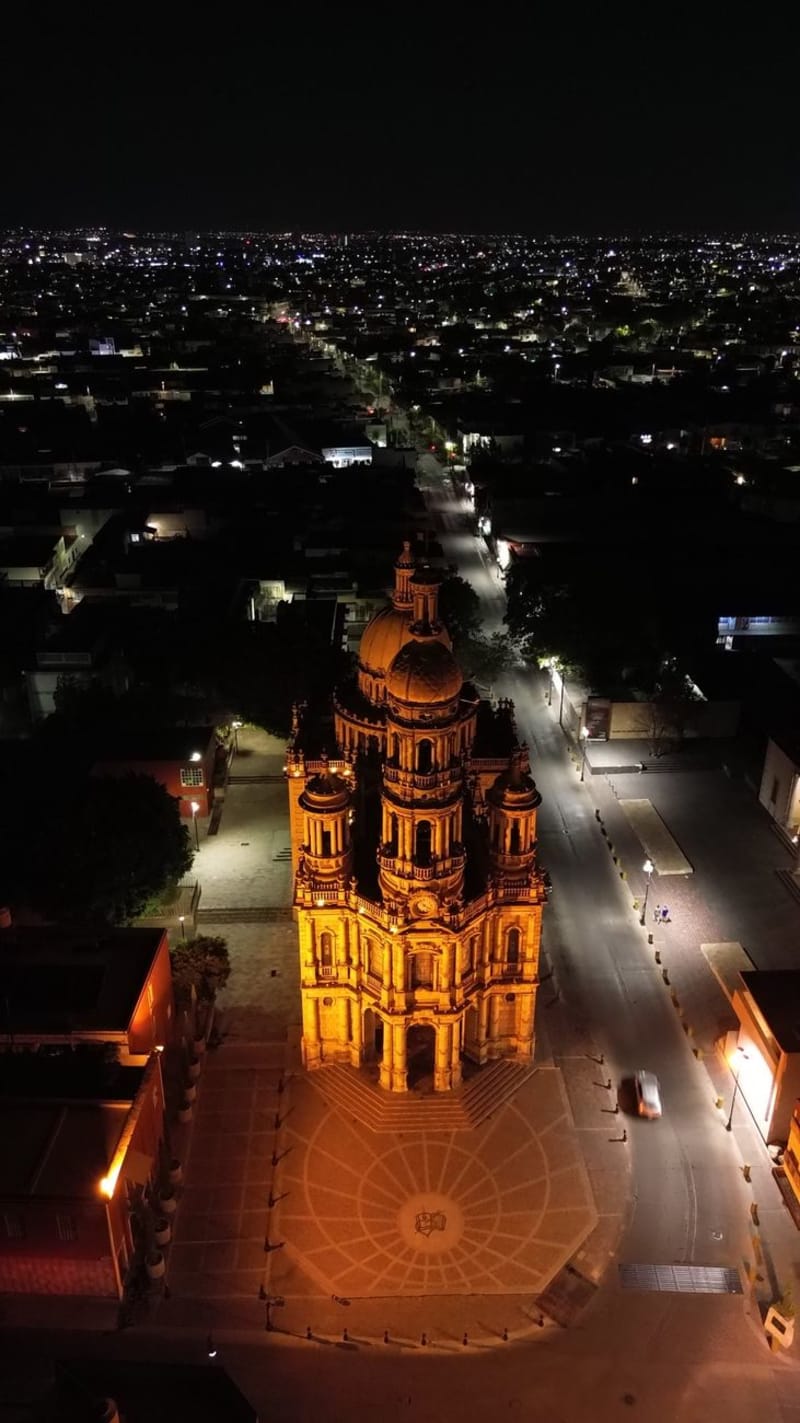 mexico
 Jerez de García Salinas
Jerez is a Pueblo Mágico 50km from Zacatecas City and the birthplace of Ramón López Velarde, the poet whose 'La suave patria' became the defining literary expression of Mexican national identity after the revolution. The town is also famous for handcrafted sombreros charro — wide-brim formal hats made in workshops you can walk into — and has a bullring culture that predates everything around it. It is a town that takes its own seriousness for granted.
Explore