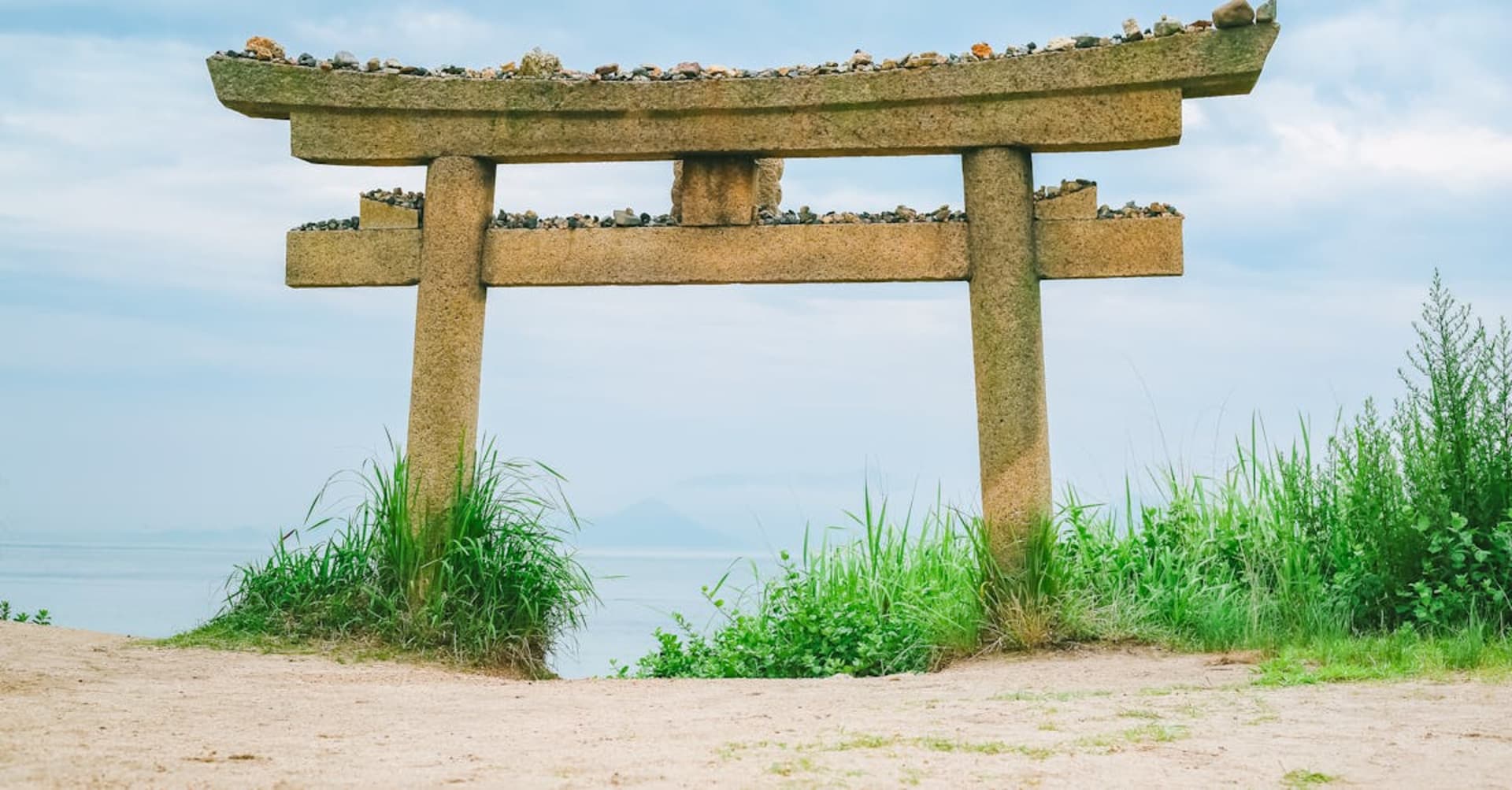
We did not visit Naoshima on this trip. I am writing about it because I spent an evening in Osaka reading about it, looking at photographs, and feeling the specific regret that comes from realising you are thirty minutes away from something extraordinary and do not have the time. Next trip. This is the plan, and I am writing it down so that it becomes a commitment rather than a wish.
Naoshima is a small island — you can cycle across it in thirty minutes — in the Seto Inland Sea between Honshu and Shikoku. Since the 1990s, the Benesse corporation and architect Tadao Ando have been transforming it into something unprecedented: an island where contemporary art, architecture, and landscape exist in a relationship so carefully calibrated that separating them feels impossible. Friends who have been — a Mexican sculptor I know, a Japanese photographer Lia follows on Instagram — speak about it the way people speak about places that changed how they see things. Not in superlatives. In silence, followed by “you just have to go.”
Chichu Art Museum — Art Buried in the Earth
Chichu Art Museum is the masterpiece. Ando built it underground — literally carved into a hillside — so the architecture would not compete with the art or the landscape above. Inside: three permanent installations. A room of Monet’s Water Lilies displayed in natural light that changes throughout the day — the paintings you have seen a hundred times in books, except here the light is real and shifting and the room was designed so the art and the architecture and the sky above are all part of the same experience. A James Turrell light installation that alters your perception of space. A Walter De Maria sculpture that maps the geometry of the room it inhabits. Three artists. Three rooms. It is enough. Everyone I have spoken to says you will spend longer here than you plan.
The Benesse House & Lee Ufan Museum
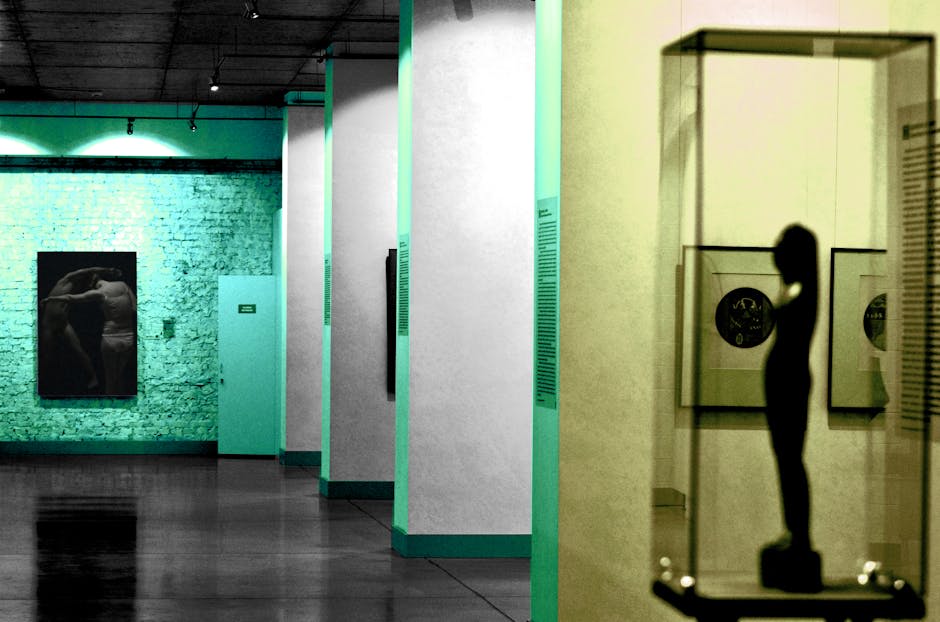
The Benesse House Museum combines a hotel with a gallery — art is everywhere, in the rooms, along the paths, on the beach. The idea is that you do not visit art here; you live inside it. The building sits on a hillside above the Seto Inland Sea, and the views from the terrace — islands dotting a blue expanse, fishing boats moving slowly in the distance — are themselves a kind of art that no curator could have arranged better. Lee Ufan’s museum, also by Ando, is a meditation on emptiness and stone that makes most contemporary art galleries feel cluttered. Two materials. One idea. The Japanese understanding that restraint is not the absence of expression but its highest form.
The Art House Project — Honmura Village
The Art House Project in the village of Honmura is equally extraordinary — seven traditional Japanese houses converted into permanent art installations. The village itself is a quiet fishing community with narrow lanes and grey-tiled roofs, and the installations are scattered through it so that you walk between art and life and the boundary between them becomes irrelevant. Minamidera by Turrell is a room of total darkness that slowly reveals light as your eyes adjust — an experience that takes about ten minutes and, according to everyone who has done it, rewires something fundamental about how you perceive the space around you. Haisha, a former dental clinic, is filled with a Shinro Ohtake installation of found objects, neon, and Statue of Liberty fragments — chaos assembled with such precision that it becomes a kind of order.
Teshima & Inujima — The Extended Experience
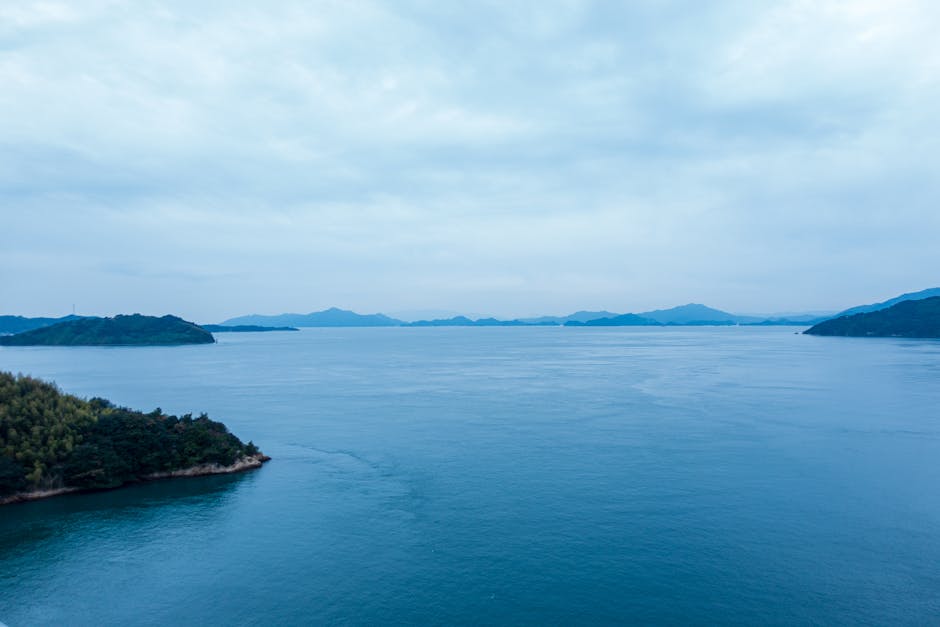
Teshima and Inujima, nearby islands accessible by ferry, extend the experience into something that could fill a week. Teshima Art Museum — a single concrete shell open to the sky, with water seeping through the floor in patterns that change hourly — is described by everyone who has visited as the most beautiful room they have ever been in. No art on the walls. No frames. Just a space open to the weather and the light, and water emerging from the ground in droplets that move and merge and separate with a slowness that makes you aware of time passing in a way that clocks never do. I have not been there. I have read about it. I have looked at photographs. And I know, with the certainty of someone who has spent twenty years traveling, that this is a place that will matter to me when I finally stand inside it.
The yellow pumpkin sculpture by Yayoi Kusama — the one that sits on the shore of Naoshima and has become the island’s icon — was washed away by a typhoon in 2021 and has since been reinstalled. It is, by all accounts, simultaneously ridiculous and perfect: a bright yellow pumpkin covered in black polka dots, sitting on a concrete pier at the edge of the sea, looking like something a child dreamed and an architect built. I want to see it. I want to sit beside it and look at the sea and understand why a pumpkin on a pier can make grown adults cry.
When to go: March to November. Some sites close Mondays — plan your visit to avoid losing a day. The Setouchi Triennale (every three years, next in 2028) adds temporary installations across the islands and turns the entire Seto Inland Sea into an open-air gallery. Book Chichu Art Museum tickets in advance — they limit entry. Rent a bicycle on the island. Stay at the Benesse House if you can afford it. If not, there are guesthouses in Honmura that put you inside the Art House Project village. The ferry from Uno Port (Okayama Prefecture) takes twenty minutes. From Takamatsu on Shikoku, about an hour.