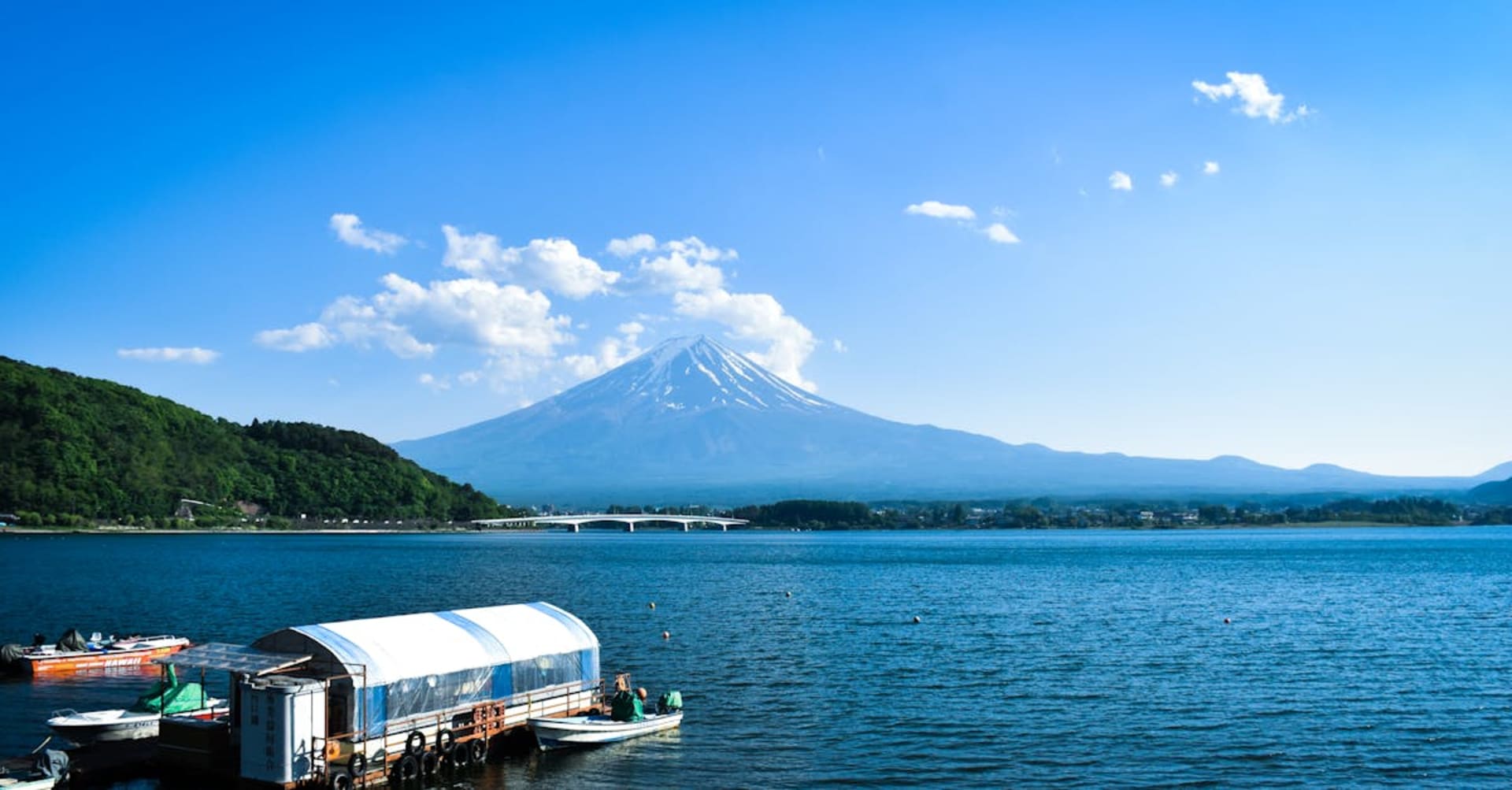
We arrived at Kawaguchiko Station on a highway bus from Shinjuku — two hours, roughly two to three thousand yen, booked online the night before because they sell out. The bus leaves the megacity and within twenty minutes you are in a landscape of forested hills and rice paddies, and then you step off at a small clean station and the air is different. Cooler. Thinner. You are at nine hundred metres. The lake is right there.
Kawaguchiko is not dramatic. That is its gift. After six days in Tokyo — fourteen million people, the neon, the noise, the extraordinary density of it all — this small town arranged around a volcanic lake felt like someone had turned the volume down to a level I had forgotten existed, and the relief was physical. Fishermen sat on the shore with the patience of people who have done this their entire lives. A cat followed us for two blocks and then lost interest. Ryokans lined the lakefront with their sliding paper doors. The mountains rose on every side.
The Lake
We took the Mt. Kachi Kachi Ropeway — nine hundred yen round trip, named after a Japanese folktale about a rabbit and a tanuki — up a small mountain for elevated views of the lake and Fuji together. The observation deck at the top gives you a panorama that makes you understand why the Japanese have been painting this landscape for centuries. Below, the lake stretched out in a deep blue that reflected the surrounding hills, and the town along its shore looked like a model village. At noon the water was sharp and bright. By late afternoon, as we walked the lakefront, it had turned silver, then pink, then disappeared into the dusk.
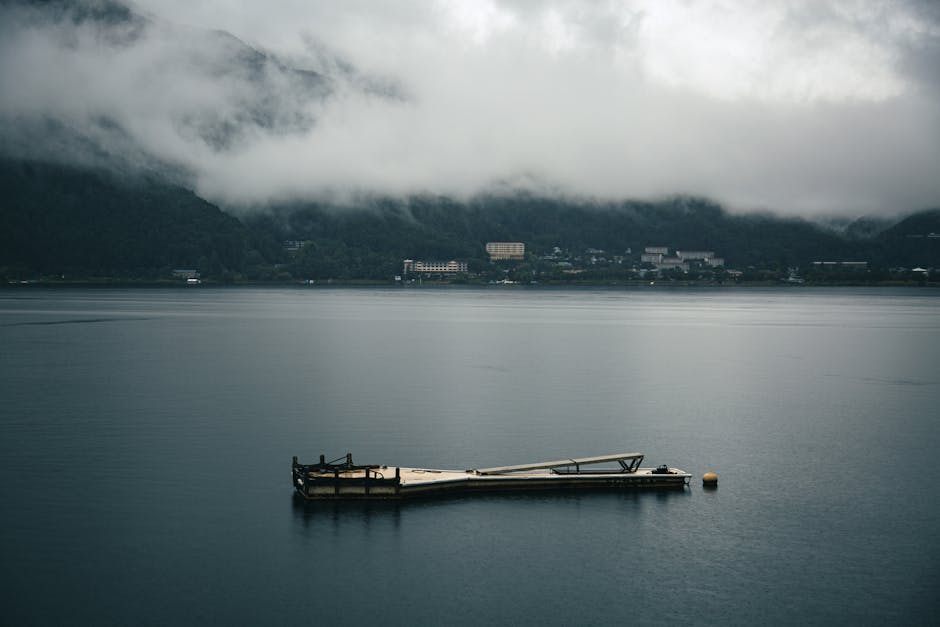
The lakefront walk was the part I had not expected to love. Small restaurants with handwritten menus. Souvenir shops that sell the same Fuji-shaped everything. A retro café where we drank coffee and watched the water through windows fogged with steam. It is gentle. It is quiet. It is exactly what you need after the sensory overload of Tokyo, and it is exactly the kind of place most itineraries rush through on the way to take a photograph of the mountain. Do not rush through. Stay the night.
The Onsen
We stayed at Hotel Kasuitei Ohya, right on the lake, and the onsen was the highlight — the kind of experience that makes you reconsider every bath you have ever taken and find them all wanting. The hot spring water is geothermally heated, mineral-rich, and maintained at a temperature that is just above what a reasonable person would consider comfortable and just below what would constitute cooking. You wash first — thoroughly, at a sit-down station with a small stool and a handheld showerhead, because entering the bath dirty is the single worst thing you can do in Japan — and then you lower yourself into the water and something happens to your muscles that I can only describe as surrender.
I sat in the outdoor bath as the light faded over the lake. The mountains darkened against a sky that went from blue to violet to deep black. My muscles, which had been complaining about four hundred pagoda steps for the past six hours, stopped complaining. The water was hot. The air was cool. A faint steam rose from the surface. Somewhere in the hotel, someone was playing a shamisen. I stayed for an hour, got out, got cold, and got back in for another twenty minutes. I have stayed in luxury hotels. I have been to spas in Bali and hammams in Morocco. The onsen at Kasuitei Ohya, at the end of a day that included a volcanic lake, four hundred steps, and a mountain that appeared between clouds like a deity making a casual entrance, was the most deeply relaxing experience of my life.
Hoto Noodles
For dinner, we had hoto noodles — a Yamanashi specialty that I had never heard of and now dream about regularly. Thick, flat, hand-cut noodles in a rich miso broth with chunks of pumpkin, taro, mushrooms, and seasonal vegetables, served boiling hot in a heavy iron pot that arrives at your table still bubbling. It is mountain food — designed for cold evenings, tired hikers, and people who need to be reminded that simplicity, done with care, is not a compromise but a philosophy.
We went to Hoto Fudo, which has a branch near the station and a more famous one shaped like an igloo near the lake. We chose the station branch — less picturesque, equally delicious. The broth warmed everything. The noodles had a chew that ramen cannot match. The pumpkin melted. Lia ordered seconds. I did not judge her because I had already ordered seconds myself.
Leaving
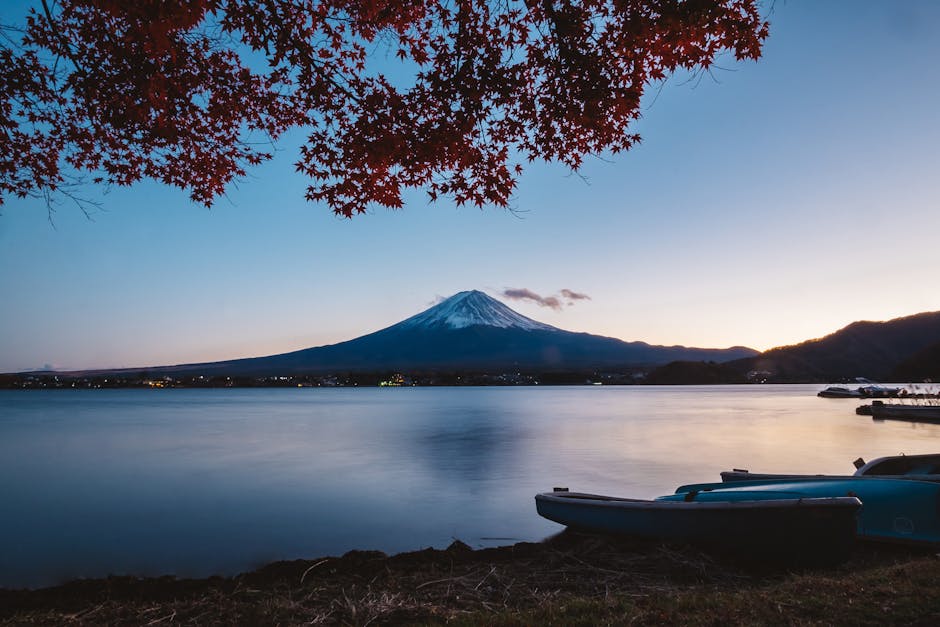
We took the bus back to Tokyo the next morning, and as the mountains shrank behind us and the city reassembled itself in the windows, I felt the particular melancholy of leaving a place you have fallen for. Kawaguchiko was twenty-four hours of our twenty-day trip. It may have been the best twenty-four hours — not because of any single spectacle but because the rhythm of the place was so different from everything before and after that it functioned as a reset. Japan at its quietest. Japan at its most gentle. A lake, an onsen, a bowl of noodles, and the person you love. That is enough.
When to go: October to November for autumn colour around the lake. Cherry blossom season (mid-April) is the postcard. Summer is busy and hot. Winter is cold but the onsen compensates. We went in late September and the balance of warm days and cool evenings was perfect.