japan travel guide
Japan in 20 Days — Tokyo, Fuji, Kyoto & Osaka for Couples
The complete itinerary Lia and I followed across 20 days in Japan — eight days in Tokyo, a night under Mt. Fuji, five days in Kyoto's temples, and six days eating our way through Osaka. Every hotel, restaurant, and timing tip, tested as a couple.
20
Days planned
15+
Recommendations
2025
Last updated
10K+
Downloads
Why you need this
Stop planning. Start travelling.
You could spend 40+ hours digging through blog posts, forums, and outdated TripAdvisor reviews — cross-referencing opening hours, piecing together transport connections, and hoping the restaurant someone recommended in 2019 is still open. Or you could follow a route that's already been walked, tested, and refined by someone who does this for a living.
Tested Routes
Every route driven, every connection timed, every transfer tested. Not theory — experience.
Handpicked Stays
Boutique hotels, family guesthouses, and locally-owned places I've slept in myself. No affiliate deals.
Crowd-Free Timing
Arrive before the buses, take the back entrance, visit on the right day. Timing tips at every stop.
Local Restaurants
Street stalls to fine dining — what to order, when to go, and the places tourists never find.
What's inside
20 days, planned down to the detail
- 20-day route across Tokyo, Mt. Fuji, Kyoto & Osaka — tested as a couple
- 5 handpicked hotels from boutique art-hotels to lakeside ryokans
- Where to eat in every city — izakayas, street food, and the restaurants locals actually go to
- Theme park strategy: Disney, DisneySea & Universal Studios without the stress
- Practical logistics: Suica cards, shinkansen booking, pocket WiFi & luggage tips
Beyond the itinerary
Curated recommendations for every part of your trip
The full guide includes more than a day-by-day plan. You'll also get a complete set of curated lists — the places I'd send a friend, organized by category so you can mix, match, and make the trip your own.
Hotels & Stays
Boutique hotels, ryokans, guesthouses & Airbnbs — every one personally vetted.
Restaurants
Street stalls to fine dining, with what to order, when to go & price range.
Neighborhoods
Where to base yourself, where to wander & the areas most visitors miss.
Activities & Tours
Cooking classes, walking tours, cultural experiences & off-the-beaten-path excursions.
Bars & Nightlife
Cocktail bars, izakayas, rooftops & the local spots where the night comes alive.
See exactly what you're buying
Below is the actual guide content for the first three days — not a summary, not a teaser, the real thing. The same level of detail, the same specific recommendations, the same voice. If you like what you read here, the full 20-day guide is more of exactly this.
Japan is the country that taught me precision matters. Not in the rigid, overthought sense — in the sense that arriving at Fushimi Inari at 8am instead of 11am is the difference between walking the torii gates hand-in-hand and shuffling through a crowd of selfie sticks. That the ryokan you book at Kawaguchiko determines whether you see Mt. Fuji from a private onsen or from a car park. That wearing kimonos together for a tea ceremony in Kyoto can turn an afternoon into a memory you both carry for years. Lia and I learned all of this the slow way — by living it across twenty days, in four cities, through every mistake and accidental discovery a couple can make in Japan.
Lia and I spent twenty days in Japan in September 2025, and this guide is everything we learned — distilled into the itinerary we wish someone had handed us before we landed at Narita. Every hotel we slept in, every restaurant we ate at, every train we caught. It is designed for couples: the pacing accounts for two people who want to share the experience rather than race through a checklist, the hotels are chosen for romance and comfort, and the food picks assume you want to sit across from each other at a counter watching a chef work, not eat a convenience store onigiri standing up. If you are traveling Japan as a pair, this is the trip.
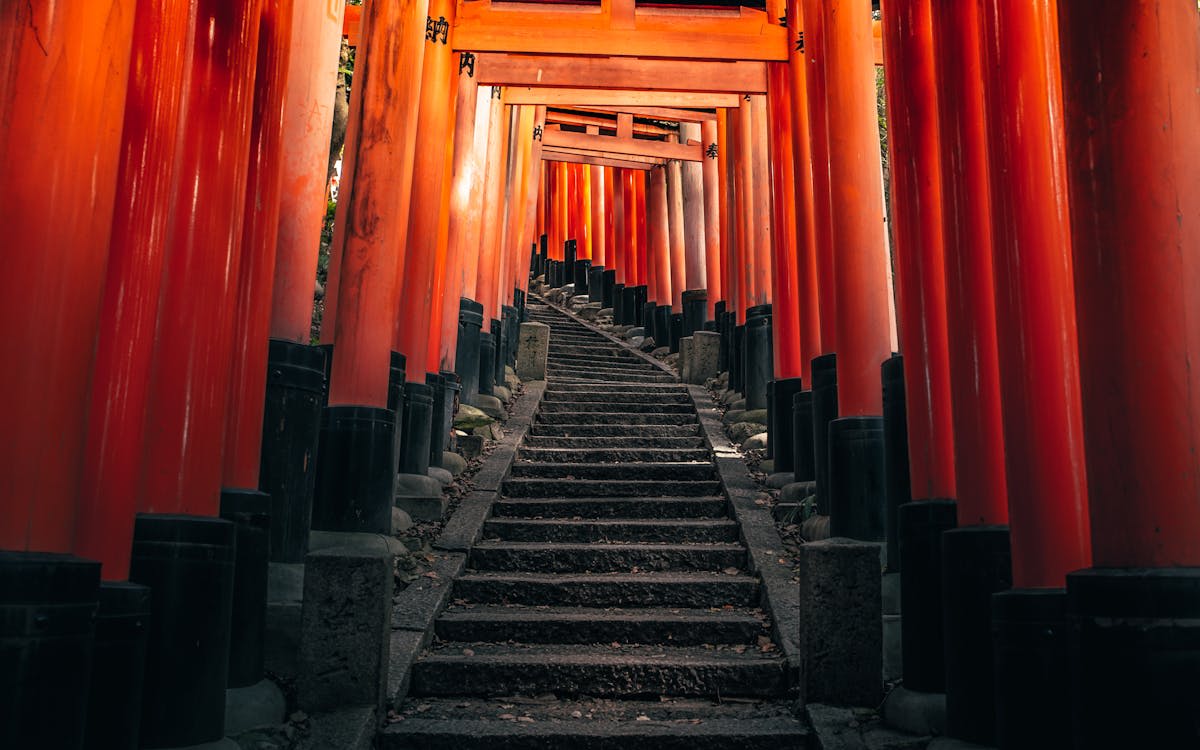
Fushimi Inari at 8am — the guide tells you exactly when to arrive to have this moment with just the two of you
What’s in the full guide
- Complete 20-day route across Tokyo (8 days), Mt. Fuji (1 night), Kyoto (5 days) & Osaka (6 days) — designed for couples
- 5 handpicked hotels — from art-hotels in Tokyo to a lakeside ryokan with private onsen at Mt. Fuji
- Restaurant picks in every city — izakayas, street food stalls, ramen shops, and the places we actually went back to
- Bars & nightlife — Golden Gai, Pontocho Alley, Dotonbori at night, and the tiny bar in Gion we stumbled into
- Neighbourhood guides — Asakusa, Shinjuku, Higashiyama, Namba, and why your hotel location changes everything
- Theme park strategy — Disney, DisneySea & Universal Studios with timing tips, Express Pass advice, and what to skip
- Crowd-avoidance strategies — Fushimi Inari at 8am, Arashiyama Bamboo Grove at 8:30am, and Kiyomizu-dera before 9am
- Complete logistics — Suica cards, shinkansen tips, pocket WiFi, luggage forwarding, and the three Japanese phrases that matter
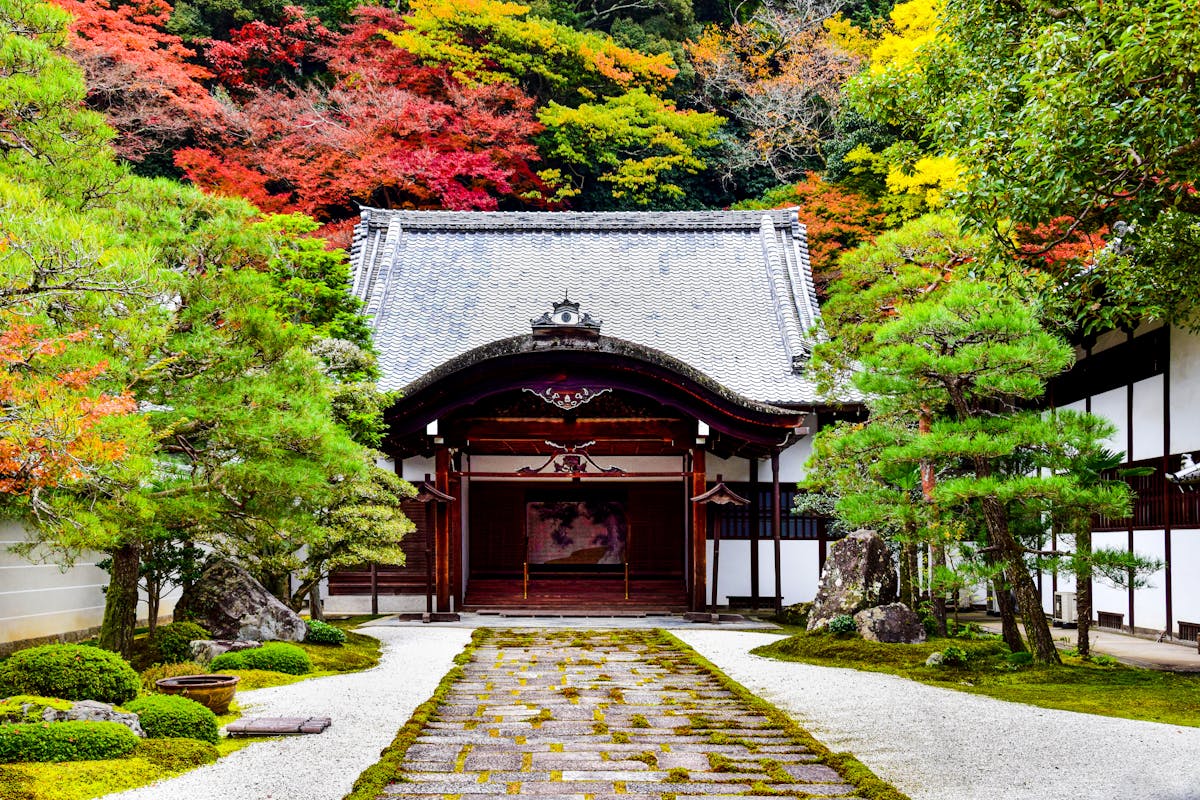
The kind of place this guide leads you to — temples at the hour when it is just the two of you and the silence
Japan 20-Day Packing Checklist
Tap items as you pack — progress saves automatically
Documents & Money
- Passport — check validity 6+ months
- Credit/debit card — notify bank of Japan travel
- Cash (yen) — ¥30,000+ for first few days
- Travel insurance printout
- Passport copies — digital + paper
Tech & Connectivity
- Pocket WiFi / eSIM — pre-order, collect at Narita
- Power adapter — Japan uses Type A (US-style)
- Power bank — 20,000mAh for long days
- Phone charger + cable
- Camera + SD cards — Japan is relentlessly photogenic
Clothing (20 days, mix & match)
- Light layers — temples are cold, trains are warm
- Comfortable walking shoes — 15,000+ steps daily
- Slip-on shoes — temples require shoe removal
- Compact rain jacket or umbrella
- Clean socks — you’ll show them in temples & ryokans
- One nice outfit — for ryokan dinner & fancy spots
Japan Essentials
- Suica/Pasmo card — buy at Narita, Day 1
- JR Pass voucher — if purchasing, buy before departure
- Small hand towel — many bathrooms lack paper towels
- Small day bag — coin lockers for big bags
- Reusable bag — plastic bags cost ¥5 everywhere
- Basic meds — ibuprofen, plasters, stomach relief
Free Preview — Days 1 to 3
Land at Narita, 11:25amSuica card & Sky Access ExpressHotel check-in, AsakusaSenso-ji & Nakamise-doriAmeyoko Market & izakaya dinner
Day 1 route — Narita Airport → Asakusa → Senso-ji → Ameyoko Market → Shinobazu Pond
Arrival — Early Afternoon
We touched down at Narita at 11:25am, bleary-eyed and wired with the particular excitement that comes from landing in a country you have dreamed about. Immigration was fast. The luggage carousel was faster. And then we did the first thing this guide will tell you to do: buy a Suica card from the machines in the arrivals hall. Tap the English button, load ¥3,000 onto it, and you have just unlocked every train, bus, convenience store, and vending machine in the country. It is the single most useful thing you will carry in Japan.
Take the Sky Access Express from Narita to Asakusa — about 58 minutes, ¥1,372 per person. Not the Narita Express, which takes you to Tokyo Station and costs more. The Sky Access drops you directly in Asakusa, which is where you want to be on day one. The train is clean, quiet, and on time to the second. Lia fell asleep against my shoulder somewhere around Narita-Yukawa. I watched the rice paddies give way to suburbs give way to the Tokyo skyline. By the time we pulled into Asakusa Station, we were in Japan.
Where to stay
Asakusa Kaminarimon Takenoyado
A small, beautifully designed hotel two minutes from Kaminarimon Gate. The rooms are compact — this is Tokyo — but the tatami touches, the cedar-scented bathroom, and the view of the Skytree from the upper floors make it feel like a place, not just a room. Perfect for a couple’s first night in Japan. We checked in, dropped our bags, and were out the door in ten minutes.
Drop your bags and get moving. The jet lag wants you to sleep. Do not listen. Asakusa in the afternoon light is the antidote — the scale of Senso-ji, the noise of Nakamise-dori, the smell of freshly grilled senbei. Your body does not know what time it is, and that is exactly the state in which Tokyo should first be experienced.
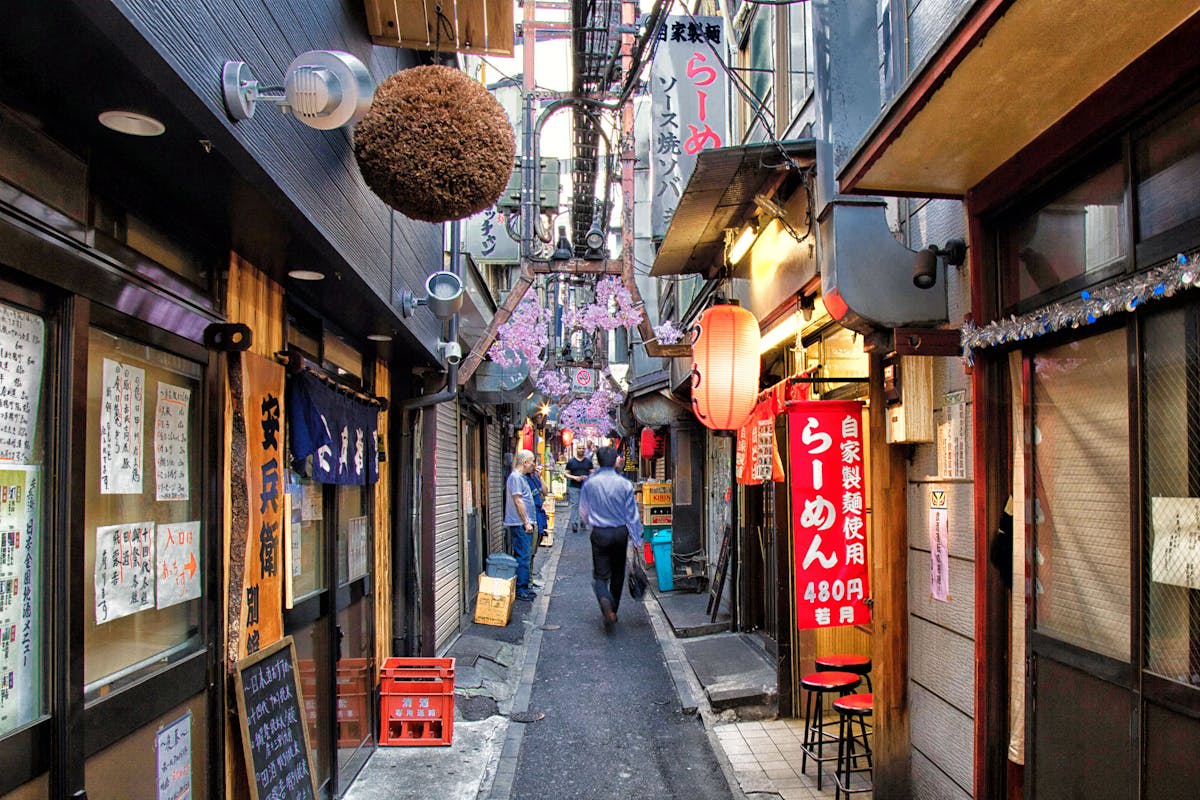
Asakusa in the late afternoon — lanterns glowing, incense drifting from Senso-ji, and the Skytree watching over everything
Afternoon — Senso-ji & Nakamise-dori
Walk to Kaminarimon — the Thunder Gate — and through the Nakamise-dori shopping street that leads to Senso-ji temple. The street is lined with stalls selling everything from handmade chopsticks to matcha ice cream, but the thing to eat here is taiyaki — a fish-shaped cake filled with sweet red bean paste, grilled to order, crisp on the outside and molten inside. Lia and I bought one each and ate them walking, which is technically bad manners in Japan but forgivable on your first day when the smell is impossible to resist.
Senso-ji itself is Tokyo’s oldest temple, founded in 645 AD, and it is magnificent even in the afternoon crowds. Buy a fortune slip for ¥100 — if you get a bad one, tie it to the metal rack and leave the bad luck behind. Lia got a great blessing. I got a curse. She has not let me forget this.
What to see
Senso-ji Temple
Tokyo’s oldest and most visited temple. Walk through the massive Kaminarimon gate, browse Nakamise-dori, and stand in the incense smoke at the main hall. The five-storey pagoda is best photographed from the left side of the courtyard in afternoon light. Free to enter, always open.
Pierre’s note
Buy a taiyaki from the stall just past the second lantern on Nakamise-dori — the one with the queue. The red bean filling is made fresh each morning, and they grill to order. ¥200 for something that made Lia close her eyes mid-bite. That is the review.
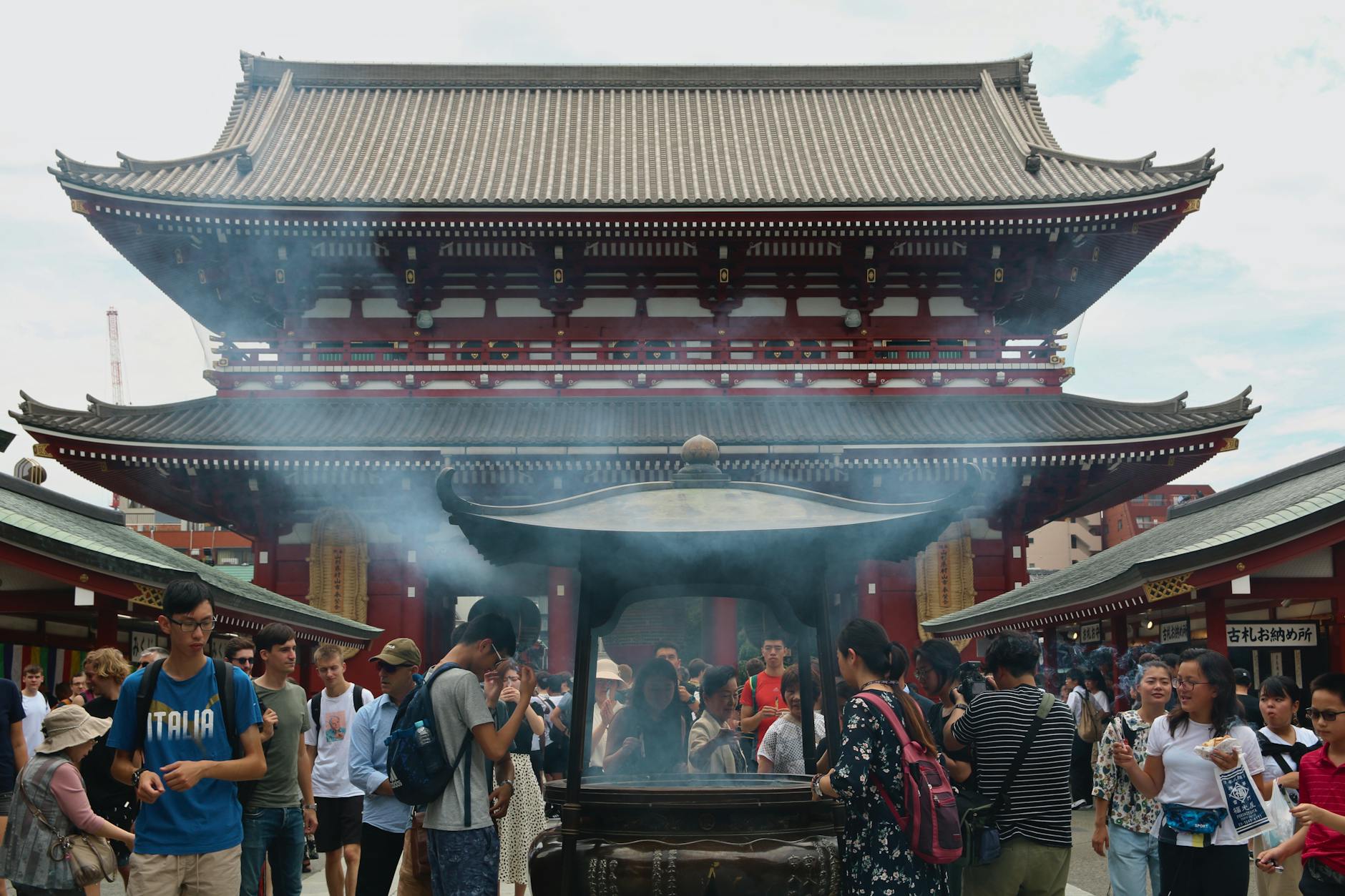
Kaminarimon — the Thunder Gate that marks the entrance to Senso-ji and the beginning of everything you came to Tokyo for
Evening — Ueno & Ameyoko Market
Take the Ginza Line from Asakusa to Ueno — five minutes, ¥180. Step out into the controlled chaos of Ameyoko Market, a dense, loud, wonderful strip of stalls crammed under the JR tracks. The vendors shout prices, the seafood is piled on ice, and the energy is the opposite of everything serene you just experienced at Senso-ji. This is the other side of Tokyo — raw, commercial, alive.
Walk the full length of the market, then find an izakaya on one of the side streets. The kind with plastic food models in the window and a curtain across the door. Sit at the counter, order yakitori — chicken thigh, chicken skin, tsukune meatballs — and a cold Asahi draft. Point at the menu if you need to. The cook will nod. This is dinner.
Where to eat
Izakaya dinner near Ameyoko
Any izakaya on the side streets off Ameyoko with a counter and a grill. Order yakitori skewers — negima (chicken and leek), kawa (crispy skin), tsukune with raw egg for dipping — plus edamame, a cold beer, and a small plate of pickles. Lia ordered a highball and the cook gave her an approving nod. We were in.
After dinner, walk back toward Shinobazu Pond in Ueno Park. At night the lanterns around the pond glow softly over the lotus leaves, and the Bentendo temple on its small island is lit from below. It is quiet here — a pocket of stillness ten minutes from the market chaos. Lia and I sat on a bench for twenty minutes and said very little. The jet lag was catching up. The city was enormous and gentle at the same time. We walked back to Asakusa and slept the sleep of the newly arrived.
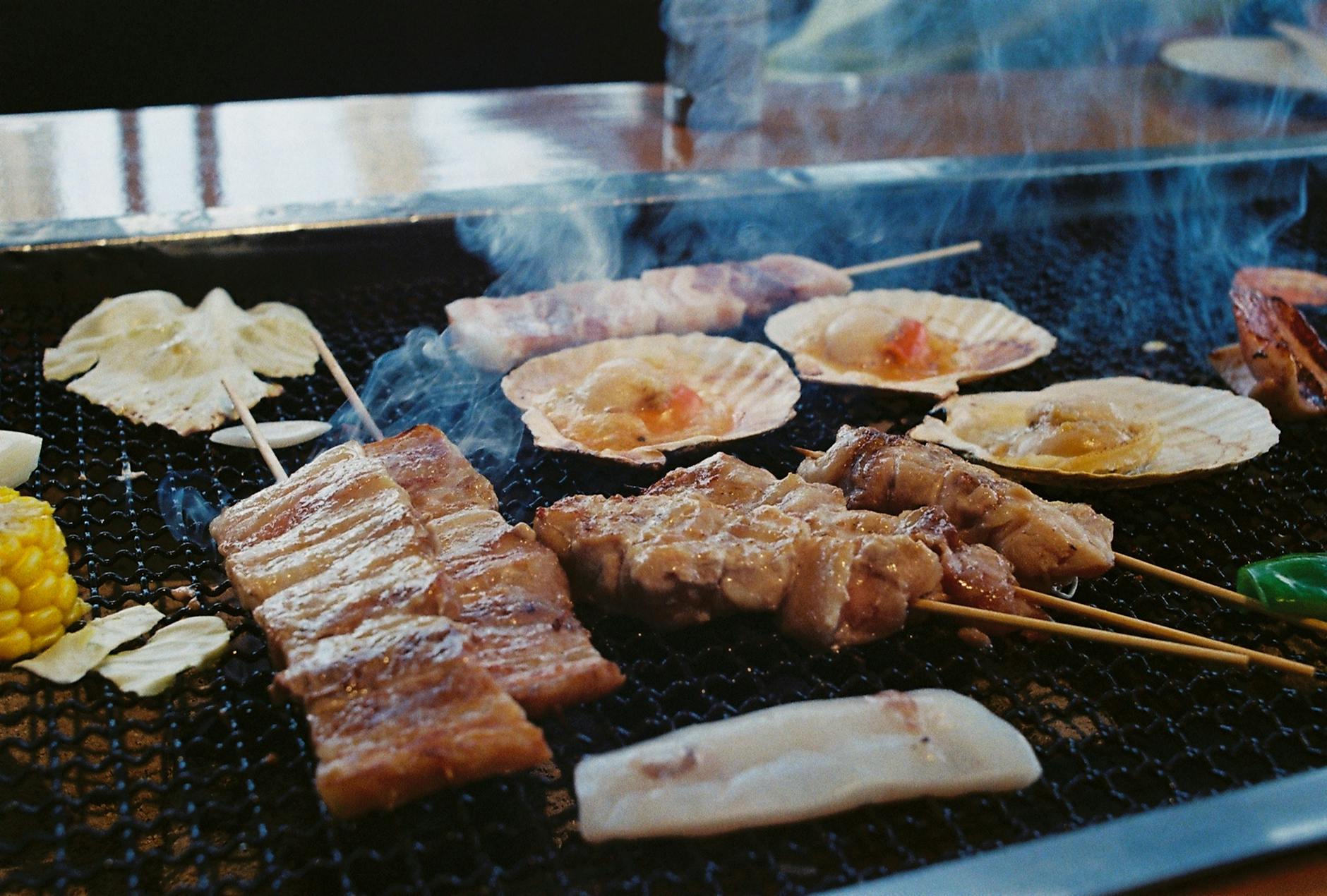
Yakitori at the counter — chicken thigh, crispy skin, tsukune dipped in raw egg, and a cold Asahi that earns its place in the memory
Pierre’s note
Do not fight the jet lag on night one. Surrender to it. You have nineteen more days. Tonight is about arrival — the incense at Senso-ji still on your jacket, the taste of yakitori still on your lips, and the person next to you experiencing all of it for the first time alongside you. That is enough for one day.
Check out AsakusaAkihabara arcades & retro gamesKanda Yabu Soba lunchShinjuku observation decksShinjuku Gyoen gardenGolden Gai & Omoide Yokocho
Day 2 route — Akihabara → Super Potato → Kanda Yabu Soba → Shinjuku Gyoen → Golden Gai → Omoide Yokocho
Morning — Akihabara
Check out of Asakusa and store your bags at the hotel or a coin locker. Take the Tsukuba Express from Asakusa to Akihabara — about five minutes, and you emerge into a completely different Tokyo. Akihabara is neon at noon, eight-storey buildings plastered with anime characters, and the persistent beeping of arcade machines leaking out of every doorway. It is excessive and wonderful and nothing like the temple calm you left behind.
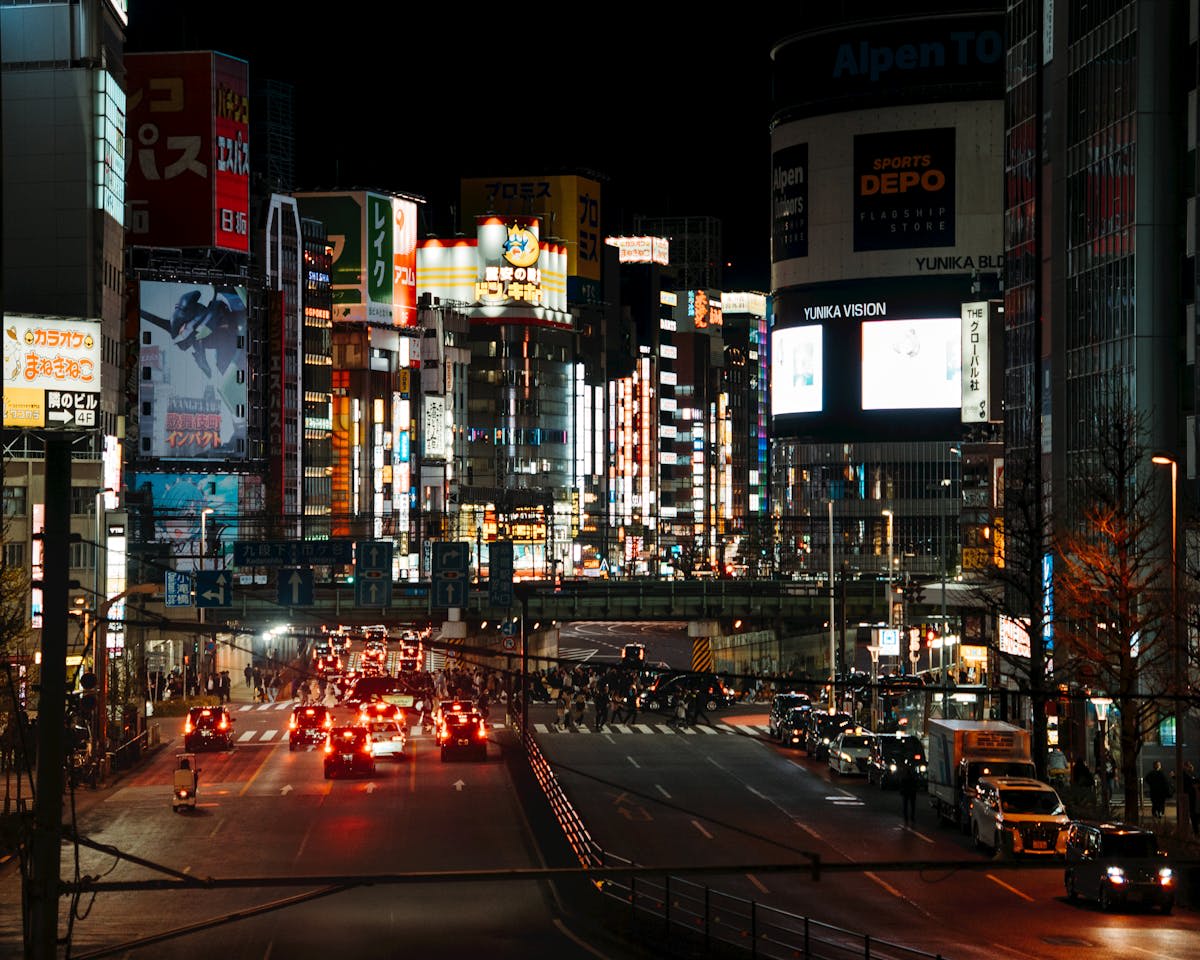
The neon side of Tokyo — Akihabara by day, Shinjuku by night, and the sensory overload that makes this city addictive
Start at Super Potato — a retro gaming store spread across multiple floors, packed with vintage consoles, cartridges, and arcade cabinets from the 1980s. The top floor has playable machines where you can drop ¥100 into a Street Fighter II cabinet and lose to a stranger. Then Mandarake for manga and collectibles, and Club Sega for the crane games that Lia became quietly obsessed with. She won a tiny stuffed Totoro on her third attempt. I spent ¥800 and won nothing. We do not discuss this.
What to see
Super Potato Retro Game Store
Five floors of gaming nostalgia — vintage Nintendo, Sega, and PlayStation consoles, rare cartridges, and a top-floor arcade with playable retro cabinets. Even if you are not a gamer, the sheer density of pop culture artefacts makes this worth thirty minutes. The crane game floor is dangerously addictive for couples.
Midday — Lunch at Kanda Yabu Soba
Where to eat
Kanda Yabu Soba
Operating since 1880, this is one of Tokyo’s three great soba houses. Order the zaru soba — cold buckwheat noodles served on a bamboo tray with a cup of dipping sauce. The noodles are made by hand each morning, and the simplicity is the point. Lia added tempura on the side. The room is tatami-floored and unhurried, a world away from Akihabara two blocks behind you.
Afternoon — Shinjuku
Take the JR Chuo Line from Kanda to Shinjuku — about fifteen minutes. First stop: the Tokyo Metropolitan Government Building. Take the elevator to the 45th floor observation deck. It is free, it is quiet on weekday afternoons, and on a clear day you can see Mt. Fuji. This is the view that makes the scale of Tokyo real — fourteen million people stretching to every horizon, and the mountain floating above the haze like a painting someone left in the sky.
Walk south to Shinjuku Gyoen — one of Tokyo’s finest gardens, and the reason you should not skip Shinjuku despite what the crowds around the station suggest. The ¥500 entry fee buys you Japanese, English, and French formal gardens, a greenhouse, and the kind of quiet that makes you forget you are standing in the centre of the largest metropolitan area on Earth. Lia and I sat on the grass near the Japanese garden pond for an hour and watched turtles. Sometimes the best thing to do in a city this intense is nothing at all.
What to see
Shinjuku Gyoen National Garden
Fifty-eight hectares of gardens in three styles — Japanese traditional, English landscape, and French formal. The Japanese garden with its pond and tea house is the highlight. No alcohol allowed, no loud music, no drones. Just green space, clean paths, and couples sitting on the grass watching the afternoon light shift across the water.
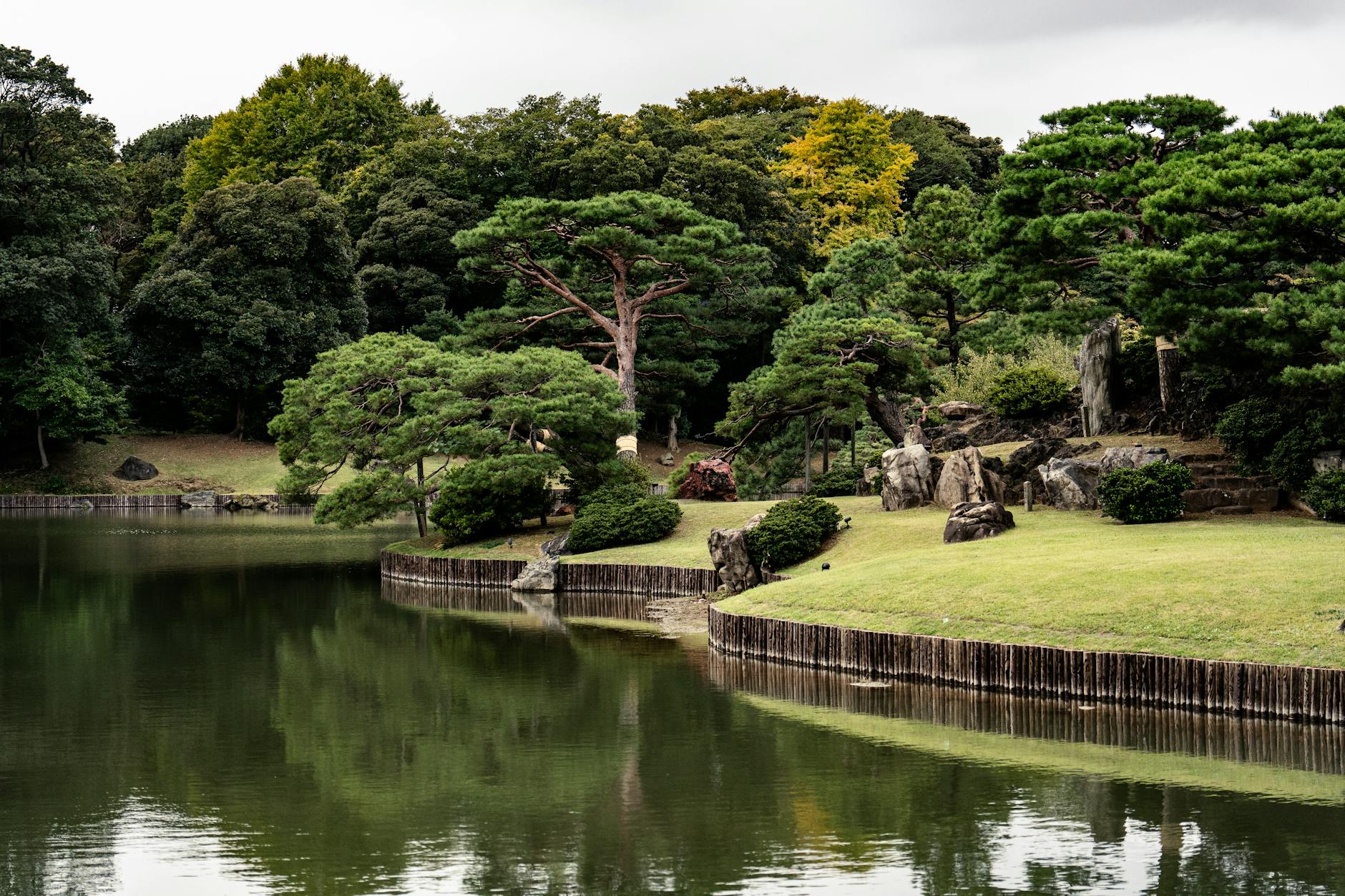
Shinjuku Gyoen — fifty-eight hectares of quiet in a city of fourteen million, and the reason you should never skip Shinjuku
Evening — Golden Gai & Omoide Yokocho
Check in to your Shinjuku hotel, shower, change, and head out for the evening. Tonight is about two of Tokyo’s most atmospheric drinking streets, both within walking distance of the station.
Where to stay
Hotel Petit Bali Higashishinjuku
A quirky boutique hotel with Balinese-inspired design in a quiet pocket of East Shinjuku. The rooms are larger than most Tokyo hotels, the bed is excellent, and the location puts you within walking distance of Golden Gai without being in the noise. Good value for couples who want character without the capsule hotel experience.
Start at Golden Gai — five narrow alleys crammed with over two hundred tiny bars, each seating four to eight people. The protocol: look for a bar with an open door and an empty seat. Some charge a cover — typically ¥500 to ¥2,000. Some do not. We found Bar Albatross, which has a ¥2,000 cover but earns it with excellent cocktails, a chandelier in a room the size of a closet, and a bartender who asked where we were from and then made us something off-menu with yuzu and whisky.
Where to drink
Bar Albatross — Golden Gai
A chandelier, eight seats, and cocktails made with the precision of a chemistry experiment. The cover is ¥2,000 per person (cash only), but it includes your first drink. Ask for the yuzu whisky sour if they offer it. Lia ordered a gin gimlet and the bartender spent three minutes on it. Golden Gai rewards sitting still and letting the conversation happen.
After Golden Gai, walk to Omoide Yokocho — Memory Lane — on the other side of Shinjuku Station. Tiny yakitori bars line narrow alleys filled with charcoal smoke. Sit at a counter, order chicken skewers and a beer, and watch the grill master work. The alleys are narrow enough to touch both walls. The smoke is thick enough to taste. This is where you end day two — full, slightly tipsy, and completely in love with Tokyo.
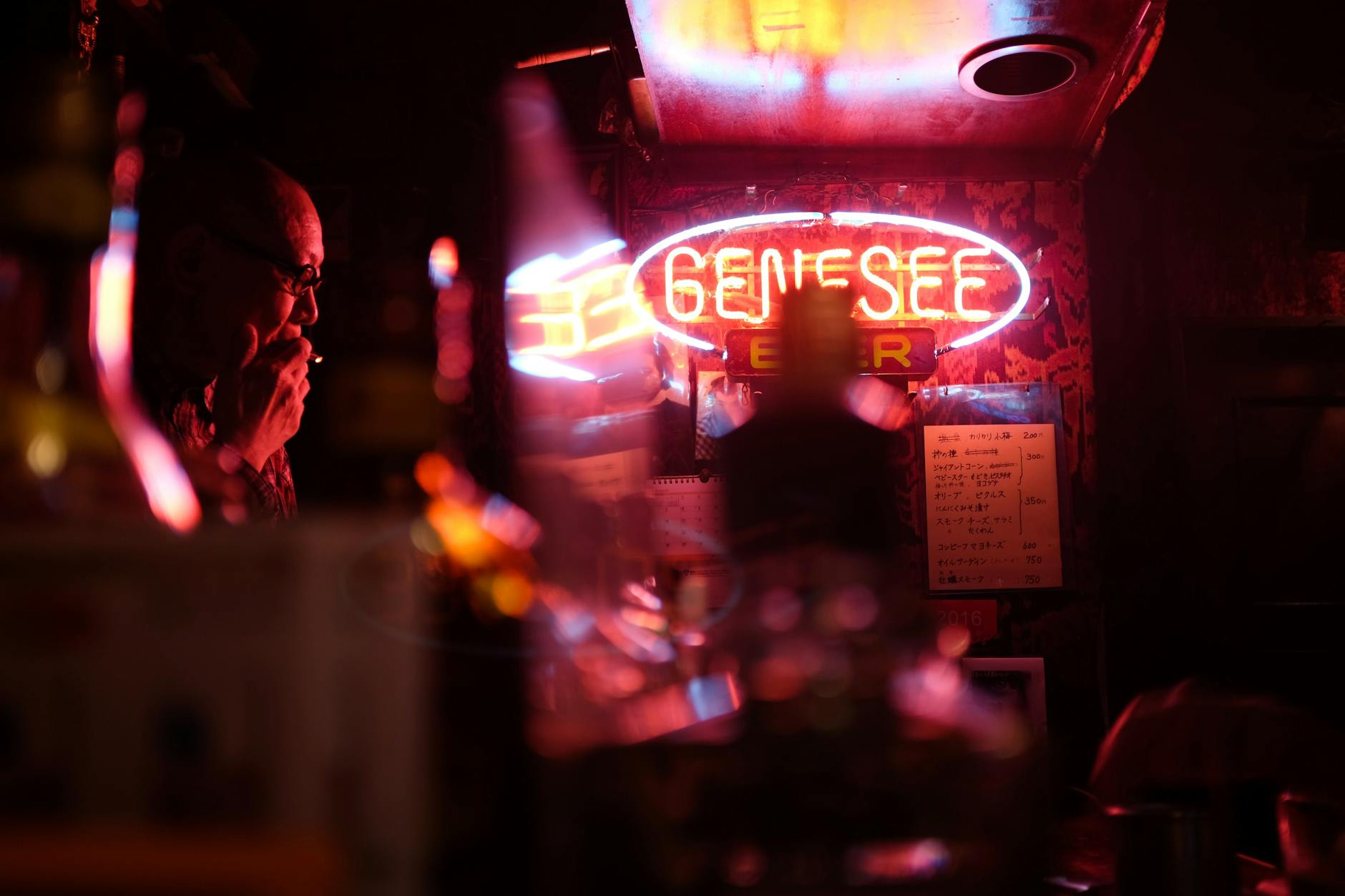
Golden Gai — two hundred bars, eight seats each, and the kind of night that only happens when you stop planning and start wandering
Where to eat
Omoide Yokocho — any counter with smoke
Pick a stall with an open seat and a grill going. Negima (chicken and leek), tsukune, and chicken skin skewers with tare sauce. A cold Asahi from the fridge. Total damage: under ¥2,000 for two. The cook has been doing this for decades. You are eating dinner in someone’s life’s work.
Pierre’s note
Golden Gai is cash only. Omoide Yokocho is cash only. Most small bars in Shinjuku are cash only. Hit a 7-Eleven ATM before you go out — your international card will work, and withdrawals are free on most networks. Carry at least ¥5,000 each for the evening. Japan is more cash-dependent than you expect, especially in the places worth going.
Tsukiji Outer Market at 9amSushi Zanmai nigiri setShibuya Crossing & DogenzakaMeiji Jingu shrineYoyogi ParkNonbei Yokocho nightcap
Day 3 route — Shinjuku → Tsukiji Market → Shibuya Crossing → Meiji Jingu → Yoyogi Park → Nonbei Yokocho
Morning — Tsukiji Outer Market
The wholesale market moved to Toyosu years ago, but the outer market at Tsukiji remains, and it is magnificent. Arrive by 9am — late enough that the stalls are fully open and the griddles are hot, early enough that you are ahead of the tour groups. The tamagoyaki vendors are flipping sweet omelettes on long rectangular pans, seafood skewers sizzle on charcoal, and the air smells like grilled scallops and roasted green tea.
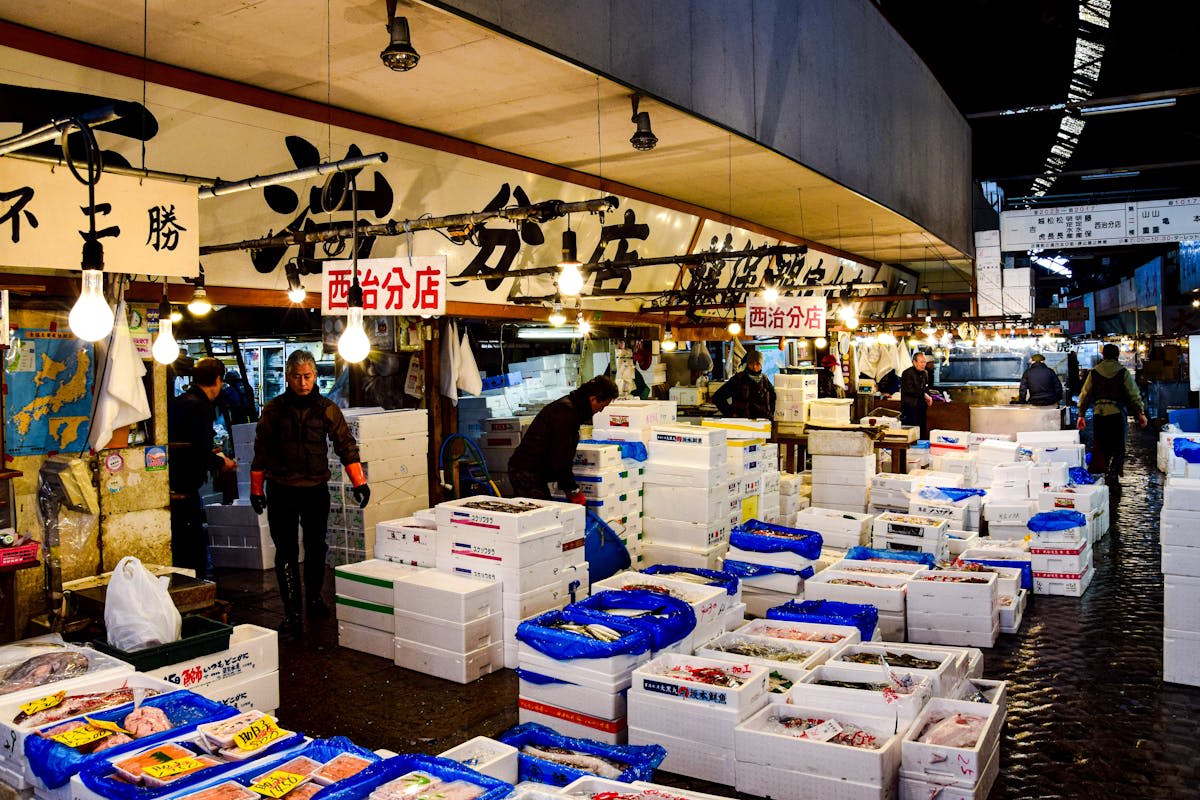
Tsukiji Outer Market at 9am — the seafood breakfast that ruins every other breakfast for the rest of your life
Walk the market first without buying. Get the lay of the land — the tamagoyaki stalls, the grilled seafood vendors, the shops selling Japanese knives that cost more than your flight. Then double back and eat. A stick of grilled squid here. A tamagoyaki omelette there. A cup of fresh uni if you are feeling bold. Lia and I grazed for forty-five minutes before sitting down for the real meal.
Where to eat
Sushi Zanmai — Tsukiji
Skip the three-hour queue at Sushi Dai and go to Sushi Zanmai instead. Order the nigiri set — around ¥3,500 for a selection that includes tuna, salmon, sea bream, shrimp, and tamago, all cut to order from fish that was swimming yesterday. The rice is warm, the wasabi is freshly grated, and the chef works with the quiet intensity of someone who has made ten thousand of these and still cares about each one.
Pierre’s note
The tamagoyaki at Tsukiji is not just an omelette — it is a test of skill. Watch the vendor fold the egg in layers on the rectangular pan, building it up like a savoury crepe cake. Buy one sweet (dashi-flavoured) and one savoury. They cost ¥200 each and they are the best thing you will eat standing up in Japan. Lia preferred the sweet one. I will die on the hill that the savoury version is superior.
Midday — Shibuya
Take the Hibiya Line from Tsukiji to Shibuya — about twenty minutes. Emerge from the station and you are immediately at Shibuya Crossing, the most photographed intersection on Earth. Wait for the light to change. Watch two thousand people step off the kerb simultaneously from five different directions and somehow not collide. Then cross it yourself. It is better from inside than from above.
Walk up Dogenzaka toward the love hotels and the ramen shops — the two things Dogenzaka does better than anywhere else in Tokyo. Lunch is tsukemen at Dogenzaka Manmosu — thick noodles served cold with a rich, concentrated dipping broth on the side. You dip, you slurp, you understand why tsukemen has its own cult following separate from regular ramen.
Where to eat
Dogenzaka Manmosu — Tsukemen
Order from the vending machine outside — press the button for the standard tsukemen, feed in your coins, hand the ticket to the cook. The noodles are thick, chewy, and served cold on a plate. The dipping broth is hot, rich, and deeply savoury. When you finish the noodles, ask for soup-wari — they will thin the remaining broth with dashi so you can drink it. This is the move.
Afternoon — Meiji Jingu & Yoyogi Park
Take the Yamanote Line one stop from Shibuya to Harajuku. Walk through the towering torii gate into the forested approach to Meiji Jingu shrine. The gravel path crunches underfoot, the trees close in overhead, and within three minutes you have left the city entirely. This is the most impressive transition in Tokyo — from the sensory chaos of Harajuku to ancient forest silence in the length of a short walk.

The forested approach to Meiji Jingu — three minutes from Harajuku’s chaos to ancient stillness
At the main hall, buy a wooden ema tablet for ¥500 and write a wish. The tradition is Shinto — you write your prayer, hang it on the rack, and leave it for the kami. Lia and I each wrote one. I will not tell you what we wished for, but I will tell you that standing together at the rack, reading other people’s wishes in a dozen languages — health, love, exam results, world peace — is one of those small moments that stays with you longer than any landmark.
What to see
Meiji Jingu Shrine
Tokyo’s most important Shinto shrine, set in 170 acres of forest planted a century ago. The main hall is simple and powerful — cypress wood, copper roof, no ornamentation. Buy an ema tablet (¥500) to write a wish, or simply stand in the courtyard and feel the weight of a place where a city of fourteen million people comes to be quiet.
After the shrine, walk through Yoyogi Park. On weekends there are performers, musicians, and cosplayers. On weekday afternoons it is just couples on blankets, joggers on the paths, and the occasional dog walker with six small dogs on a single lead. Find a bench near the pond. Sit. You have earned the rest — three days of Tokyo, and you have barely scratched the surface.
Evening — Nonbei Yokocho
Head back to Shibuya for one last stop: Nonbei Yokocho — Drunkard’s Alley — a two-lane strip of tiny bars tucked behind the train tracks. It is Golden Gai’s quieter, less famous cousin, and for couples it is better — more intimate, less performative, and the bars are even smaller. Find one with two open seats, order a drink, and let the evening end slowly.
Where to drink
Nonbei Yokocho — Shibuya
Two narrow lanes of bars behind Shibuya Station, each seating four to six people. Cash only, covers range from free to ¥2,000. Less hectic than Golden Gai, more locals, and the kind of place where the bartender remembers your drink if you come back. We did not come back — we had seventeen more days and four cities ahead of us. But we wanted to.
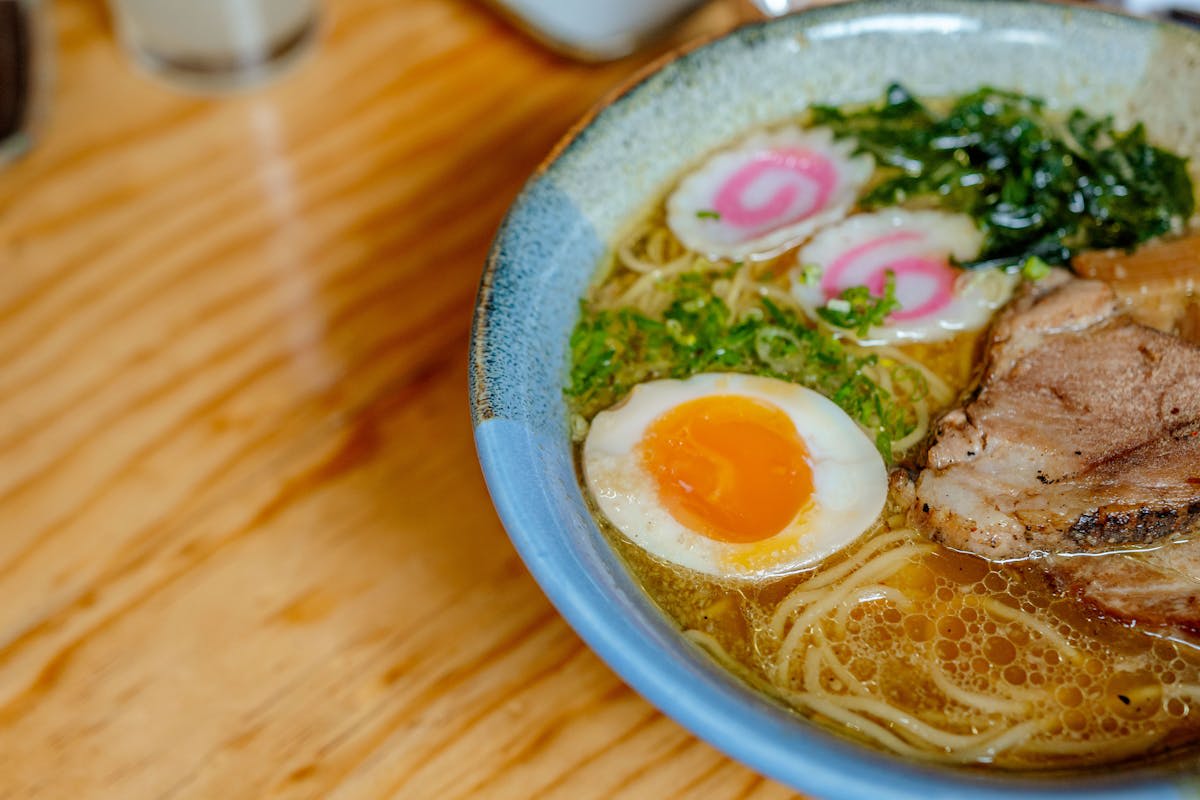
Late-night ramen in Shinjuku — the bowl that closes every good day in Tokyo
Pierre’s note
Tomorrow is Kawaguchiko — a night in a lakeside ryokan beneath Mt. Fuji. Pack tonight. The bus leaves from Shinjuku Expressway Bus Terminal at 9:00am, and it is worth being on time because the right side of the bus gives you the first glimpse of Fuji as you clear the city. Lia and I had our bags ready by the door. We set two alarms. Japan teaches you that precision is not rigidity — it is how you make sure you do not miss the things that matter.
Highway bus from ShinjukuLakeside ryokan check-inChureito Pagoda & 400 stepsLake Kawaguchiko walkHoto noodle dinner & evening onsen
Day 4 route — Shinjuku Bus Terminal → Kawaguchiko → Hotel Kasuitei Ohya → Chureito Pagoda → Lake Kawaguchiko → Hoto Fudo
Morning — Shinjuku to Kawaguchiko
The bus leaves from Shinjuku Expressway Bus Terminal at 9:00am sharp. Buy tickets the day before at the counter or book online — about ¥2,500 per person, two hours through increasingly green countryside until the city falls away entirely and the land opens up. Lia spotted Fuji first, through a gap in the clouds on the right side of the bus, and grabbed my arm hard enough to leave a mark. Nothing prepares you for it. You have seen photos your entire life, and then you see the real thing and understand that no photo has ever come close.
We arrived at Kawaguchiko Station around 11am. The air was different — cooler, thinner, carrying the faint mineral smell of the lake. A taxi to Hotel Kasuitei Ohya took ten minutes and cost about ¥1,200. The ryokan sits directly on the shore of Lake Kawaguchiko, and the view from the lobby stopped us both mid-step.
Where to stay
Hotel Kasuitei Ohya
A lakeside ryokan with private onsen baths, tatami rooms, and unobstructed views of Mt. Fuji across the water. The room came with yukata robes, futon bedding laid out while we were at dinner, and the kind of stillness that makes you forget the city you left three hours ago. The private onsen overlooking the lake at night is worth the entire trip to Kawaguchiko.
Afternoon — Chureito Pagoda
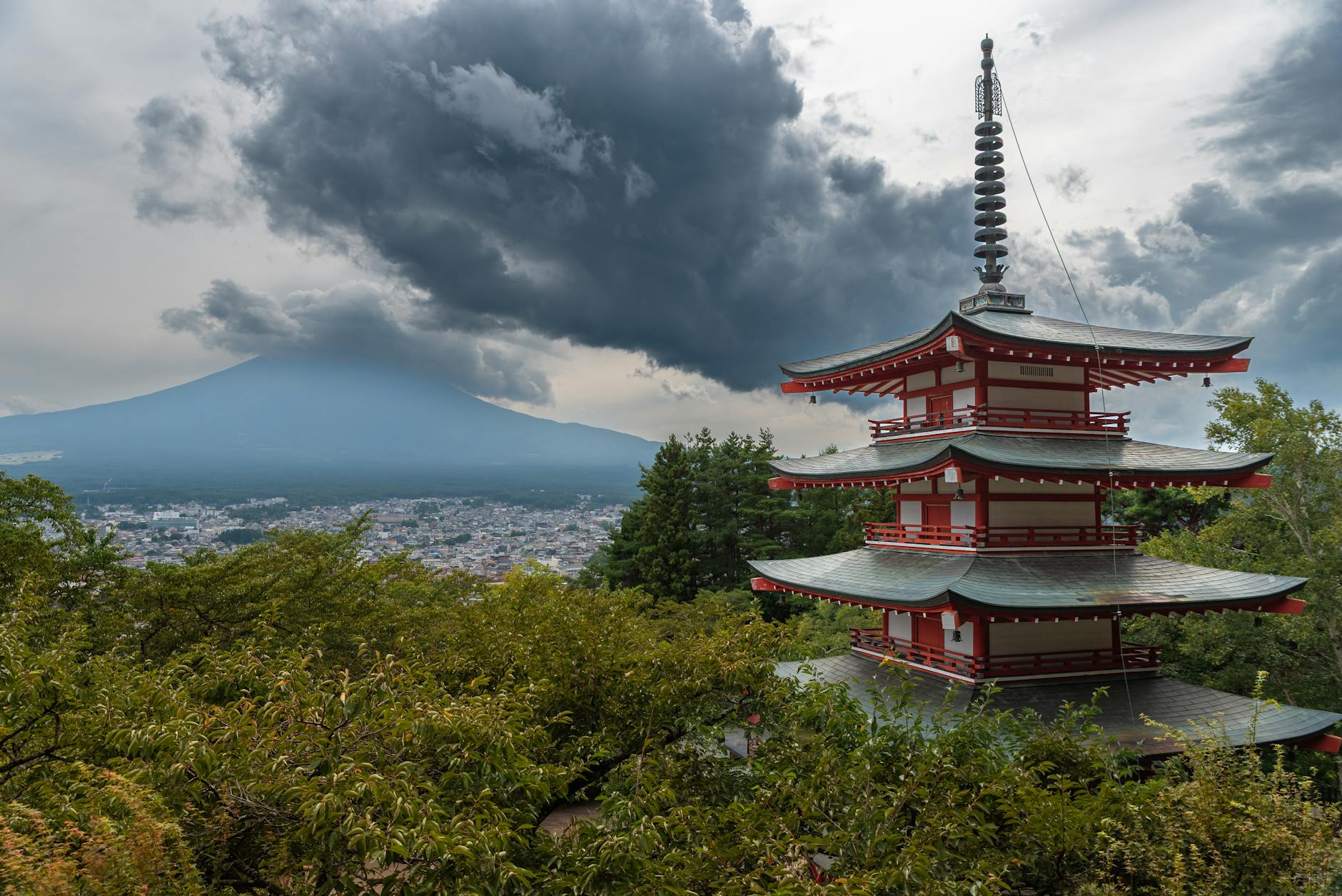
The Chureito Pagoda — four hundred steps up and the most photographed view in Japan waiting at the top
Take the Fujikyuko Line from Kawaguchiko to Shimoyoshida — fifteen minutes, ¥310. From the station, follow the signs to Arakura Fuji Sengen Shrine at the base of the hill. Then climb. Four hundred steps up through cedar trees to the Chureito Pagoda, a five-storey vermilion tower perched on the mountainside with Mt. Fuji filling the entire background. Lia counted every step. I pretended not to be out of breath. The view at the top erased both complaints instantly.
What to see
Chureito Pagoda
The iconic five-storey pagoda with Mt. Fuji behind it — one of the most photographed views in Japan. The 400-step climb is worth it even on a cloudy day, but aim for afternoon when the light hits Fuji from the west. The shrine at the base, Arakura Fuji Sengen, is beautiful in its own right and rarely crowded.
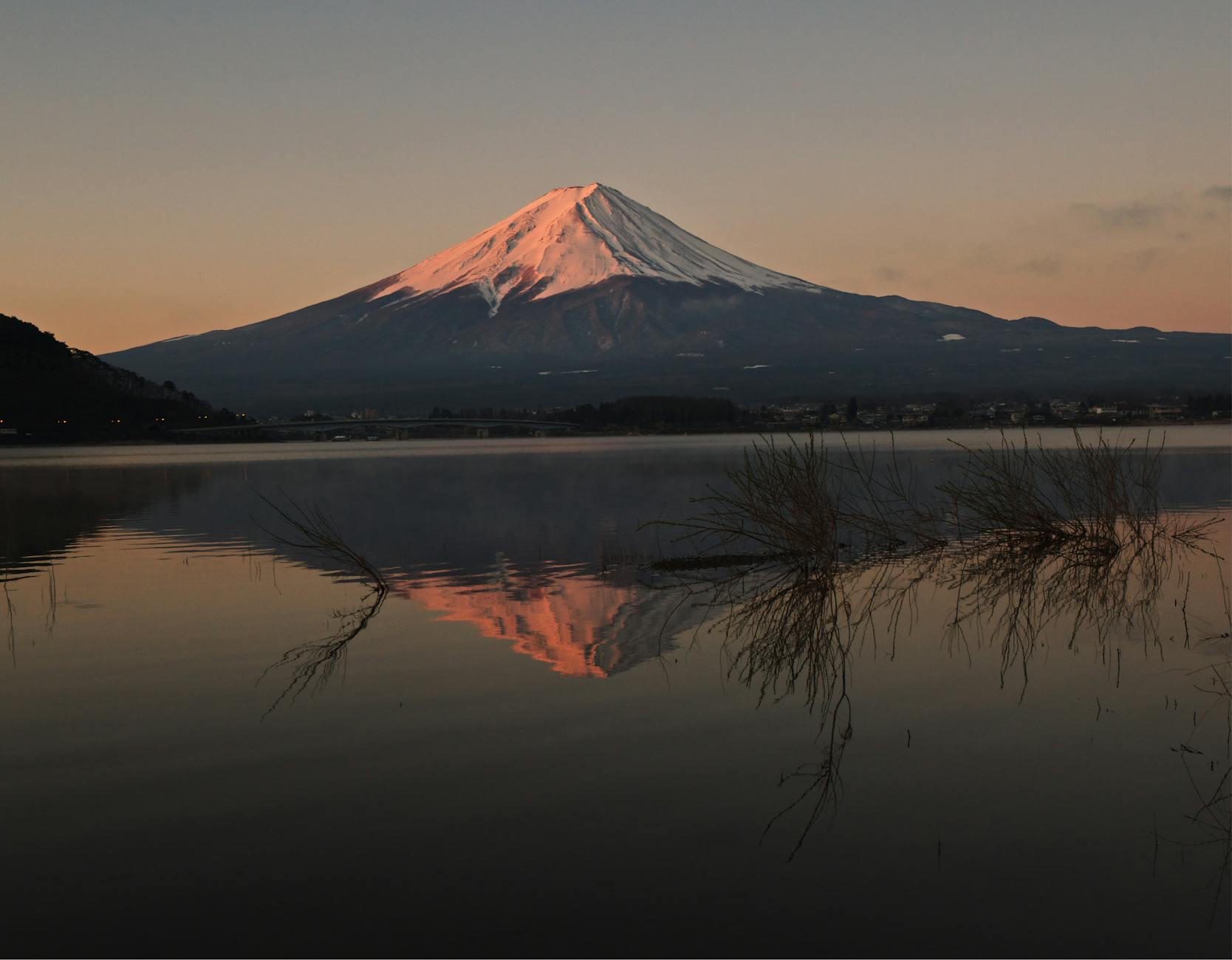
Lake Kawaguchiko at golden hour — Fuji reflected in the water, the silence broken only by the occasional splash of a koi
Evening — Lake Walk, Hoto Noodles & Onsen
Back at Kawaguchiko, walk along the lakeshore as the light softens. The ropeway is worth the ¥900 for panoramic views of the lake and Fuji together — ride up, take the photos, walk down if you want to stretch your legs. Dinner is hoto noodles — thick, flat wheat noodles simmered in a rich miso broth with pumpkin, mushrooms, and root vegetables. It is the regional specialty and it is perfect after a day of climbing. We ate at a small shop near the station where the bowls were the size of serving platters and the broth warmed us from the inside out.
Where to eat
Hoto Fudo — Kawaguchiko
The regional hoto noodle dish served in an iron pot — flat noodles, miso broth, pumpkin, taro, and mushrooms simmered until everything is tender and the broth has thickened. One pot is enough for two if you order a side of tempura vegetables. The pumpkin melts into the broth and sweetens it. Lia declared it the best soup she had ever eaten, and she is French by adoption at this point, so that means something.
After dinner, back to the ryokan for the private onsen. The protocol: wash thoroughly at the shower station first, then lower yourself into the hot mineral water. The outdoor bath faces the lake. Fuji was invisible in the dark, but you could feel it there — the mass of it, the silence of it. Lia and I sat in the water for forty minutes and said almost nothing. Some moments do not need narration.
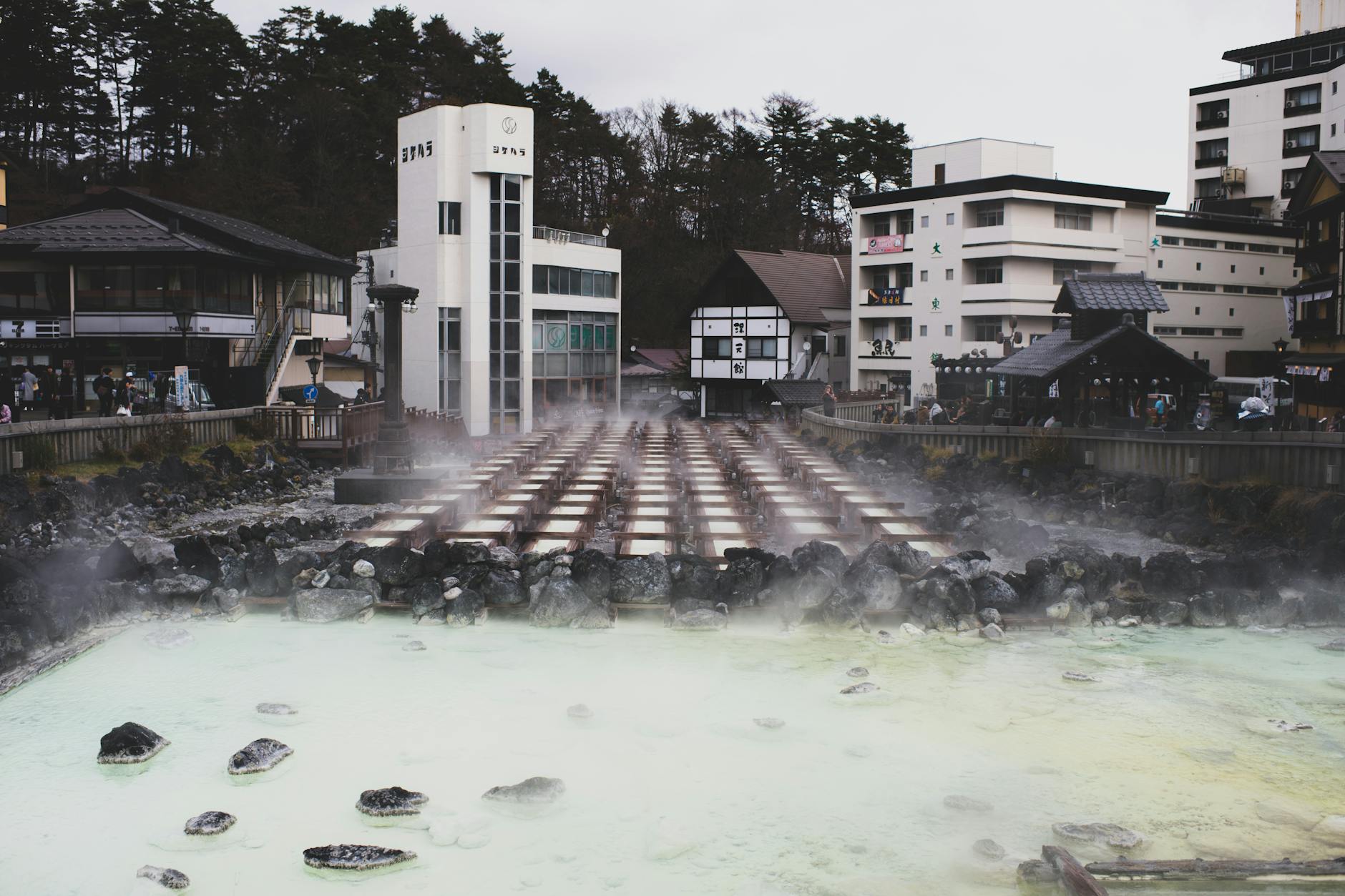
The ryokan onsen — mineral water, cedar walls, and the kind of silence that teaches you what rest actually feels like
Pierre’s note
Fuji is shy. She hides behind clouds more often than not, especially in the afternoon. If you wake up and the sky is clear, go outside immediately — the mountain is often visible at dawn and then disappears by mid-morning. We got lucky with a clear afternoon, but I have heard from enough travellers who saw nothing but cloud to know: do not save your Fuji viewing for later. Take every clear moment you get.
Bus back to Tokyo StationRamen Street lunchImperial Palace East GardenGinza shopping districtRoppongi hotel & Mori Garden at night
Day 5 route — Tokyo Station → Ramen Street → Imperial Palace East Garden → Ginza → Roppongi / Mori Garden
Morning — Return to Tokyo
Check out of the ryokan after breakfast — and the breakfast here deserves mention: grilled fish, miso soup, pickled vegetables, rice, and tamagoyaki, all served on lacquerware in your room. It is the kind of breakfast that makes you wonder why the rest of the world settled for toast. Take the highway bus back to Tokyo Station, about two hours, and arrive hungry enough for what comes next.
Tokyo Station’s basement floor hides Ramen Street — a corridor of eight ramen shops, each specialising in a different regional style. We went to Rokurinsha for their tsukemen, but the tonkotsu at Soranoiro and the shoyu at Hakata Ippudo are equally excellent. About ¥1,500 per bowl. Eat at the counter, slurp without apology, and leave fortified for an afternoon of walking.
Where to eat
Ramen Street — Tokyo Station B1F
Eight of Tokyo’s best ramen shops in a single basement corridor. Rokurinsha’s tsukemen has the longest queue for a reason — the dipping broth is thick enough to coat the noodles in a single pass. But every shop here is excellent. Pick the shortest line if you are impatient; pick Rokurinsha if you are not. Either way, you win.
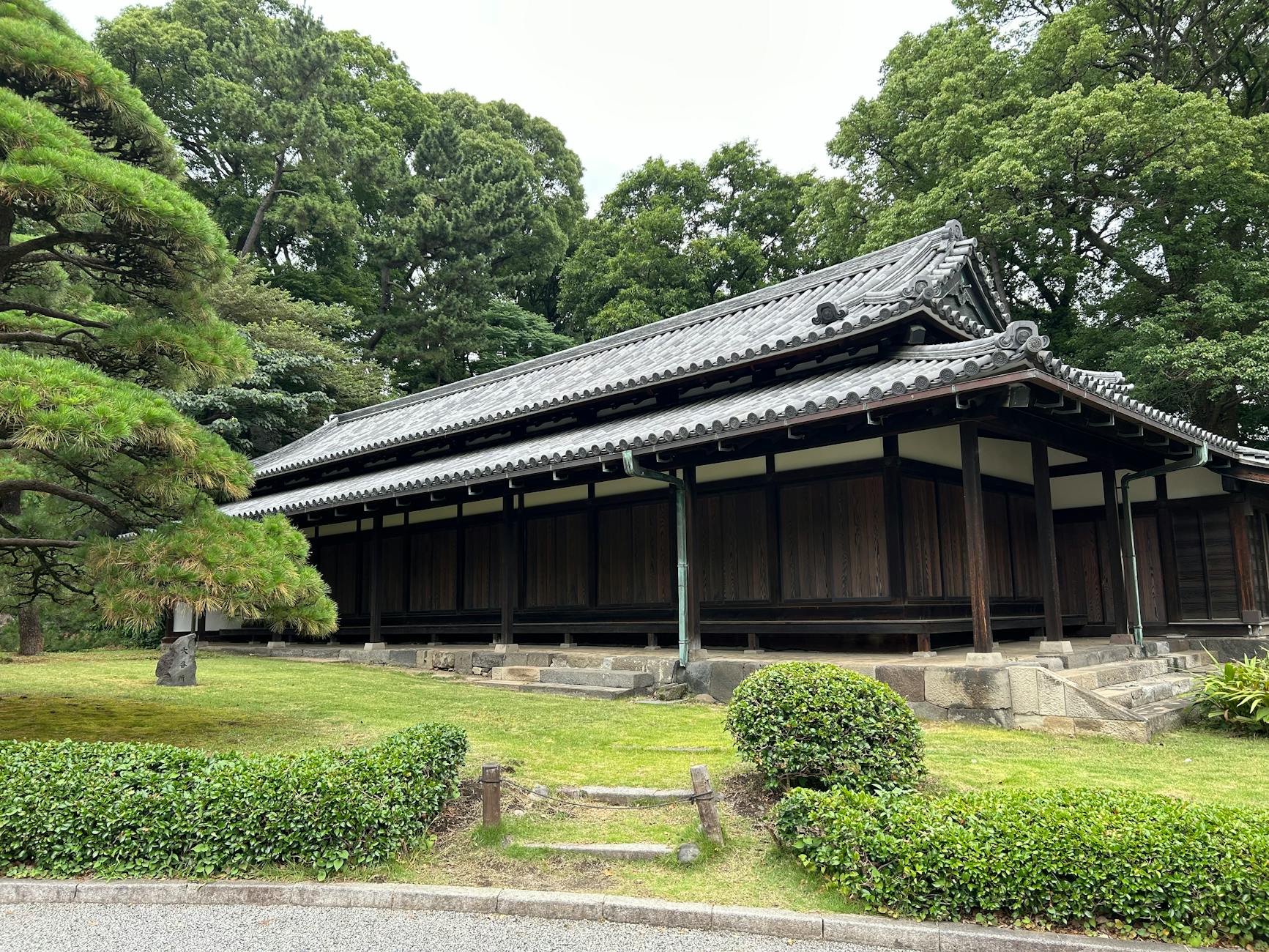
The Imperial Palace East Garden — centuries of stone walls and stillness in the centre of the world’s largest city
Afternoon — Imperial Palace & Ginza
Walk from Tokyo Station to the Imperial Palace East Garden — about ten minutes through the Marunouchi business district. The East Garden is free, open to the public (closed Mondays and Fridays), and almost shockingly peaceful given that it sits on the grounds of the Emperor’s residence in the centre of the capital. Stone walls, moats, manicured lawns, and seasonal flowers that change the garden’s character entirely depending on when you visit. In late September the garden was still green and lush, with the first hints of autumn at the edges.
From the palace, walk south to Ginza — Tokyo’s luxury shopping district. Even if you are not buying, the architecture alone is worth the stroll. Ginza Six is a modern marvel of interior design. The Wako building at the main intersection is a pre-war landmark with a clock tower. Chuo-dori, the main boulevard, is closed to cars on weekend afternoons and becomes a pedestrian promenade. Lia tried on a scarf at a shop on a side street and the sales assistant wrapped it in tissue paper with origami-level precision. We did not buy the scarf. We talked about that wrapping technique for two days.
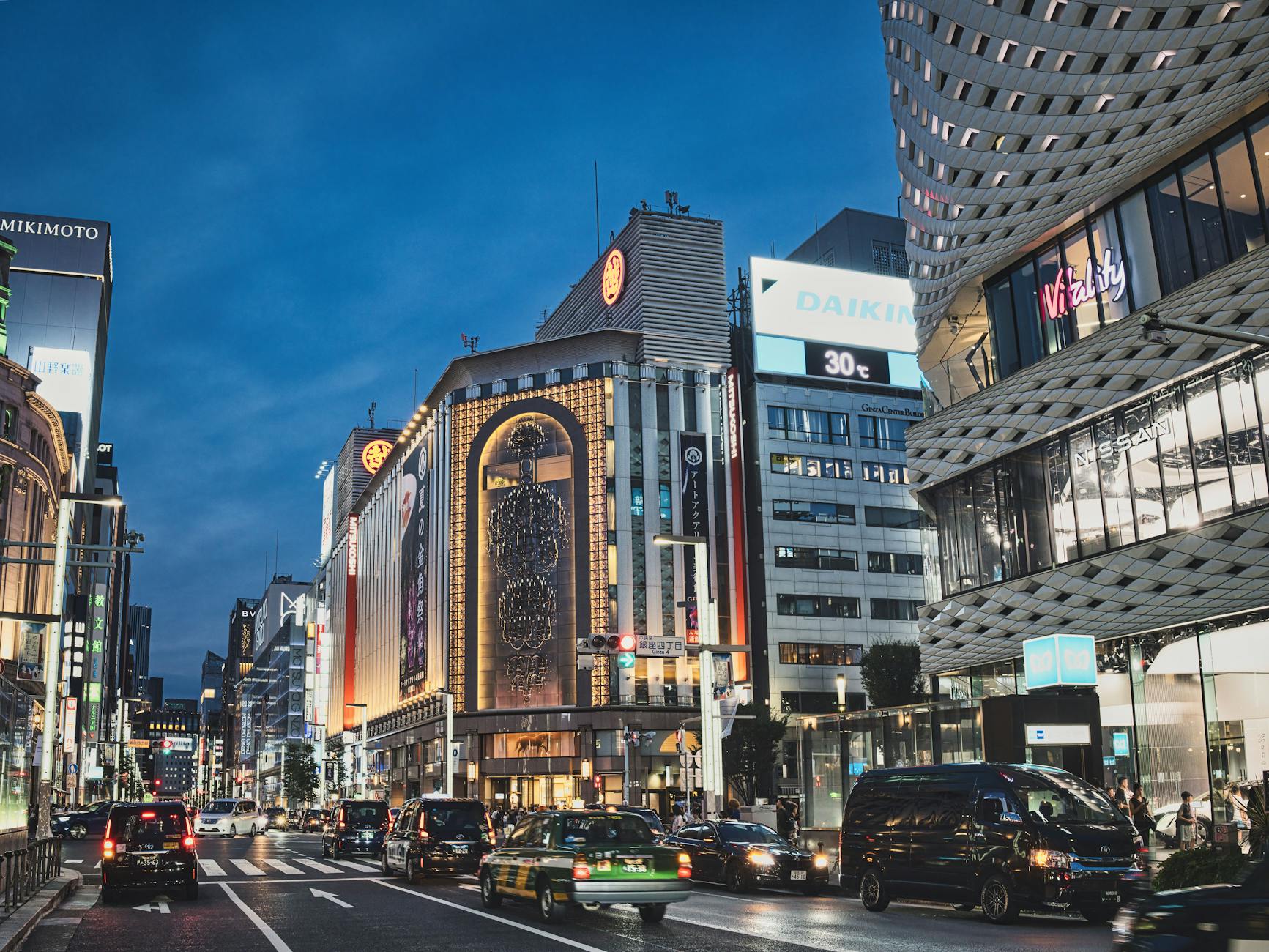
Ginza after dark — where Tokyo’s precision meets its extravagance, and every shopfront is designed like a gallery installation
What to see
Imperial Palace East Garden
The only publicly accessible part of the Imperial Palace grounds. Stone walls from the original Edo Castle, a pristine Japanese garden, and a quiet that feels earned rather than enforced. The ninomaru garden is the highlight — a strolling garden with a pond, irises in season, and views of the old castle foundations rising above you.
Evening — Roppongi & Mori Garden
Take the metro to Roppongi and check into your hotel in Minato City. After freshening up, walk to Mori Garden — a small, beautifully maintained Japanese garden at the base of Roppongi Hills that is free and open until late. At night, the garden is lit softly, the pond reflects the surrounding towers, and the contrast between ancient garden design and modern skyscrapers is pure Tokyo. Walk along Keyakizaka Street afterward for the public art installations — Louise Bourgeois’s giant spider sculpture is the landmark, but the smaller pieces lining the street are worth the slow walk.
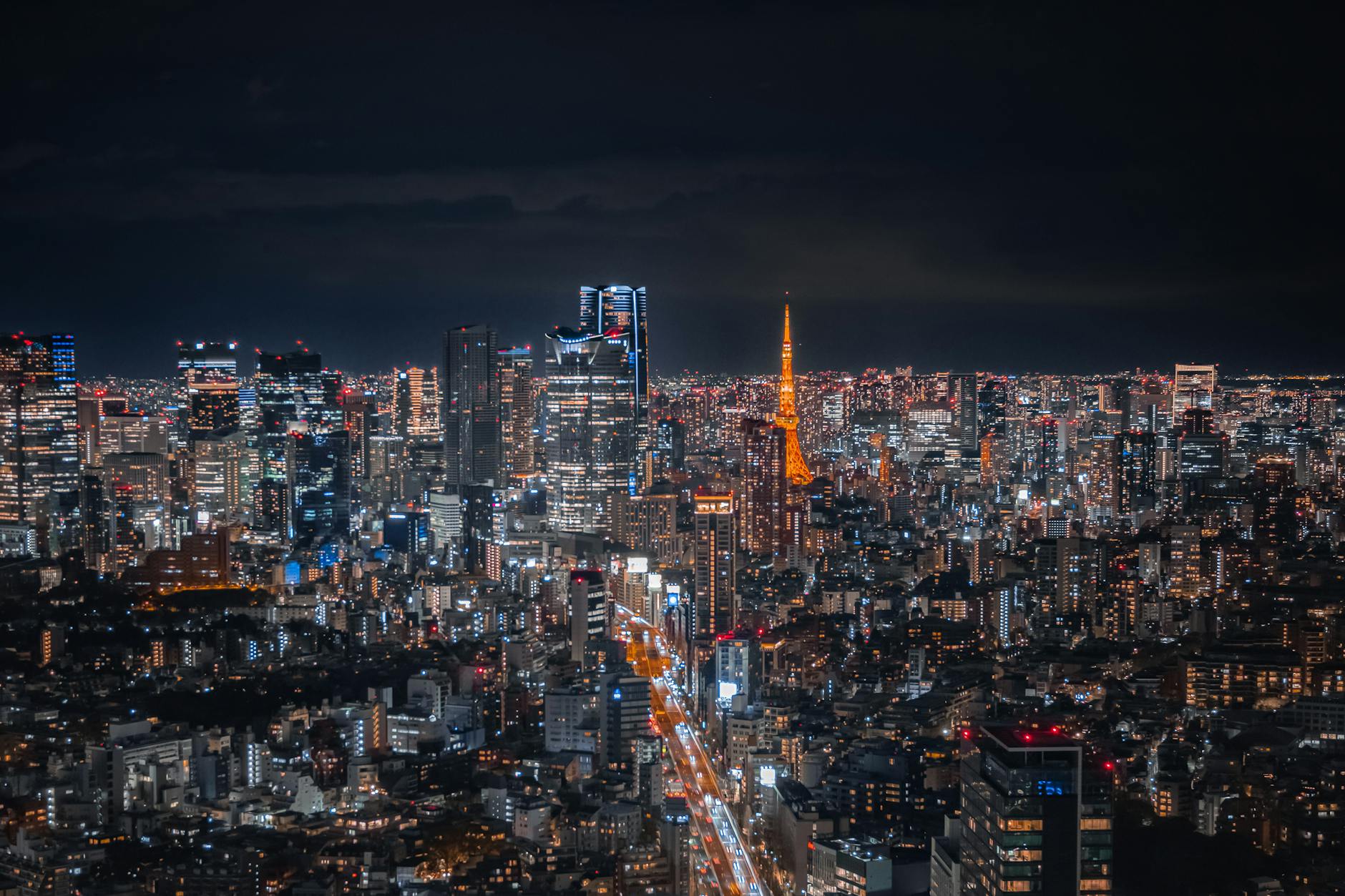
Tokyo from Roppongi at night — fourteen million people, and from up here every single one of them looks like a star
Where to stay
Hotel in Minato City
We based ourselves in Minato for the next few nights — close to Roppongi, easy metro access to Odaiba and the Disney shuttle, and quieter than Shinjuku at night. The neighbourhood has excellent konbini options for late-night snacks and a handful of izakayas on the back streets that cater to locals rather than tourists.
Pierre’s note
Ginza is expensive to shop in but free to admire. The department store basements — depachika — are where the magic happens: immaculate food halls selling wagyu bento, pastries that look like jewellery, and free samples offered with both hands and a bow. Lia and I assembled an entire dinner from depachika samples and a couple of small purchases. Total cost: about ¥2,000. Quality: Michelin-adjacent.
teamLab Planets ToyosuLunch at LaLaportYurikamome to OdaibaGrand Nikko check-inRainbow Bridge night views
Day 6 route — teamLab Planets Toyosu → LaLaport Toyosu → Odaiba → Grand Nikko → Rainbow Bridge
Morning — teamLab Planets
Book tickets in advance — this is non-negotiable. teamLab Planets Toyosu sells out days ahead, costs about ¥3,800 per person, and is worth every yen. You walk barefoot through a series of immersive installations: knee-deep water with projected koi swimming around your ankles, a room of infinite galaxies reflected in mirrored floors, a garden of hanging orchids that rise and fall as you approach. It is art that demands your body, not just your eyes.
Lia and I spent nearly two hours inside. The water room is the one that stays with you — warm water up to your knees, digital fish scattering as you walk, the boundary between the physical and the projected dissolving completely. Roll your trousers up. Bring a small towel. Leave your phone in the waterproof bag they provide and experience it with your eyes instead of your screen. You will remember it better that way.
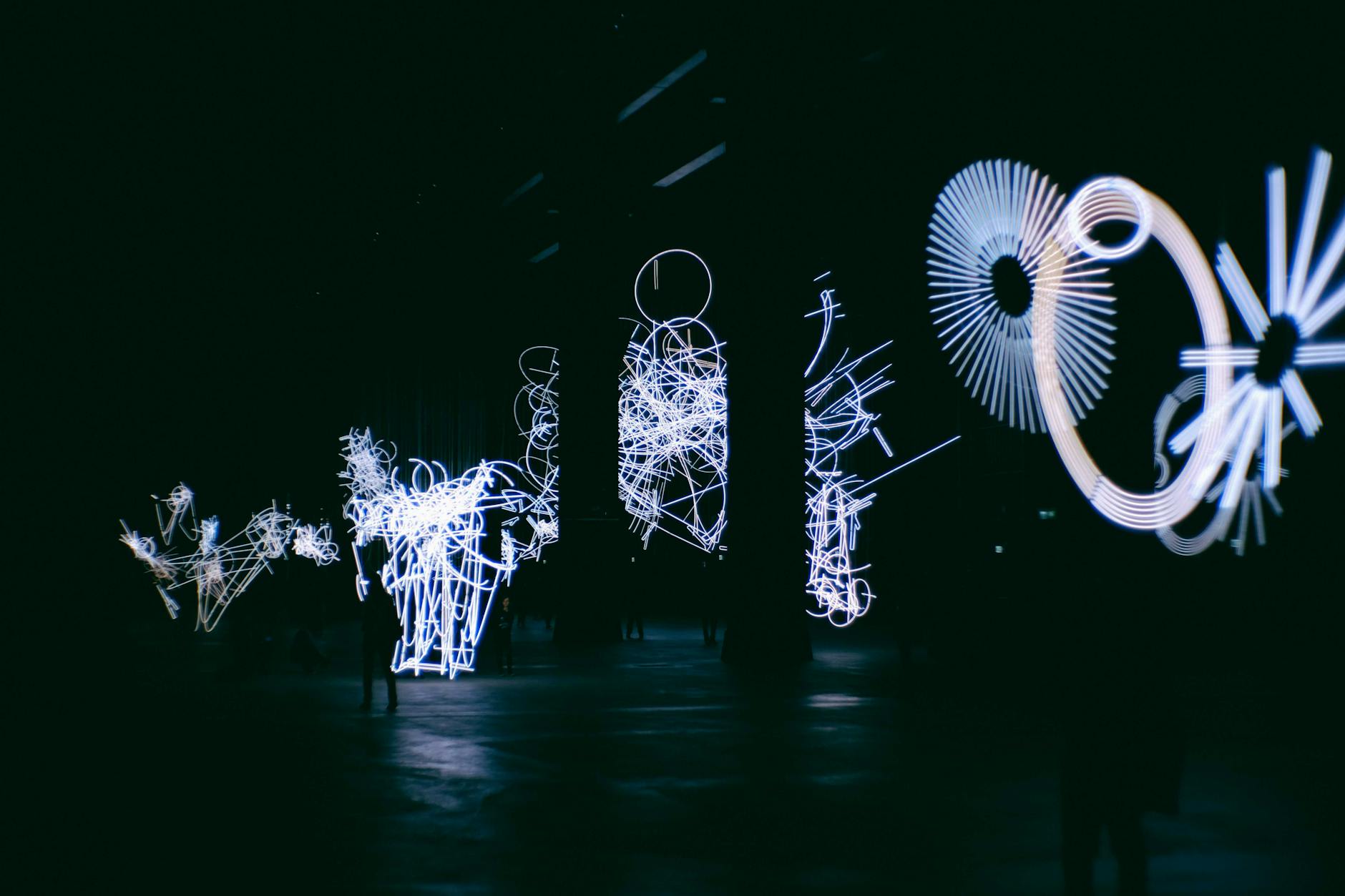
teamLab Planets — where the art wraps around your body, the water reaches your knees, and the line between real and projected disappears entirely
What to see
teamLab Planets Toyosu
An immersive art museum where you walk barefoot through water, light, and digital gardens. The installations respond to your movement — koi scatter, flowers bloom, galaxies shift. It is one of the most romantic things you can do in Tokyo without trying to be romantic. Book the earliest time slot for smaller crowds.
Afternoon — Odaiba
Lunch at LaLaport Toyosu — a large mall with a solid food court. Nothing revolutionary, but convenient and good after the sensory intensity of teamLab. Then take the Yurikamome Line to Daiba Station. The Yurikamome is a driverless train that crosses Tokyo Bay on an elevated track — sit at the front for the view across Rainbow Bridge. It feels like riding into the future, which is appropriate because Odaiba was built as Tokyo’s vision of what the future should look like.
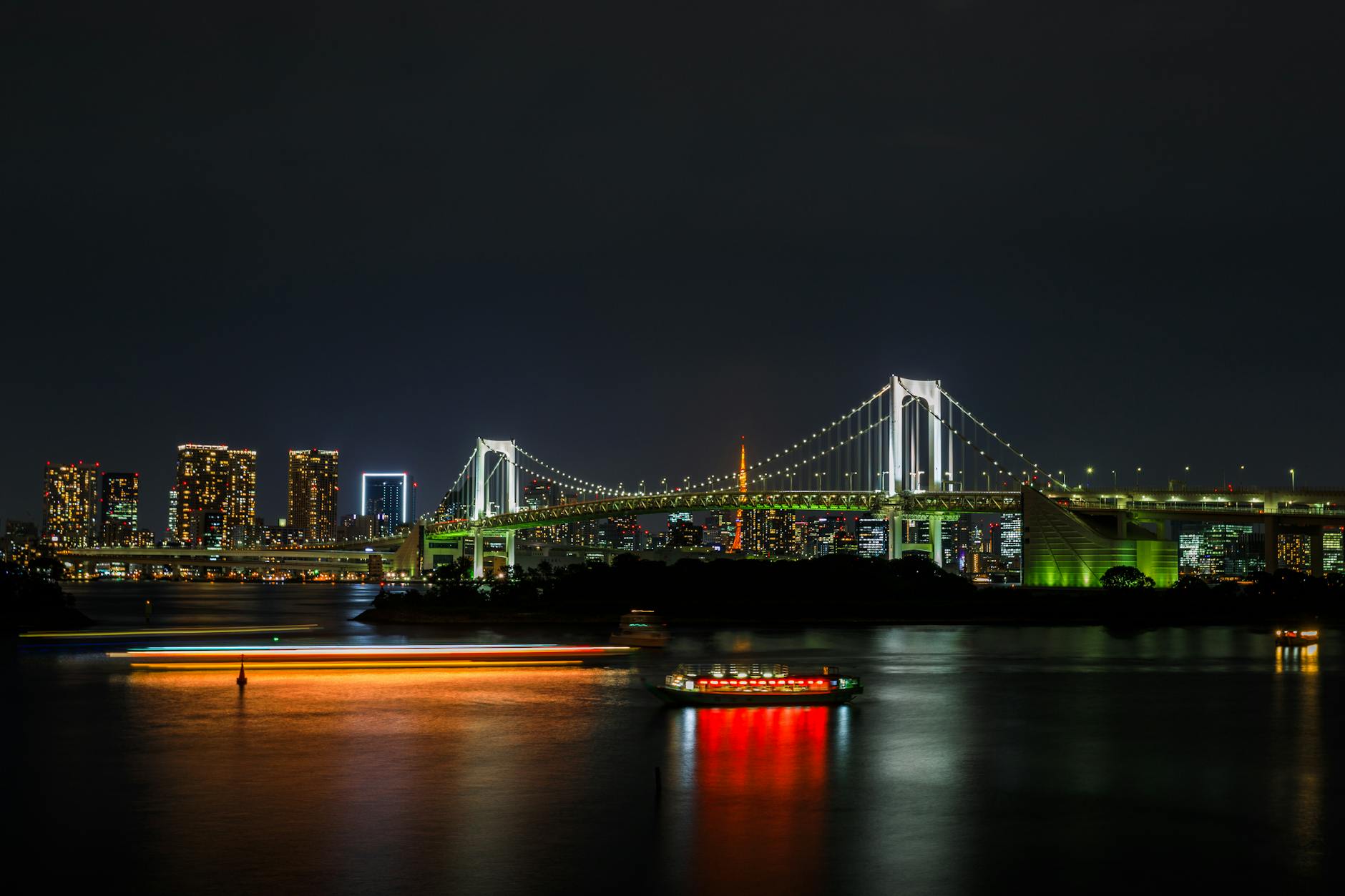
The Odaiba waterfront — Tokyo’s answer to the question of what happens when you build the future on reclaimed land and point it at the sea
Where to stay
Grand Nikko Tokyo Daiba
A waterfront hotel on Odaiba with direct views of Rainbow Bridge and the Tokyo skyline. The rooms are spacious by Tokyo standards, the bay-view rooms are spectacular at night, and the location puts you right next to the Disney shuttle for the next two mornings. We splurged on the bay view and watched the bridge change colours from bed. No regrets.
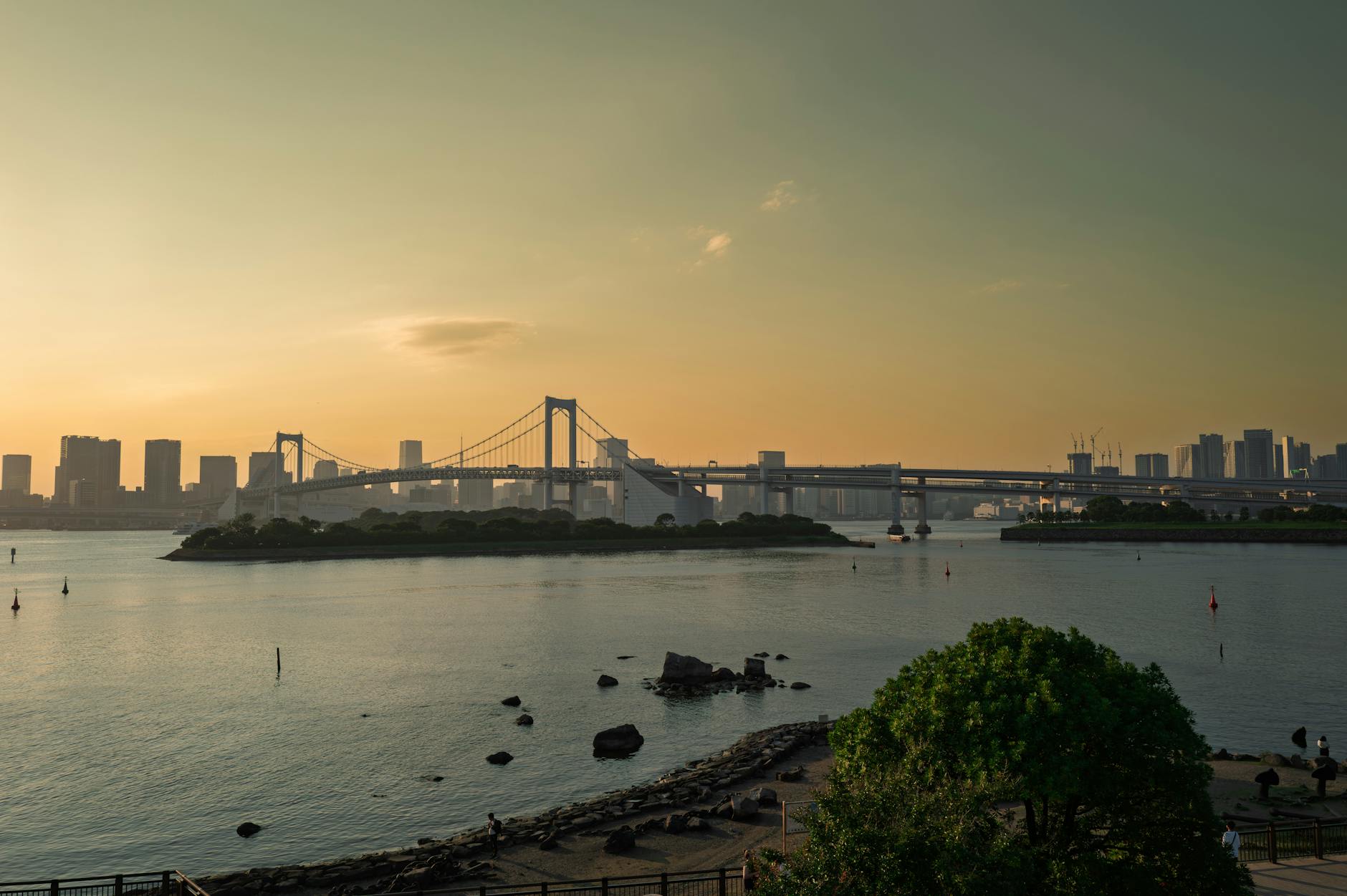
Rainbow Bridge from the Odaiba waterfront — the Tokyo skyline glittering across the bay like a city that never learned how to turn the lights off
Evening — Rainbow Bridge & Rest
Tonight is deliberately quiet. You have Disneyland tomorrow and DisneySea the day after — two full days of theme parks that will test your feet, your patience, and your relationship in the best possible way. Walk the Odaiba waterfront promenade after dark. Rainbow Bridge is illuminated in white or rainbow colours depending on the season, and the Tokyo Tower glows orange across the bay. Grab dinner at the hotel or one of the waterfront restaurants. Go to bed early. You will thank yourself at 7:45am tomorrow.
Pierre’s note
teamLab Planets is one of those places that is better experienced as a couple than alone or in a group. There is a room where you stand in complete darkness and lights begin to appear around you like stars being born — Lia reached for my hand without thinking, and we stood there in silence watching the universe assemble itself around us. You cannot plan a moment like that. You can only put yourself in the right place and let it happen.
Hotel shuttle to DisneylandEnchanted Tale of Beauty and the BeastPriority Pass strategyGyoza dogs & matcha churrosHalloween parade & fireworks
Day 7 route — Grand Nikko → Tokyo Disneyland → Main Street Parade → Cinderella Castle fireworks
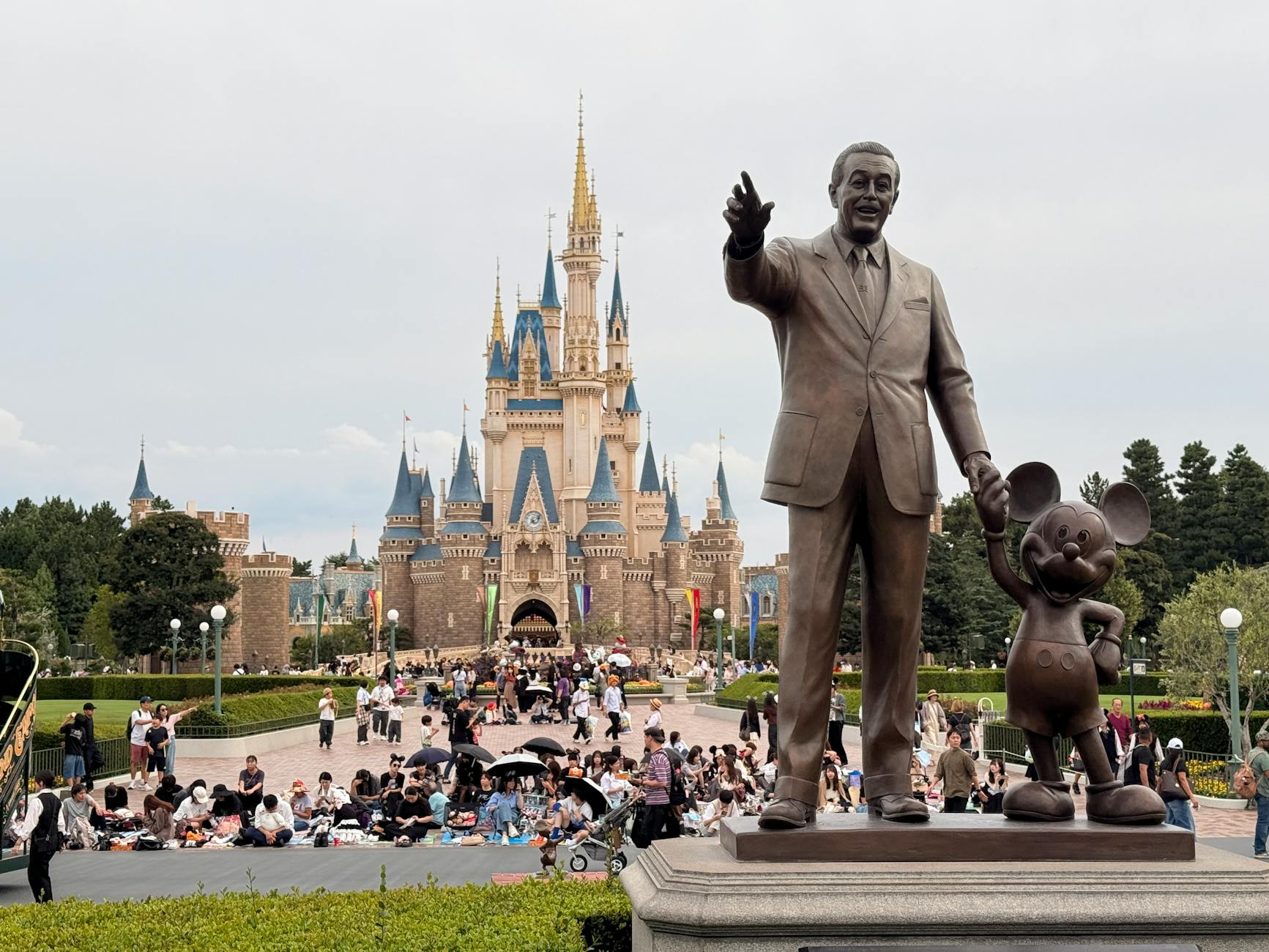
Tokyo Disneyland — where Japanese precision meets Disney magic, and everything is maintained with a level of care that borders on devotion
Morning — Arrival Strategy
The Grand Nikko runs a shuttle to Tokyo Disney Resort — take the 7:45am bus to arrive by 8:15, well ahead of the 9am opening. The queue forms early and moves fast. Have your tickets on your phone, bags checked at security, and be through the gates within minutes of opening. Head directly to Enchanted Tale of Beauty and the Beast — the ride is exclusive to Tokyo Disneyland and it is extraordinary. Trackless vehicles waltz you through the ballroom scene while the chandelier spins overhead and the music swells. Lia cried. I pretended not to. We both did.
What to see
Enchanted Tale of Beauty and the Beast
Tokyo Disneyland’s crown jewel — a trackless dark ride through the entire Beauty and the Beast story, ending with a full-scale ballroom waltz. The animatronics and projection mapping are the best Disney has ever produced. Ride it first thing in the morning when the queue is shortest, or grab a Priority Pass on the app the moment you enter the park.
Daytime — Rides, Food & Parades
Use the Tokyo Disney Resort app for Priority Pass — it lets you reserve return times for popular rides so you spend less time in queues and more time eating things shaped like Mickey Mouse. The food at Tokyo Disneyland is genuinely good, which is not something you can say about most theme parks. Gyoza dogs from the Tomorrowland stand. Matcha churros that are crispy on the outside and soft inside. Popcorn in flavours you did not know existed — soy sauce butter, curry, honey, and a caramel that Lia ordered three buckets of across two days.
Pace yourselves. Tokyo Disneyland is not a sprint. Ride the classics — Space Mountain, Splash Mountain, Pirates of the Caribbean — but also sit down, watch the performers, eat slowly, and enjoy the fact that Japanese Disney parks are maintained with a level of care that borders on obsessive. Every flower bed is perfect. Every cast member is genuinely kind. The trash cans are themed. It is a masterclass in caring about details, which is what Japan does better than anywhere.
Where to eat
Disneyland Food Highlights
Gyoza dogs from the Tomorrowland Terrace stand — pork gyoza filling inside a hot dog bun, grilled crispy. Matcha churros from the Adventureland cart. And the popcorn — buy a bucket and fill it with soy sauce butter flavour. Lia carried her caramel popcorn bucket like it was a newborn child. The smoked turkey leg is also worth the queue if you are hungry enough to eat something the size of your forearm.
Evening — Parade & Fireworks
The Halloween parade runs during September and October, and it transforms the park. Floats, dancers, villains, confetti, and a soundtrack that is somehow both spooky and joyful. Stake out a spot on the Main Street parade route about thirty minutes before showtime. After the parade, stay for the fireworks — they launch from behind Cinderella Castle and the choreography with the music is impeccable. We took the shuttle back to the Grand Nikko at park close, feet aching, hearts full, and already planning our DisneySea strategy for tomorrow.
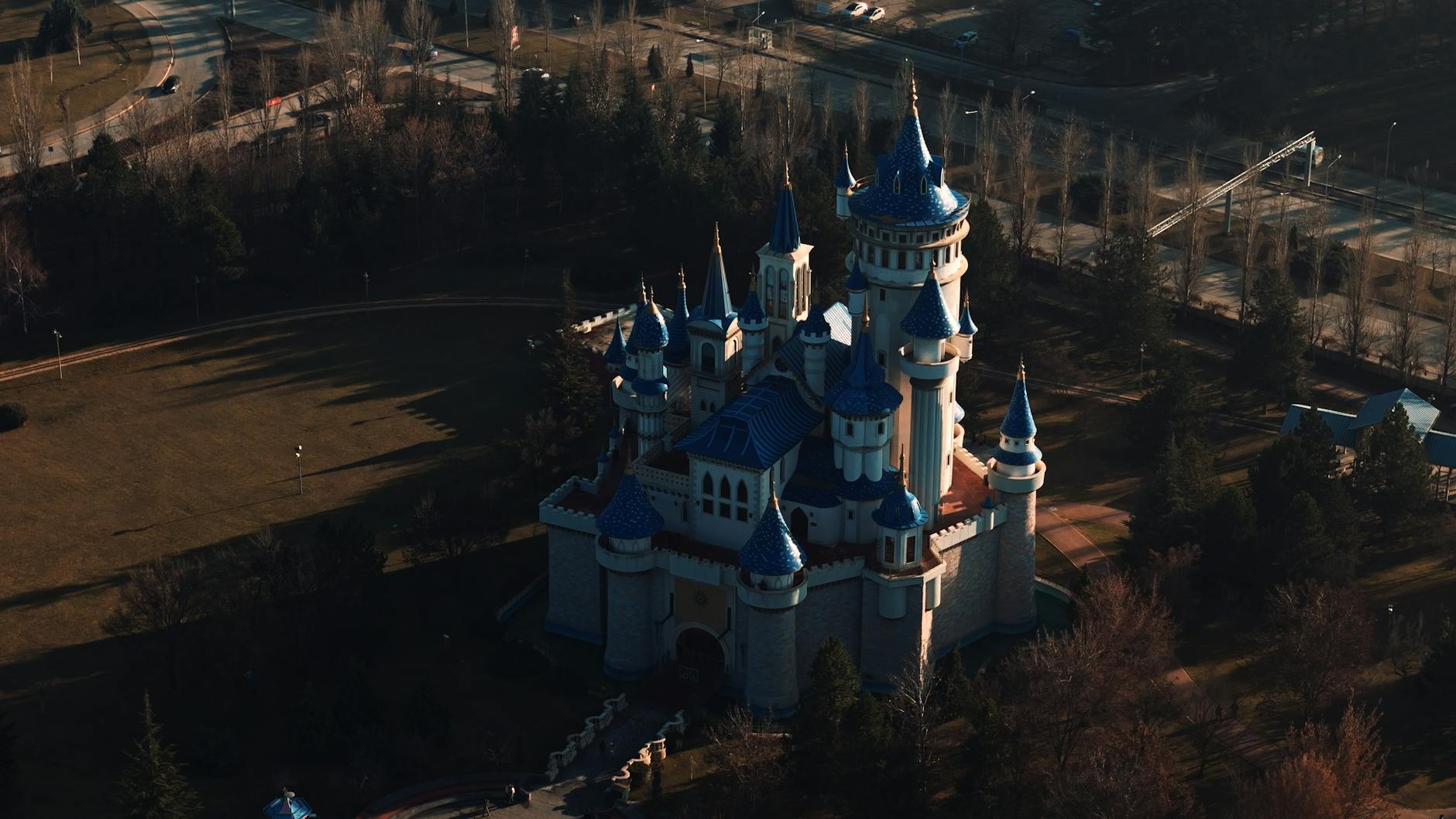
Cinderella Castle at dusk — the moment the park lights come on and everything shifts from daytime fun to nighttime magic
Pierre’s note
Download the Tokyo Disney Resort app before you arrive in Japan and create an account. The Priority Pass system is entirely digital — you scan a QR code at park entry and then reserve ride times through the app all day. It replaced the old paper FastPass and it is far better. Also: bring a portable battery. Between the app, photos, and maps, your phone will be dead by 3pm without one. Lia’s phone died during the parade. She watched the fireworks with her eyes. She says it was better that way. She is probably right.
Hotel shuttle to DisneySeaSoaring: Fantastic Flight firstSeven themed portsBelieve! Sea of Dreams showAmerican Waterfront at dusk
Day 8 route — Grand Nikko → Mediterranean Harbor → Mysterious Island → Arabian Coast → American Waterfront
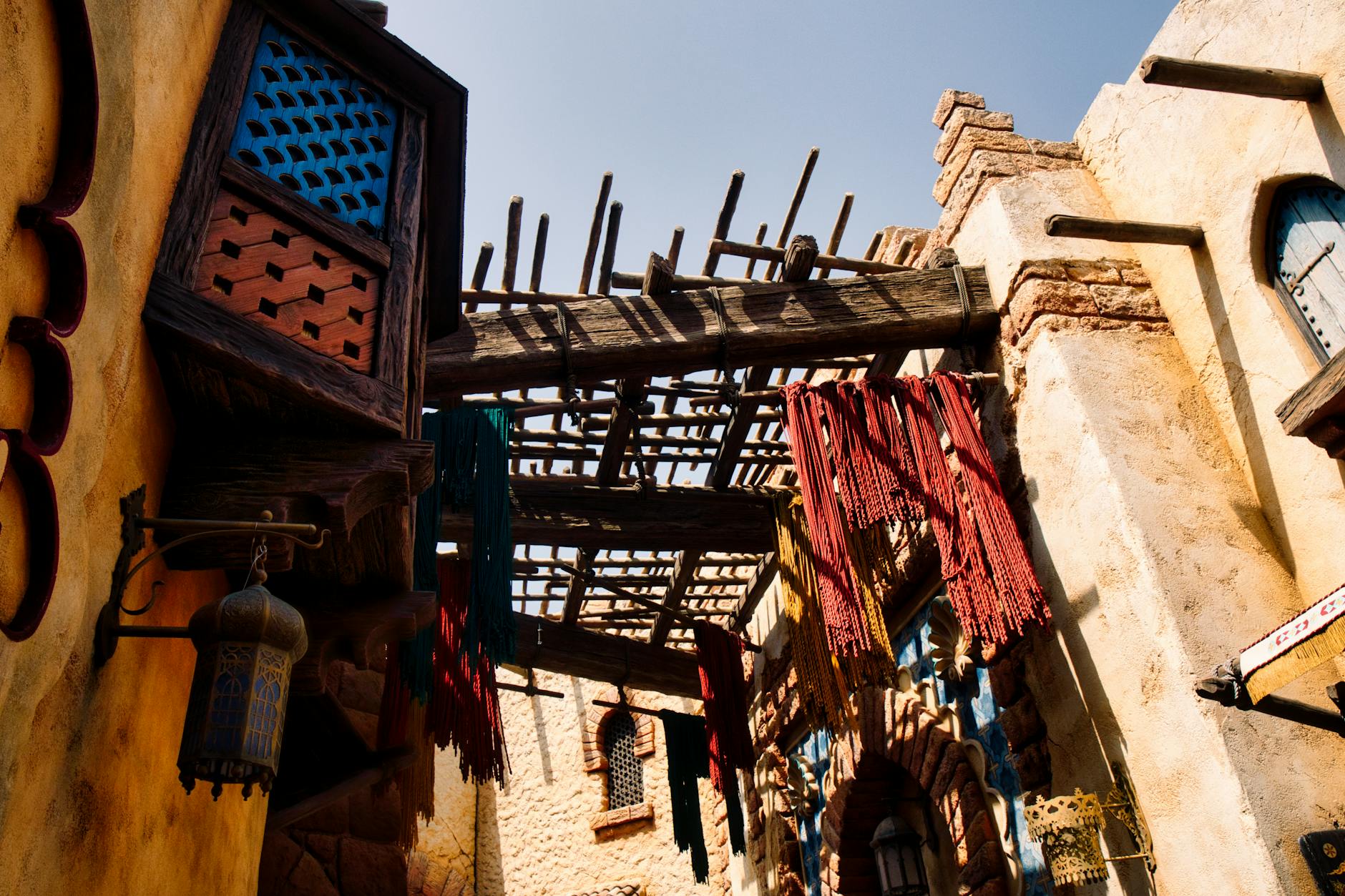
DisneySea’s Mediterranean Harbor — a theme park that does not look like a theme park, and the volcano smoking in the distance like it means it
Morning — Opening Rush
Same shuttle routine as yesterday — 7:45am bus, arrive by 8:15, gates open at 9. DisneySea is the park that makes Disney adults lose their composure, and I say this as someone who considered himself immune. The theming is on another level. You walk through the gates and you are standing in a Mediterranean harbour with a volcano smoking in the distance. It does not look like a theme park. It looks like a film set that someone forgot to strike.
Head directly to Soaring: Fantastic Flight. It is DisneySea’s best ride — a hang-glider simulation that takes you over the Pyramids, the Eiffel Tower, the African savanna, and ends with a sweep over Tokyo at night. The screen wraps around you, the wind hits your face, and the scent of each location fills the air. Lia and I rode it twice. The second time was better because we knew when to look down.
What to see
Soaring: Fantastic Flight
A hang-glider flight simulator across world landmarks with wind, scent, and an IMAX-scale screen that wraps around your entire field of vision. The queue itself is worth seeing — a museum of flight with interactive exhibits. Ride it at rope drop or grab a Priority Pass immediately. Standby waits exceed 90 minutes by mid-morning.
Daytime — Exploring the Seven Ports
DisneySea is divided into seven themed ports, and each one is a complete world. The Venetian canals of Mediterranean Harbor have actual gondola rides with singing gondoliers. Mysterious Island is built inside and around a volcanic crater — the Jules Verne rides here, Journey to the Center of the Earth and 20,000 Leagues Under the Sea, are both excellent. Arabian Coast has a magic carpet ride that is better than it has any right to be. Walk slowly. The details reward patience — hidden carvings, water effects that trigger as you pass, architecture that holds up to close inspection.
Where to eat
Magellan’s — Mediterranean Harbor
The best sit-down restaurant in DisneySea — proper courses, wine list, and a dining room designed to look like the interior of a galleon. It is pricier than the counter-service options but worth it for a long lunch as a couple. The grilled seafood plate is excellent. Book at the restaurant podium early in the day or you will not get a table.
Evening — Believe! & American Waterfront
The Believe! Sea of Dreams harbour show starts after dark — fountains, fireworks, projections on water screens, and a flotilla of illuminated boats crossing the central lagoon. Stake your spot at Mediterranean Harbor about forty-five minutes early. The best views are from the harbour steps directly across from the volcano. Lia and I sat on the ground with our legs dangling over the edge and watched the water catch fire in a hundred colours. It is the best nighttime show Disney has ever produced, and I am including the ones in Florida and Paris.
After the show, walk through American Waterfront. The area is modelled on early 1900s New York and Cape Cod, and at dusk the gaslight-style lamps and the S.S. Columbia ocean liner create a mood that is genuinely cinematic. Our last night at the Grand Nikko. We took the shuttle back in comfortable silence, the kind that only happens when two people have shared something extraordinary and neither needs to say so.
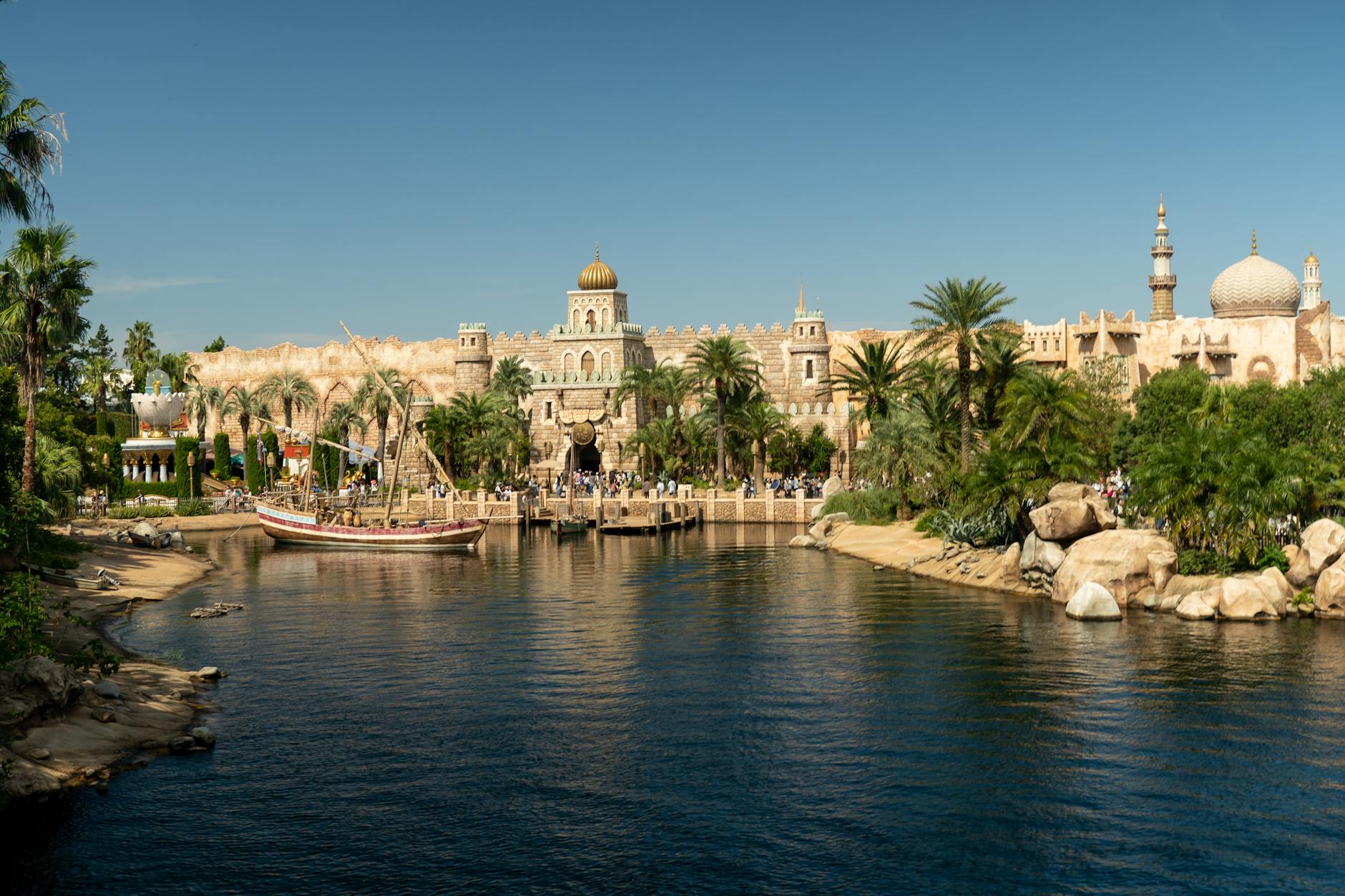
Mediterranean Harbor at golden hour — DisneySea does not look like a theme park, and that is precisely the point
Pierre’s note
DisneySea is the better park. I will not apologise for this opinion. Disneyland is wonderful and nostalgic and exactly what you expect. DisneySea is something you did not know was possible — a theme park designed for adults who appreciate craft, atmosphere, and storytelling. If you can only do one day of Disney in Tokyo, do DisneySea. If you can do two, do Disneyland first so that DisneySea has the last word.
Check out Grand NikkoNozomi shinkansen to KyotoHotel in HigashiyamaSannenzaka, Ninenzaka & Yasaka PagodaGion & Pontocho dinner
Day 9 route — Shinagawa → Kyoto Station → Higashiyama → Sannenzaka & Ninenzaka → Yasaka Pagoda → Gion / Pontocho
Morning — Shinkansen to Kyoto
Check out of the Grand Nikko and take a taxi to Shinagawa Station — about ¥3,000 from Odaiba. The Nozomi shinkansen to Kyoto departs roughly every ten minutes, takes two hours and fifteen minutes, and costs about ¥14,000 per person. Sit on the right side of the train — Mount Fuji appears about forty minutes in, framed perfectly in the window for a few glorious minutes before the train races past. Buy an ekiben at the station before boarding — a beautifully packaged bento box designed for train travel. Lia chose a salmon and roe box. I went with tonkatsu. We ate at 280 kilometres per hour and watched the countryside blur.
What to see
Nozomi Shinkansen — Tokyo to Kyoto
The bullet train is not just transport — it is an experience. The trains are silent, spotless, and arrive to the second. The seats recline, the legroom is generous, and there is a pocket in the seatback for your ekiben. Reserve a window seat on the right side (seats A or B in a standard car) for Mt. Fuji views about 40 minutes after departure from Shinagawa.
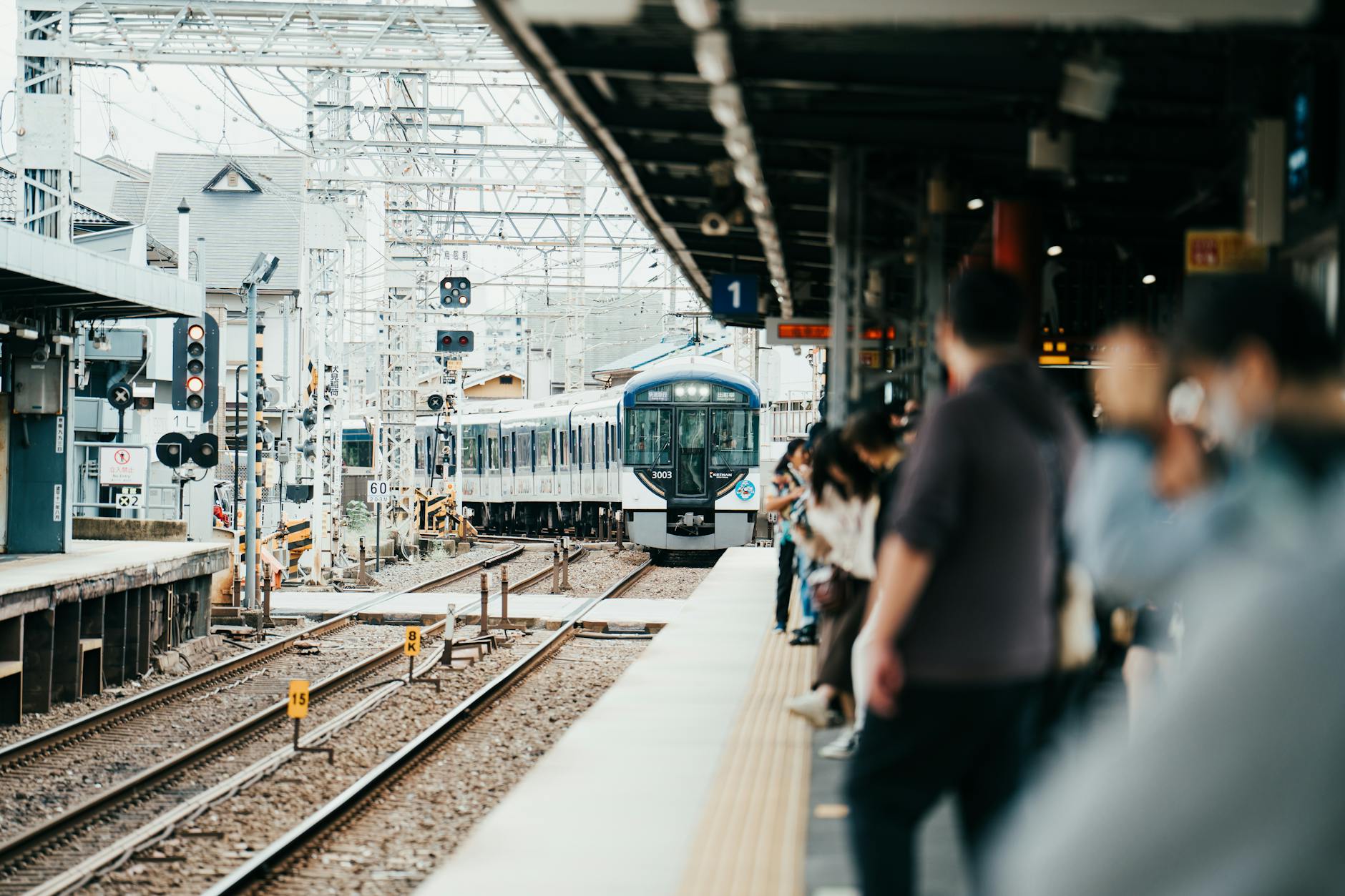
The Nozomi shinkansen — 280 kilometres per hour, silent as a library, and arriving to the second. Japan in a single machine.
Afternoon — Higashiyama Arrival
At Kyoto Station, take a taxi to your hotel — about ¥1,500 to the Higashiyama area. We stayed at Hotel The West Japan Kyoto Kiyomizu, perched on the hillside near the famous temples. The location is everything in Kyoto — being in Higashiyama means you can walk to Kiyomizu-dera, Yasaka Shrine, and Gion on foot, and the neighbourhood transforms entirely between day and night.
Drop your bags and walk downhill through the most photogenic streets in Japan. Sannenzaka and Ninenzaka are narrow stone-paved lanes lined with traditional wooden machiya houses, now converted into tea shops, ceramic stores, and small galleries. The Yasaka Pagoda rises above the rooftops — five storeys of vermilion against the Higashiyama hillside. It is the view you have seen in every Japan travel photo, and standing in front of it you understand why. Some views earn their cliche.
Where to stay
Hotel The West Japan Kyoto Kiyomizu
A modern hotel in the heart of Higashiyama, a short walk downhill from Kiyomizu-dera and uphill from Gion. The rooms are clean and minimal, the staff speak excellent English, and the rooftop terrace has views over the temple district. What makes it perfect is the location — you can walk everywhere that matters in Kyoto from this doorstep.
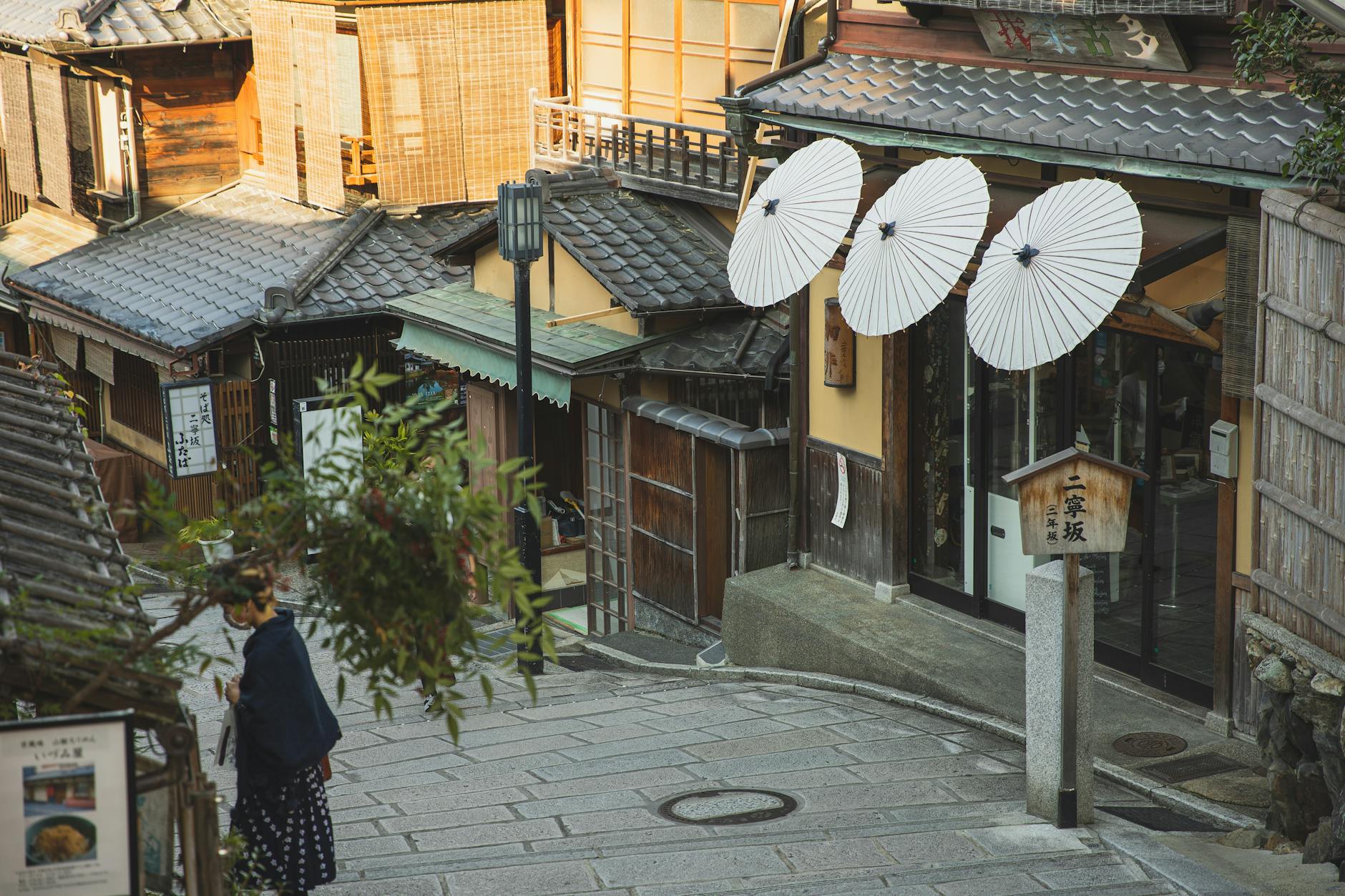
Higashiyama at dusk — the stone lanes, the wooden houses, the paper lanterns, and the feeling that you have stepped backward in time
Evening — Gion & Pontocho
Continue downhill to Yasaka Shrine at dusk — the orange lanterns glow against the darkening sky and the main hall is illuminated from within. Walk through the shrine grounds and out the other side into Gion, Kyoto’s geisha district. Hanamikoji Street is the main artery — teahouses with slatted wooden facades, the occasional glimpse of a maiko in white makeup hurrying to an appointment, and the hush that falls over a district built on discretion and beauty.
Dinner in Pontocho Alley — a single narrow lane running parallel to the Kamogawa river, lined with restaurants stacked on top of each other. In summer the restaurants extend platforms over the river for outdoor dining. In autumn the alley glows with warm light and the smell of grilling yakitori drifts between buildings. We found a small kaiseki place with a six-course set menu for ¥6,000 per person — each dish a miniature artwork, each flavour precise and seasonal. Walk back through Higashiyama at night, when the streets are empty and the pagoda is lit against the stars.
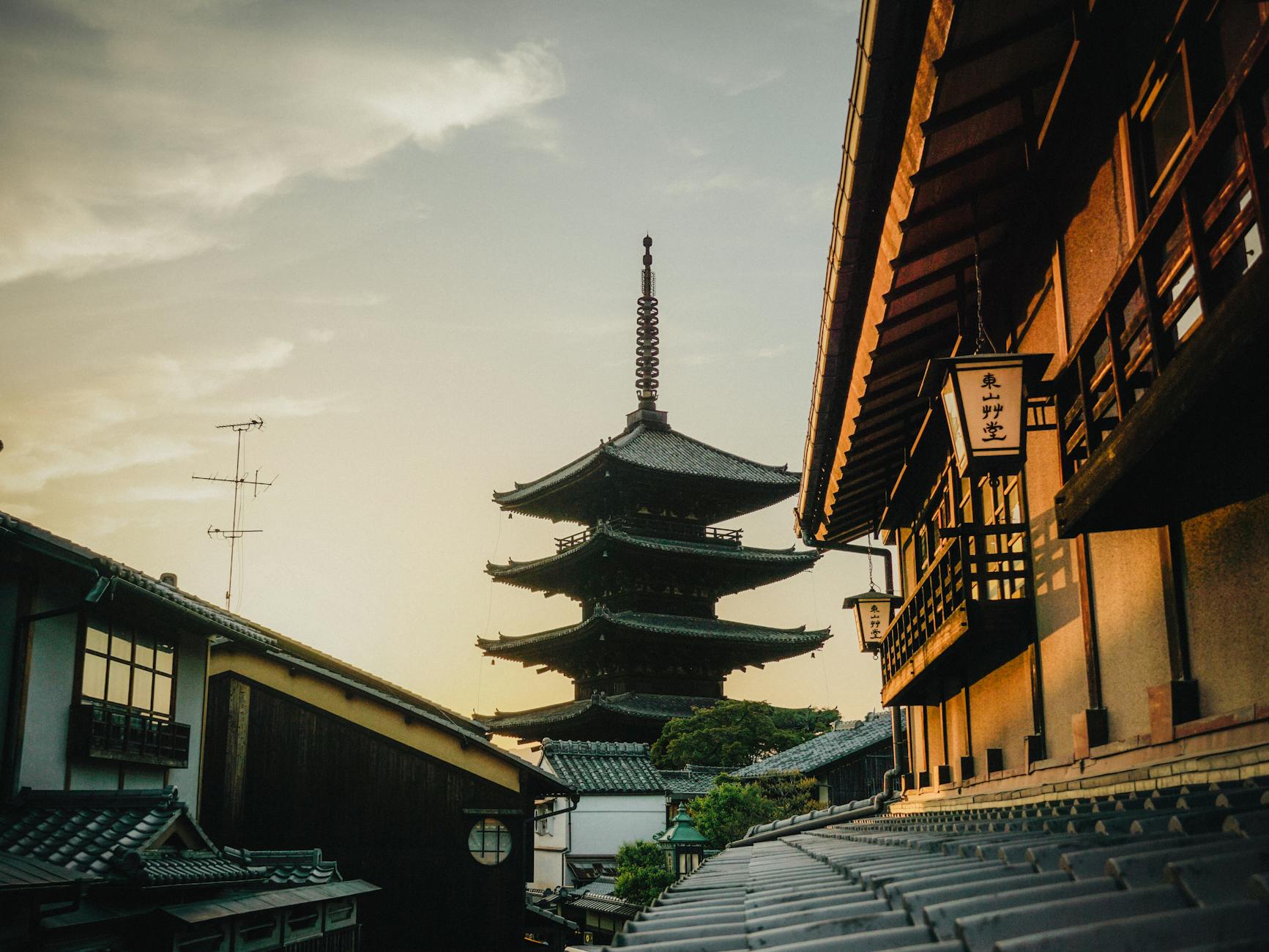
Yasaka Pagoda at dusk — five storeys of vermilion against the Higashiyama hillside, and the view that earns its cliche
Where to eat
Pontocho Alley Kaiseki
Walk Pontocho until you find a small restaurant with a set-menu board outside and seats at a counter. Kaiseki is Kyoto’s multi-course culinary art — each dish is seasonal, miniature, and presented like a painting. Expect six to eight courses: a clear dashi broth, sashimi, grilled fish, a simmered dish, pickles, rice, and a sweet. The meal unfolds slowly, and so should your evening.
Pierre’s note
Kyoto after dark is a different city. The tourist crowds vanish by 6pm, and the streets of Higashiyama become yours. The stone lanes, the wooden houses, the paper lanterns — it all feels like stepping backward in time. Lia and I walked from Pontocho back to our hotel through silent streets with nobody else in sight. That walk, more than any temple or shrine, is what made us fall in love with Kyoto.
Kiyomizu-dera at 9amOtowa WaterfallKodai-ji Temple zen gardenKimono Tea Ceremony in GionEvening walk in kimonos
Day 10 route — Kiyomizu-dera → Otowa Waterfall → Kodai-ji Temple → Gion Kimono Tea Ceremony → Hanamikoji Street
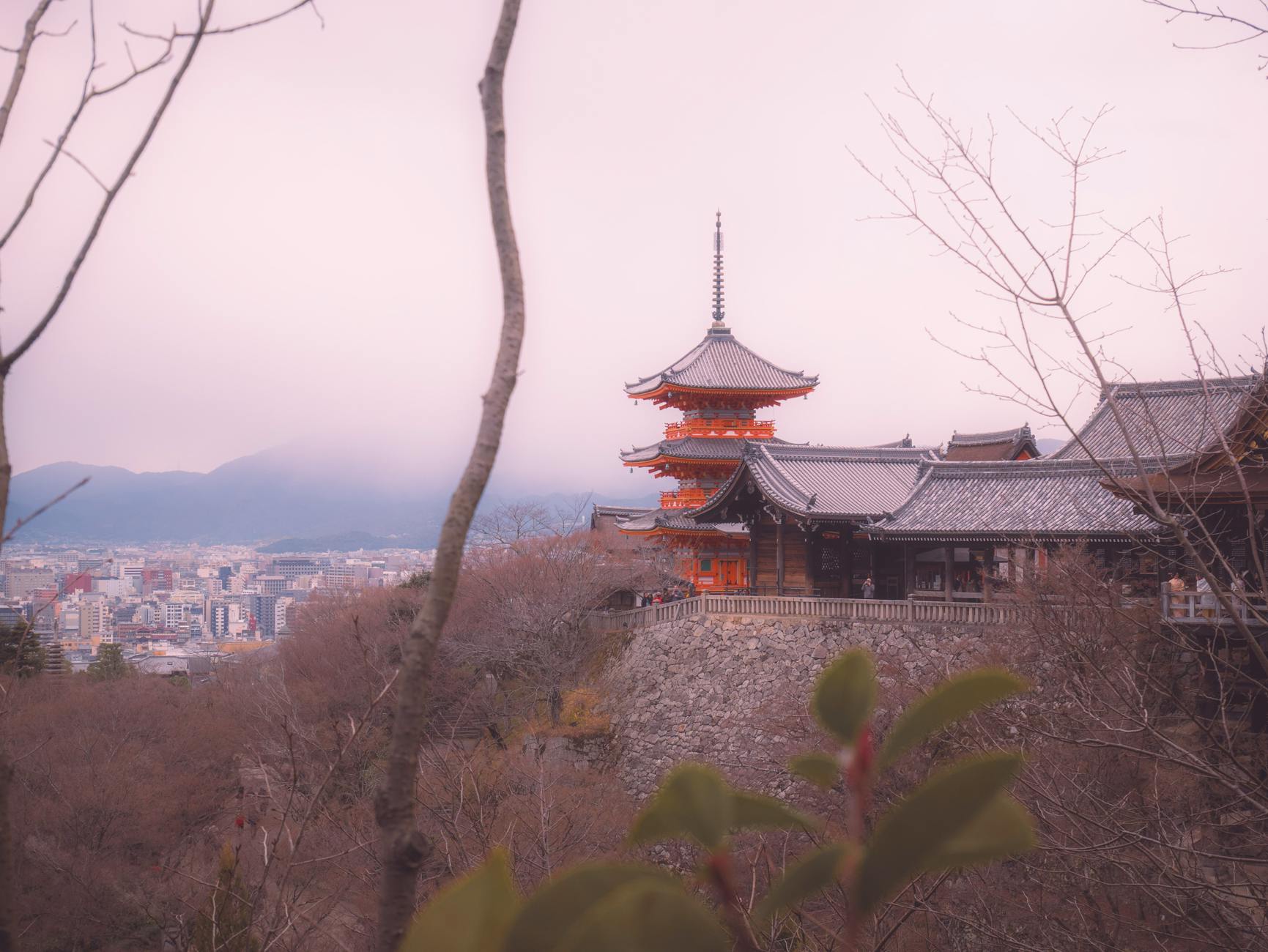
Kiyomizu-dera — the wooden stage built without a single nail, holding visitors above the Kyoto valley for six hundred years
Morning — Kiyomizu-dera
Walk uphill from the hotel to Kiyomizu-dera — arrive by 9am to beat the worst of the crowds. The temple is a UNESCO World Heritage site built into the hillside, and its famous wooden stage juts out over the valley on massive cedar pillars, offering panoramic views over Kyoto that make you understand why someone chose to build a temple in this exact spot. The stage was constructed without a single nail — an engineering feat from the 1600s that still holds visitors six hundred years later.
Below the main hall, follow the path to Otowa Waterfall — three streams of water fall into a basin, and visitors queue to drink from each using long-handled cups. Each stream grants a different blessing: longevity, success in love, or success in studies. The tradition says you should only drink from one or two — choosing all three is considered greedy. Lia drank from the love stream. I drank from longevity. We figured between the two of us, we had the bases covered.
What to see
Kiyomizu-dera Temple
One of Kyoto’s most celebrated temples — the wooden stage offers sweeping views of the city, the autumn foliage in October is legendary, and the Otowa Waterfall at the base lets you drink from sacred waters. The approach through Sannenzaka is half the experience. Arrive early — by 10am the narrow paths are shoulder-to-shoulder.
Midday — Kodai-ji Temple
Walk down from Kiyomizu-dera through the familiar lanes of Sannenzaka and head north to Kodai-ji Temple. This is the quieter, more contemplative alternative to the big-name temples — a zen garden with raked gravel, a bamboo grove, and a tea house overlooking a pond. The temple was built in the 1600s by a woman mourning her husband, and that sense of devotion and loss permeates the grounds. There is a sadness here that is also beautiful, which is a feeling Kyoto teaches you to hold without resolving.
What to see
Kodai-ji Temple
A zen temple with exquisite gardens, a bamboo grove, and a reflective pond. Far less crowded than Kiyomizu-dera, and the raked gravel garden is one of Kyoto’s most meditative spaces. The night illumination events in autumn are spectacular if your timing aligns. During the day, sit on the wooden veranda and watch the garden do nothing. That is the point.
Afternoon — Kimono Tea Ceremony
At 5pm, we arrived at a kimono rental and tea ceremony experience in Gion. The session runs about ninety minutes: first, you are dressed in a full kimono — obi sash, tabi socks, geta sandals, everything. The dressing takes twenty minutes and the staff are patient, precise, and clearly enjoy transforming tourists into something more graceful. Then you sit on tatami for a traditional tea ceremony — the host explains each movement, the significance of the bowl, the way you turn it before drinking, and the seasonal wagashi sweet that accompanies the matcha.
Lia looked stunning in a deep indigo kimono with a gold obi. I wore a dark blue men’s kimono that made me feel like I was in a Kurosawa film. After the ceremony, you keep the kimonos for the evening. We walked through Gion as the sun set, two people in traditional dress on streets that were built for exactly this. Strangers asked to take photos with us. A maiko smiled as she passed. It was, without exaggeration, one of the most memorable evenings of the entire trip.
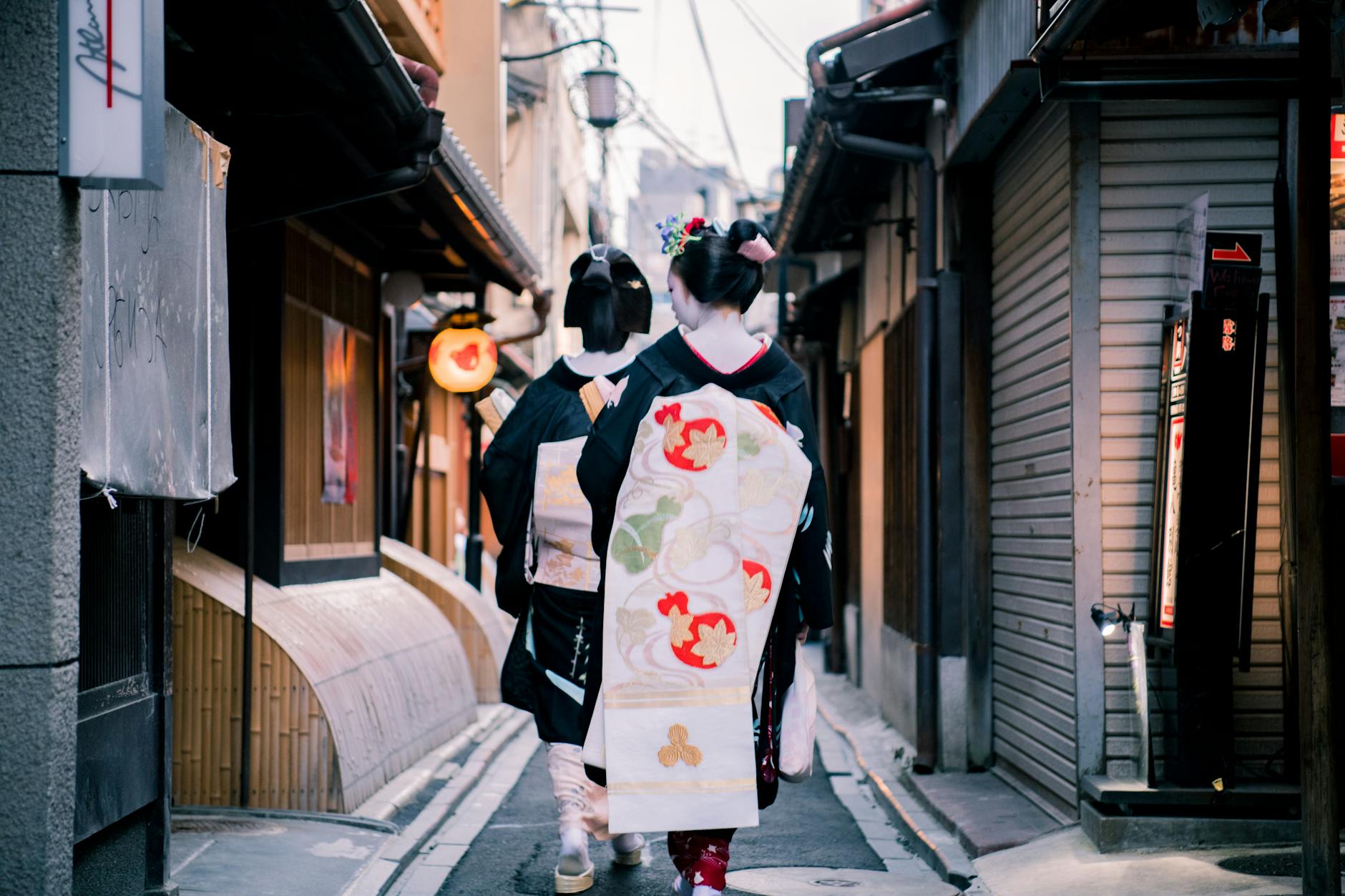
Walking Gion in kimonos at sunset — two people in traditional dress on streets built for exactly this moment
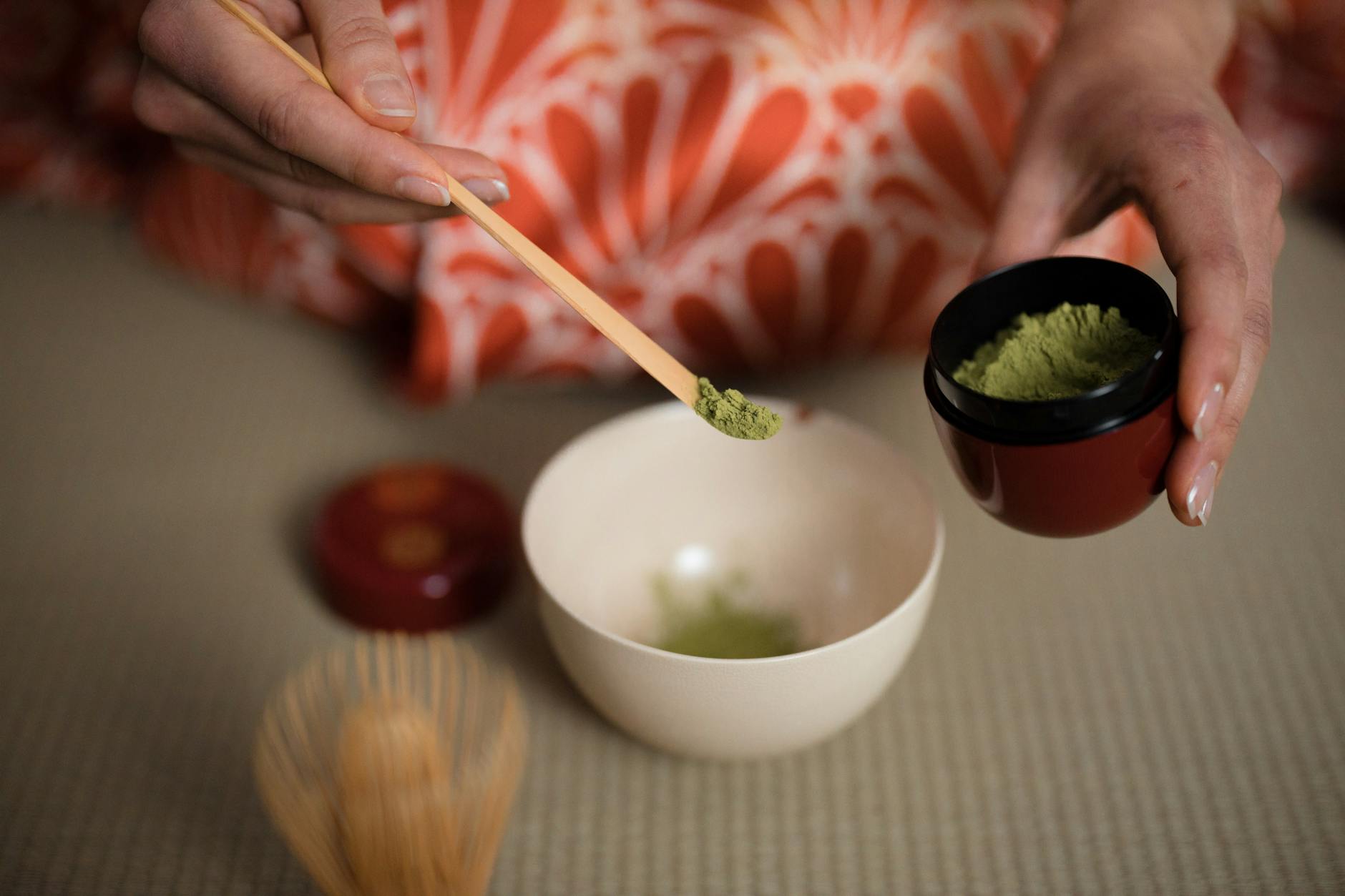
The tea ceremony — each movement deliberate, each sip a meditation, and the matcha bitter enough to make the wagashi sweet taste like poetry
What to do
Kimono Tea Ceremony — Gion
A combined experience: full kimono dressing followed by a traditional tea ceremony with matcha and seasonal wagashi. You keep the kimonos for the evening, which means you walk Gion’s streets in full traditional dress at the most beautiful hour. Book a late afternoon slot — the 5pm session lets you finish just as the light turns golden and Gion’s lanterns begin to glow.
Pierre’s note
The kimono tea ceremony is the single experience I recommend most from this entire trip. It sounds touristy. It is not. The ceremony itself is meditative, the kimonos are real, and walking through Gion at dusk in traditional dress changes how you see the neighbourhood — and how it sees you. Lia and I have photos from this evening that look like they were taken in another century. Book it. You will not regret it.
Fushimi Inari at 8amFull summit hikeStreet food lunchFushimi Sake DistrictGekkeikan Museum & tasting
Day 11 route — Inari Station → Fushimi Inari Taisha → Street Food → Fushimi Sake District → Gekkeikan Okura Museum
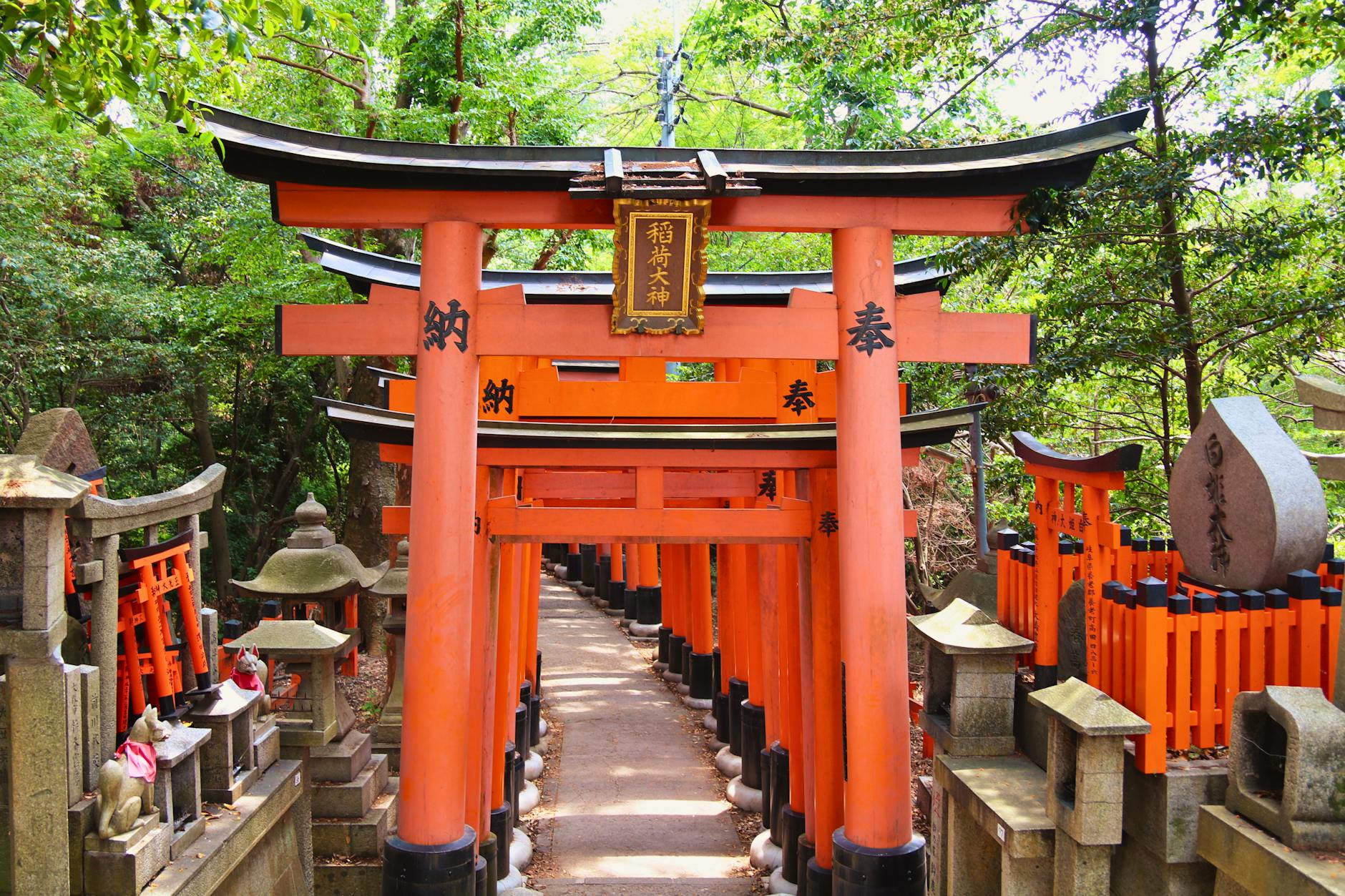
Fushimi Inari at 8am — ten thousand vermilion gates, nobody in front of you, and the light filtering through in shafts of orange and gold
Morning — Fushimi Inari Taisha
Take the JR Nara Line from Kyoto Station to Inari — two stops, five minutes. Arrive by 8am. This is the timing that changes everything. By 10am the lower gates are packed with tour groups posing for photos, but at 8am you will walk through thousands of vermilion torii gates with nobody in front of you and nobody behind. The light filters through the gates in shafts of orange and gold, and the only sound is the gravel crunching under your feet and the distant caw of crows in the cedars above.
Do the full hike to the summit. Most visitors turn back after the first lookout point — the famous view over Kyoto through the gates. Keep going. The path winds up Mt. Inari for about two hours round trip, through increasingly dense forest, past small shrines adorned with fox statues and offerings of rice and sake. The summit is quiet, forested, and unremarkable — which is the point. The pilgrimage is the destination. Lia and I reached the top sweaty and winded and deeply satisfied. We sat on a bench and shared a bottle of green tea from a vending machine that had no business being on top of a sacred mountain but was exactly what we needed.
What to see
Fushimi Inari Taisha
Ten thousand vermilion torii gates winding up a sacred mountain. The shrine is dedicated to Inari, the god of rice and prosperity, and the gates are donated by businesses seeking good fortune. The lower path is iconic. The full summit hike is transformative. Arrive at 8am or earlier — by mid-morning the gates are a conveyor belt of selfie sticks.
Midday — Street Food
Back at the base of Fushimi Inari, the street leading to the station is lined with food stalls. Inari sushi — sweet tofu pouches stuffed with seasoned rice — is the local specialty, and it is named after the shrine’s fox deity. Grilled mochi with sweet soy sauce. Matcha soft serve from one of the corner shops. We grazed our way back to the station, still high from the hike, eating things that cost ¥200 each and tasted like they had been perfected over centuries. Because they had.
Where to eat
Fushimi Inari Street Food
The approach street to the shrine is lined with stalls selling inari sushi, grilled mochi, yakitori, and matcha treats. Graze your way through — each item costs ¥200 to ¥400 and the quality is high because this is a neighbourhood that has been feeding pilgrims for centuries. The inari sushi here is sweeter and more delicate than the convenience store version.
Afternoon — Fushimi Sake District
A short train ride south brings you to the Fushimi sake district — Kyoto’s brewing heartland, where the water from underground springs is so pure that it has sustained sake production for over four hundred years. The area is beautiful in its own right: willow-lined canals, old wooden sake warehouses, and the quiet hum of a neighbourhood that has been doing one thing exceptionally well for centuries.
Visit the Gekkeikan Okura Sake Museum — a small, well-curated museum inside one of the oldest breweries in Fushimi. The entry fee is about ¥400 and includes a tasting of three sakes at the end. The museum explains the brewing process with old tools and photographs, and the tasting room looks out over the canal. Lia discovered she prefers junmai daiginjo — the most refined grade, with a floral, almost fruity nose. I leaned toward the unfiltered nigori, which is cloudy and creamy and tastes like rice that has been dreaming. We bought a bottle of each and carried them in our bags for the rest of the trip.
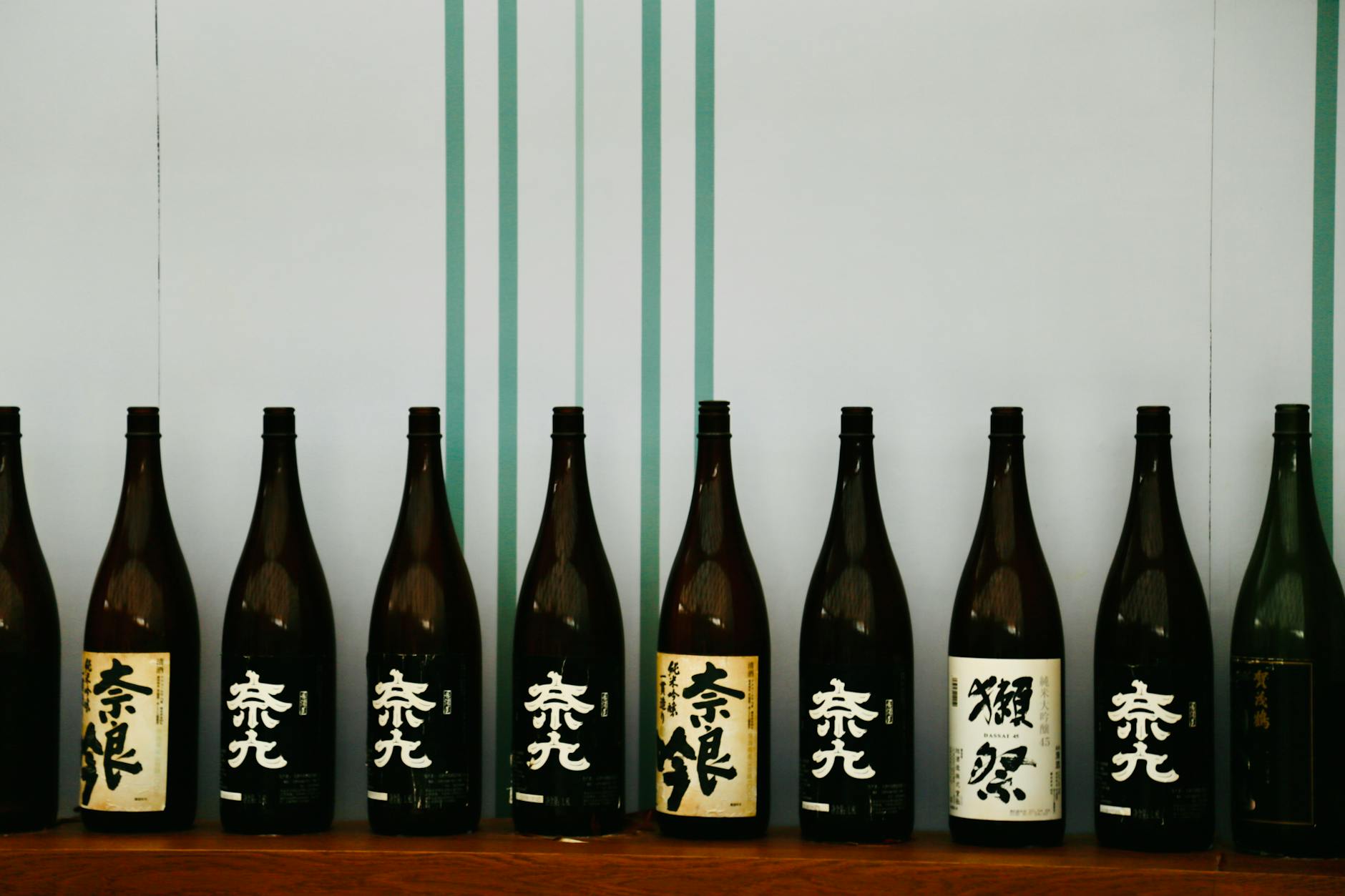
Sake tasting in Fushimi — four hundred years of brewing tradition in a single sip, and the bottle you carry home becomes the souvenir that matters
Where to drink
Gekkeikan Okura Sake Museum
One of Fushimi’s oldest sake breweries, now a museum with a tasting room. The exhibits explain the brewing process from rice polishing to fermentation, and the tasting at the end lets you compare three styles of sake side by side. The canal-side setting is beautiful, and the gift shop sells bottles you cannot find outside Kyoto.
Pierre’s note
The timing at Fushimi Inari is not a suggestion — it is the single most important piece of advice in this entire guide. At 8am, the gates are yours. At 10am, they belong to Instagram. The difference between those two hours is the difference between a spiritual experience and a queue. Set the alarm. Skip the hotel breakfast. Eat inari sushi at the base afterward. Your future self will send you a thank-you note.
Eizan Railway to KuramaKurama-dera templeMountain hike to KibuneKibune ShrineKawadoko lunch over the river
Day 12 route — Demachi-Yanagi → Kurama Station → Kurama-dera → Mountain Trail → Kibune Shrine → Kawadoko Restaurant
The forest trail between Kurama and Kibune — ancient cedars, exposed roots, and the kind of silence you only find where humans are guests
Morning — Kurama
Take the Eizan Railway from Demachi-Yanagi Station — a thirty-minute ride through northern Kyoto that gets progressively more rural until the city disappears entirely and you are in the mountains. Kurama Station is tiny, wooden, and has a tengu statue with a long red nose guarding the entrance. The tengu are mountain spirits, and this is their territory. Kurama-dera temple sits partway up the mountain, reached by a forest path through towering cedars that filter the light into green columns. The temple itself is modest compared to the famous Kyoto sites, but the setting is magnificent — perched on the mountainside with views down the valley and the smell of cedar resin in every breath.
What to see
Kurama-dera Temple
A mountain temple surrounded by ancient cedars, reached by a forested path that feels like entering another world. The main hall has views down the valley, and the forest around it is home to wild monkeys and the mythical tengu spirits. There is a cable car for the first section if the climb is too steep, but the walk through the forest is the entire point.
Midday — Mountain Hike to Kibune
From Kurama-dera, a trail leads over the mountain to the village of Kibune on the other side — about ninety minutes of hiking through ancient cedar forest. The path is well-marked but uneven in places, with exposed roots and stone steps worn smooth by centuries of pilgrims. It is not strenuous but it is real hiking — bring water, wear proper shoes, and take your time. The forest canopy is so thick that the light barely penetrates, and the silence is the kind you only find in places where humans are guests, not hosts.
Lia and I reached the Kibune side in about an hour and a half, descending into a narrow valley with a stream running through it. Kifune Shrine sits at the top of the village — a vermilion structure dedicated to the god of water, with a distinctive water fortune-telling ritual where you place a blank paper slip on the sacred water and the fortune appears as the paper gets wet. Lia’s fortune was excellent. Mine was middling. The pattern from Senso-ji continued.
What to see
Kibune Shrine
A water shrine in a narrow mountain valley, famous for its lantern-lined stone steps and the water fortune-telling ritual. Place your blank fortune slip on the sacred spring and watch the characters appear. The approach is atmospheric — red lanterns against green forest — and the shrine itself has a calm intensity that the busier Kyoto temples lack.
Afternoon — Kawadoko Lunch
Kibune is famous for kawadoko — wooden dining platforms built directly over the river, used during the warmer months. You sit on tatami cushions on the platform while the river rushes beneath you, cooling the air and creating a soundtrack that makes every meal feel ceremonial. We ate nagashi somen — thin noodles sent flowing down a bamboo channel in cold water, which you catch with chopsticks as they pass. It is playful and delicious and exactly the kind of experience you cannot have anywhere else.
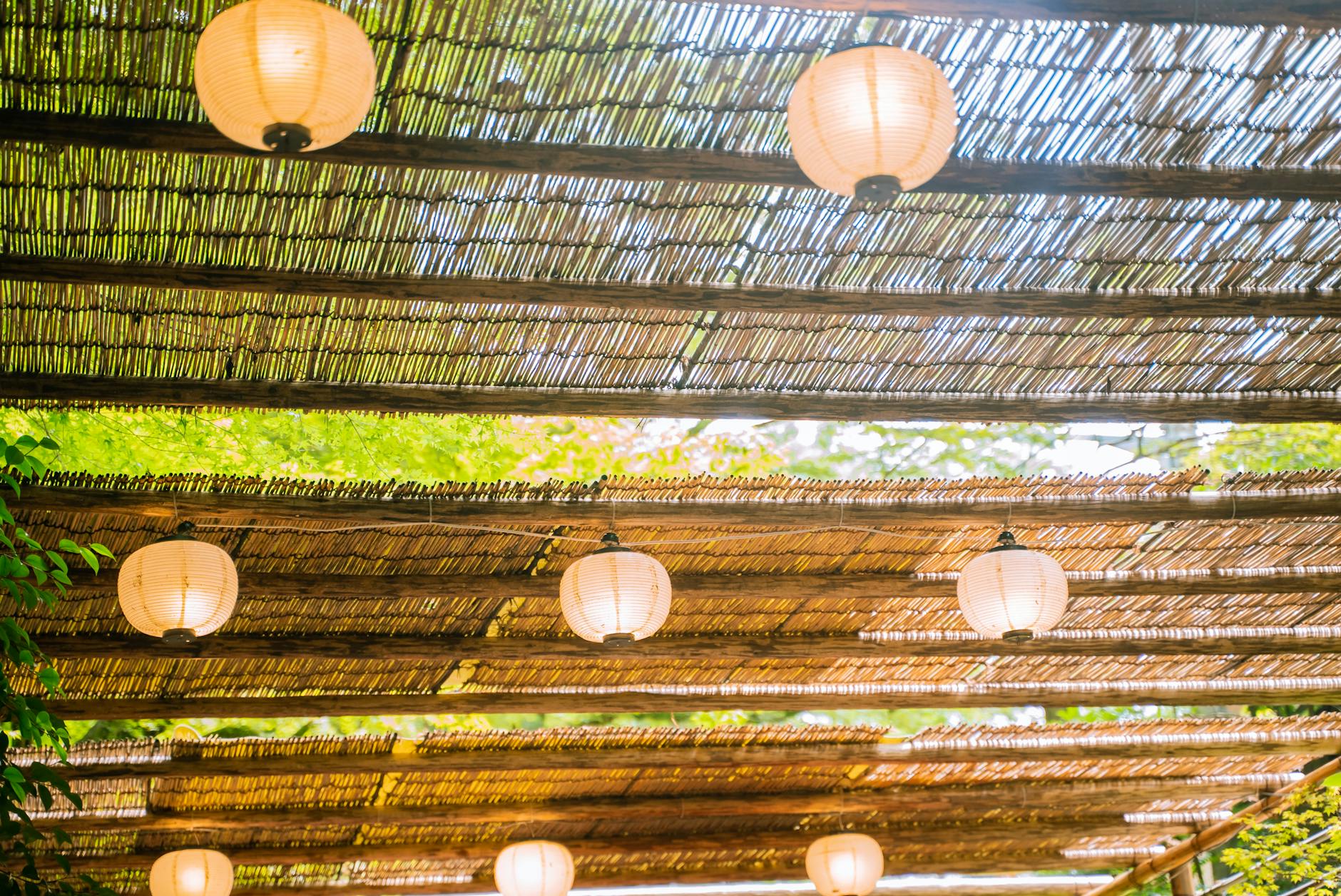
Kibune valley — the river that cools your lunch, the forest that filters the light, and the feeling that Kyoto’s soul lives in its mountains
Where to eat
Kawadoko Restaurant — Kibune
Dining on platforms over a mountain river — this is a Kyoto summer tradition that dates back centuries. The set menus feature river fish, tofu, tempura, and the famous nagashi somen. The sound of the water, the mountain air, and the absurdity of catching your noodles mid-flow make this one of the most memorable meals in Japan.
After lunch, take the Eizan Railway from Kibune-guchi Station back to central Kyoto. The whole day — the mountain temple, the forest hike, the river lunch — feels like a side quest from the main Kyoto itinerary, but it ended up being one of our favourite days of the entire trip. The mountains around Kyoto are where the city keeps its soul.
Pierre’s note
The hike from Kurama to Kibune is the best half-day in Kyoto that nobody tells you about. It is not in most guidebooks, the trails are empty even in peak season, and the combination of mountain temple, forest hike, and riverside lunch is unbeatable. Wear proper shoes — the tree roots are slippery after rain. And if it is raining, go anyway. The forest in the rain is another level of beautiful. Lia and I got caught in a ten-minute shower halfway across and it was the highlight of the hike.
Bamboo Grove at 8:30amTenryu-ji templeTogetsukyo BridgeIwatayama Monkey ParkFarewell dinner in Pontocho
Day 13 route — Saga-Arashiyama → Bamboo Grove → Tenryu-ji → Togetsukyo Bridge → Monkey Park → Pontocho farewell dinner
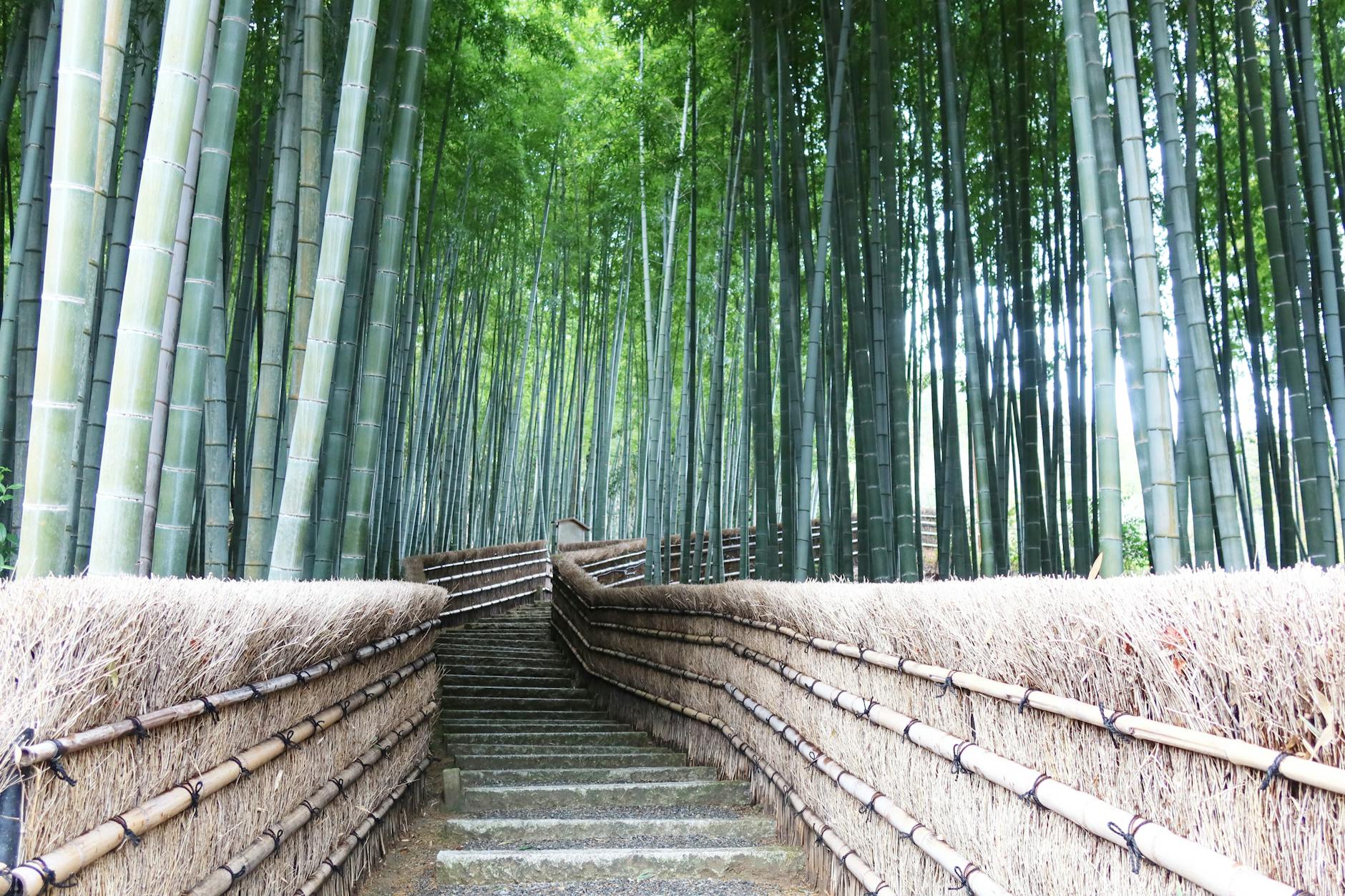
Arashiyama Bamboo Grove at 8:30am — the stalks creak and sway, the light filters through in pale green shafts, and the grove is yours
Morning — Bamboo Grove & Tenryu-ji
Take the JR Sagano Line from Kyoto Station to Saga-Arashiyama — fifteen minutes. Walk directly to the Arashiyama Bamboo Grove and arrive by 8:30am. The same rule as Fushimi Inari applies: early morning transforms a crowded tourist attraction into something transcendent. The bamboo towers above you on both sides of the path, the stalks creak and sway in the wind, and the light filters through in pale green shafts. At 8:30am we had the grove nearly to ourselves. By 10am it was impassable. Timing is everything.
From the grove, enter Tenryu-ji — a UNESCO World Heritage zen temple with one of the finest gardens in Japan. The borrowed scenery technique is on full display: the garden is designed so that the mountains behind it appear to be part of the composition, blurring the boundary between what was planted and what was always there. Sit on the wooden veranda overlooking the pond garden and let the scale of it settle. This is a garden that has been maintained for seven hundred years. The patience it represents is staggering.
What to see
Tenryu-ji Temple & Garden
A fourteenth-century zen temple with a garden that uses the surrounding mountains as borrowed scenery. The pond garden is considered one of the finest in Japan, and the exit through the back leads directly into the Bamboo Grove. Buy the garden-only ticket unless you want to see the temple interiors — the garden is the masterpiece here.
Midday — Togetsukyo Bridge & Monkey Park
Walk south to Togetsukyo Bridge — the iconic wooden bridge spanning the Katsura River with the Arashiyama mountains rising behind it. The bridge has been here in some form for four hundred years, and the view from the middle is one of those scenes that looks exactly like the postcard, which is rare and satisfying. Grab a matcha soft serve from one of the riverside stands and eat it on the bridge.
Cross the bridge and climb to Monkey Park — about twenty minutes uphill to a hilltop where Japanese macaques roam free. The monkeys are wild but habituated to visitors. You can feed them from inside a fenced hut (they are outside, you are inside — a nice reversal of the usual zoo arrangement). The real draw is the view from the top: the Katsura River, Togetsukyo Bridge, and the whole of Kyoto spread out below. Lia took approximately forty photos of the monkeys grooming each other. I took photos of the view. Both were the right choice.
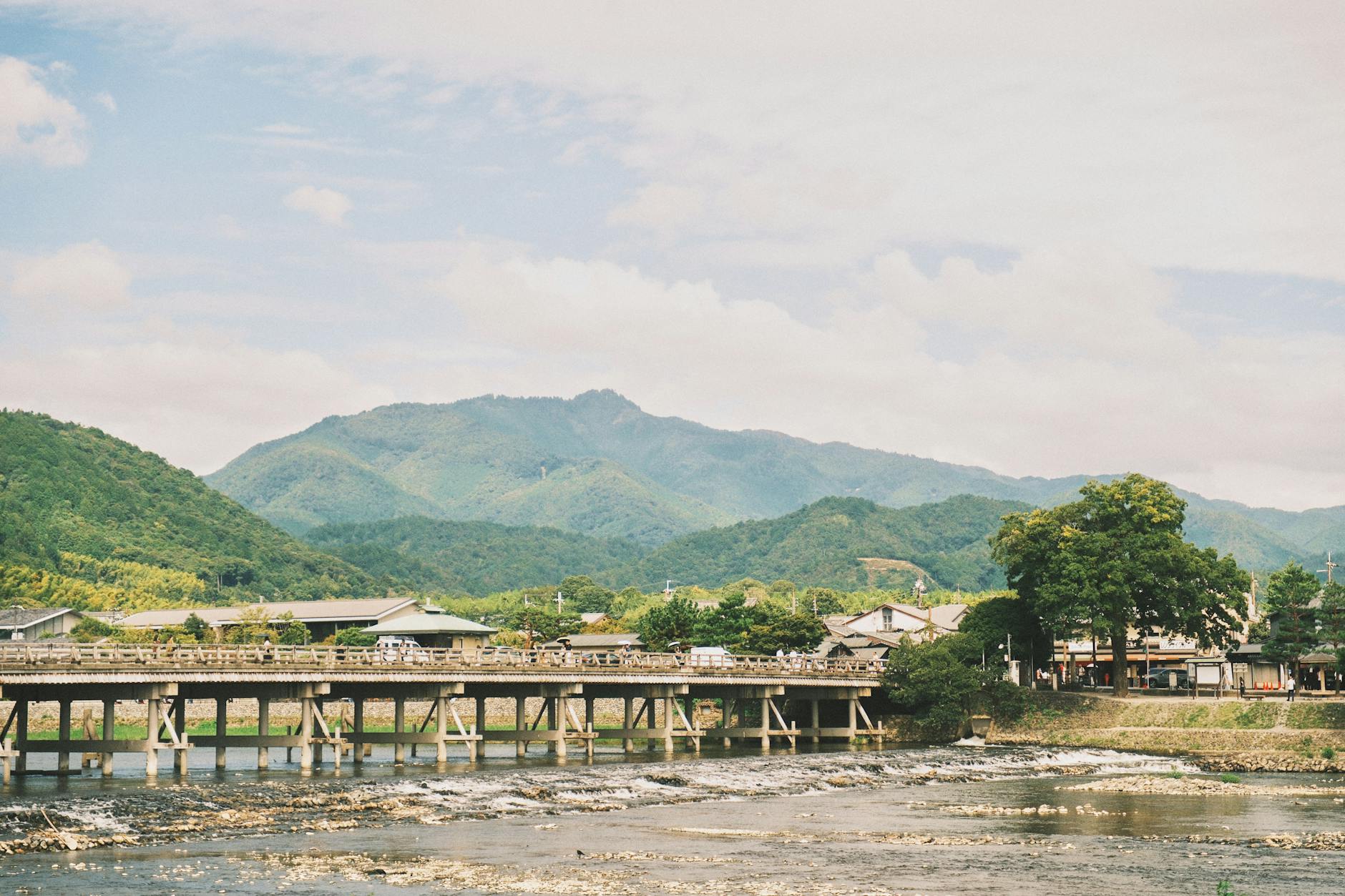
Togetsukyo Bridge — four hundred years of crossings, the mountains rising behind, and a view that looks exactly like the postcard
What to see
Iwatayama Monkey Park
A hilltop park with wild Japanese macaques and panoramic views of Kyoto. The 20-minute uphill walk is rewarded with close encounters with the monkeys and one of the best vantage points in the city. You can buy food to feed them through a wire fence from inside a hut. Entertaining and oddly charming.
Evening — Farewell Kyoto Dinner
Take the train back to central Kyoto for your last dinner in this city. We returned to Pontocho Alley — not out of lack of imagination but because Pontocho at night is one of the great dining streets in the world, and one visit is not enough. This time we chose a tiny yakitori place with eight seats and a chef who grilled each skewer over bincho-tan charcoal with the concentration of a surgeon. Chicken skin, shiitake, shishito peppers, asparagus wrapped in pork belly. A final flask of sake. A walk back through Gion one last time. Kyoto does not say goodbye — it simply continues being beautiful after you leave, and the memory of it pulls you back for the rest of your life.
Where to eat
Pontocho Yakitori — Farewell Dinner
A tiny eight-seat yakitori counter in Pontocho where the chef grills over bincho-tan charcoal and serves each skewer the moment it is ready. The quality of the chicken here — free-range Kyoto birds — is leagues above the Omoide Yokocho stalls. Order omakase and let the chef decide. Pair it with a local junmai sake.
Pierre’s note
Arashiyama Bamboo Grove at 8:30am. Fushimi Inari at 8am. Kiyomizu-dera at 9am. Do you see the pattern? Kyoto rewards the early riser with experiences that the late riser will never have. The same places that are transcendent at dawn are miserable by mid-morning. This is not elitism — it is physics. The light is better, the crowds are absent, and the silence of these places is the thing that makes them sacred. Set your alarm. Every time.
Train to OsakaHotel in NambaKitsune udon first mealShinsaibashi-suji arcadeDotonbori Canal at night
Day 14 route — Kyoto Station → Namba → Shinsaibashi-suji → Dotonbori Canal → Hozenji Yokocho
Morning — Kyoto to Osaka
Take a taxi to Kyoto Station and catch the JR Special Rapid to Osaka — thirty minutes, ¥580 per person. The train is nothing like the shinkansen — it is a commuter line, standing room only during rush hour, and it drops you into the organised chaos of Osaka Station in half the time and a tenth of the cost of the bullet train. From Osaka Station, take the Midosuji Line to Namba — the heart of Osaka’s entertainment district and your base for the next six nights.
Osaka announces itself differently than Tokyo or Kyoto. It is louder, friendlier, more chaotic, and obsessed with food to a degree that borders on religious. The people of Osaka will tell you their city eats better than anywhere in Japan. They are correct. Your first meal should be kitsune udon — thick wheat noodles in a delicate dashi broth topped with a large piece of sweetened fried tofu. It is simple and it is Osaka’s way of saying welcome. We ate ours at a counter near the hotel, surrounded by salarymen slurping in unison. We had arrived.
Where to stay
Hotel in Namba
Namba is where you want to be in Osaka — walking distance to Dotonbori, Shinsaibashi, Kuromon Market, and the Namba metro hub. The neighbourhood is alive at all hours, the food options within a five-minute walk are essentially infinite, and the energy is the perfect counterpoint to Kyoto’s serenity. Pick a hotel on a side street for quiet sleep with noisy streets one block away.
Afternoon — Shinsaibashi-suji
Walk north from Namba through Shinsaibashi-suji — a covered shopping arcade that stretches for over half a kilometre, lined with clothing stores, drugstores, restaurants, and the kind of shops that sell things you did not know existed and now cannot live without. It is not luxury shopping like Ginza — it is populist, energetic, and fun. Lia found a shop selling nothing but different varieties of Kit-Kat (matcha, sake, strawberry cheesecake, sweet potato) and bought fourteen boxes as souvenirs. I found a shop selling vintage Japanese denim and exercised more restraint than I deserved credit for.
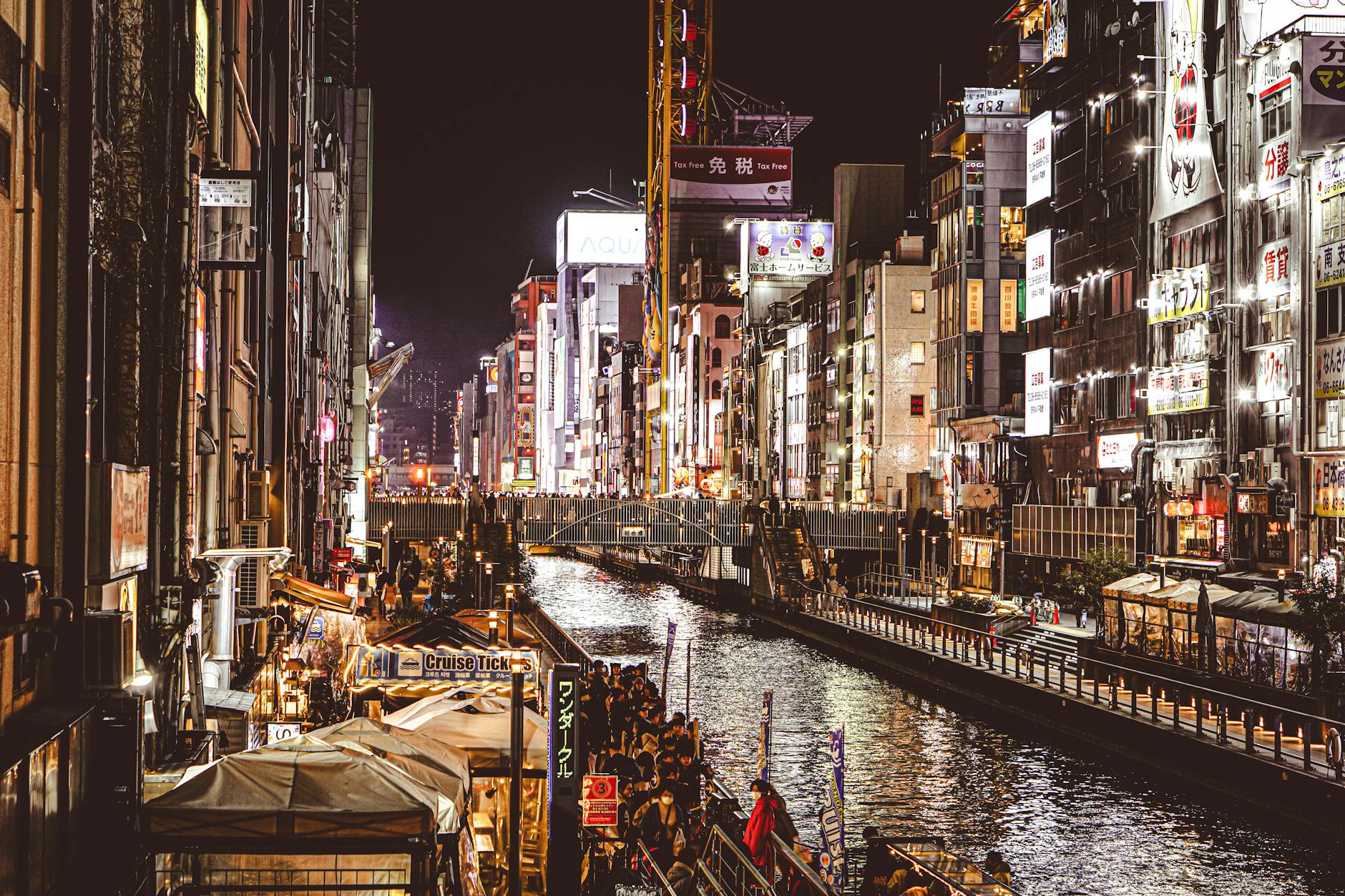
Dotonbori at night — the Glico Running Man, the giant crab, the neon shimmering on the canal, and the smell of takoyaki in every breath
Evening — Dotonbori
Dotonbori at night is sensory overload in the best possible way. The canal is lined with neon signs — the Glico Running Man, the giant mechanical crab, the pufferfish lantern — all reflected in the water below. The street-level energy is pure Osaka: vendors shouting, takoyaki sizzling on griddles, couples taking photos with the Glico sign, and the smell of okonomiyaki drifting from every other doorway.
Eat everything. Takoyaki first — crispy balls of batter filled with octopus, topped with sauce, mayo, and bonito flakes. Then okonomiyaki — Osaka’s savoury pancake, cooked on a griddle in front of you with cabbage, pork, and a tangle of toppings. Then kushikatsu — deep-fried skewers of meat, seafood, and vegetables served with a communal dipping sauce and one absolute rule: no double-dipping. For a sit-down dinner, duck into Hozenji Yokocho — a tiny moss-covered alley behind Dotonbori with intimate restaurants that feel like a different century.
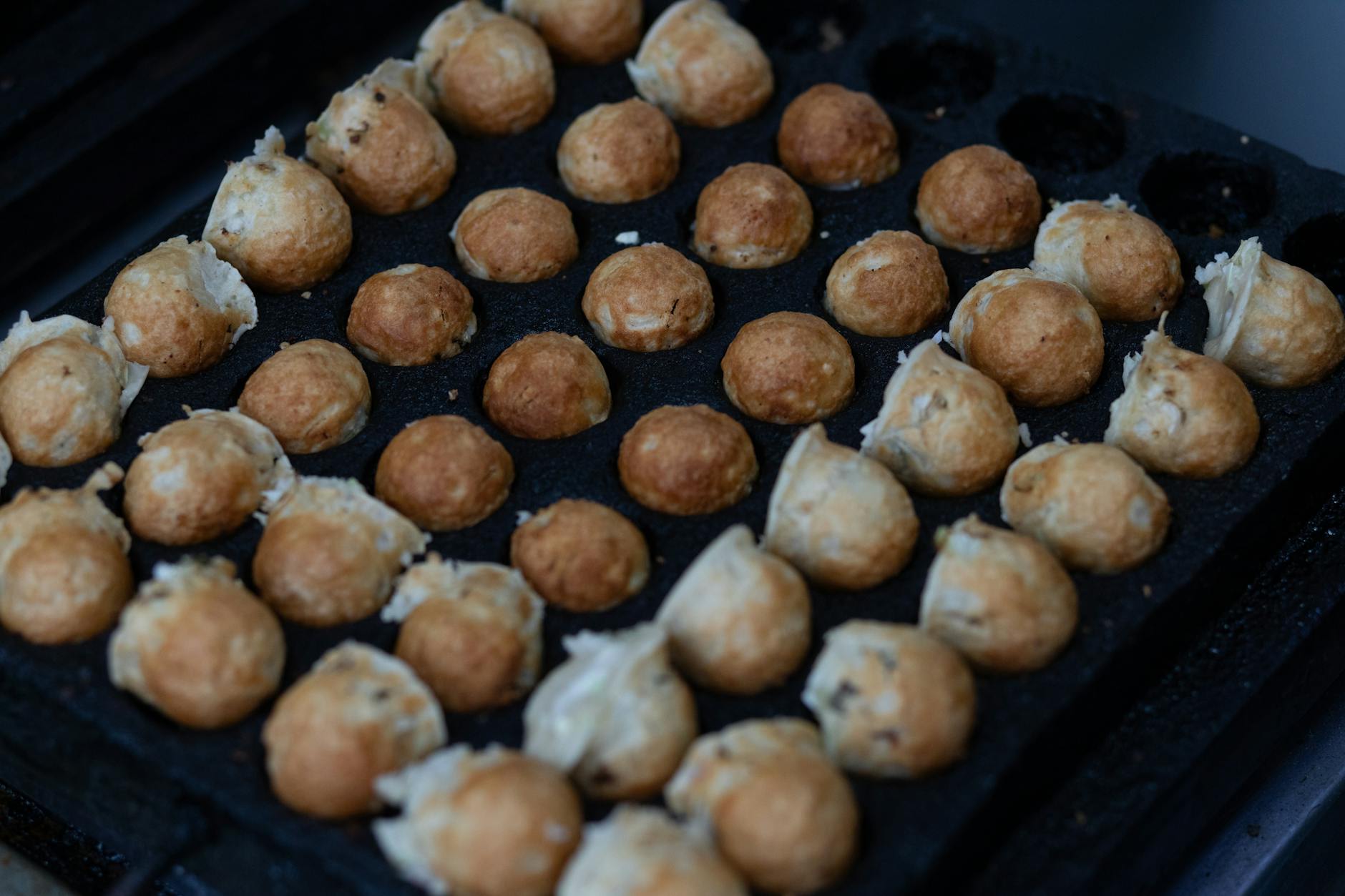
Takoyaki fresh off the griddle — crispy shell, molten centre, bonito flakes dancing in the steam, and the reason Osaka calls itself the kitchen of Japan
Where to eat
Dotonbori Street Food Crawl
The rule in Dotonbori is: eat small, eat often. Takoyaki from the stall with the longest local queue. Okonomiyaki from the griddle restaurant where they cook it in front of you. Kushikatsu from a standing counter. Finish with a beer on the canal watching the neon reflections. Budget about ¥3,000 per person for a full crawl that will leave you uncomfortably happy.
Pierre’s note
Osaka is where Japan exhales. After the precision of Tokyo and the reverence of Kyoto, Osaka is loud, funny, generous, and utterly obsessed with food. The people here greet strangers, crack jokes with tourists, and will physically guide you to the best takoyaki stall if you look even slightly lost. Lia was adopted by a takoyaki vendor on our first night who gave her an extra serving because she used chopsticks correctly. Osaka loves you back. Let it.
Osaka Castle parkMain tower observation deckCastle moat walkShinsekai districtKushikatsu standing counter
Day 15 route — Tanimachi 4-chome → Osaka Castle → Castle moat → Shinsekai → Tsutenkaku Tower → Kushikatsu counter
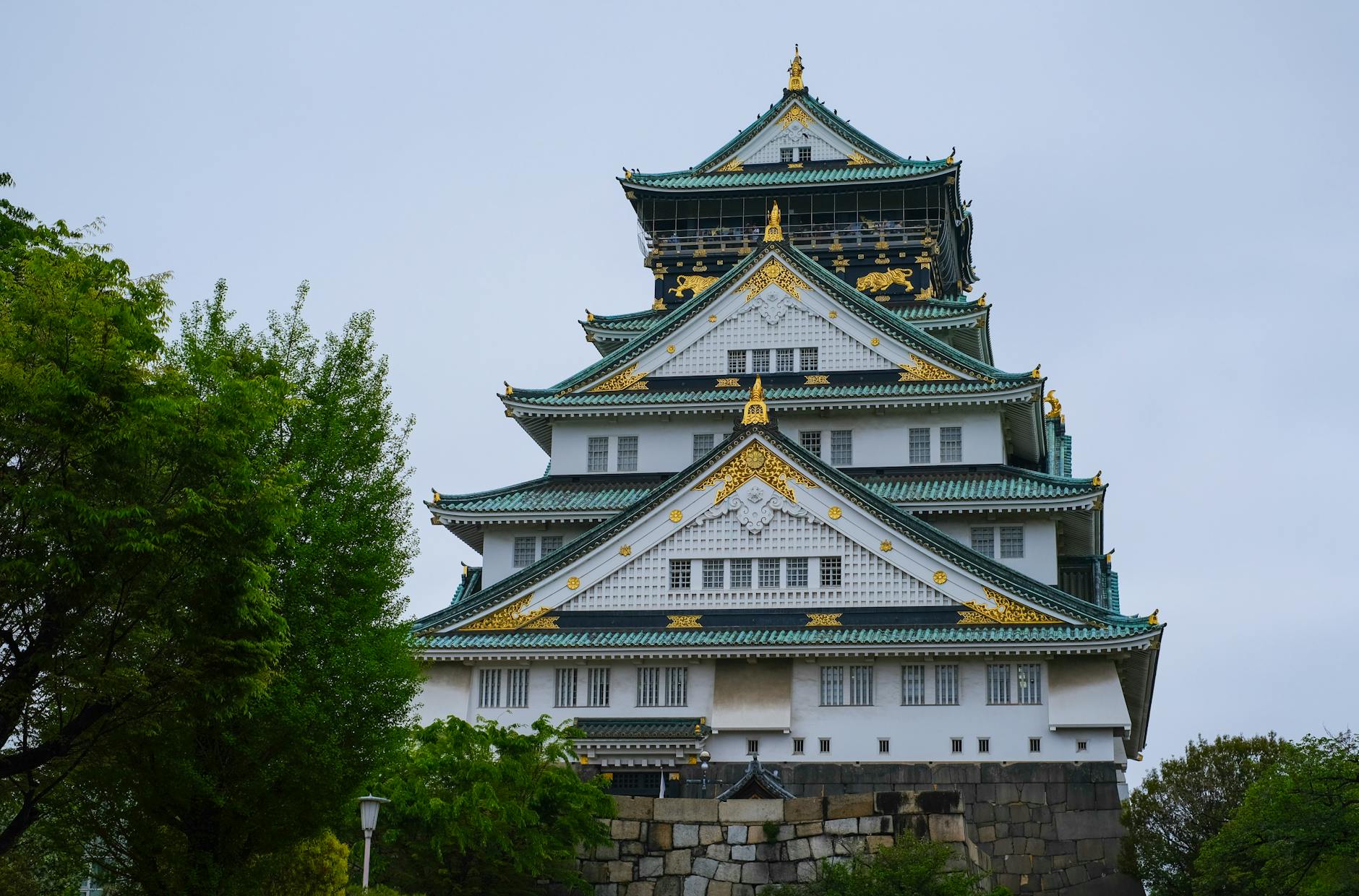
Osaka Castle rising above the moat — the stone walls are original, fitted without mortar, and the engineering is astonishing
Morning — Osaka Castle
Take the metro to Tanimachi 4-chome and walk into Osaka Castle Park. The park itself is massive — stone walls, wide moats, and cherry trees that must be extraordinary in spring. In late September the grounds were green and warm, the joggers circled the moats, and the castle’s white walls and green-gold roof rose above the trees like something from a history painting. The main tower is a reconstruction — the original was destroyed and rebuilt multiple times — but the observation deck on the eighth floor gives you 360-degree views of Osaka that make the climb worthwhile.
Inside, the museum covers the history of Toyotomi Hideyoshi, the warlord who built the original castle and unified Japan. The samurai helmet exhibit on the fifth floor is worth lingering over — the helmets are works of art, some with antlers, crescent moons, or elaborate crests designed to terrify opponents. Lia was fascinated. I was fascinated by how much Lia was fascinated. Walk the full moat after descending — the stone walls are original, massive, and fitted together without mortar. The engineering is astonishing.
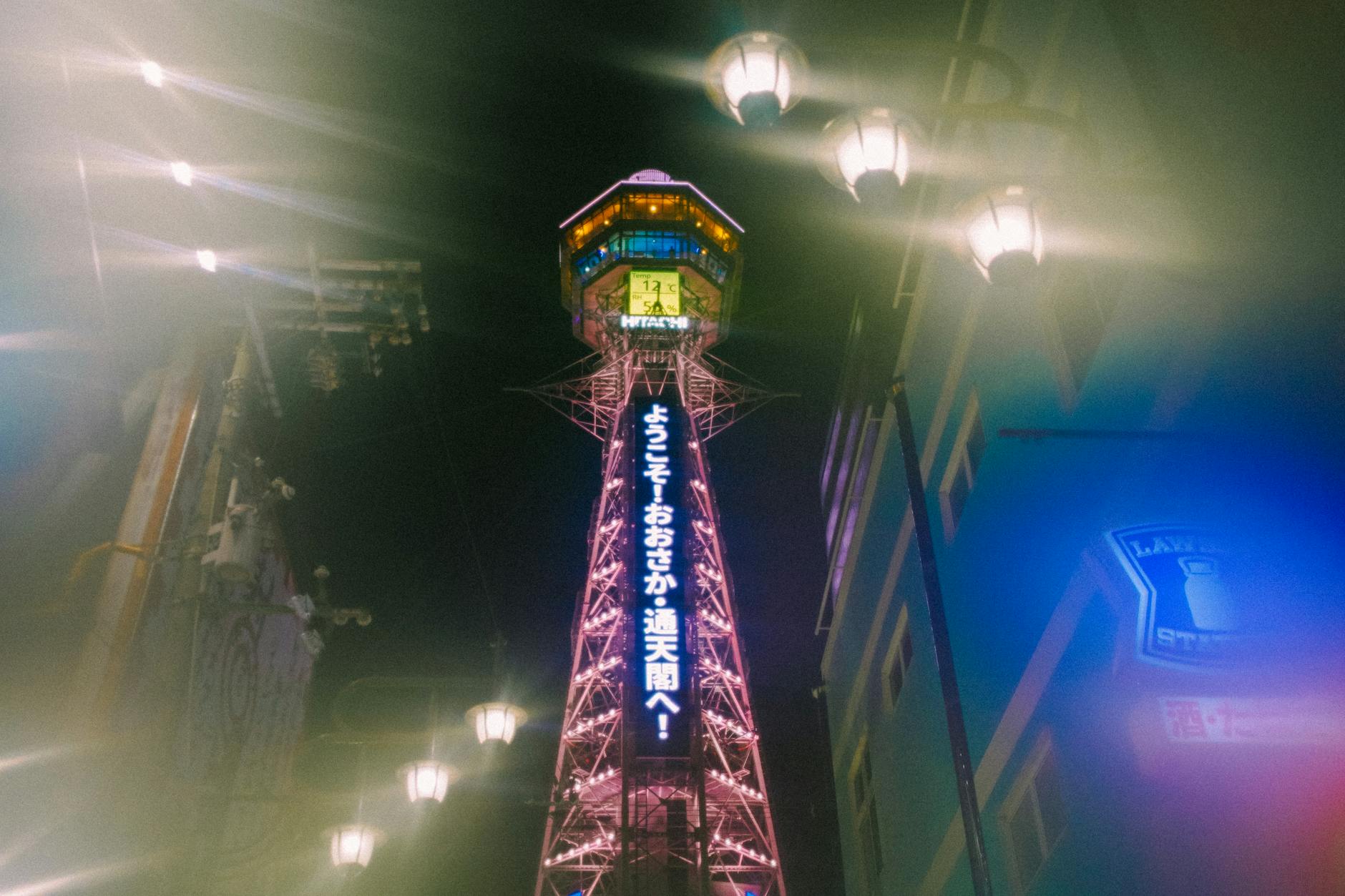
Shinsekai and Tsutenkaku Tower — the retro Osaka that the guidebooks skip, the kushikatsu that the locals protect, and the neon that never learned subtlety
What to see
Osaka Castle
Osaka’s defining landmark — a reconstructed castle tower surrounded by massive stone walls and a moat. The museum inside covers the castle’s turbulent history, and the observation deck gives panoramic city views. The park around it is ideal for a morning walk. Skip the castle if you only have one morning in Osaka — but if you have two, this is worth the visit.
Afternoon — Shinsekai
Take the metro south to Shinsekai — Osaka’s retro entertainment district, built a century ago as the city’s vision of the future and now frozen in a cheerful time warp. Tsutenkaku Tower dominates the skyline — a lattice tower modelled vaguely on the Eiffel Tower, surrounded by streets of pachinko parlours, game arcades, and kushikatsu restaurants with plastic food displays out front. The neighbourhood is scruffy, loud, and completely unpretentious. It is Osaka at its most Osaka.
Where to eat
Kushikatsu in Shinsekai
Shinsekai is the birthplace of kushikatsu — battered and deep-fried skewers of everything from pork and shrimp to lotus root, quail eggs, and asparagus. Sit at a standing counter, order a set of fourteen skewers, dip each once in the communal sauce (never twice — this is the one rule), and wash it down with a cold draft beer. We ate fourteen skewers each for about ¥1,500 per person. The pork belly and the renkon were the standouts.
Pierre’s note
Shinsekai is not polished. It is not on most couples’ itineraries. It is also one of the most authentic food neighbourhoods in Osaka — the kushikatsu here is better and cheaper than the tourist-oriented places in Dotonbori, and the atmosphere is wonderfully local. Lia and I were the only non-Japanese customers at our kushikatsu counter, and the cook gave us extra sauce and a thumbs up when we followed the one-dip rule without being told. Small victories in a city that celebrates eating above all else.
Kuromon Ichiba Market at 9amSeafood breakfast grazingPokemon CenterNamba pop culture shopsDepachika food halls
Day 16 route — Kuromon Ichiba Market → Pokemon Center Namba → Amerikamura → Shinsaibashi → Depachika food hall
Kuromon Market at 9am — grilled scallops, wagyu skewers, and the best seafood breakfast of the entire trip
Morning — Kuromon Market
Kuromon Market opens early, but 9am is the sweet spot — the stalls are fully set up, the grills are hot, and the crowds have not yet peaked. This is Osaka’s kitchen, a covered market stretching several blocks where vendors sell the freshest seafood in the city and cook it in front of you. The protocol is the same as Tsukiji: walk the full length first, then double back and eat.
Grilled scallops the size of your palm, split open and doused with soy butter. Sea urchin served in its shell with a tiny spoon. Wagyu beef skewers seared over charcoal until the fat renders and the outside crisps. Tuna sashimi cut from a block the size of a pillow. We ate our way through the market for an hour, spending about ¥4,000 between us, and it was the best breakfast of the trip. Every item was ¥300 to ¥800 and every item was worth it.
Where to eat
Kuromon Ichiba Market
Osaka’s premier food market — vendors grill scallops, sear wagyu, slice sashimi, and crack open sea urchin while you watch. Graze from stall to stall and build your own seafood breakfast. The grilled scallops with soy butter are mandatory. The wagyu skewers are life-changing. Arrive by 9am — the best stalls sell out by early afternoon.
Afternoon — Namba Pop Culture
Walk from Kuromon to the Pokemon Center in Namba — a store that will make you feel like a child regardless of your age. The exclusive Osaka merchandise, the sheer volume of plushies, and the dedication of the Japanese collectors browsing alongside you create an atmosphere of pure, unironic joy. Lia bought a Pikachu wearing an Osaka takoyaki chef’s outfit. I bought a Snorlax the size of my torso. Neither of us regrets these decisions.
The Namba area is packed with pop culture shops — manga stores, vintage toy shops, arcade buildings with floors dedicated to crane games, photo booths, and rhythm games. Spend the afternoon browsing, playing, and getting lost in the side streets. By evening, drift to Shinsaibashi for night shopping — the arcade is neon-lit and buzzing, and the department store basements (depachika) are doing their end-of-day markdowns on wagyu bento, sushi platters, and pastries. Assemble dinner from the depachika and eat it in the hotel room. Sometimes the best meal is the one you curate yourself.
Namba after dark — neon, noise, and the kind of energy that makes Osaka feel like a city that never considered sleep an option
What to see
Pokemon Center Osaka
A flagship Pokemon store with Osaka-exclusive merchandise, limited edition plushies, and the kind of immersive retail experience that Japan does better than anywhere. Even if you are not a Pokemon fan, the store is worth visiting for the spectacle. The Osaka-themed merchandise — Pikachu in takoyaki outfits, Eevee with Osaka Castle — makes for excellent souvenirs.
Pierre’s note
The depachika food halls in Japanese department stores are one of the great underrated travel experiences. Every major department store has a basement floor dedicated to food — and the quality is extraordinary. At closing time (usually 7:30–8pm), they mark everything down by 20–50%. Lia and I assembled a dinner of wagyu bento, assorted sashimi, pickled vegetables, and two pastries for about ¥2,500 total. The sashimi was better than most restaurants. The pastries were French-level. This is the cheat code.
Train to NaraNara Park deerKasuga Taisha shrineTodai-ji templeIsui-en Garden
Day 17 route — Namba → Kintetsu Nara → Nara Park → Kasuga Taisha → Todai-ji → Isui-en Garden
Nara’s sacred deer — they bow for crackers, photobomb your pictures, and have more personality than most people you will meet on this trip
Morning — Nara Park
Take the Kintetsu Line from Namba to Kintetsu Nara — about forty-five minutes, and the station drops you a short walk from the park. Nara’s deer are everywhere. Over a thousand sika deer roam freely through the park, the temple grounds, and the surrounding streets. They are sacred — designated as national treasures — and they have learned over centuries that humans carry food. Buy a stack of shika senbei (deer crackers) for ¥200 and the deer will bow to you before eating from your hand. They literally bow. It is not a trick — it is a learned behaviour passed down through generations of deer that have been fed by visitors since the eighth century.
Lia was immediately surrounded by seven deer who sensed the crackers in her hand with predatory accuracy. One tugged at her jacket pocket. Another nudged her from behind. She was laughing too hard to be afraid. The deer at the udon restaurant near Todai-ji are particularly bold — they wait outside, watching diners through the windows with an intensity that suggests they have filed formal complaints about not being seated.
What to see
Nara Park & the Sacred Deer
Over a thousand free-roaming sika deer in a park that contains some of Japan’s oldest temples. The deer bow for crackers, photobomb your pictures, and have more personality than most people you will meet on this trip. Buy the shika senbei and prepare to be mobbed. It is charming, slightly chaotic, and completely unforgettable.
Midday — Kasuga Taisha & Todai-ji
Walk through the park to Kasuga Taisha — a Shinto shrine famous for its thousands of stone lanterns lining the approach and bronze lanterns hanging inside the halls. The lanterns are donated by worshippers and have accumulated over centuries, creating a corridor of moss-covered stone that feels ancient in a way that even Kyoto’s temples cannot match. Twice a year they light all three thousand lanterns at once. We were not there for that, but even unlit the effect is haunting.
Then Todai-ji — the temple that houses the Great Buddha. The Daibutsu-den (Great Buddha Hall) is the largest wooden structure in the world, and it was built to house a bronze Buddha that is fifteen metres tall. You walk through the gate, cross the courtyard, enter the hall, and the scale of it hits you physically. The Buddha’s face is serene and enormous, the incense smoke curls around the columns, and the silence of several hundred visitors all struck speechless at once is its own kind of prayer. There is a pillar in the hall with a hole at the base — if you can squeeze through it, you are granted enlightenment. The hole is roughly the size of the Buddha’s nostril. Lia made it through. I did not attempt it.
Todai-ji — the largest wooden building in the world, built to house a Buddha so large the building had to match
What to see
Todai-ji Temple — The Great Buddha
The largest wooden building in the world, housing a 15-metre bronze Buddha. The scale is genuinely awe-inspiring — the building had to be this large because the Buddha inside is that large. The pillar with the enlightenment hole is near the back right. The temple grounds are patrolled by deer who will bow for your crackers on the way out.
Afternoon — Isui-en Garden & Return
Before leaving Nara, visit Isui-en Garden — a small strolling garden near Todai-ji with a koi pond, borrowed views of the mountains, and the kind of meticulously maintained perfection that Japanese gardening achieves at its best. We sat on a bench by the pond and watched the koi drift in lazy circles, their orange and white scales flashing in the water. A deer wandered up to the garden fence and watched us with the calm authority of an animal that knows it outranks you.
Take the train back to Osaka in the late afternoon. Nara is a perfect day trip — close enough to reach easily, small enough to cover in a day, and strange enough (the deer, the giant Buddha, the enlightenment hole) to feel like a side chapter in a story that keeps getting better. We arrived back in Namba in time for a quiet dinner and an early night before Universal Studios tomorrow.
What to see
Isui-en Garden
A small, exquisite strolling garden with two sections — the front garden with a pond and tea house, and the rear garden with borrowed scenery of Todai-ji’s roof and the Nara mountains. It is the most peaceful spot in a town that is already more peaceful than Osaka or Kyoto. The koi pond alone is worth the entry fee.
Pierre’s note
The deer in Nara are delightful but they are also wild animals with boundary issues. They will nibble maps, tug bags, and headbutt you gently if they think you are hiding crackers. Show them your empty hands when you have no food and they lose interest immediately. And do not chase them — they remember faces, apparently, or at least that is what the vendor told me after a deer stole my ice cream cone directly from my hand while I was paying. Lia photographed the whole thing. The deer looked satisfied. I was less so.
Full day at USJHarry Potter firstSuper Nintendo WorldDonkey Kong CountryMinion Park & JAWS at night
Day 18 route — Namba → Universal City → Wizarding World → Super Nintendo World → Donkey Kong Country → Minion Park
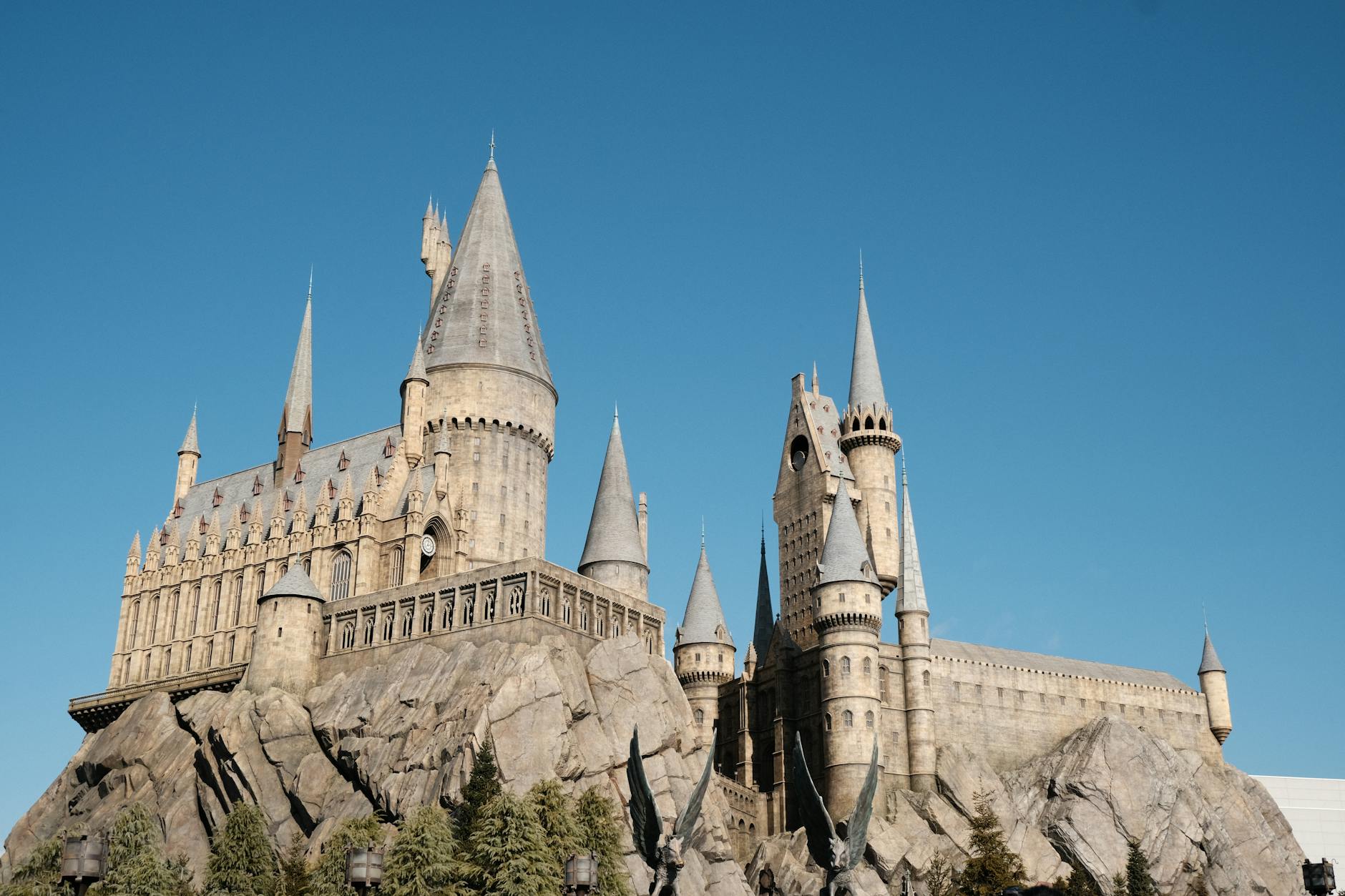
Universal Studios Japan — where Harry Potter, Mario, and Donkey Kong share a postcode, and the butterbeer debate begins
Morning — Wizarding World
Universal Studios Japan opens at various times depending on the day — check the schedule and arrive at least thirty minutes before. The park is accessible by JR from Namba via a transfer at Nishi-Kujo to the Yumesaki Line, about forty minutes total. Head directly to the Wizarding World of Harry Potter. Lia bought a Slytherin robe at the shop inside the castle entrance and wore it for the rest of the day with zero irony. I respected this completely.
The Hogwarts Castle ride — Harry Potter and the Forbidden Journey — is the centrepiece. The queue takes you through Dumbledore’s office, the Defence Against the Dark Arts classroom, and the corridors of the castle, all rendered with a detail that makes the wait feel like an attraction in its own right. The ride itself is a motion-based dark ride that swoops you through quidditch matches and encounters with dementors. It is intense, immersive, and excellent. After the ride, get butterbeer at the Three Broomsticks — a frosted mug of butterscotch cream soda that is sweeter than it should be and exactly as magical as you want it to be. Pair it with the smoked ribs.
Where to eat
Three Broomsticks — Wizarding World
A surprisingly good theme park restaurant inside Hogsmeade Village. The smoked ribs are genuinely excellent, the shepherd’s pie is hearty, and the butterbeer — available frozen or regular — is the experience everyone is here for. Sit inside for the full Great Hall atmosphere, complete with floating candles and stone arches.
Afternoon — Super Nintendo World & Donkey Kong
Super Nintendo World is the reason people fly to Osaka. You walk through a warp pipe and emerge into a life-sized Mario level — question blocks overhead, piranha plants snapping, coins spinning, and a Bowser’s Castle looming in the background. Buy a Power-Up Band at the entrance (about ¥4,800) and it syncs to the app, letting you punch question blocks throughout the land to collect coins and compete in mini-games. It is absurd and wonderful and makes adults giggle.
Mario Kart: Koopa’s Challenge is the headline ride — an AR experience where you wear a Mario hat with a visor and race through Mushroom Kingdom throwing shells at other riders. It is technically impressive and genuinely fun. The newest addition is Donkey Kong Country — a separate area themed around the jungle, with a mine cart roller coaster that is the best ride in the park. The theming is so detailed that you can hear the DK Country soundtrack playing as you walk through, and Lia started humming it involuntarily. I joined her. We are those people now.
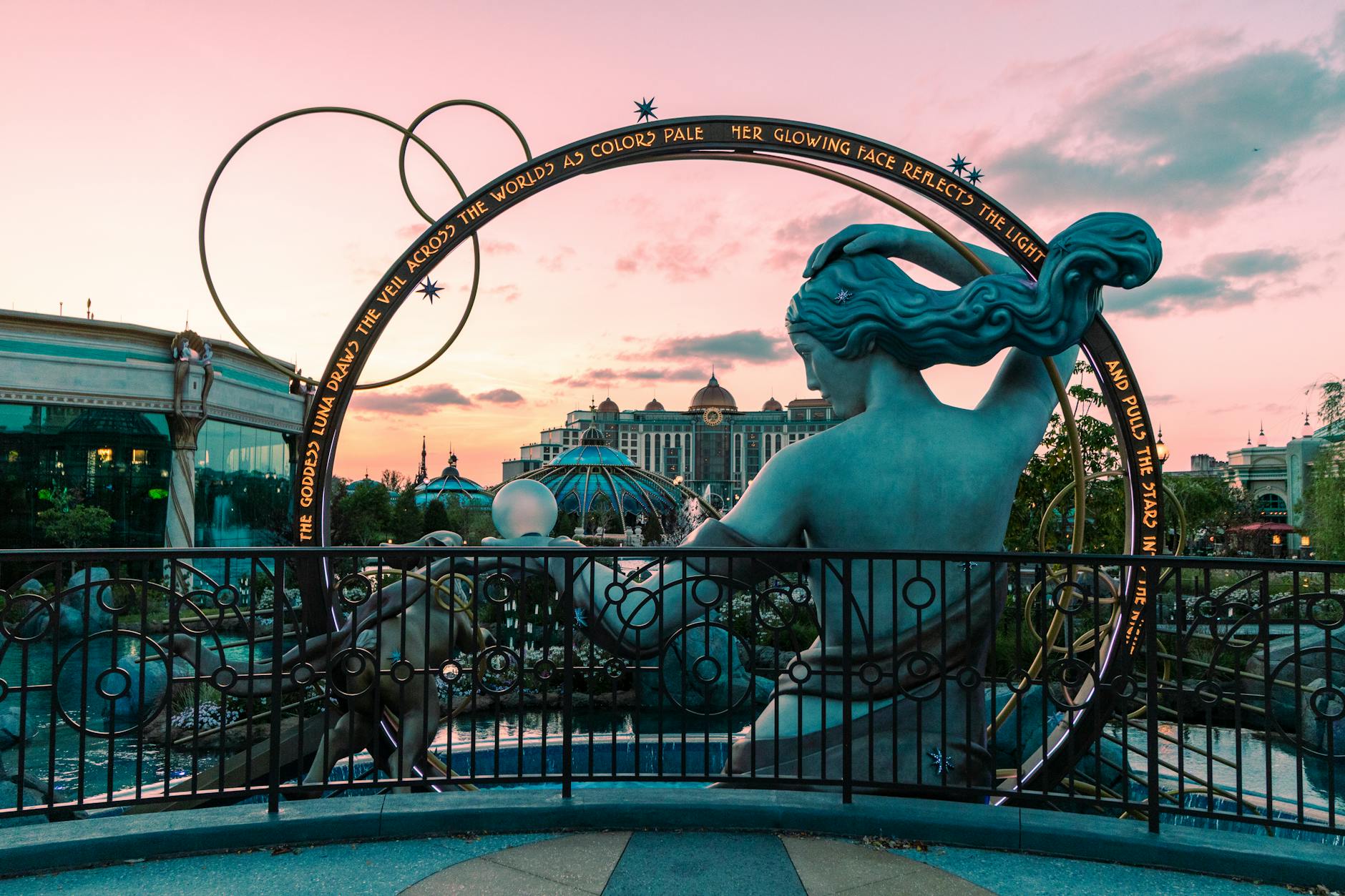
Hogwarts Castle at USJ — the queue alone is worth an attraction, and the butterbeer debate will outlast the trip
What to see
Super Nintendo World
A life-sized Mario game world with interactive elements, AR rides, and the kind of theming that makes you forget you are in a theme park. The Power-Up Band turns the whole area into a game. Mario Kart uses AR goggles for an experience you genuinely cannot get anywhere else. The Donkey Kong Country mine cart ride is the best coaster in the park.
Evening — Minion Park & JAWS
As the afternoon fades, drift through Minion Park — the yellow chaos is entertaining even if you are not a Despicable Me fan, and the banana-flavoured popcorn is strangely excellent. The park takes on a different character at dusk: the lights come on, the crowds thin slightly, and the atmosphere shifts from frenetic to warm. On your way out, stop at the JAWS ride area for the iconic photo with the hanging shark. It is kitschy and perfect and the kind of photo that makes you smile every time you see it years later. Walk back to the station tired, happy, and carrying far too many things purchased from gift shops.
Pierre’s note
If you can only do one theme park day in Osaka, do Universal. If you can do three (two Disney plus Universal), do all three and consider an Express Pass for USJ — it costs about ¥10,000 on top of the park ticket but it eliminates queues for the major rides, and on a busy day that means riding Mario Kart in fifteen minutes instead of ninety. We did not buy one and regretted it by 2pm. Learn from our mistake. Also: the frozen butterbeer is better than the regular. Lia disagrees. This is one of the few points on which our trip reports diverge.
Sleep inNamba exploringLast Dotonbori eveningTakoyaki farewellBeer on the canal
Day 19 route — Hotel Namba → Kuromon Market → Amerikamura kissaten → Dotonbori Canal → Glico Running Man
Morning — Rest
Sleep in. After eighteen days of early alarms, train schedules, temple openings, and theme park strategies, today is the exhale. No alarm. No itinerary until your body decides to be awake. Lia and I woke up around 10am, which felt almost scandalous after two weeks of 7am starts. We lay in bed with the curtains open and talked about what we would remember most. She said the kimono tea ceremony. I said the onsen at Kawaguchiko. We both said the deer in Nara. Then we got dressed and went to find breakfast at noon like the relaxed, slightly decadent travellers we had earned the right to be.
Afternoon — Namba Wandering
Spend the afternoon doing whatever you missed or want to revisit. For us, it was a return to Kuromon Market for one last round of grilled scallops, a browse through the vintage shops in Amerikamura (Osaka’s answer to Harajuku), and a long coffee at a kissaten — a traditional Japanese coffee shop where the coffee is hand-poured and the atmosphere is deliberately frozen in 1975. No rush. No agenda. Just the pleasant aimlessness of a last full day in a city that has fed you extraordinarily well.
Where to drink
Kissaten Coffee in Namba
A traditional Japanese coffee house — hand-poured coffee, wood-panelled walls, jazz on the speakers, and the understanding that you are welcome to sit for as long as you like. The iced coffee is served in a tall glass with simple syrup on the side. The hot coffee is poured from a copper kettle with a swan-neck spout. Either way, it is a ritual, not just a drink. The perfect speed for a last afternoon.
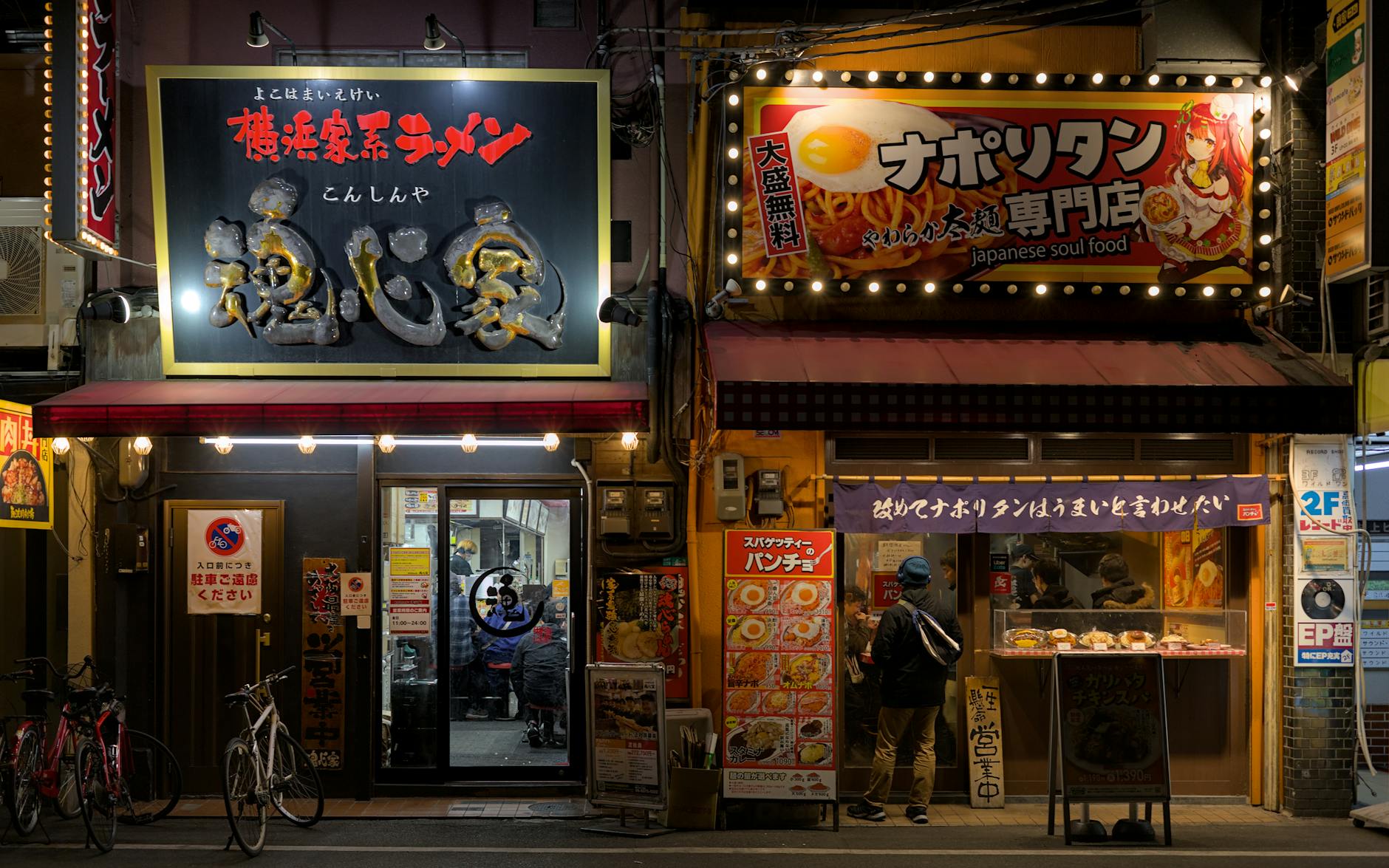
The last night — takoyaki, neon, beer on the canal wall, and the bittersweet knowledge that twenty days was not enough
Evening — Last Night in Dotonbori
Your last night in Japan should end where Osaka’s heart beats loudest: Dotonbori. Walk the canal one more time. Take the Glico Running Man photo you were too cool to take on night one. Find the takoyaki vendor you have been going to all week — by now they might recognise you, and if they do, that nod of familiarity is worth more than any souvenir. Lia’s favourite vendor gave her an extra takoyaki on the house on our last visit. She bowed. He bowed. I stood there holding the beer and tried not to get emotional about fried octopus balls.
Buy two beers from a konbini and sit on the canal wall. Watch the neon signs reflect in the water — the Running Man, the crab, the pufferfish, all shimmering and rippling like a fever dream of a city that refuses to stop feeding you. Tomorrow you leave. Tonight you are still here, and Osaka is still loud, still generous, still exactly itself. Pack when you get back to the hotel. Set the alarm one last time.
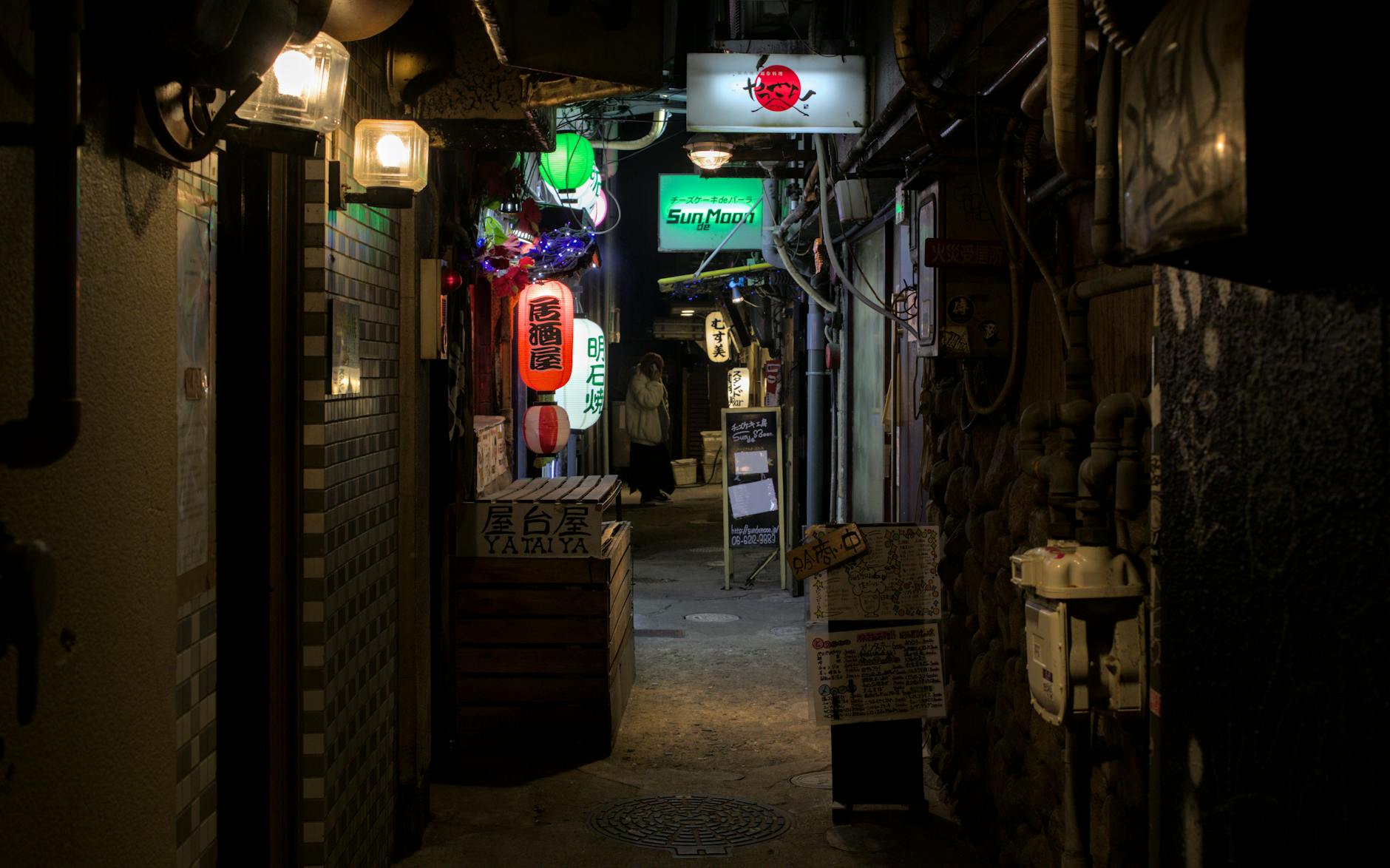
The last walk through Osaka at night — warm lanterns, quiet alleys, and the bittersweet understanding that this city gave you more than you expected
Where to eat
Farewell Dotonbori Crawl
One last takoyaki. One last okonomiyaki. One last beer on the canal. This is not a meal — it is a closing ceremony. Return to the vendors you loved, order the things that made you happy, and eat them slowly with the knowledge that tomorrow this becomes a memory. The total cost is irrelevant. The experience is priceless. That said, it will be about ¥2,000.
Pierre’s note
The last night of a trip is always bittersweet, but in Japan it hits differently. This country gives you so much — beauty, precision, kindness, extraordinary food — and asks for so little in return. Just respect. Just patience. Just the willingness to take off your shoes, bow when someone bows to you, and eat what is put in front of you with gratitude. Lia and I sat on the Dotonbori canal wall and agreed on one thing: we would come back. Not because we missed anything. Because twenty days was not enough to stop being surprised.
Train to Osaka StationShinkansen to TokyoNarita Express to airportFly home
Day 20 route — Hotel Namba → Shin-Osaka → Tokyo Station → Narita Airport
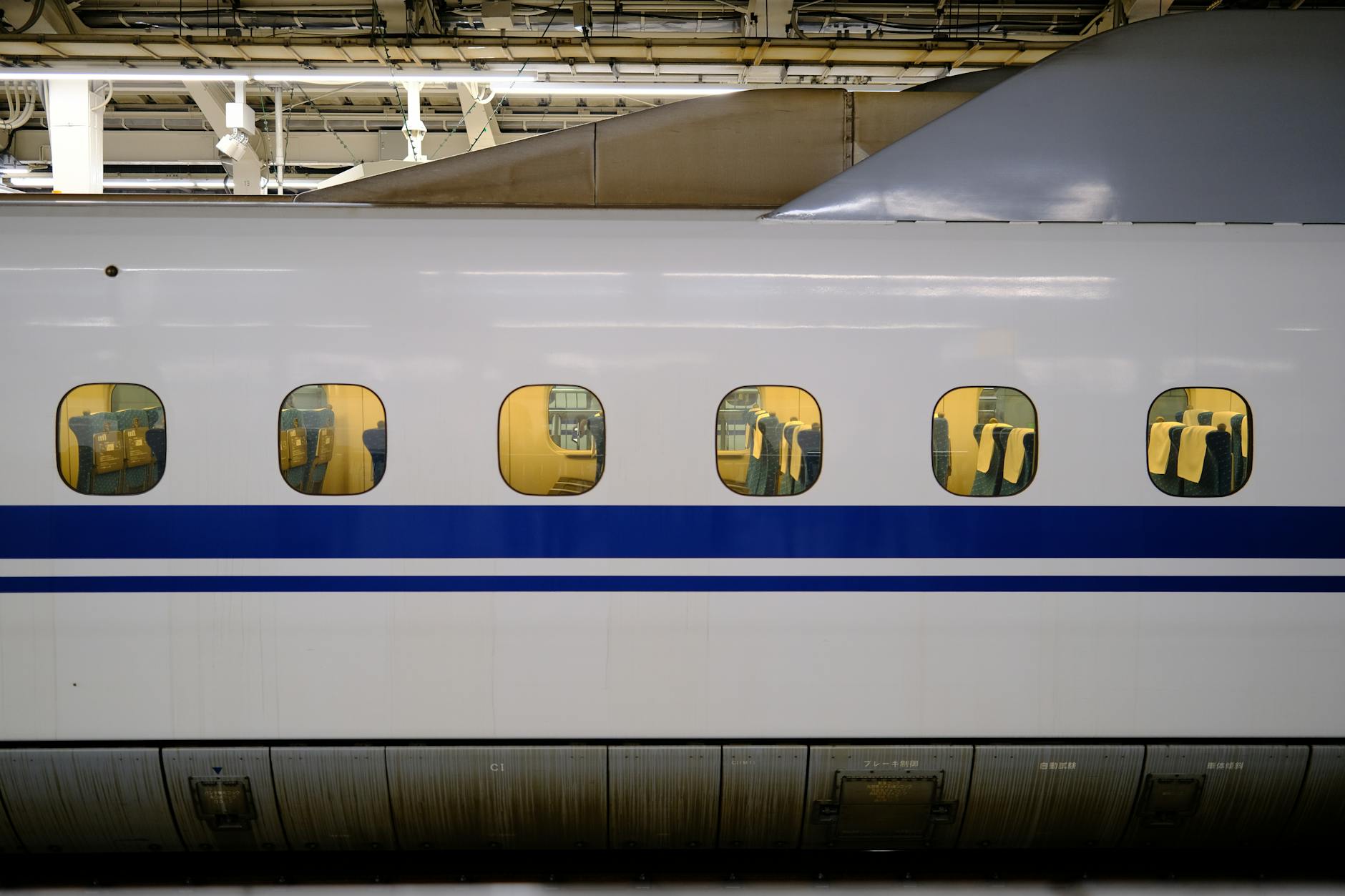
The shinkansen home — one last glimpse of Fuji through the window, one last ekiben, and the quiet recognition that this country changed something in you
Morning — Departure
Check out of the hotel and take the metro to Osaka Station. Buy one last ekiben — a bento for the road — and board the Nozomi shinkansen back to Tokyo. The ride is two and a half hours, and this time you sit on the left side, because Mt. Fuji appears on the opposite window going east and you want one final look at the mountain that started this journey. If the sky is clear, there she is — white-capped and enormous, framed in the train window like a painting you have seen before but never from this angle, at this speed, with this person beside you.
Logistics
Osaka to Narita Airport
Shinkansen from Shin-Osaka to Tokyo Station (about 2h30, ~¥14,000), then transfer to the Narita Express (about 1 hour, ~¥3,250). Allow at least 4.5 hours total from hotel checkout to airport check-in. Buy your Narita Express ticket at the JR counter in Tokyo Station — the train runs every 30 minutes and is clearly signposted. Alternatively, fly from Kansai International Airport if your airline operates from there — it is closer to Osaka.
Afternoon — Flying Home
At Tokyo Station, transfer to the Narita Express — about an hour to the airport. The train is comfortable and quiet, and the suburbs of Tokyo slide past the window in reverse order: the skyline shrinking, the buildings thinning, the rice paddies returning. At Narita, check in, clear security, and spend your remaining yen at the airport shops — the Kit-Kat selection here is almost as good as the Namba Pokemon Center, and the last-minute omiyage (souvenir gift) options are excellent.
Twenty days. Four cities. Hundreds of meals, dozens of temples, three theme parks, one mountain, one thousand deer, and one person beside you through all of it. Japan did what Japan does — it exceeded every expectation while teaching you that the expectations were too small. The flight home is long. You will sleep through most of it. And somewhere over the Pacific, you will wake up and reach for the person next to you, and the two of you will start planning when to go back.
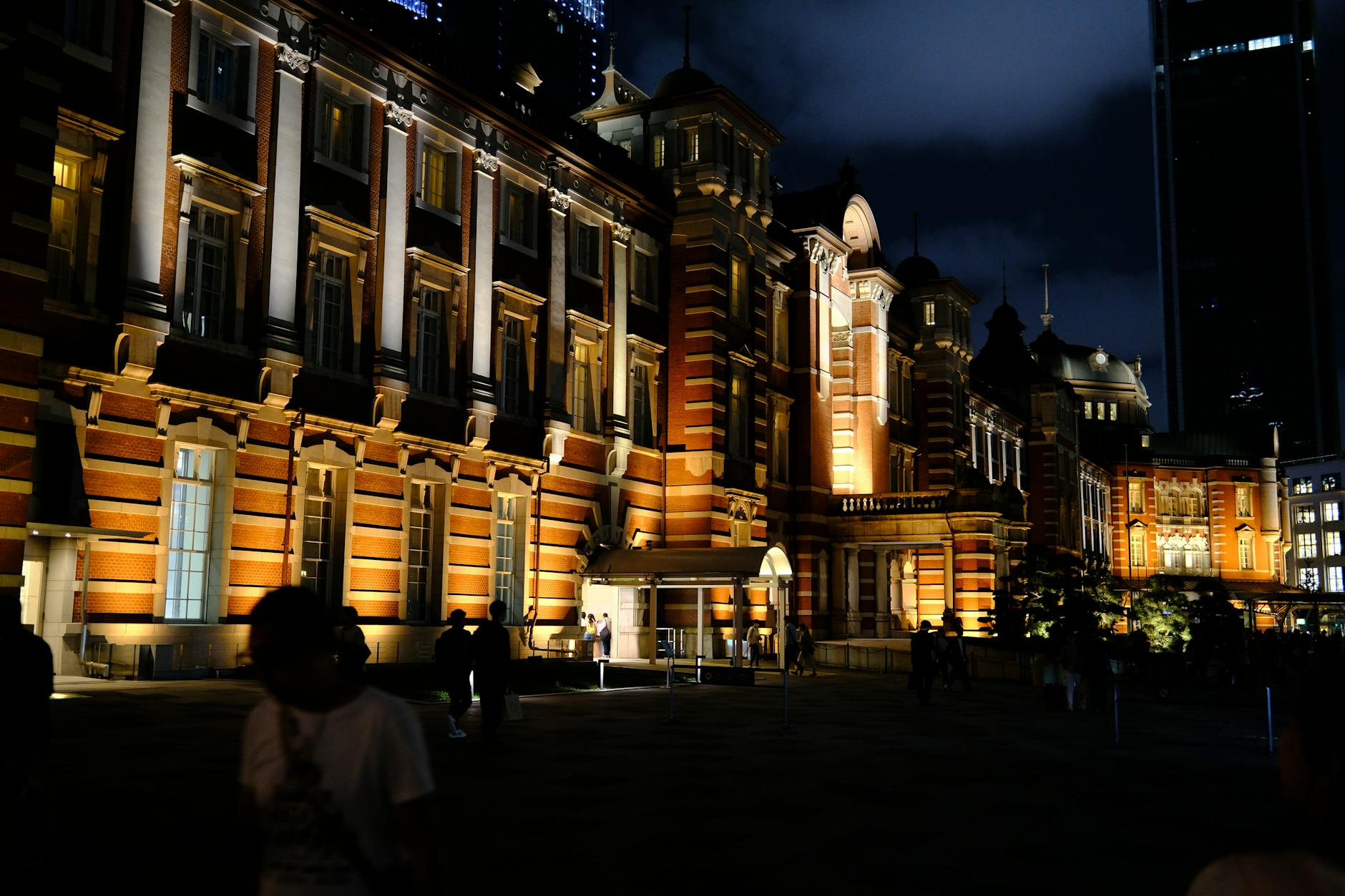
Tokyo Station — where the journey ends as it began, with a train platform, an ekiben, and the quiet knowledge that this country changed something in you
Pierre’s note
Use your remaining Suica card balance at the airport convenience stores — it works at every shop in Narita, and whatever is left on it is yours to spend. Lia and I bought onigiri, a bottle of Japanese whisky from duty-free, and two cans of the specific brand of canned coffee we had been drinking every morning from vending machines for three weeks. That coffee, more than any souvenir, is what brought Japan back to us on the flight home. Some memories live in flavours. Bring the flavour with you.
That is three days. There are seventeen more — from a night in a lakeside ryokan beneath Mt. Fuji to a kimono tea ceremony in Kyoto, from Dotonbori’s neon to the deer of Nara. The full guide is twenty days of the trip Lia and I wish someone had planned for us.
Who It’s For
This guide is for couples who want someone to hand them a tested route and say: go here, stay here, eat this, skip that. You are comfortable spending for quality — boutique hotels and ryokans, not hostels — but you do not need luxury for its own sake. You care about food, culture, and shared experiences more than nightlife solo scenes or shopping marathons. You want to sit at a counter together watching a chef work, walk through a bamboo grove at 8:30am before anyone else arrives, and end the day in a tiny bar where the bartender makes you something off-menu because you asked nicely.
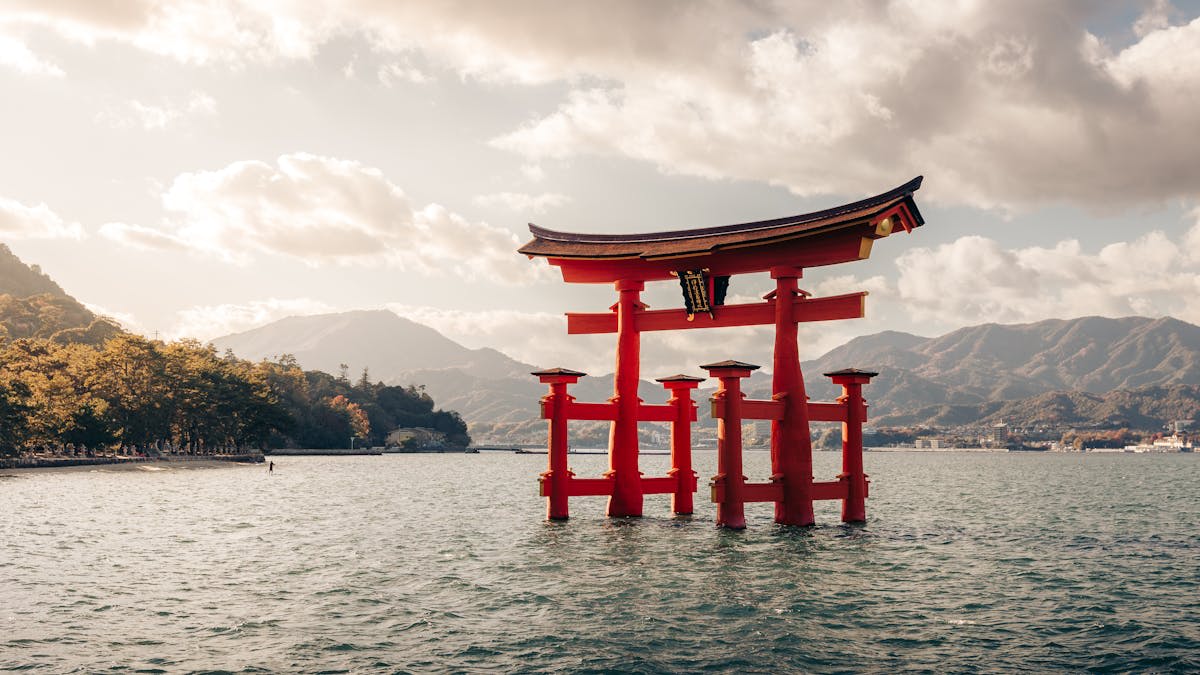
If you are planning your first trip to Japan as a couple and have three weeks, this is the guide. The full guide has 17 more days after this preview — from the Chureito Pagoda at dawn to a private onsen overlooking Mt. Fuji, from Fushimi Inari’s thousand gates to Universal Studios without the stress, from Osaka Castle to the sacred deer of Nara. Twenty days, four cities, and every detail tested by two people who wanted someone to plan this trip for them and ended up doing it themselves.
The full itinerary
Days 1–3 are yours free. Unlock the remaining 17 days to get every hotel, restaurant, and route for the complete trip.
Full guide
Get the complete 20-day itinerary
Every hotel, restaurant, route & timing tip — delivered as a PDF to your inbox. No cost, no catch.
- Complete 20-day itinerary
- Hotel & restaurant names + addresses
- Transport logistics & timing tips
- Free updates when the guide is refreshed
Free PDF guide. No spam, ever.
Not another top-10 list
Why these guides are different
Written from the ground
Every recommendation comes from personal experience — weeks and months spent in each destination. Not sourced from other blogs, not generated by AI, not recycled from tourism boards. I walked these streets, ate at these restaurants, slept in these hotels.
Specific, not generic
You won't find "find a nice hotel near the centre" in these guides. You'll find the hotel name, why I chose it, what room to request, and what to order at breakfast. The specificity is the point — it's what saves you from bad decisions.
Tested by thousands
Over 10,000 travelers have followed these itineraries. Their feedback shapes every update — closed restaurants get replaced, timing tips get refined, new discoveries get added. These guides get better with every reader.
Logistics included
Transport connections, driving times, visa requirements, SIM card advice, tipping customs, what to pack — the practical details that free content never covers because they're boring to write but essential to know.
No affiliate noise
Every hotel and restaurant is recommended because it's genuinely the best option I found — not because it pays a commission. When you pay for the guide, you're paying for honest recommendations.
Saves you real time
The average trip takes 40–60 hours to plan from scratch. These guides compress that into a few minutes of reading. You're getting back days of your life — and a better trip than you'd plan yourself. For free.
Reviews
What travelers are saying
"This guide saved us easily 40 hours of planning. Every restaurant was exactly as described, the timing tips for Fushimi Inari were spot-on, and the hotel picks were perfect for a couple. We followed it day by day and had zero bad meals in 20 days."
Sarah & Chris
Traveled October 2025
"The Kurama-to-Kibune hike and the kawadoko lunch were the highlight of our entire trip — we never would have found it without this guide. The level of detail is insane. Which train platform, which exit, what time to arrive. Worth every penny."
Marco R.
Traveled November 2025
"We've bought travel guides before and they're usually generic lists. This was completely different — it reads like a friend handing you their personal notes. The Disney and DisneySea strategy alone saved us hours of queueing. Our best trip ever."
Julie & Laurent
Traveled September 2025
"My girlfriend and I used this for our anniversary trip. The tea ceremony in kimonos, the ryokan at Kawaguchiko, the Arashiyama bamboo grove at 8:30am with nobody there — it felt like the whole trip was curated just for us. Genuinely life-changing."
David K.
Traveled December 2025
"I was skeptical — how good can a free travel guide really be? Then I read the 3-day preview and the detail was on another level. After following the full guide for all 20 days, I can say it's the best travel resource I've ever used. The Dotonbori street food route alone was worth signing up for."
Ana P.
Traveled January 2026
"We followed the 20-day itinerary almost exactly and it was flawless. The shinkansen tips, the Suica card setup, the luggage forwarding advice — all the logistics stuff that stresses you out was already solved. We just showed up and enjoyed Japan."
Tom & Nina
Traveled February 2026
Stripe Secured
256-bit SSL encryption
30-Day Guarantee
Full refund, no questions
4.9/5 Rating
240+ verified reviews
Instant Download
PDF delivered immediately
Free Updates
Lifetime access included
Questions
Before you decide
What format is the guide?
A beautifully formatted PDF that you can read on your phone, tablet, or laptop — or print and carry with you. It's designed to be practical in the field, not just pretty on a screen.
How do I receive it?
Instant download after purchase. You'll also receive an email with a permanent download link, so you can access it from any device, anytime.
Is the free 3-day preview the same quality as the full guide?
Identical. The free preview is days 1–3 of the actual guide, not a watered-down version. If you like the level of detail in the preview, that's exactly what continues for every remaining day.
How is this different from free content online?
Free blog posts give you "what to do in Tokyo." This guide gives you a specific route through Tokyo on a specific day — which train to take, where to eat lunch, what time to arrive at the temple to avoid crowds, and which hotel room has the best view. It's the difference between a list and a plan.
Do you offer refunds?
Yes — if the guide doesn't meet your expectations, email me within 30 days for a full refund. No questions asked. But the free preview exists so you can judge the quality before buying.
Will the guide be updated?
Guides are updated regularly based on reader feedback and my own return visits. When a guide is updated, you'll receive the new version free — your purchase includes all future updates.
Your japan trip, planned.
20 days of tested recommendations — hotels, restaurants, routes, and the logistics that make the difference between a good trip and an unforgettable one.
Free PDF delivered to your inbox. No spam, ever.