
Prehistoric caves, honey-stone bastide towns stacked above a looping river, and the vineyards of Bordeaux beyond — the Southwest is France at its most fed and least hurried.
The Dordogne is the region I recommend to anyone who claims to have “done” France and only means Paris and the Riviera. This is deep, slow, honey-stone country — a river valley lined with medieval bastide towns, cave paintings twenty thousand years old, and a kitchen built entirely around duck fat, walnuts, and truffles. Nothing here is in a hurry. The Dordogne River loops through limestone cliffs in a way that seems designed for exactly one purpose: making you stop the car.
Sarlat-la-Canéda is the golden-stone market town at the heart of it, its medieval core so well preserved that period films use it without dressing a single street. From the clifftop village of Domme, the whole river valley unrolls below you, with La Roque-Gageac and Beynac-et-Cazenac clinging to the rock face on either bank. Nearby, Les Eyzies anchors the prehistoric heartland — the caves at Lascaux are close enough to feel the weight of the paintings even from a facsimile. The bastide of Monpazier and the abbey town of Brantôme, sometimes called the Venice of the Périgord for the river that circles it, round out a region where every village seems to have been built specifically to be photographed at golden hour. West along the river, Bergerac trades on its own appellation, and Périgueux anchors the department with a Byzantine-domed cathedral that looks like it wandered in from another country. Further west still, Bordeaux brings the region to the Atlantic coast with its grand 18th-century quays and the vineyards of Saint-Émilion and the Médoc fanning out around it — the wine capital that makes sense of every bottle on the table back in Sarlat.
When to go: May, June, and September, when the markets are full and the heat hasn’t yet turned oppressive. Book restaurant tables ahead in summer — this is a region that takes lunch seriously, and the good tables fill early.
Explore
Places in Dordogne & Bordelais
 france
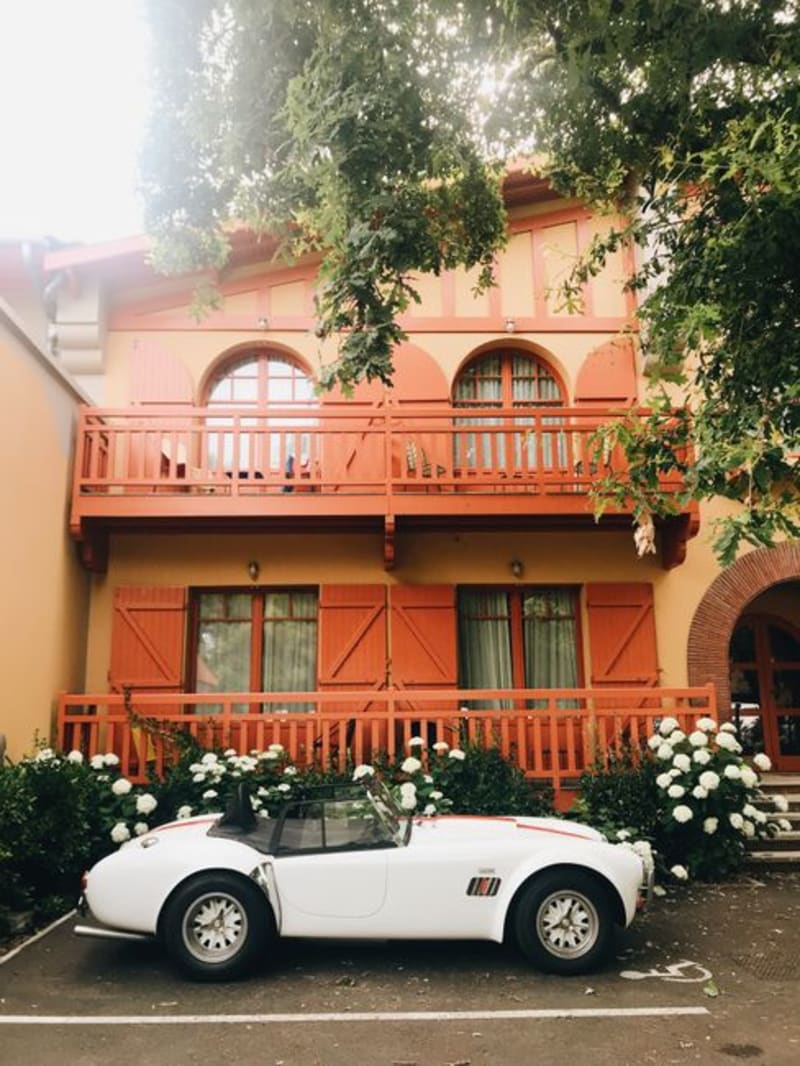
 Arcachon
A Belle Époque resort town built around an oyster bay, where villas dripping with wooden lace sit a short boat ride from the tallest dune in Europe.
Explore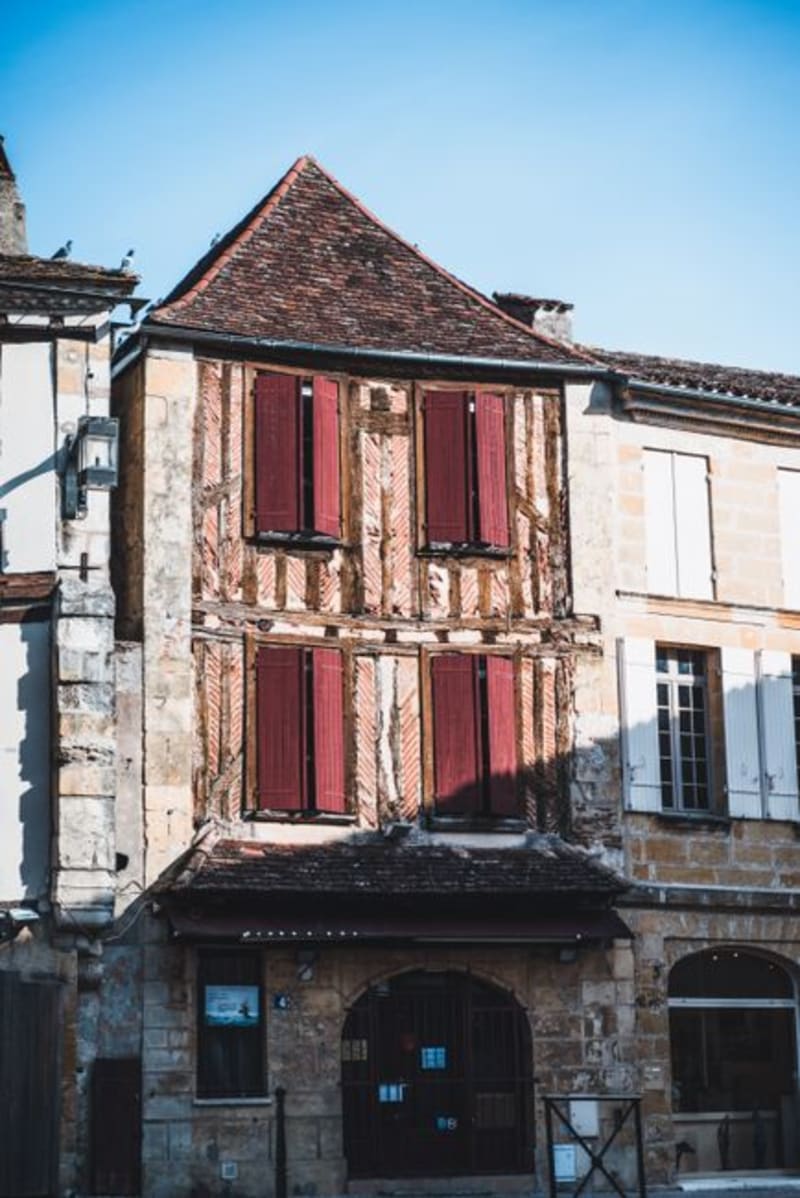 france
 Bergerac
A relaxed river town on the Dordogne known for its sweet Monbazillac wine, a half-timbered old quarter built around tobacco trading, and a nose that belongs, tenuously, to a fictional character who never actually visited.
Explore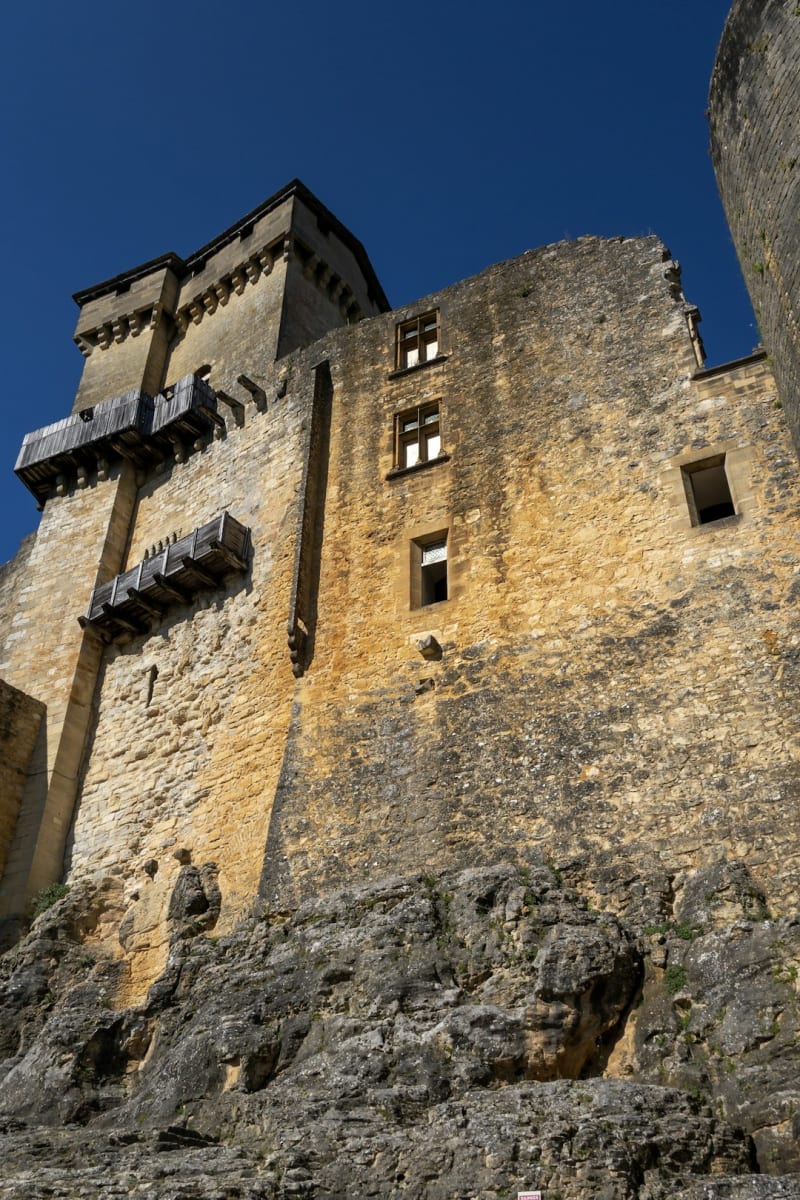 france
 Beynac-et-Cazenac
A stone village stacked beneath a brooding clifftop fortress on the Dordogne River, one of the best-preserved medieval castles in France and the backdrop for half the postcards sold in the valley.
Explore france
 Bordeaux
The wine capital of the world — and a city that has reinvented itself into one of France's most beautiful urban experiences.
Explore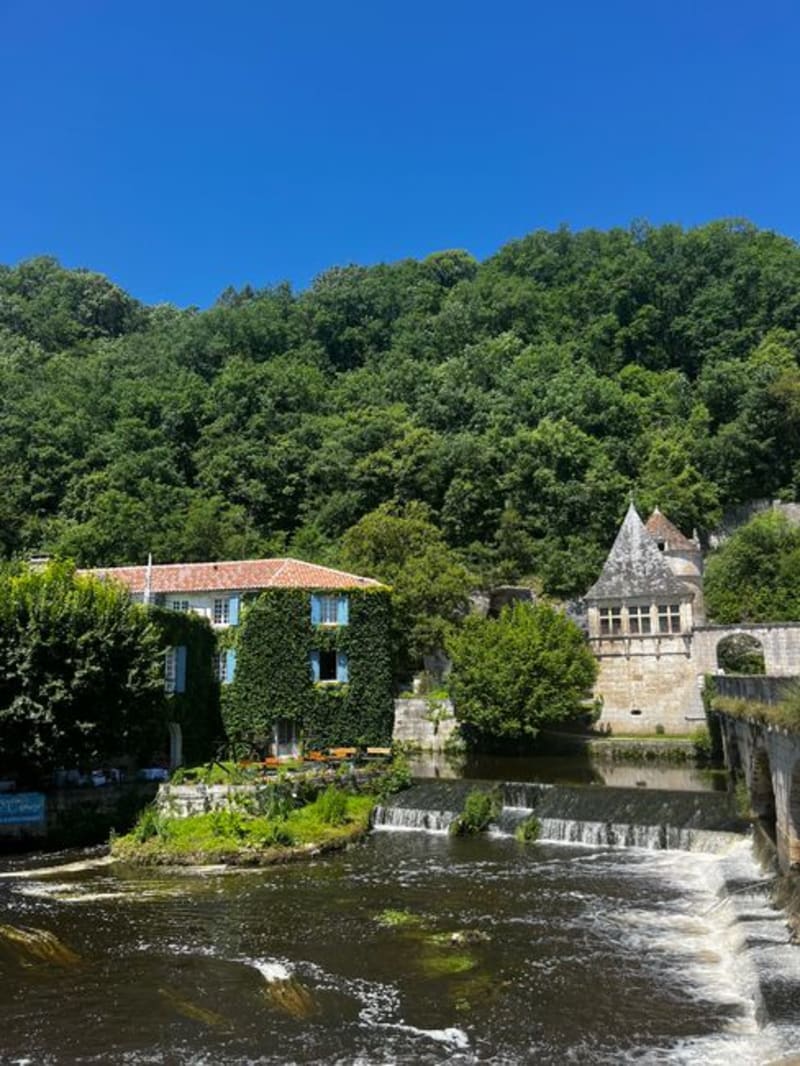 france
 Brantôme
A river town wrapped almost entirely by a loop of the Dronne, built around a Benedictine abbey with monk-carved cave chambers behind it, quiet enough to feel like the Périgord's best-kept secret.
Explore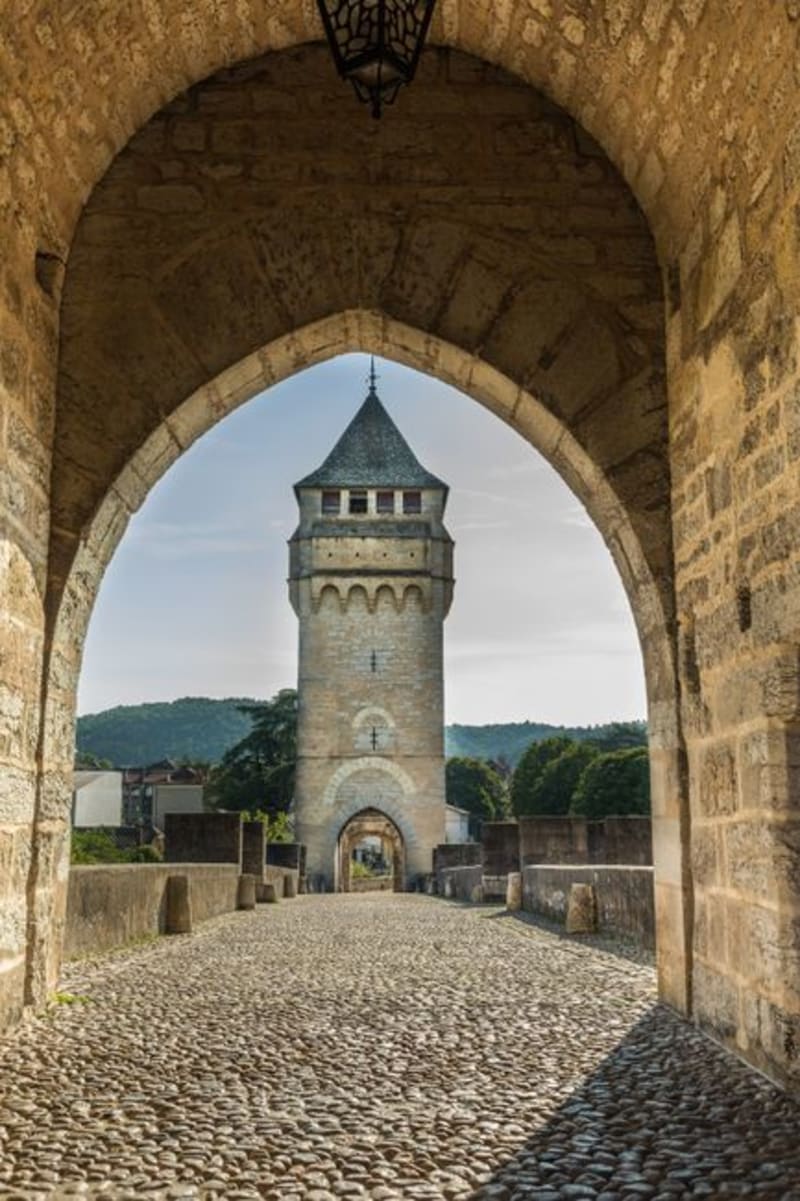 france
 Cahors
A town wrapped almost entirely inside a loop of the Lot river, guarded by a fortified bridge that has survived seven centuries of wars it was built to prevent, and famous for a wine so dark the locals just call it black.
Explore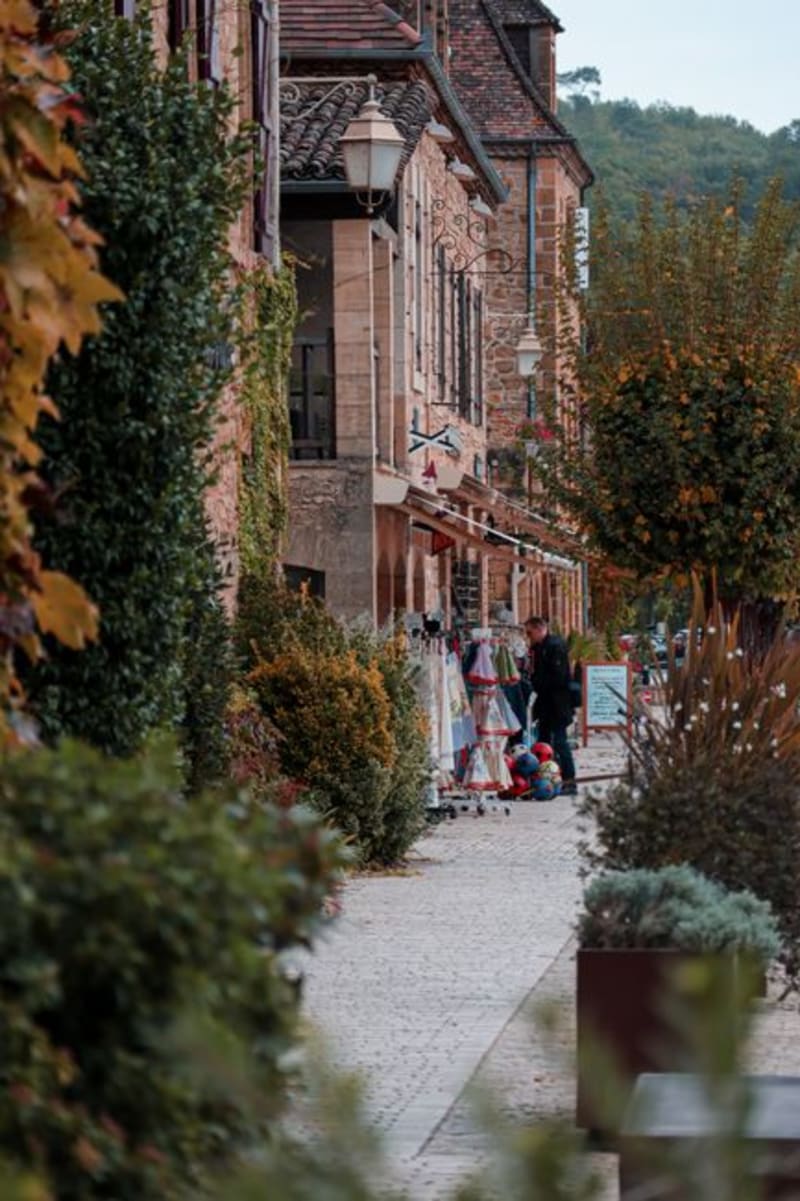 france
 Collonges-la-Rouge
A village built entirely from deep red sandstone, so uniformly the colour of dried blood that Lia asked, half-joking, whether the whole place had been dyed on purpose.
Explore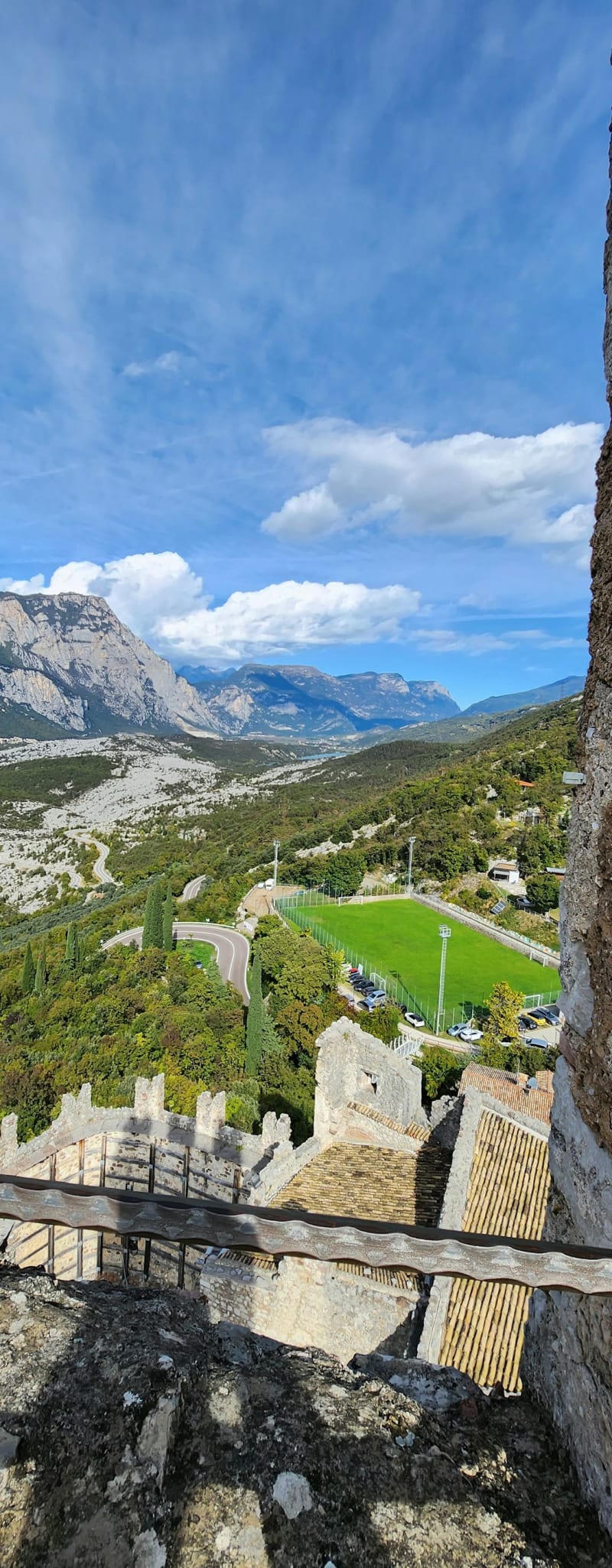 france
 Domme
A hilltop bastide town with the best panoramic view of the Dordogne Valley in the region, built on a defensive grid plan by a thirteenth-century king and honeycombed with caves used by prisoners and resistance fighters alike.
Explore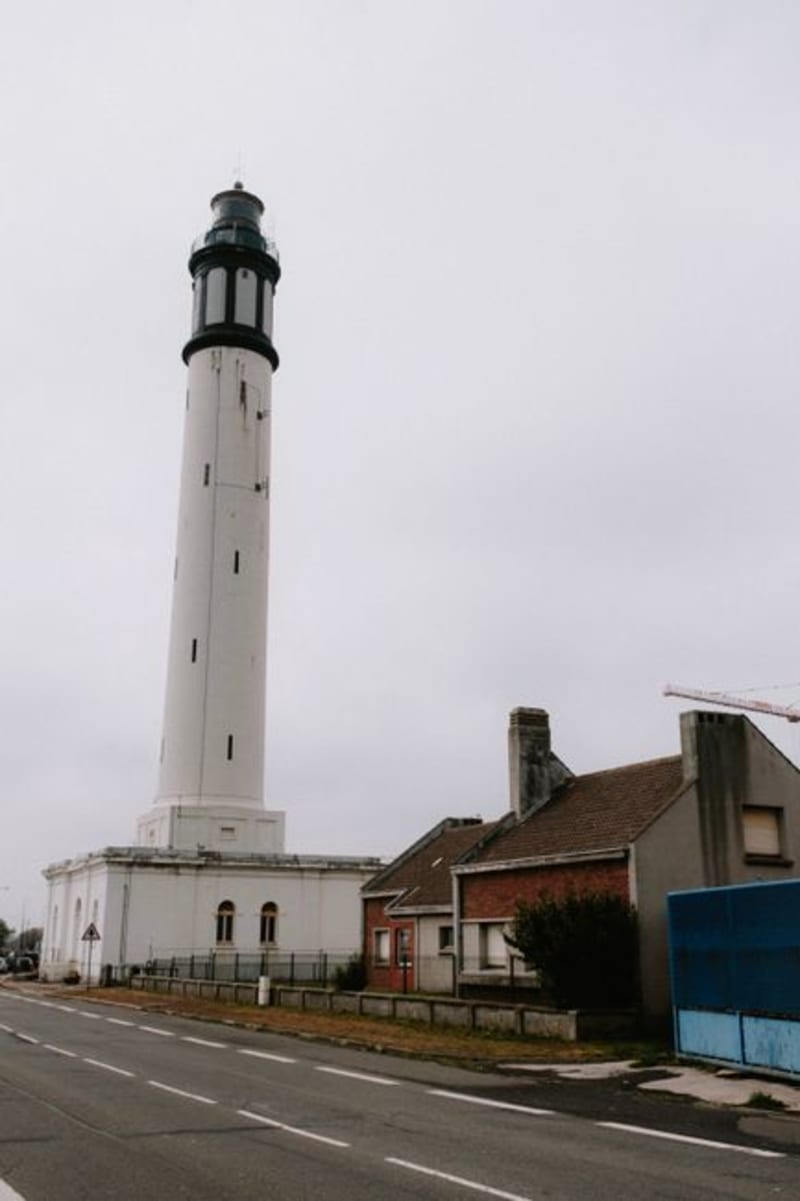 france
 Duras
The château town that gave Marguerite Duras her pen name, perched over the Dropt valley with its own quietly excellent wine appellation that almost nobody outside France has heard of.
Explore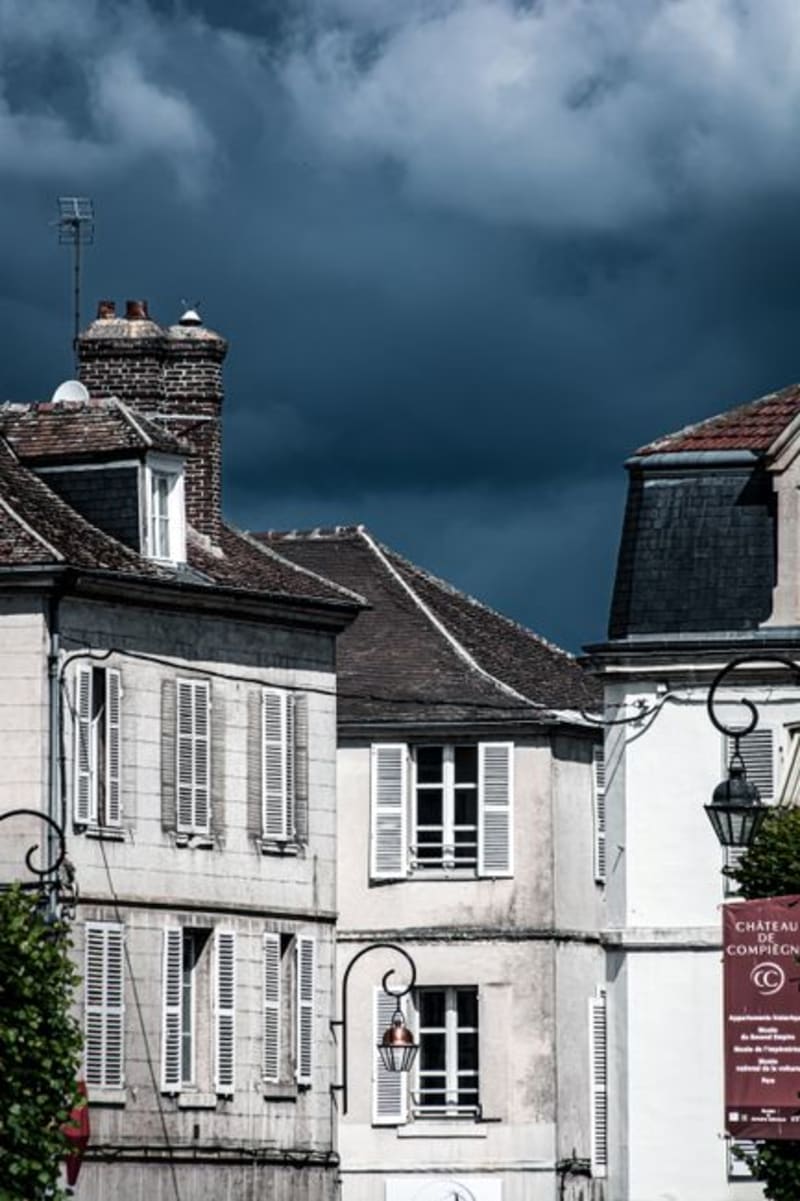 france
 Excideuil
A twin-castled market town in the quiet Périgord Vert where Richard the Lionheart was reportedly beaten back twice, which felt like a fitting welcome to a region that has never much cared about being famous.
Explore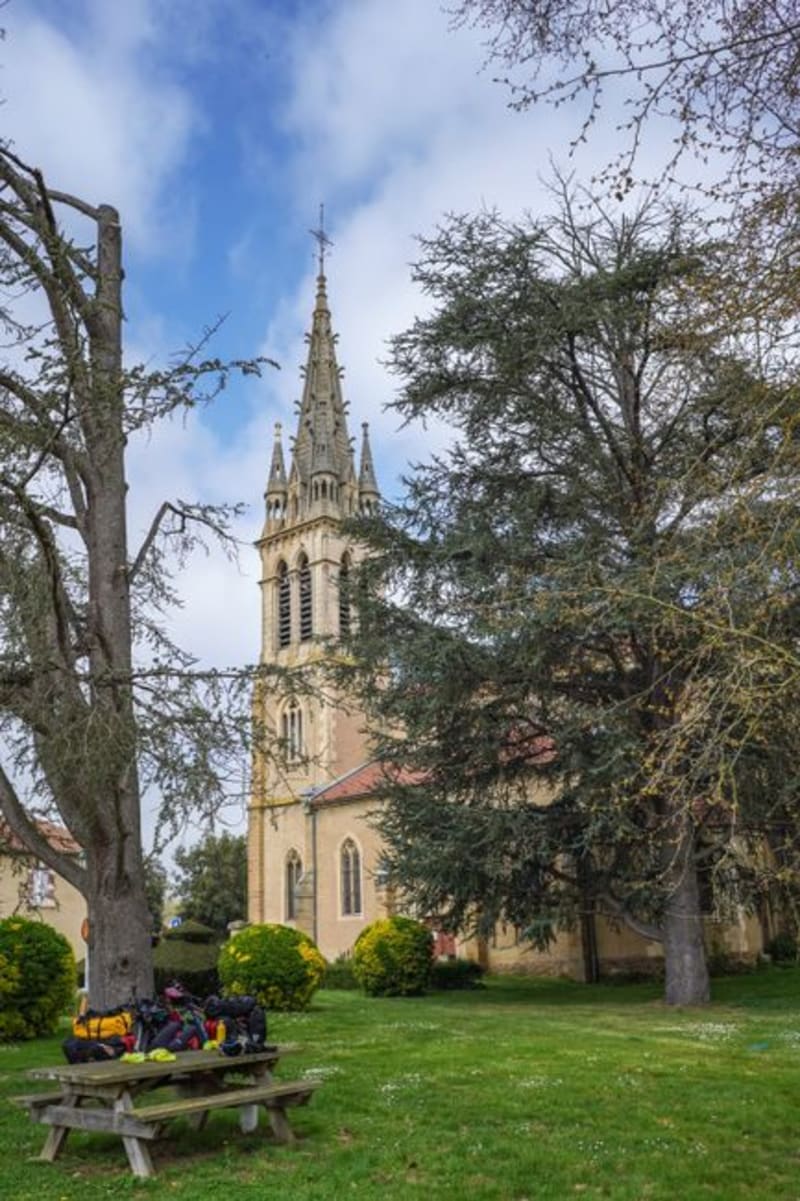 france
 Eymet
A perfect thirteenth-century bastide with an arcaded square that could star in any postcard, except half the accents you hear on market day are English.
Explore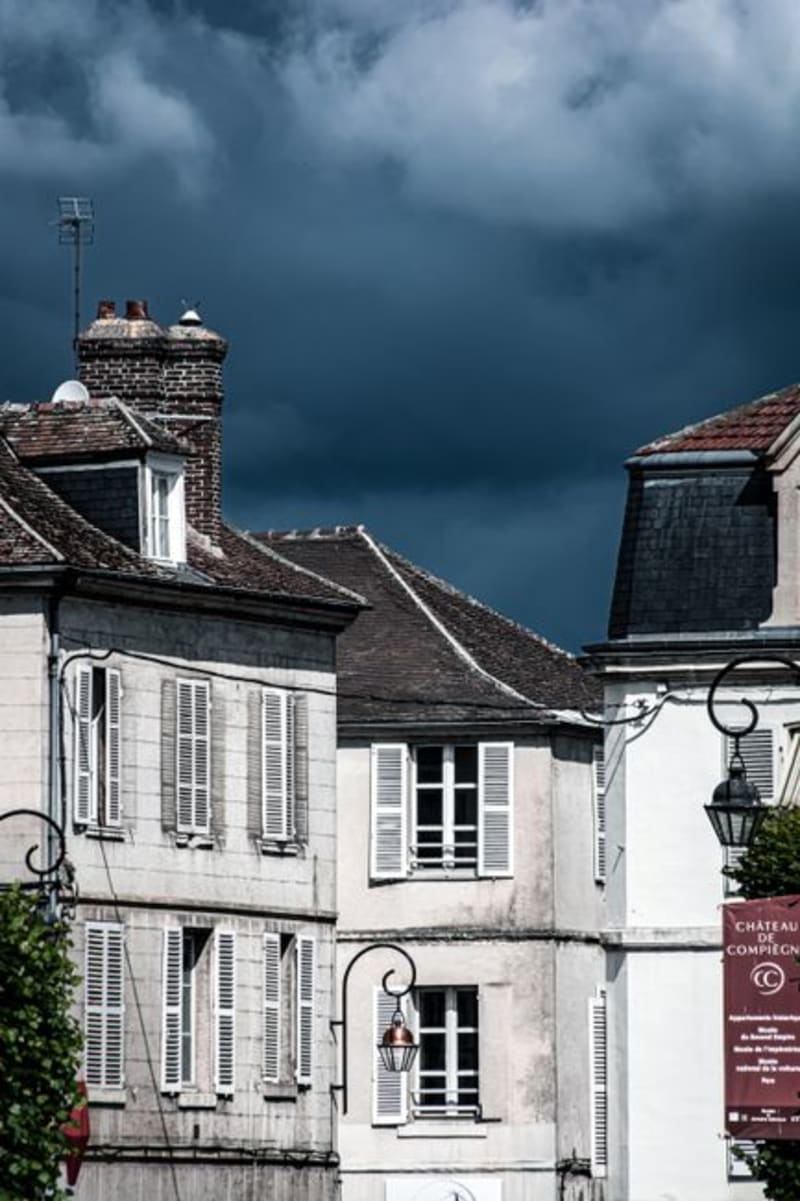 france
 Figeac
A medieval merchant town on the Célé and Lot rivers that produced, almost as an afterthought to its wool and leather trade, the man who cracked the Rosetta Stone.
Explore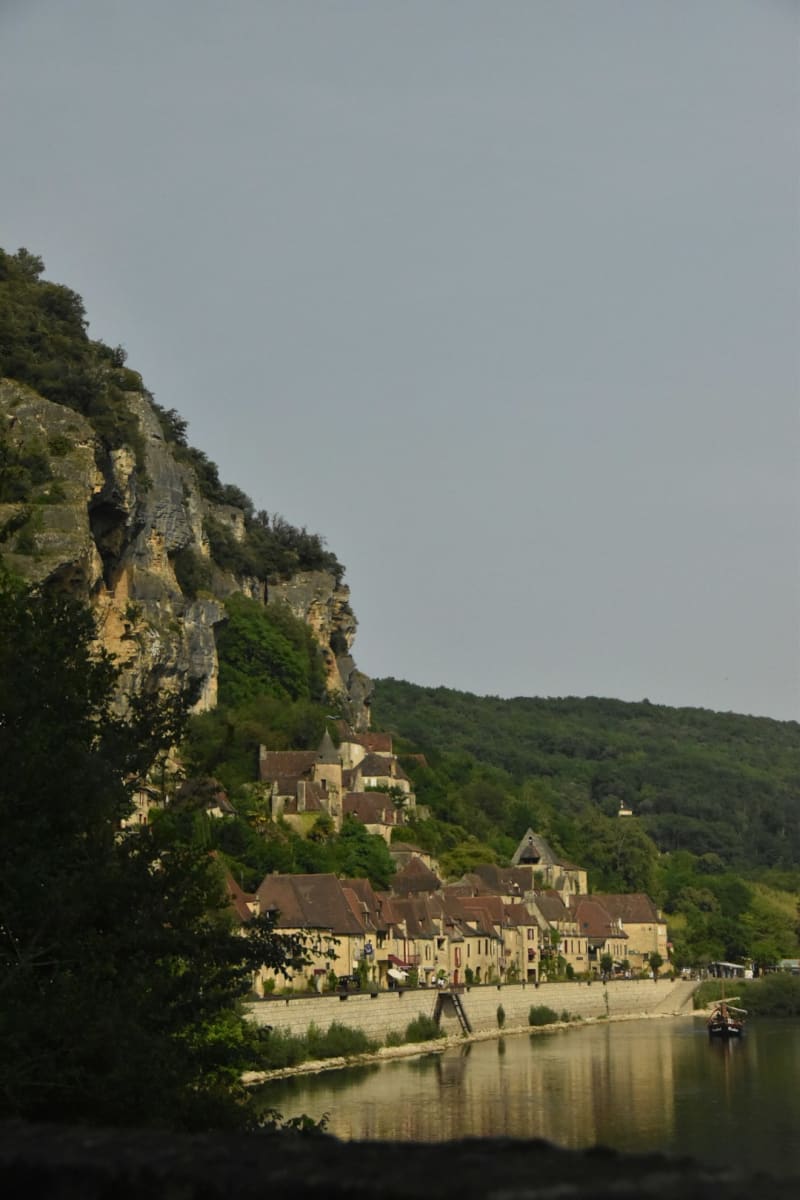 france
 La Roque-Gageac
A single street of ochre houses pressed flat against a cliff on the Dordogne River, so narrow the village has nowhere to grow but up the rock face, and one of the most photographed river views in France.
Explore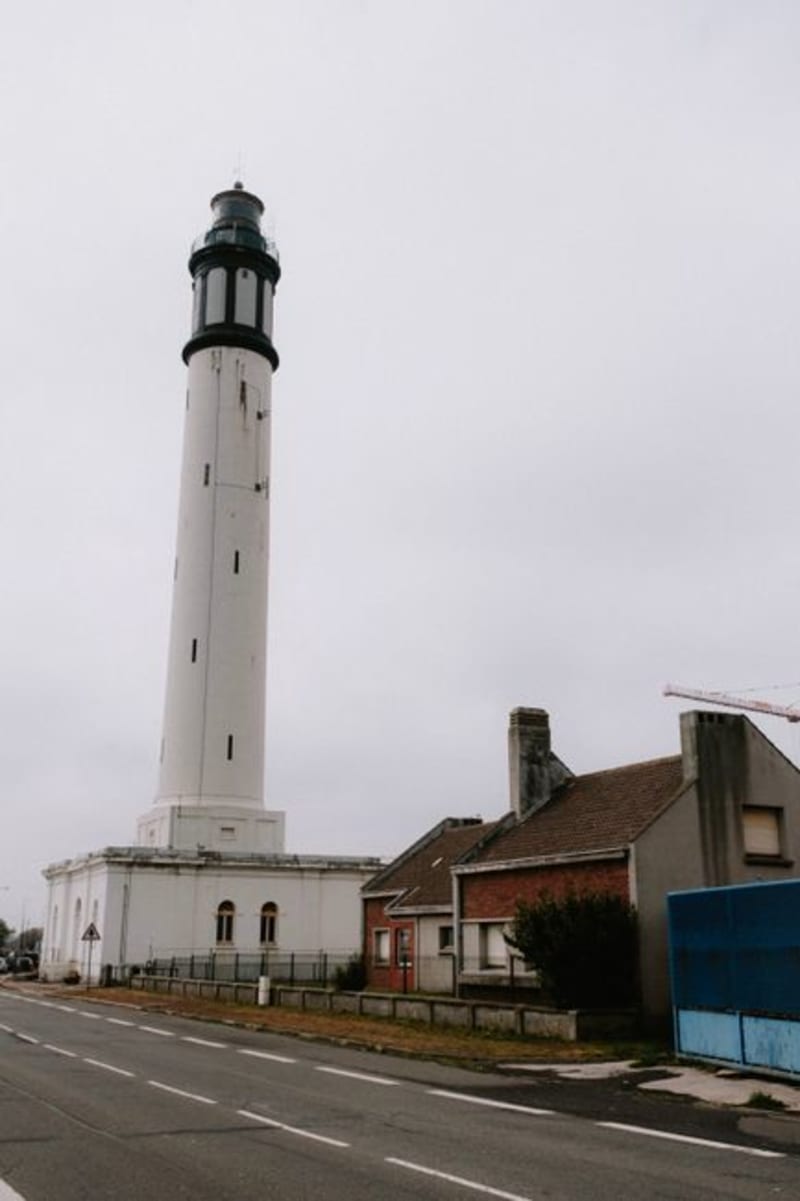 france
 Lalinde
An English-founded bastide on the Dordogne river where the old canal lock still does its job, a reminder that this whole valley was once a working highway of barges long before it became a summer postcard.
Explore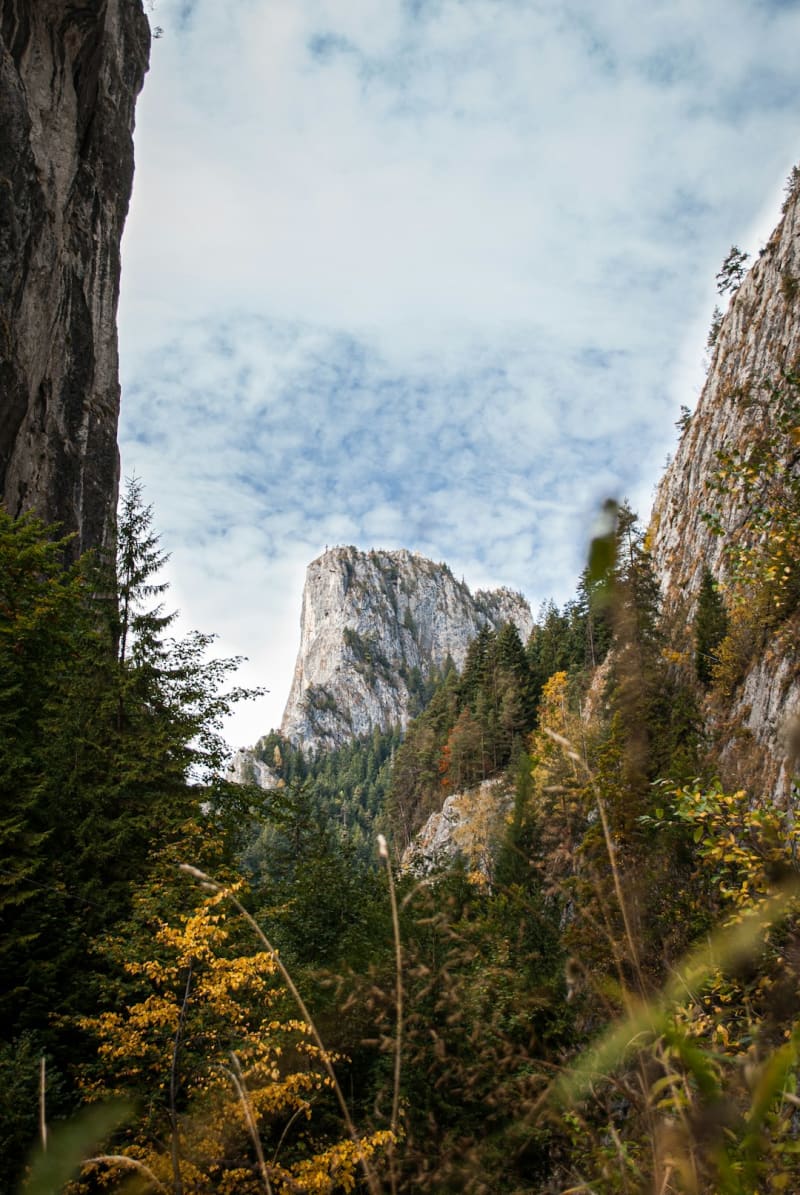 france
 Les Eyzies
A small riverside town under limestone cliffs riddled with prehistoric caves and painted shelters, often called the capital of prehistory, where you can stand in front of art made by people forty thousand years before us.
Explore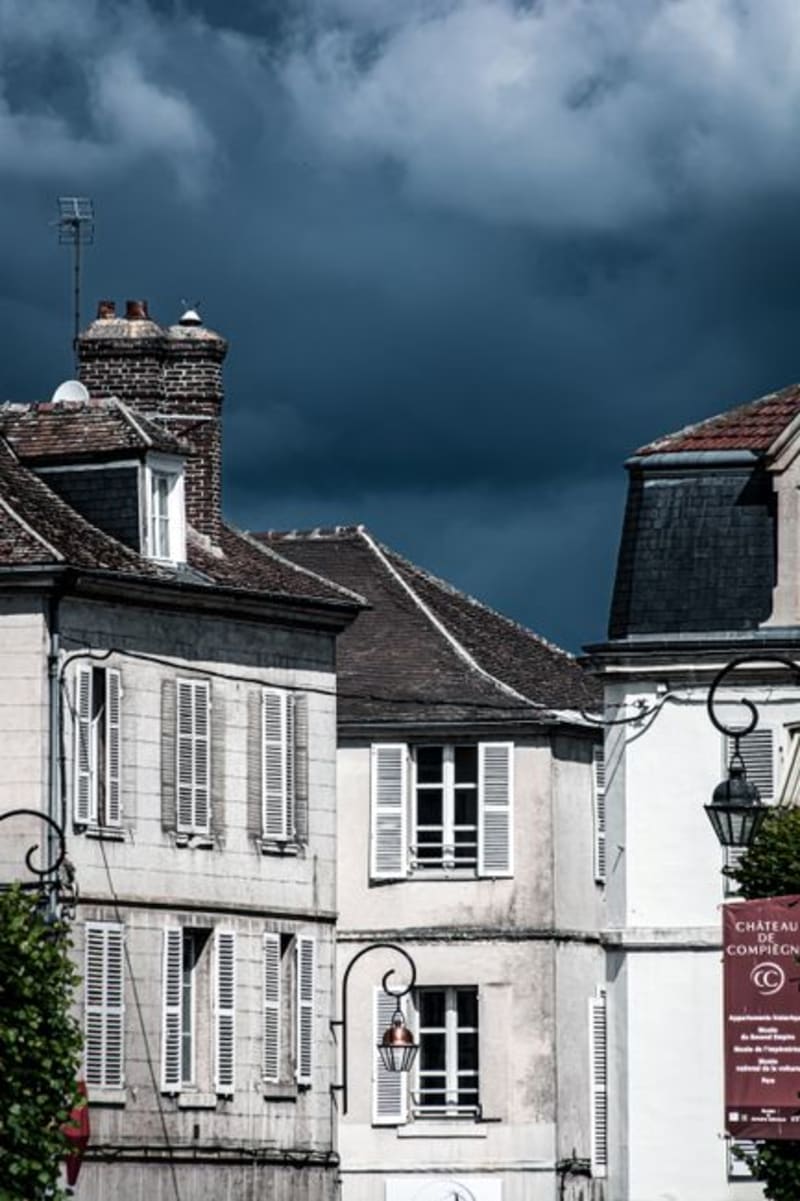 france
 Martel
A town so proud of its skyline that it named itself after seven towers, and where we ended up chasing truffles and a century-old steam train instead of counting rooftops.
Explore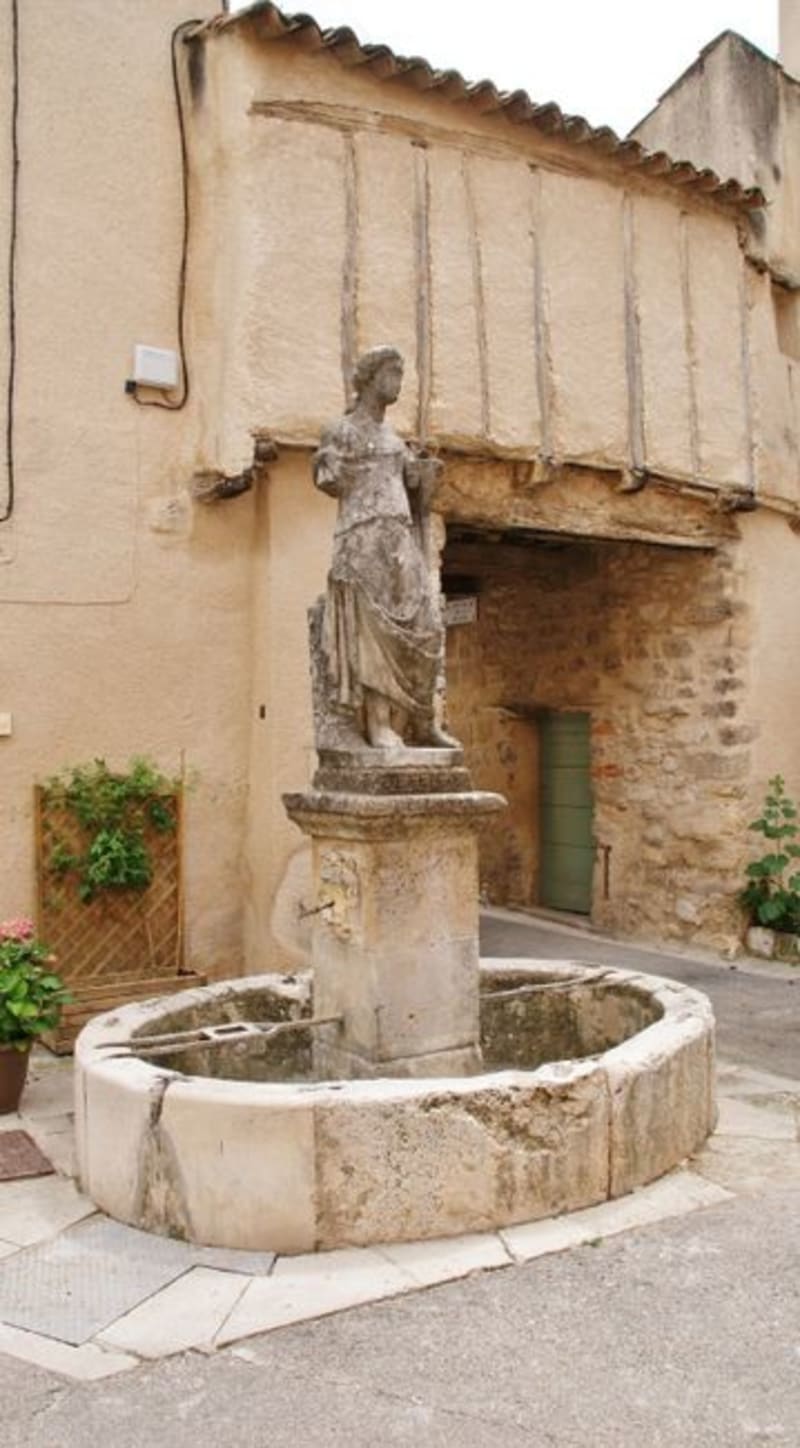 france
 Monpazier
The best-preserved bastide town in France, a near-perfect thirteenth-century grid of arcaded streets and a central square, still functioning as an ordinary village rather than a preserved relic.
Explore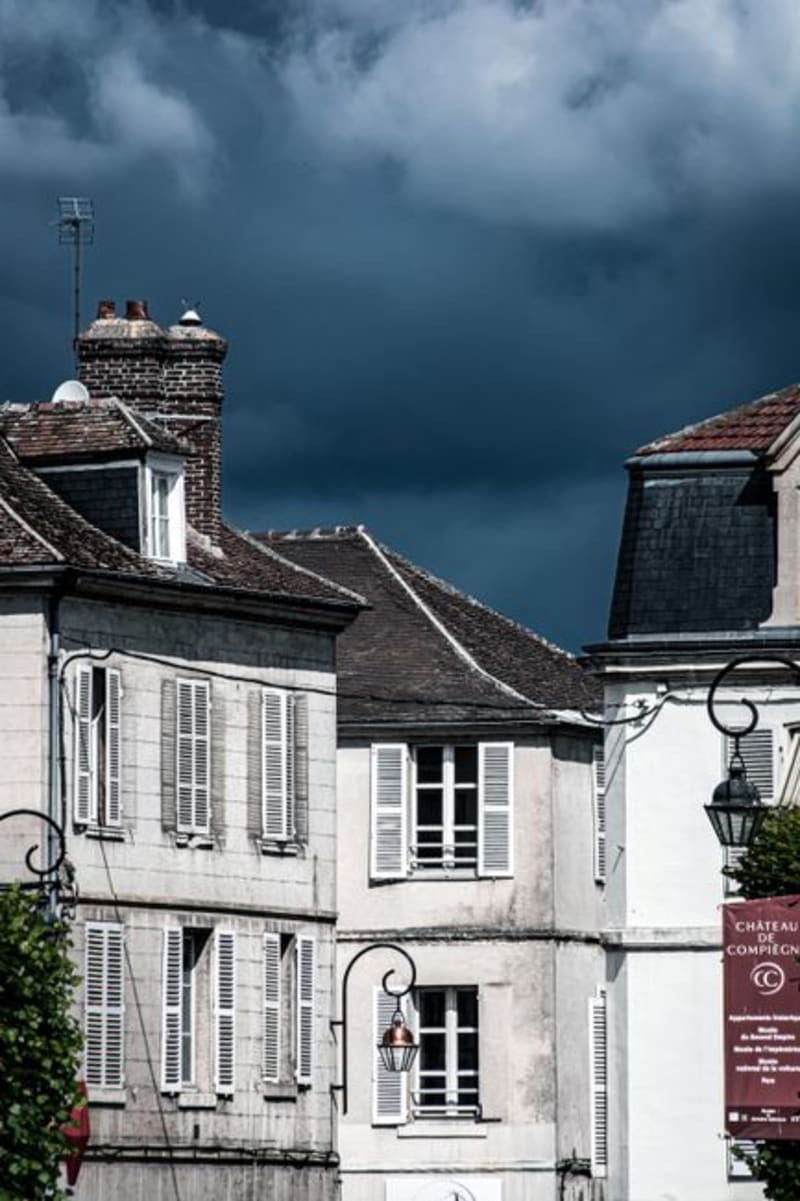 france
 Pauillac
A modest little Gironde port town that happens to sit between three first-growth châteaux, which meant our short walk along the estuary quay passed more concentrated wine history than most people see in a lifetime.
Explore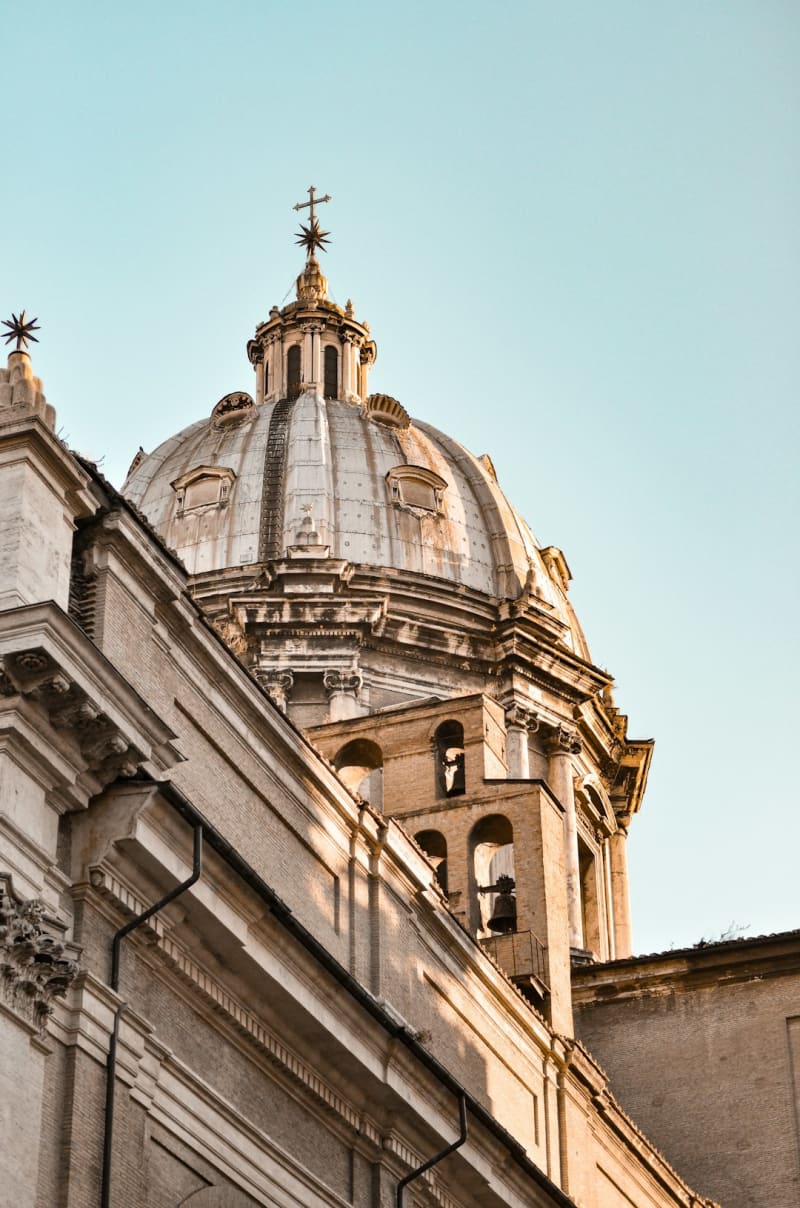 france
 Périgueux
The Dordogne's actual capital, a proper working city with a Roman amphitheater, a strange multi-domed cathedral that inspired a Paris landmark, and a market culture more serious than anywhere else in the region.
Explore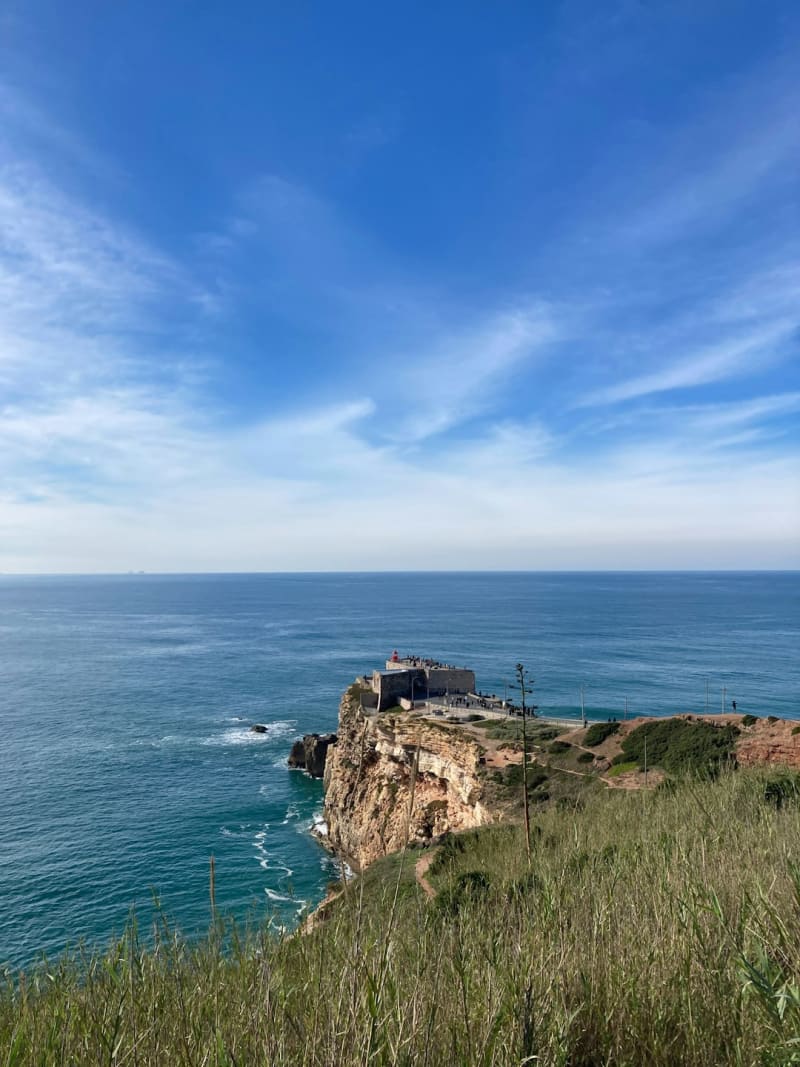 france
 Rocamadour
A pilgrimage village stacked vertically into a cliff face above a gorge, its sanctuary chapels built into the rock itself, still visited by pilgrims climbing the same stone steps on their knees that they have for eight centuries.
Explore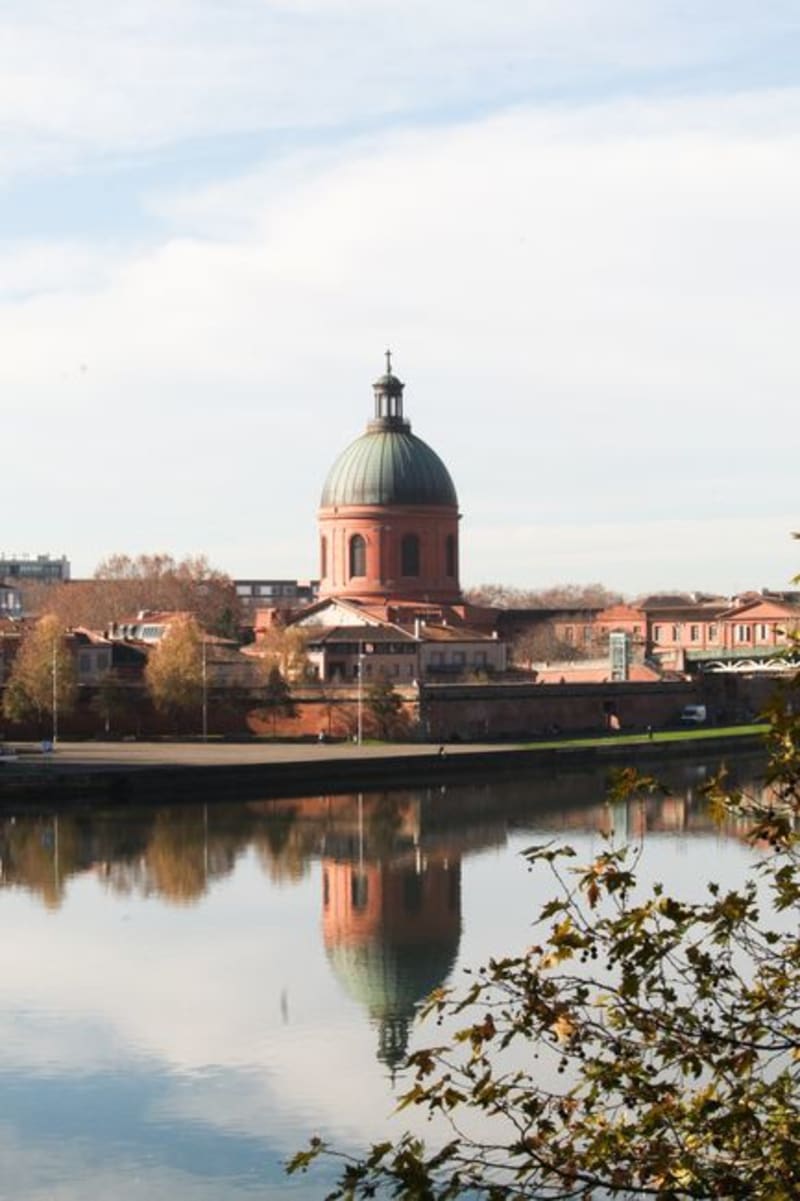 france
 Saint-Cyprien
The market town we actually stayed in while everyone else was crowding Sarlat and Beynac, a working Périgord Noir hillside with a Romanesque church tower you can see from half the valley.
Explore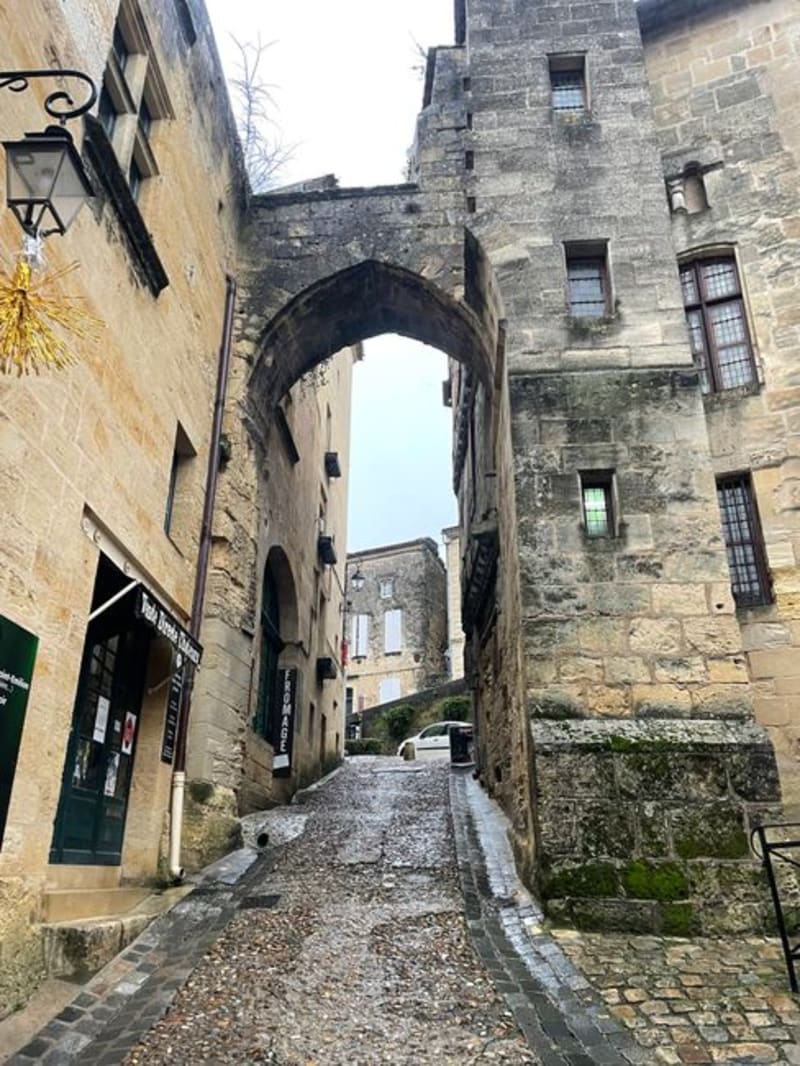 france
 Saint-Émilion
A whole village turned into a UNESCO site because of grapes, with a church carved downward into the rock instead of built upward out of it, which is the kind of detail that makes you stop pretending you understand medieval engineering.
Explore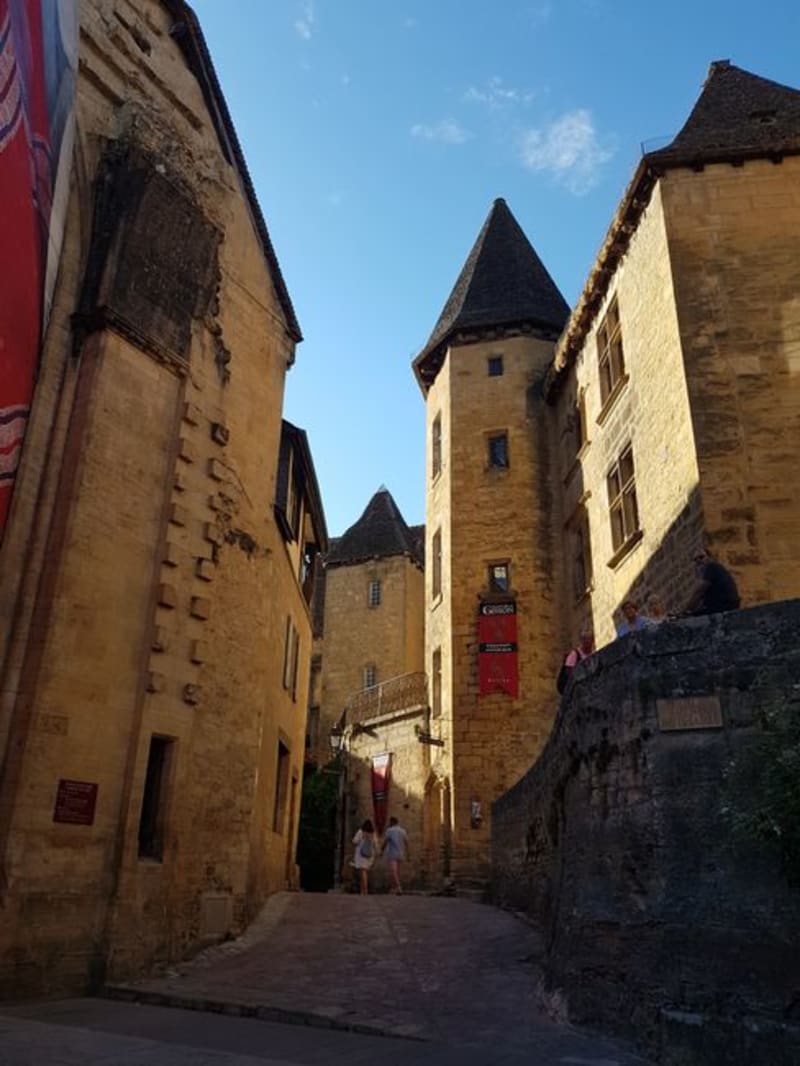 france
 Sarlat-la-Canéda
The golden-stone heart of the Périgord Noir, a medieval town so perfectly preserved that half of France's costume dramas seem to have filmed here, with a Saturday market that swallows the entire old center.
Explore france
 Souillac
A quiet river town whose abbey church hides a carved portal so strange and violent-looking that I stood in front of it longer than I did in front of most cathedrals.
Explore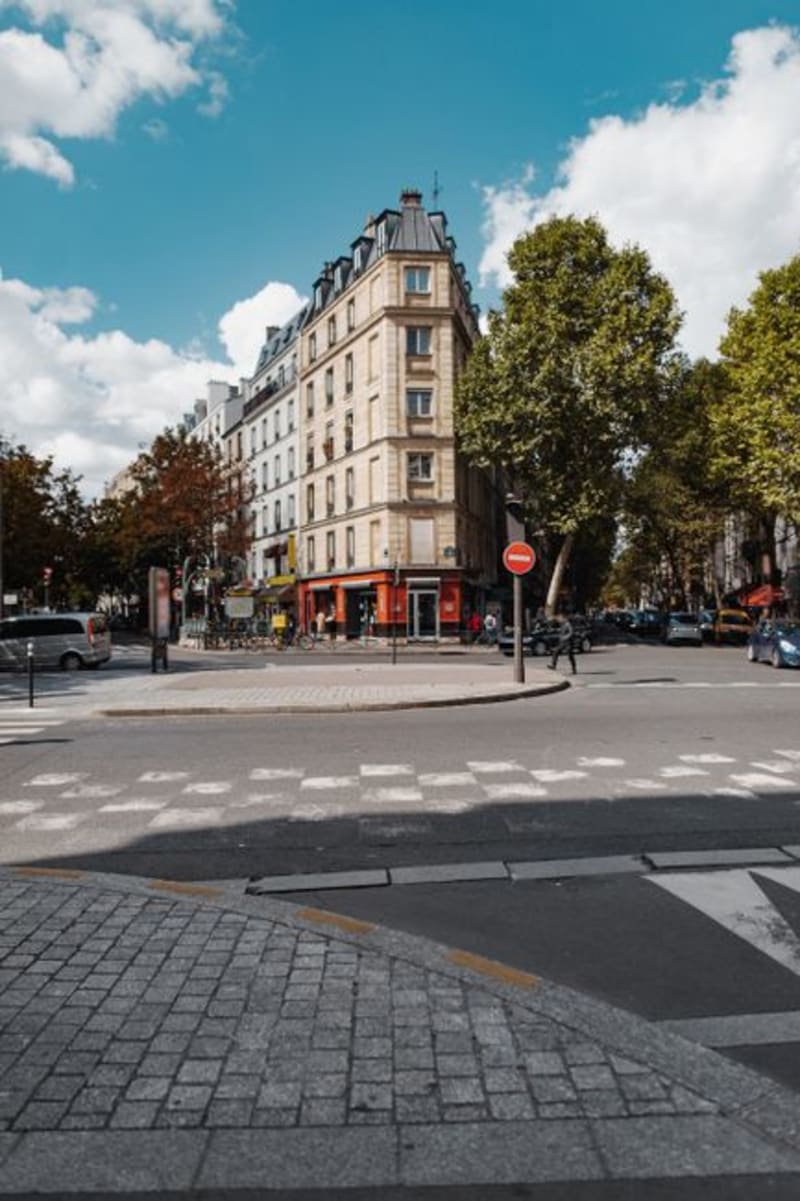 france
 Turenne
A hilltop village that used to rule a chunk of France big enough to have its own laws, and whose castle ruins still look down over three provinces at once.
Explore