
Cahors
"Cahors is the only town I've visited where the wine is described the same way the bridge looks: dark, sturdy, built to last."
A town wrapped almost entirely inside a loop of the Lot river, guarded by a fortified bridge that has survived seven centuries of wars it was built to prevent, and famous for a wine so dark the locals just call it black.
Cahors is almost an island by accident of geography — the Lot river loops around it so tightly that the old town occupies a narrow peninsula, water on three sides, which meant that for most of its history the only serious approach by land was across one heavily defended crossing. That crossing is still standing, and it’s the reason most people come.
Six hundred years of a bridge that never lost a fight
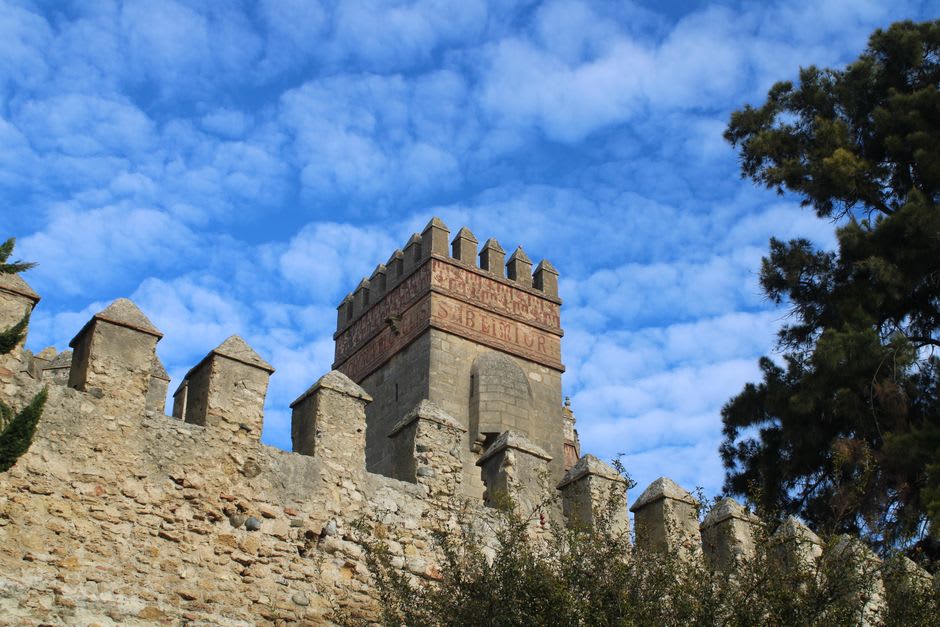
The Pont Valentré is a fortified medieval bridge built between 1308 and 1378, with three tall square towers rising from its six arches, originally designed less for elegance than for war — arrow slits, machicolations, a genuine military structure that happened to end up beautiful. It was never taken by force in its active military life, and a local legend holds that the medieval architect made a pact with the devil to finish construction faster, only for the mason to trick the devil out of his payment at the last moment; a small carved devil figure was added to the central tower during 19th-century restoration as a wink to the story. We crossed it at golden hour, when the stone towers go the colour of the wine the region is known for, and the reflection in the Lot below doubles the whole scene. It’s still a functioning road bridge, one of the best-preserved fortified bridges in Europe, and walking it costs nothing and takes ten unhurried minutes.
Malbec’s other home
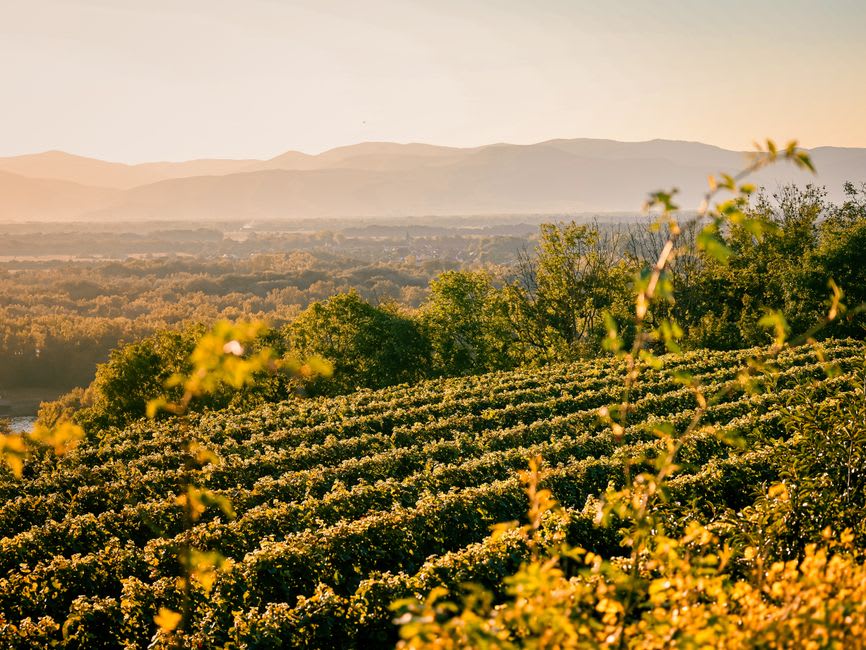
Long before Malbec became Argentina’s signature grape, it was Cahors’ own, and locally it’s still called “vin noir” — black wine — for its deep, almost opaque colour and the tannic backbone that comes from vines grown on the limestone causses above the river terraces. We drove out along the Route du Vin de Cahors into the vineyards on the plateau, stopping at a small family domaine where the owner poured us a vertical of three vintages and explained, unprompted, why he thought Cahors Malbec ages better than most of what leaves South America — more structure, he said, less sun. I’m not equipped to judge that argument, but the wine itself, dense and almost peppery, was unlike anything we’d had in Bordeaux the week before. Back in town, we ate duck confit at a terrace on Place Chapou and let a bottle of it do most of the talking.
When to go: September for harvest and the best light on the Pont Valentré at sunset; the town is sleepy and pleasantly empty outside July and August, which suits a place built around a bridge and a glass of dark wine rather than crowds.
Keep exploring
More of Dordogne & Bordelais