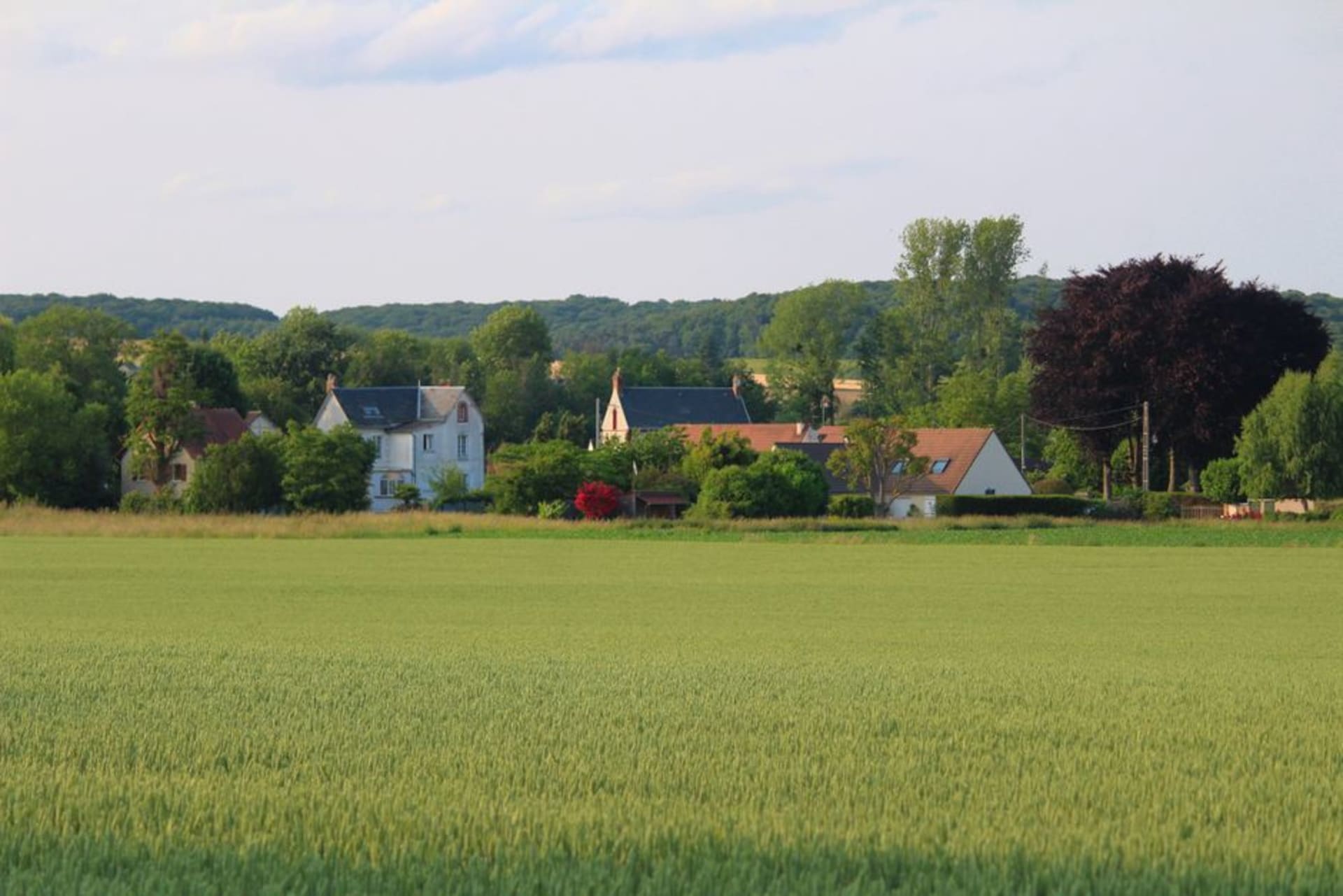
Lalinde
"Every other Dordogne town sells you the river as scenery. Lalinde is the one place that still shows you it was a road."
An English-founded bastide on the Dordogne river where the old canal lock still does its job, a reminder that this whole valley was once a working highway of barges long before it became a summer postcard.
Lalinde gets driven past more than it gets stopped in, which is a shame, because it’s one of the few places left in the Dordogne valley where you can actually see how the river used to work rather than just how it looks. Founded in 1267 by Henry III of England as an English bastide, back when this whole stretch of Aquitaine was under Plantagenet control, it was laid out on the same grid pattern as its French-founded counterparts nearby, and it kept its English administration for the better part of a century before the Hundred Years’ War eventually pulled it back under French rule for good.
A lock that remembers when the river was a highway
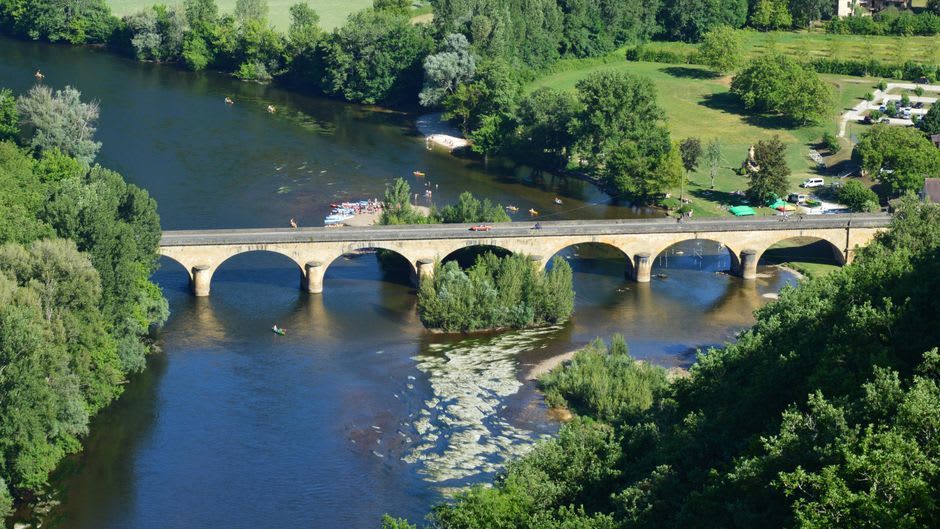
What makes Lalinde worth the stop, for me, is the canal and lock system that bypasses a stretch of rapids just below town. The Dordogne here was never naturally navigable — a series of rocky shoals made it dangerous for the gabares, the flat-bottomed barges that once carried wine, wood, and chestnuts down to Bordeaux and brought salt and manufactured goods back up. In the nineteenth century engineers cut a canal around the worst of the rapids and built a lock at Lalinde to manage the drop, and it’s still there, still functional, one of the last visible pieces of a river-transport network that essentially defined the regional economy for centuries before the railway made it obsolete almost overnight in the 1880s.
I stood at the lock for a long time on our visit, watching the water level shift as a modern pleasure boat worked through, and thought about how strange it is that a river this beautiful was, for most of its working life, valued mainly as infrastructure. The lock-keeper’s house is still standing beside it, small and stone-built, and it’s easy to picture what a genuinely industrial stretch of riverbank this must have been when barges were queuing to get through.
The bastide grid, still legible
The old town itself preserves its bastide layout clearly enough that you can trace the original grid without much effort — straight streets, a central square that would have hosted the market, and remnants of the old fortifications folded into later buildings. It’s a working town rather than a showpiece, with a few genuinely good addresses for lunch along the main street and a Saturday market that draws from the surrounding farms rather than from any tourist circuit.
We walked down to the riverbank below the lock in the early evening and watched the light go gold over the water, a handful of local kids jumping off a low wall into the current further downstream, and it felt like exactly the kind of unglamorous, real river town that the more famous Dordogne villages get to skip past on their way to being picturesque.
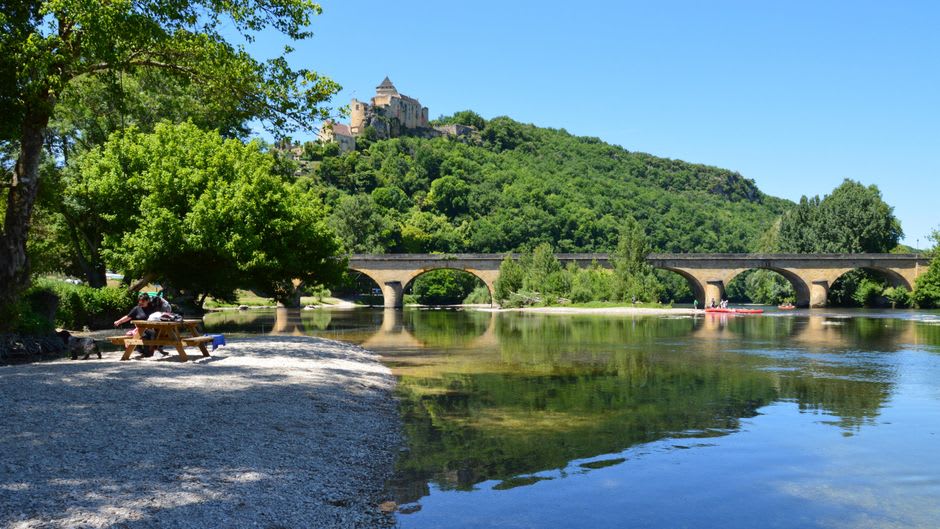
When to go: Late spring through early autumn, when boat traffic through the lock is most active and the riverside walks are at their best; a Saturday morning also catches the local market.
Keep exploring
More of Dordogne & Bordelais