Eymet
"I ordered a coffee in French in Eymet and the waiter answered in English before I'd finished the sentence."
A perfect thirteenth-century bastide with an arcaded square that could star in any postcard, except half the accents you hear on market day are English.
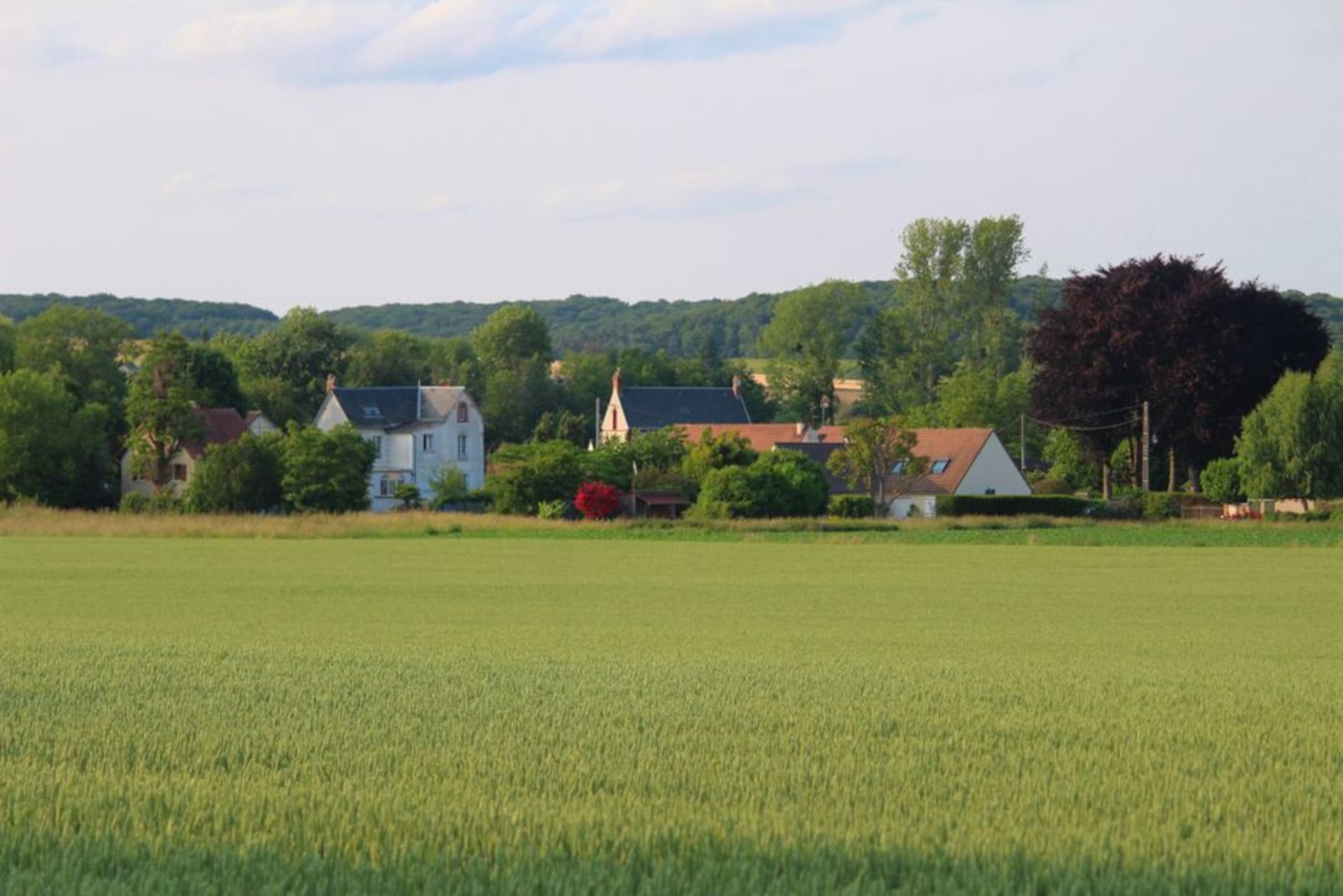
Eymet is a bastide, one of the planned medieval new towns that English and French lords scattered across this part of southwest France in the thirteenth century, built on a strict grid with a central arcaded square designed for markets and defense in equal measure. Founded in 1270 by Alphonse de Poitiers, brother of Louis IX, it changed hands between English and French control multiple times during the Hundred Years’ War, which makes what’s happened to Eymet over the last three decades feel almost like historical rhyme rather than coincidence.
The town the English came back to
Somewhere in the 1980s and 90s, British buyers started arriving in Eymet in numbers large enough to genuinely reshape the town — by some estimates, a meaningful share of the surrounding commune’s population is now British, drawn by cheap stone houses, the climate, and a version of rural France that felt reachable and affordable in a way southern England no longer was. There’s an English-language library, a “Franglais” social club that meets regularly, an English butcher’s counter inside the local shop, and at least two pubs that would not look out of place in Devon. I’ll admit I found this slightly disorienting the first time we visited — I’d come looking for a quiet Périgord bastide and instead spent twenty minutes in a queue overhearing a very animated conversation about Brexit paperwork in unmistakably Yorkshire English.
But it works, in its way, and it hasn’t hollowed out the town’s French core the way I half expected. The Thursday market still fills the central square with the same producers you’d find in any Dordogne bastide — a cheese stall, a woman selling honey and walnut oil, a rotisserie van with chickens turning since dawn — and the two communities seem to have settled into something genuinely mixed rather than parallel. Lia, who grew up bilingual and slides between languages without thinking about it, loved being able to eavesdrop on both conversations at once.
Under the arcades
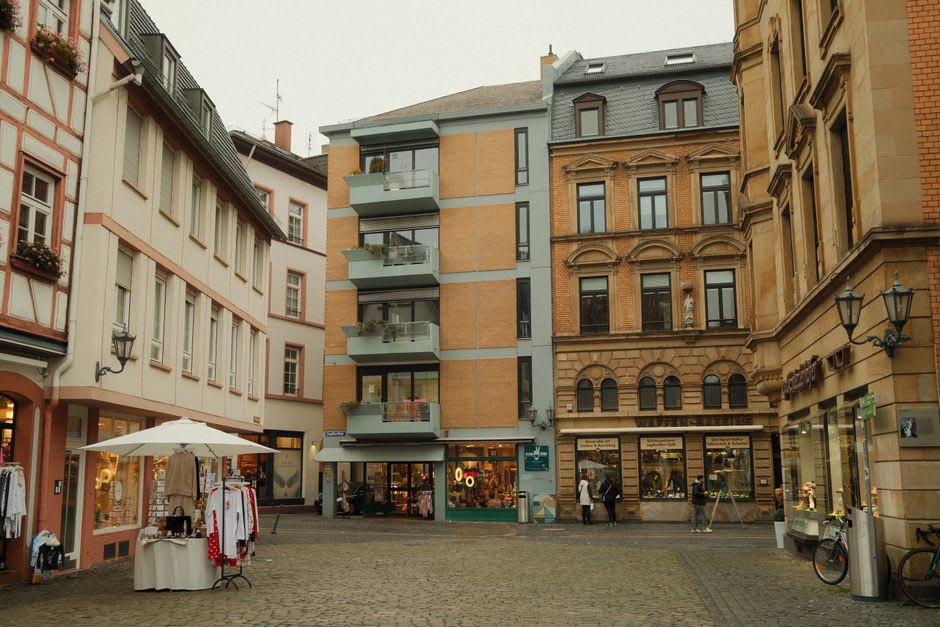
The square itself is the reason to come, English accents or not. It’s one of the most complete bastide centers still standing in the region, with covered stone arcades on all four sides sheltering shopfronts that have presumably done exactly this job for seven hundred years. A squat, much-altered château sits at one corner — parts of it now house the town hall — and a scatter of narrow lanes lead off the square toward a small riverside park along the Dropt, where we sat with sandwiches from the market and watched a fairly serious game of pétanque unfold between what looked like three generations of the same family.
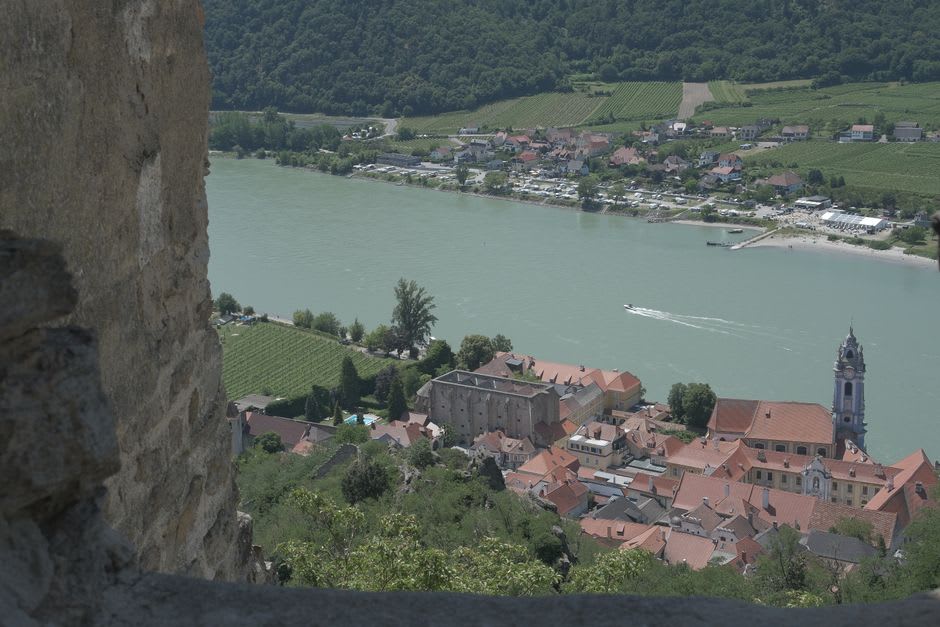
We climbed the church tower for a view over the grid of red rooftops, which from above makes the bastide’s planned geometry completely obvious in a way it doesn’t feel like at street level, where the centuries have softened all the straight lines.
When to go: Thursday, for the market, in late spring before the summer heat sets in — the arcades give good shade but the square itself gets fully exposed by midday in July and August.
Keep exploring
More of Dordogne & Bordelais