
Brittany
"Brittany is the France that kept its own gods, its own language, and its own weather."
Granite fishing ports, tidal walled cities, and a Celtic soul that never fully signed on to being French — Brittany is the corner of the country that faces the Atlantic and means it.
Brittany sticks out into the Atlantic like it’s trying to get away from the rest of France, and in a sense it is. This is Celtic country — closer in spirit to Cornwall or Wales than to Paris — with its own language, its own flag, and a coastline so relentlessly carved by tide and storm that the locals have fifty words for the kind of grey the sky turns before rain. I love it precisely because it refuses to perform “French” the way the south does. There is no lavender here, no rosé at sunset. There is granite, cider, butter in everything, and a silence in the pine forests that feels older than the rest of the country put together.
The walled corsair city of Saint-Malo is the obvious anchor — ramparts that turn the whole town into a stage for watching a fourteen-metre tide come and go twice a day. Inland, the medieval river town of Dinan and the plein-air painters’ village of Pont-Aven hold onto half-timbered streets that have barely changed since Gauguin sketched them. Along the Pink Granite Coast, Perros-Guirec and the fishing port of Concarneau trade on rock formations and blue-hulled boats that look painted rather than real. Quimper, Vannes, and the regional capital Rennes anchor the interior with cathedral squares and market days that still run on medieval rhythm, while the thatched-roof village of Locronan and the wind-scoured island of Belle-Île-en-Mer show how quickly Brittany turns from town to wilderness.
When to go: Late spring through early autumn, when the light is long and the tides are dramatic without the winter Atlantic storms. July and August bring crowds to the coast, but Brittany rarely feels overrun — this is a region built for weather, and weather has a way of thinning the tourist herd.
Explore
Places in Brittany
 france
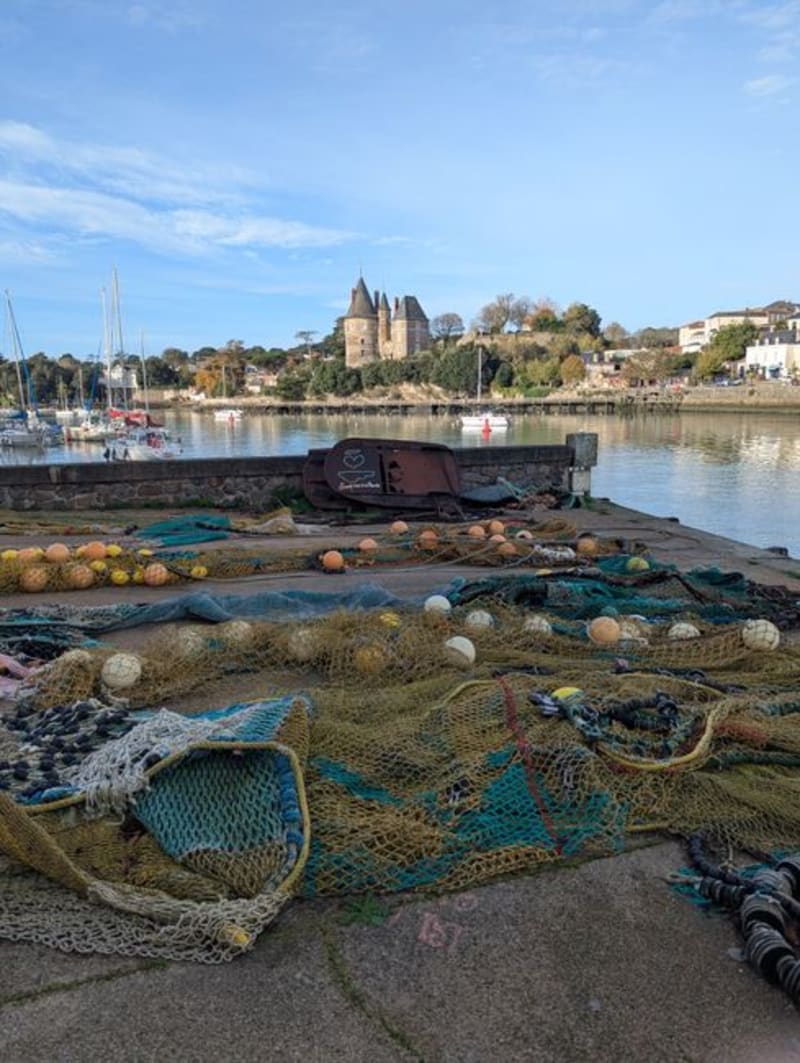
 Auray
A steep little port quarter below the main town where the boats, the wine bars, and the smell of low tide mud make it hard to leave before dark.
Explore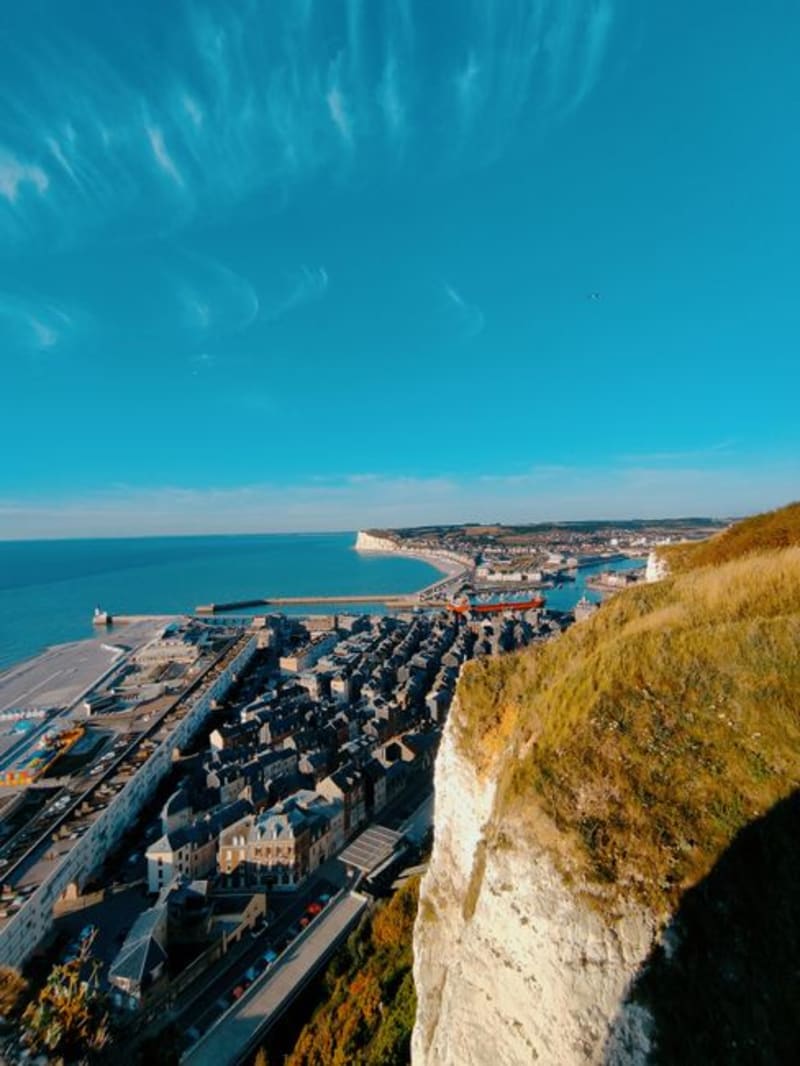 france
 Belle-Île-en-Mer
An island off the Quiberon peninsula with jagged cliffs on one coast and calm sandy coves on the other, and a name that undersells nothing.
Explore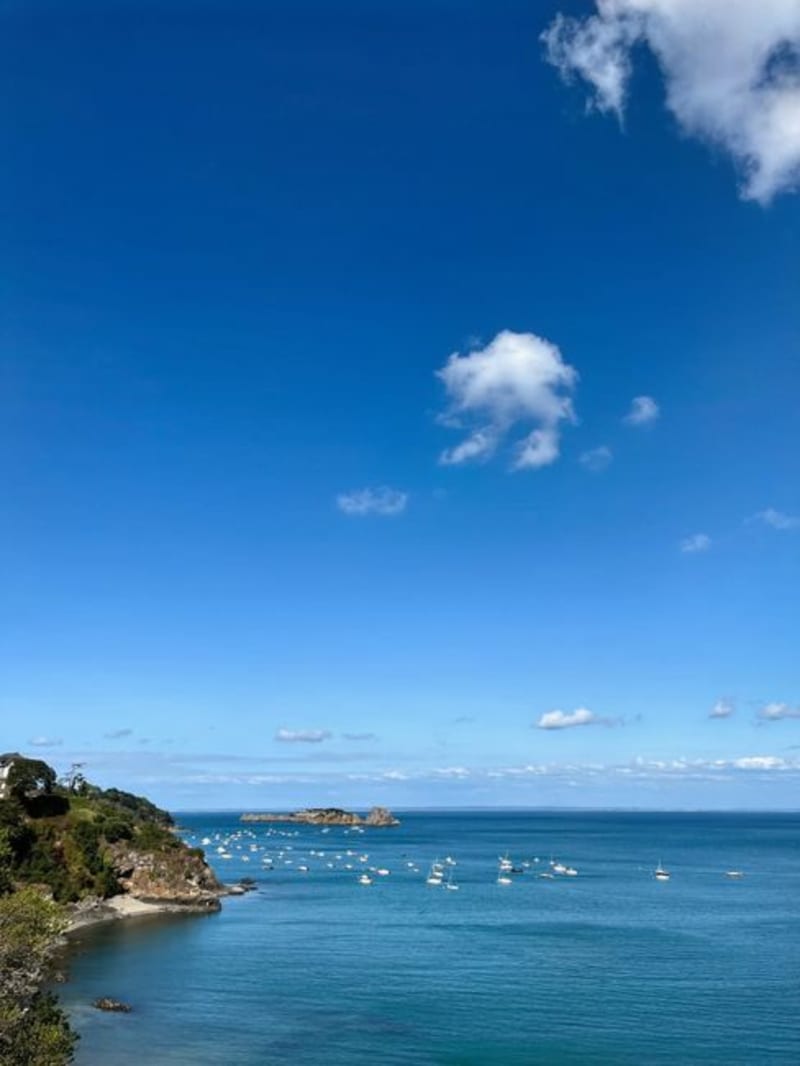 france
 Cancale
The town where I finally understood why the French treat oysters as a ritual rather than a snack — you eat them standing at a harbor wall, shells thrown straight into the sea.
Explore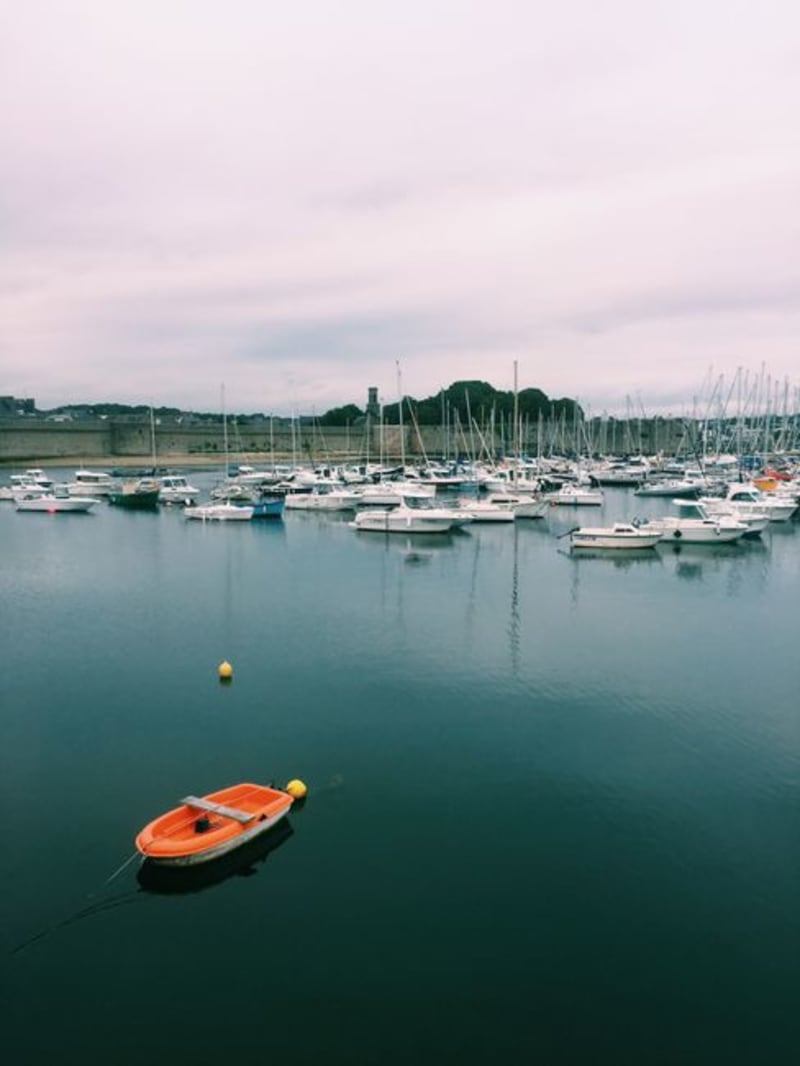 france
 Concarneau
A working fishing port in southern Brittany where a fortified island town sits in the middle of the harbour and the nets drying on the quay are still blue for a reason nobody could fully explain to us.
Explore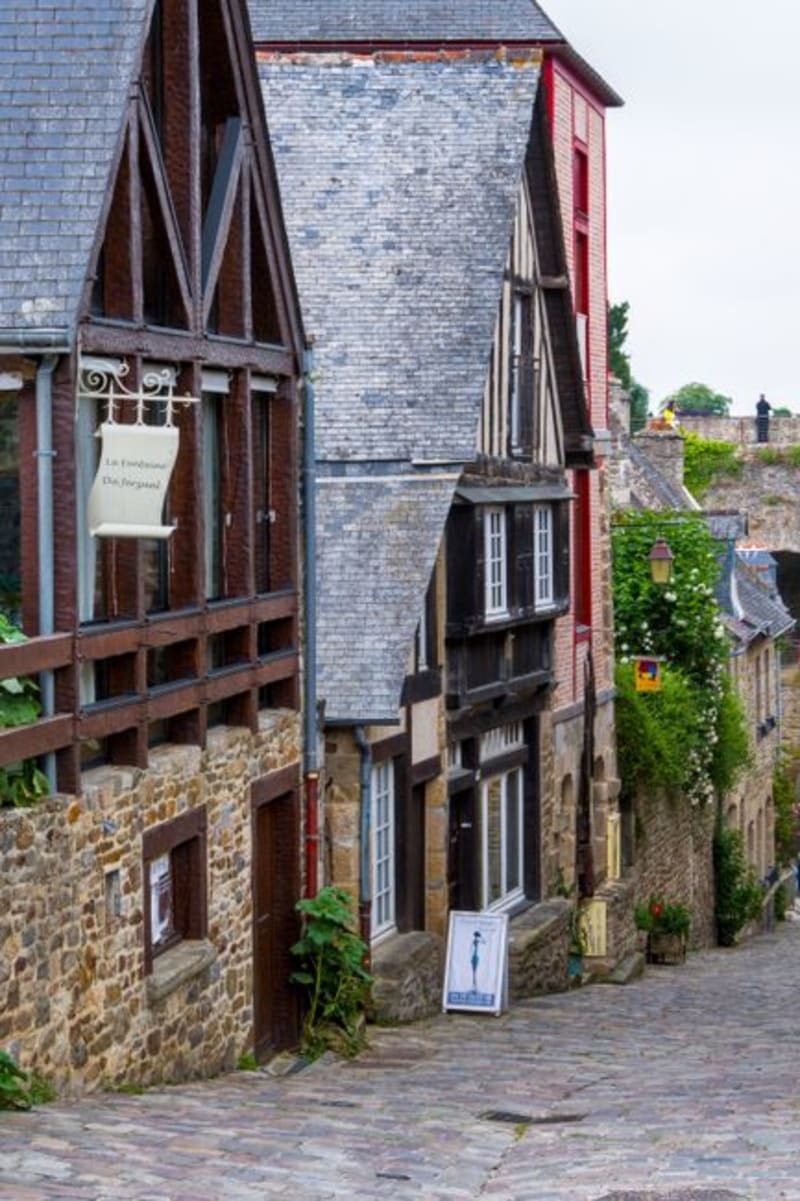 france
 Dinan
A hilltop medieval town above the Rance river where a cobbled street drops so steeply toward the port that Lia insisted we take it slow just to keep our coffees from spilling.
Explore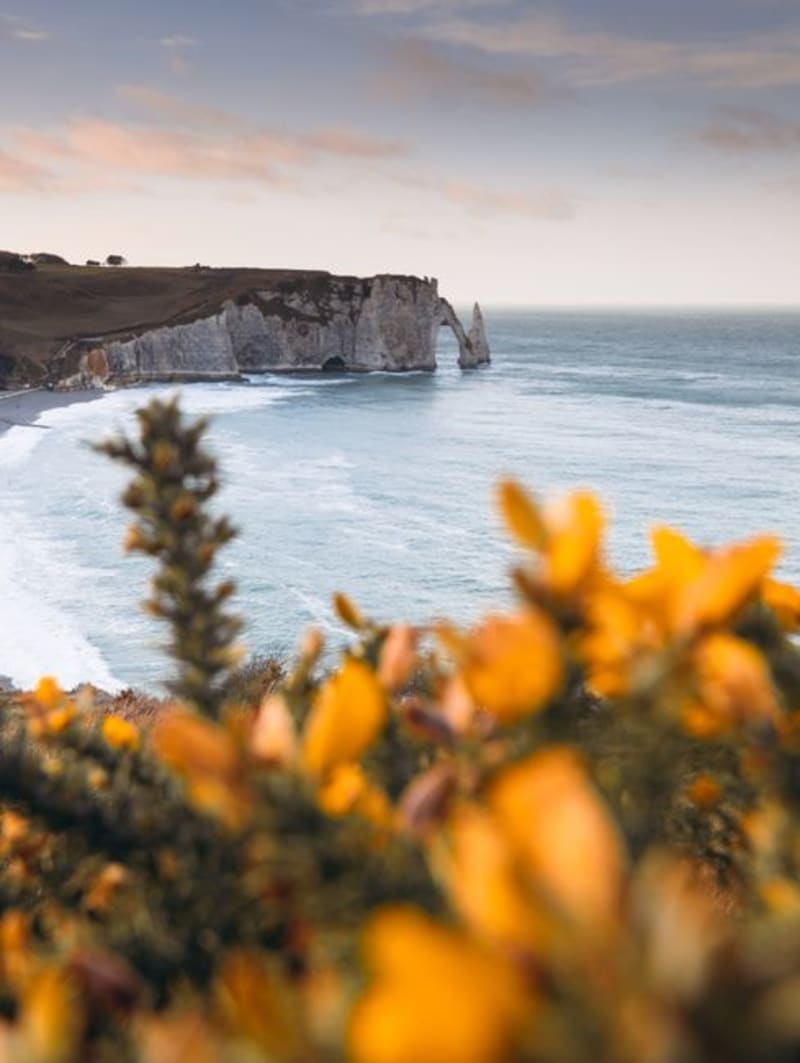 france
 Erquy
A scallop port under a heather-covered cape where the pink-sand coves made Lia forget she was supposed to be watching the tide.
Explore france
 Fougères
One of the largest medieval fortresses left standing in Europe, and Balzac's favorite proof that you don't need Paris to write a great opening chapter.
Explore france
 Guérande
A fully walled medieval town ringed by salt pans where I watched a paludier rake fleur de sel off the water by hand and understood why the stuff costs what it does.
Explore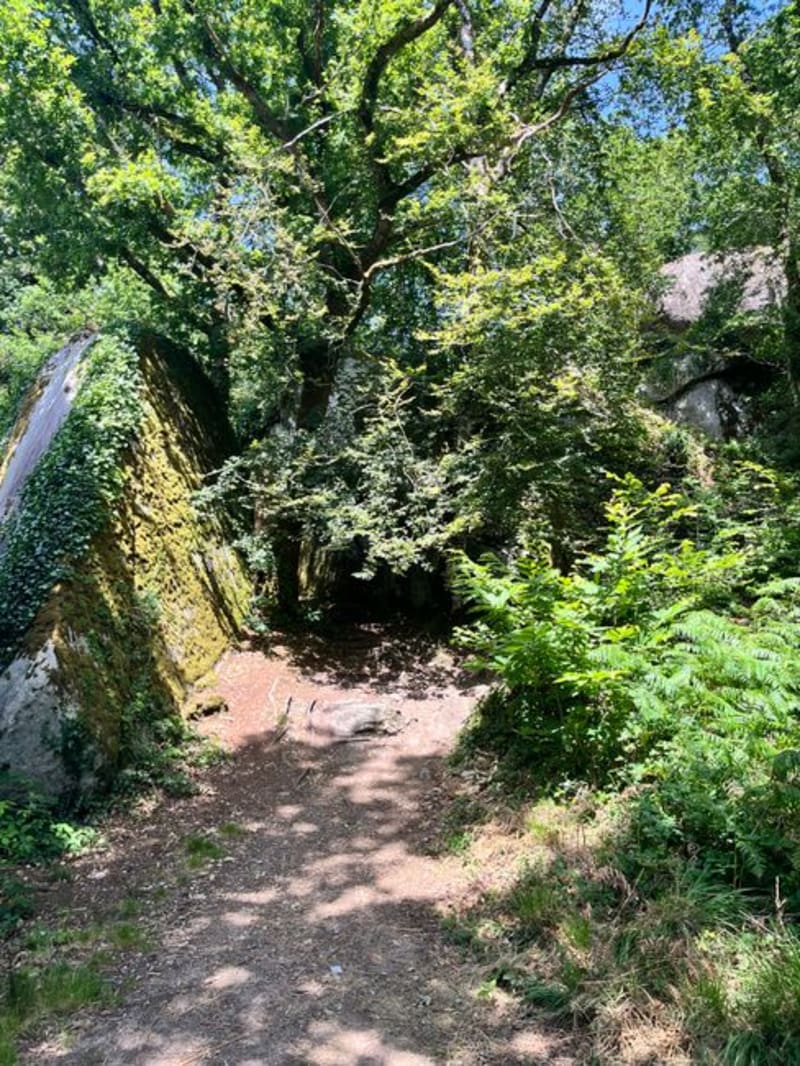 france
 Huelgoat
A forest of house-sized granite boulders in Brittany's forgotten interior where local legend insists the devil himself is trapped under a slab, and where I genuinely lost the trail for twenty minutes.
Explore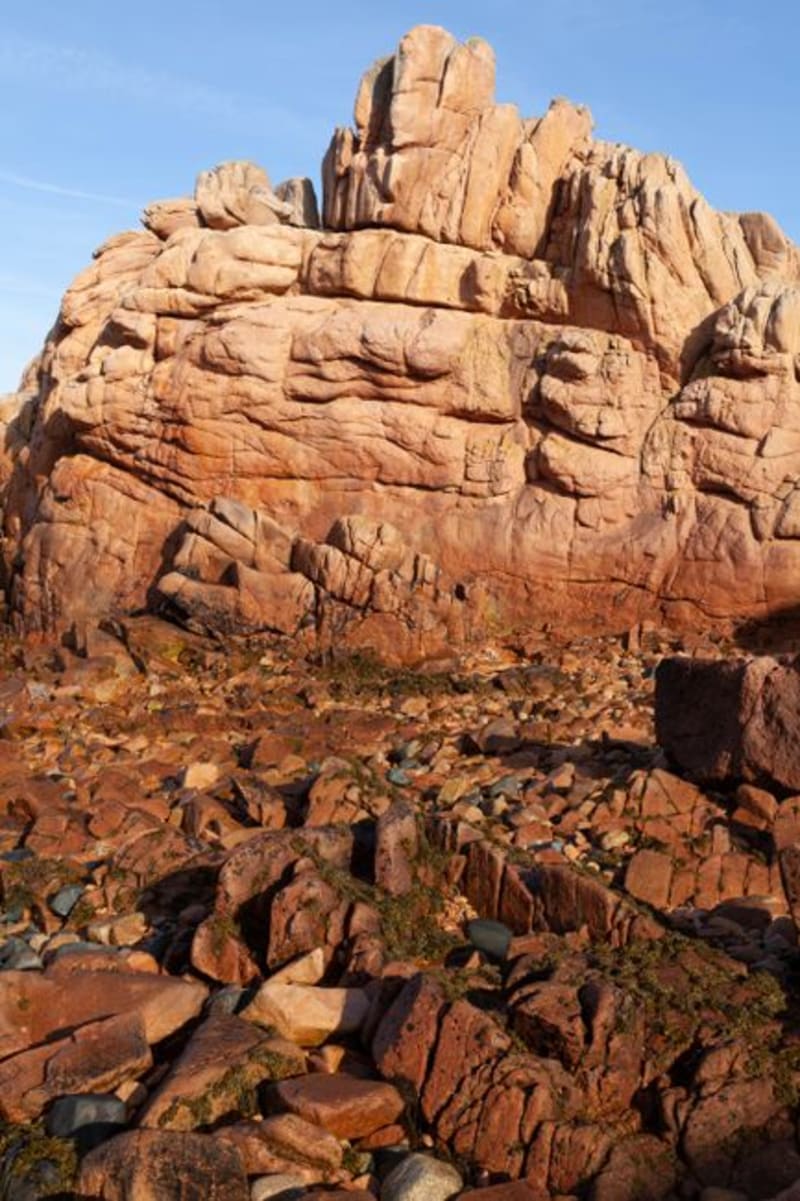 france
 Île de Bréhat
An island with no cars, pink rocks that look lit from within at sunset, and gardens growing mimosa and eucalyptus like it forgot which coast of France it's on.
Explore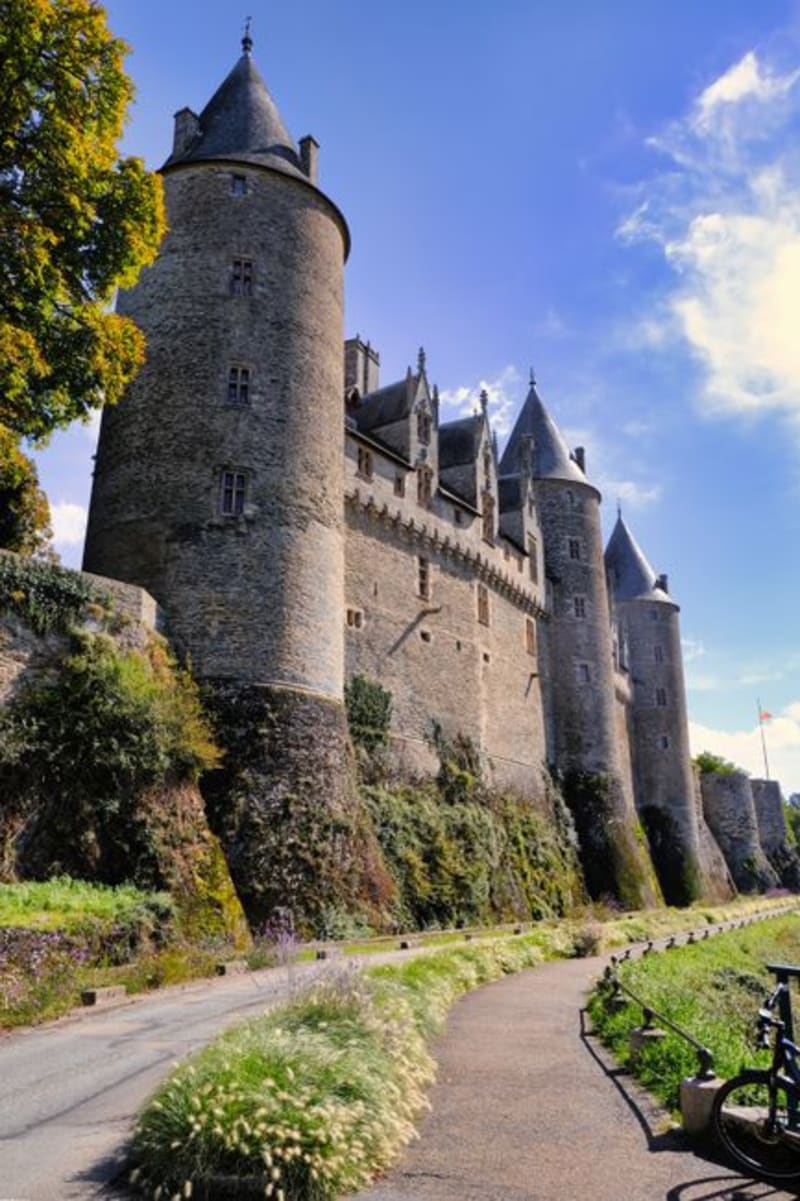 france
 Josselin
A château so improbably fairy-tale that I assumed it was a reconstruction until someone told me the same family has lived there since the 12th century.
Explore france
 La Baule
A nine-kilometer crescent of sand backed by Belle Époque villas where I finally understood why French families have been arguing over the same beach chairs for a hundred years.
Explore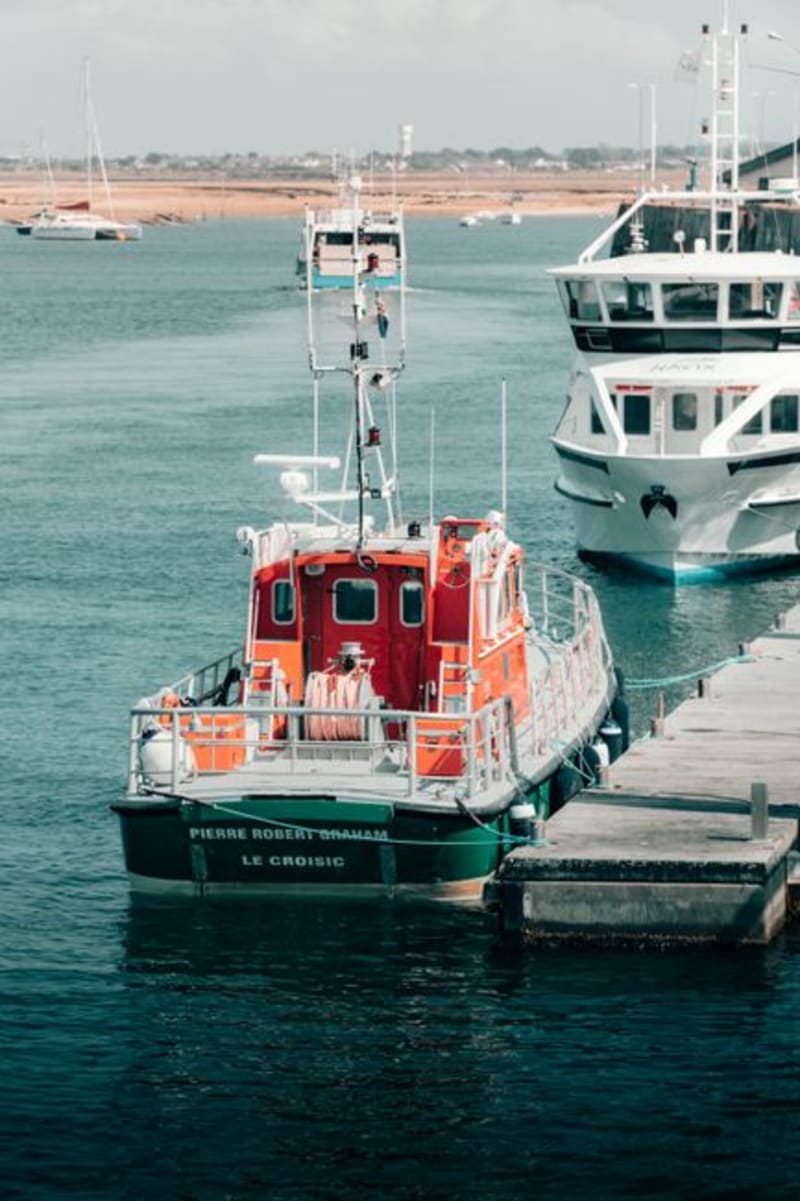 france
 Le Croisic
A working fishing port at the tip of the Guérande peninsula where the trawlers still come in every morning and the ocean museum next to the harbor made Lia late for lunch twice.
Explore france
 Locronan
A tiny granite village in Finistère so uniformly beautiful that it's been used as a film set a dozen times, and where we spent an entire afternoon without covering more than three streets.
Explore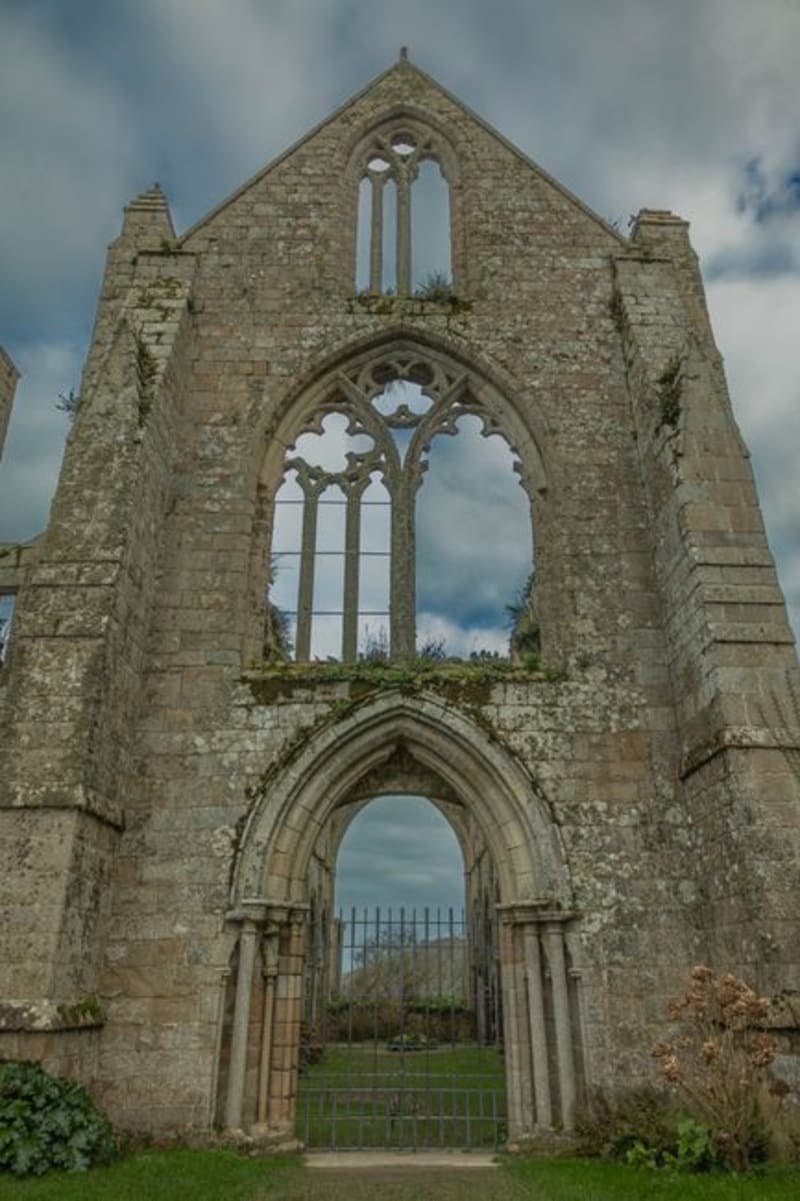 france
 Paimpol
A fishing port that used to send its men to Iceland for months at a time, and now sends day-trippers to Bréhat instead — a gentler kind of departure, but the same harbor.
Explore france
 Perros-Guirec
A resort town on Brittany's Pink Granite Coast where the rocks along the shore really are the colour of a sunset, no filter required.
Explore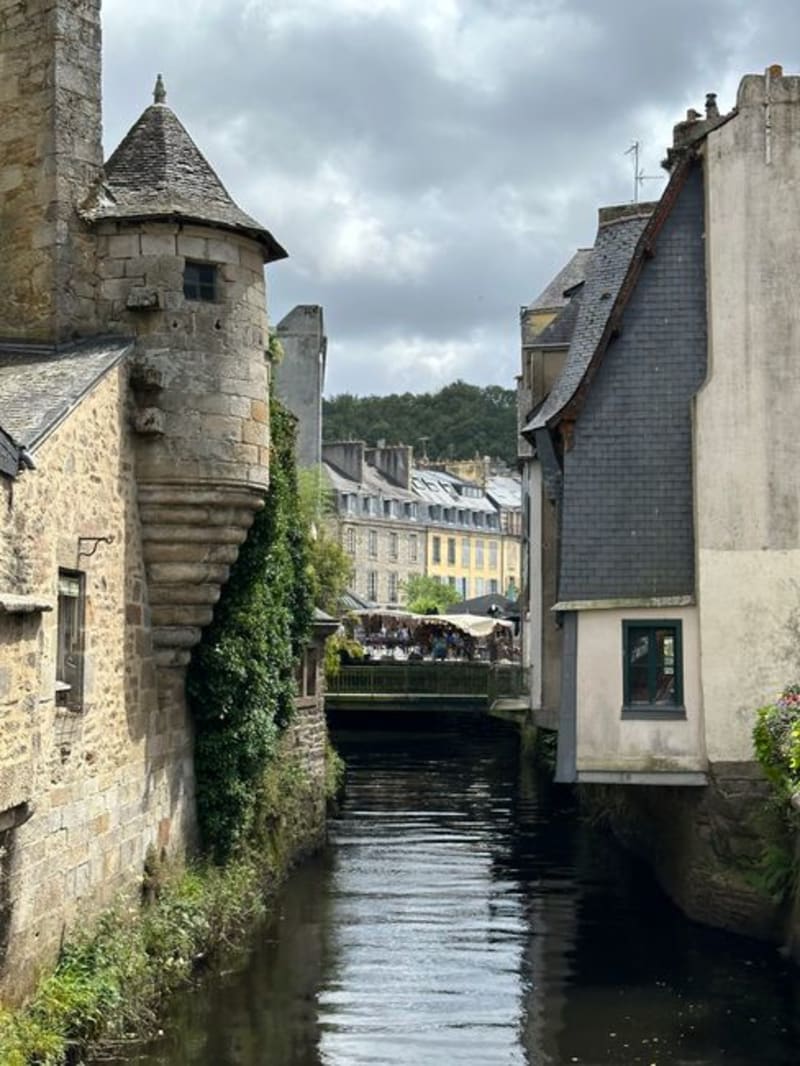 france
 Pont-Aven
A small mill town on the Aven river that Gauguin and a whole school of painters made famous, and where the light on the water still looks like it's trying to be painted.
Explore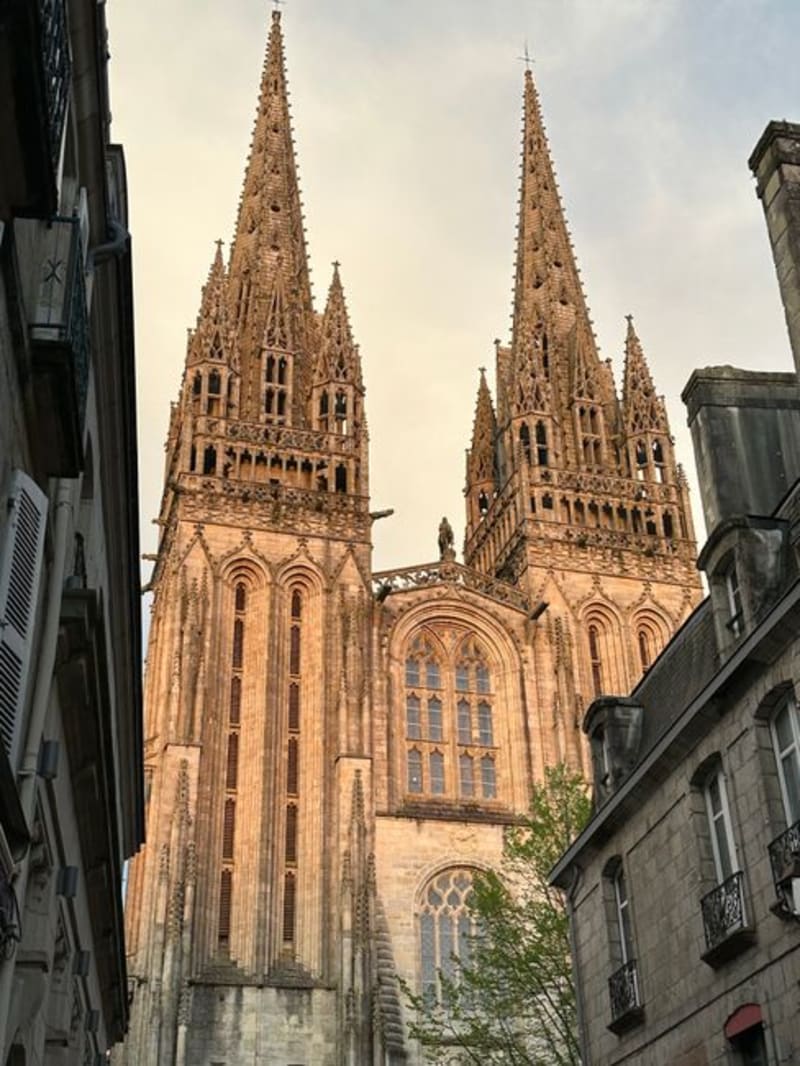 france
 Quimper
The old capital of Cornouaille where two rivers meet under a cathedral with a crooked spire, and where I bought more hand-painted Breton pottery than we had room for in the car.
Explore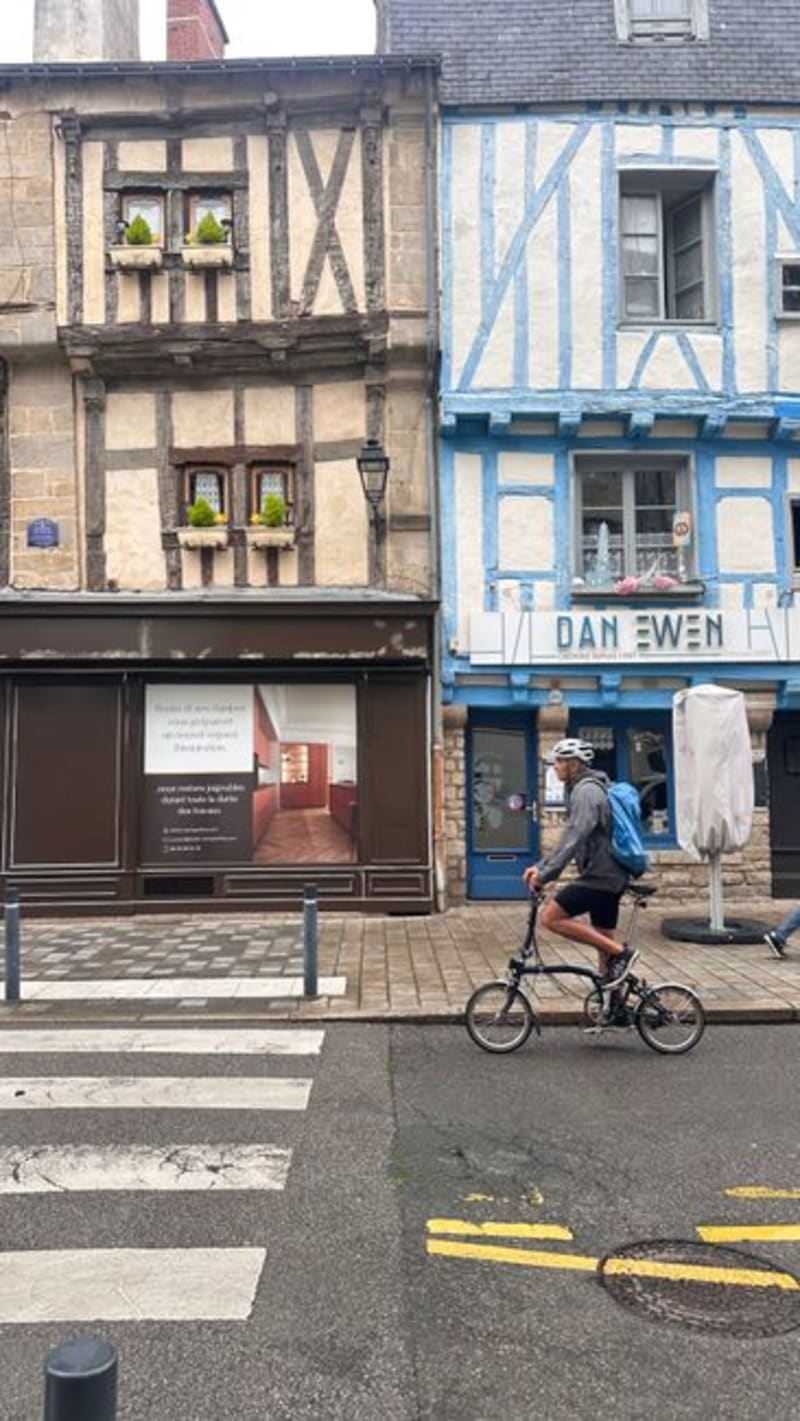 france
 Rennes
Brittany's capital, where a fire in 1720 burned half the city and left it with an odd, likeable mix of leaning medieval streets and grand stone squares built to replace them.
Explore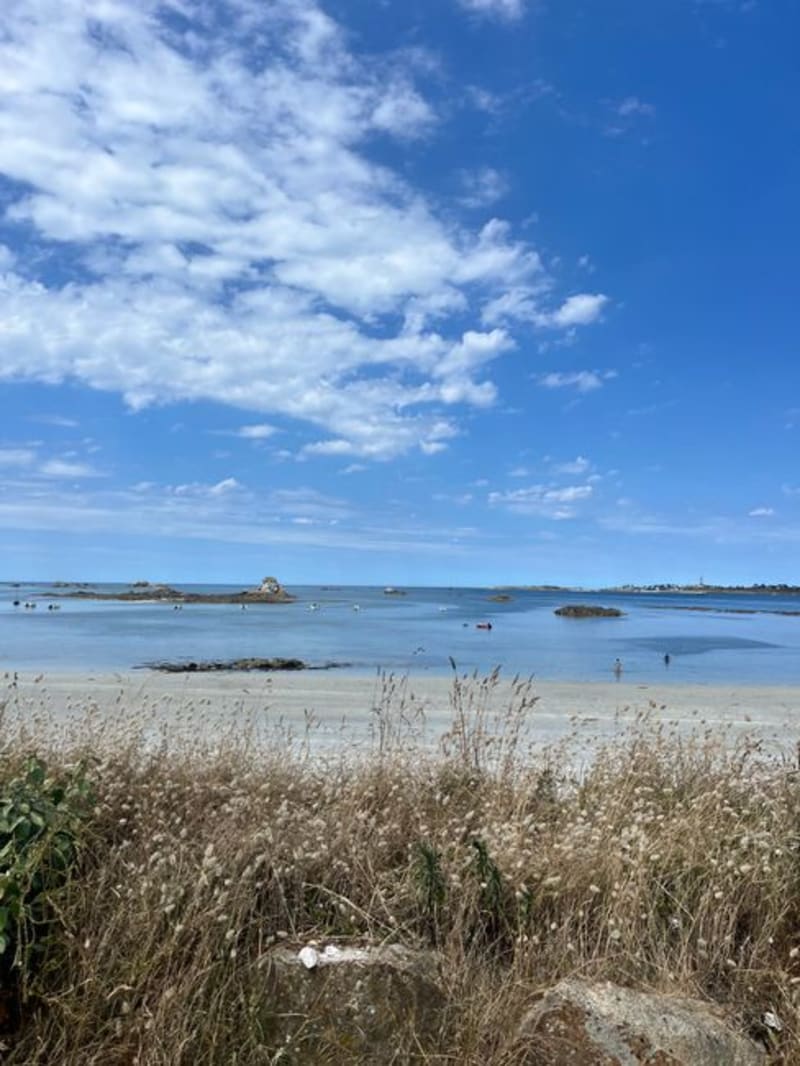 france
 Roscoff
A ferry port town built from pink granite and onions, where my grandfather's stories about the Johnnies who peddled them door to door in England finally made sense.
Explore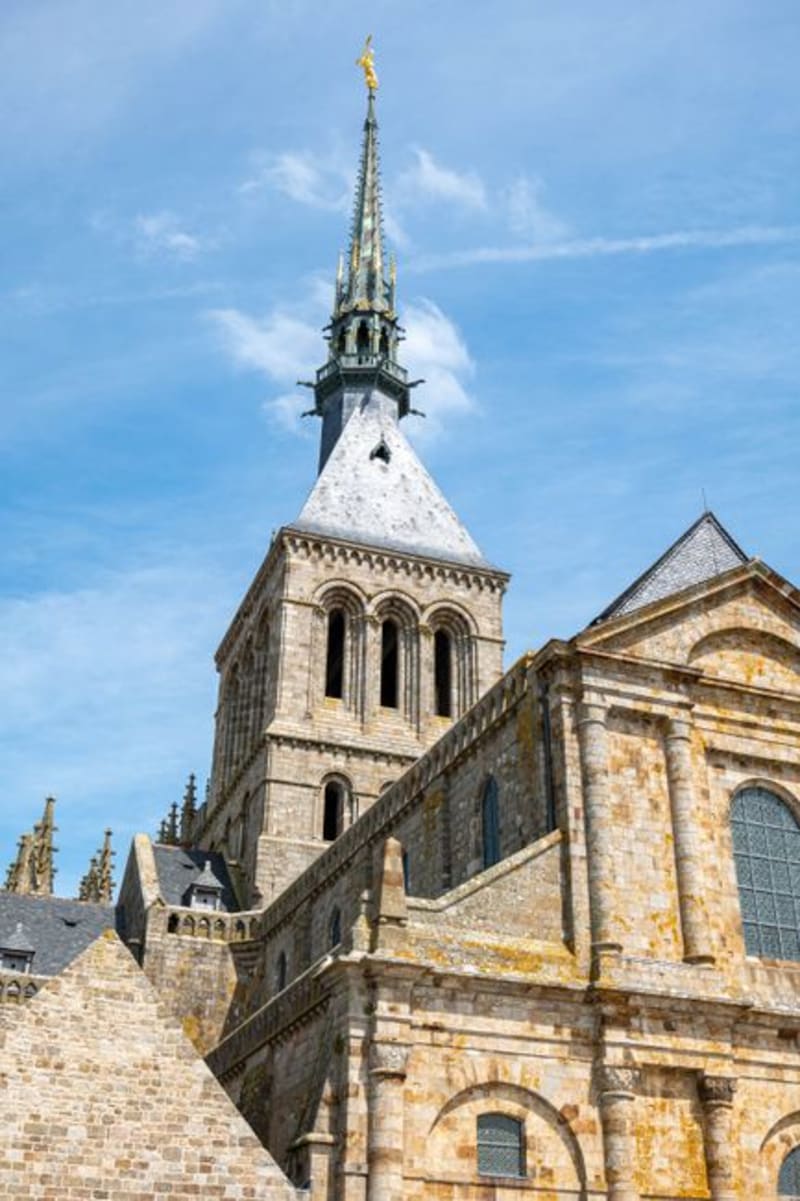 france
 Saint-Brieuc
The regional capital everyone drives past on the way to somewhere prettier, which is exactly why I keep finding reasons to stop.
Explore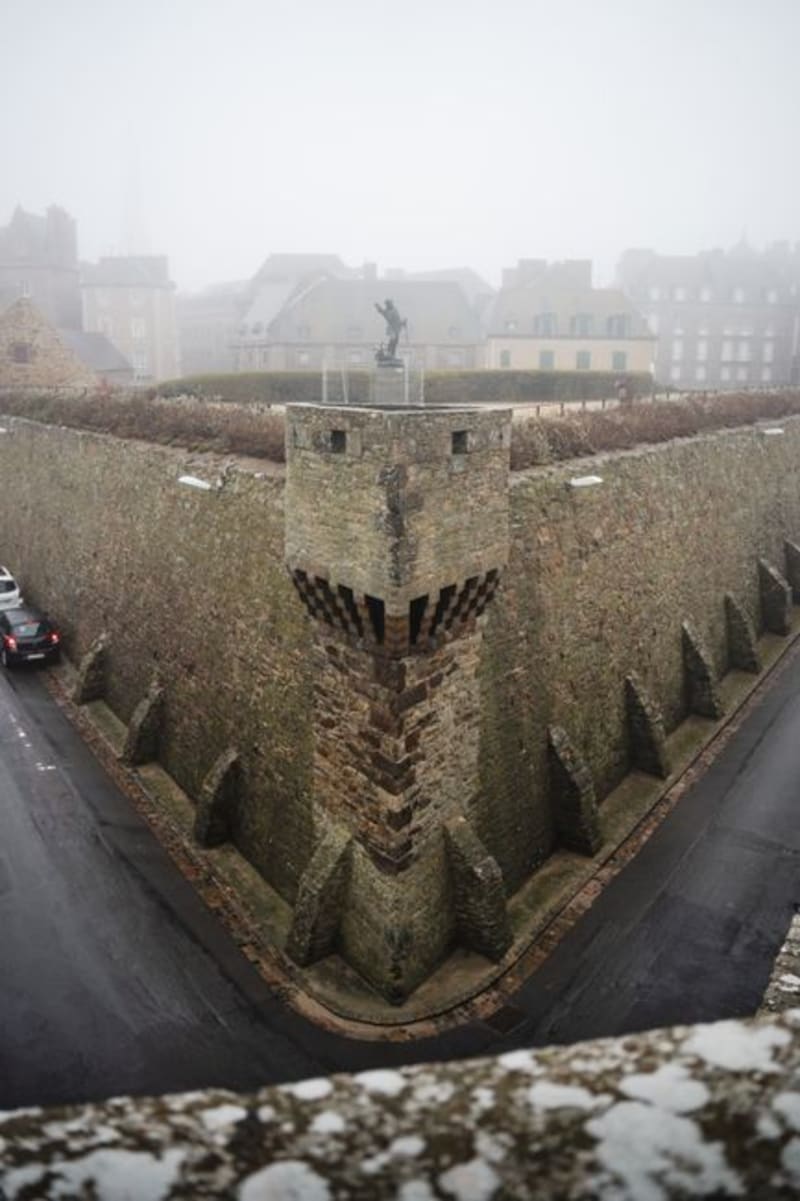 france
 Saint-Malo
A walled corsair city on Brittany's Emerald Coast where the tide swings nearly fourteen metres and the ramparts turn the whole town into a stage for watching the sea come and go.
Explore france
 Tréguier
A hushed cathedral town on the Jaudy estuary where Ernest Renan was born and where the pardon procession still fills the streets with banners once a year, whether the tourists notice or not.
Explore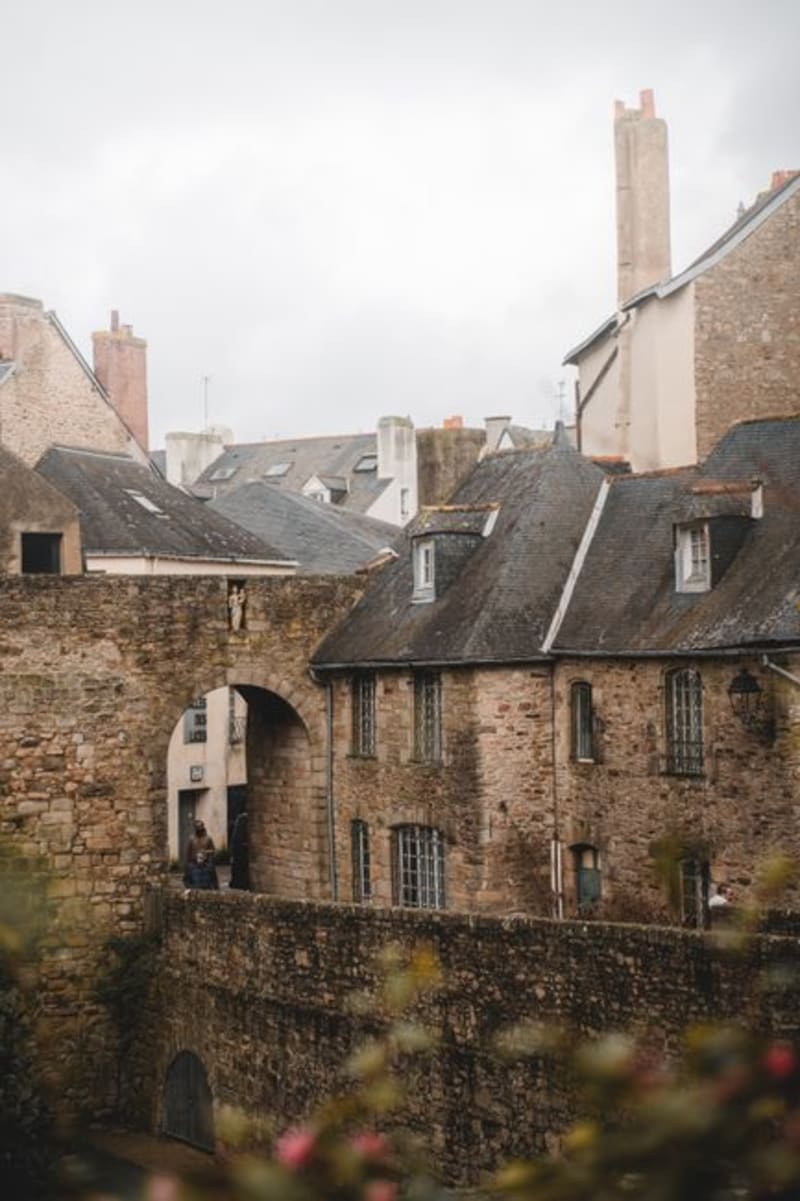 france
 Vannes
A half-timbered old town at the head of the Gulf of Morbihan where stone washhouses still line the ramparts and the tide brings the sea almost to the cathedral doorstep.
Explore