Josselin
"I've seen a lot of châteaux in France that are museums pretending to be homes. Josselin is a home that happens to also be a museum."
A château so improbably fairy-tale that I assumed it was a reconstruction until someone told me the same family has lived there since the 12th century.
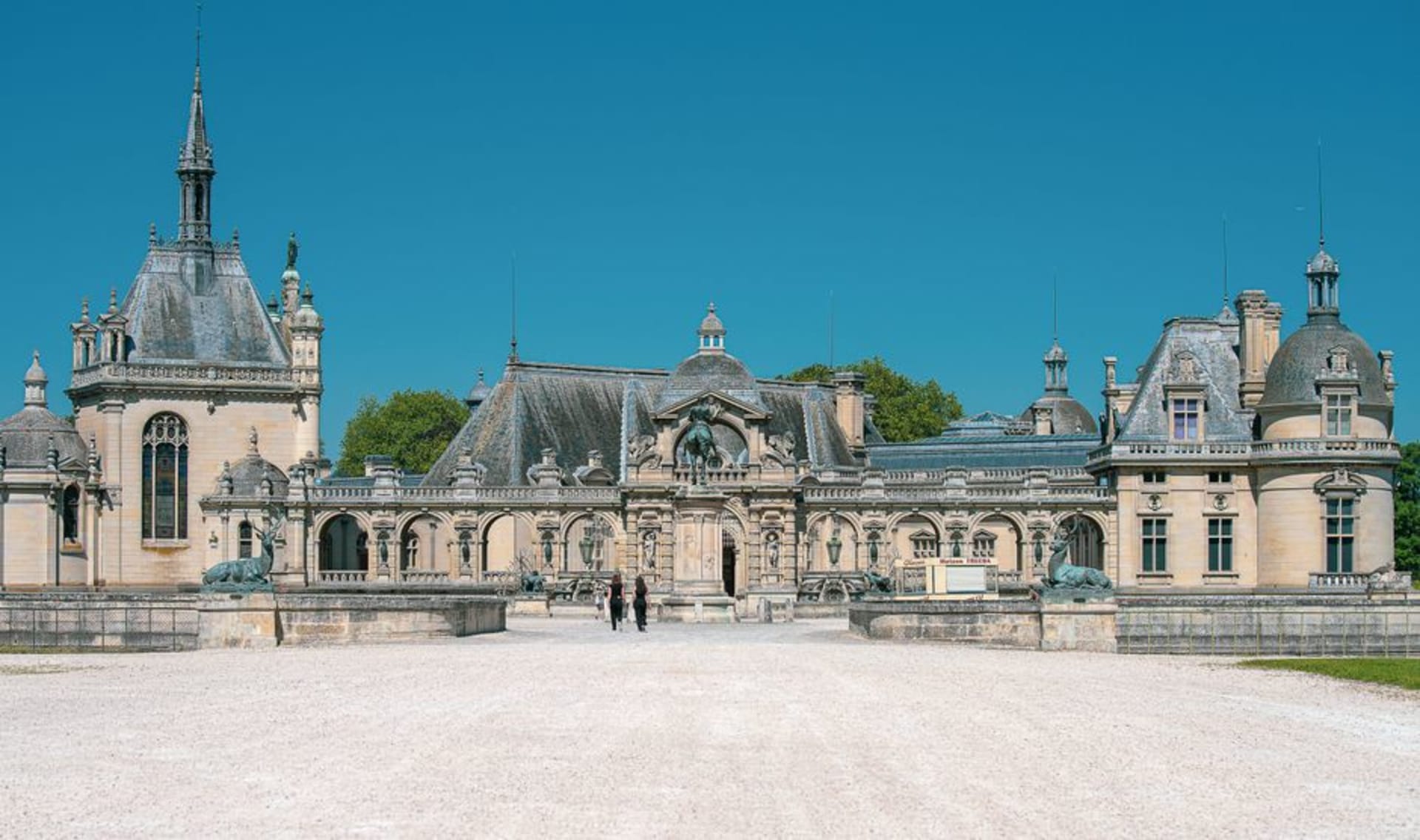
I got to Josselin by taking a wrong turn off the road between Vannes and Rennes, the kind of detour that usually costs you twenty minutes and a bit of frustration, and instead delivered me straight to a riverbank view of a château so severe and so vertical that I actually stopped the car to make sure I wasn’t looking at a film set. Three round towers of dark granite rise directly out of the Oust river, unbroken by any softening garden or moat approach, just stone going straight up out of water, and it’s the kind of first impression that makes every other château you’ve seen that week feel a little bit like a postcard.
Nine hundred years of the same family
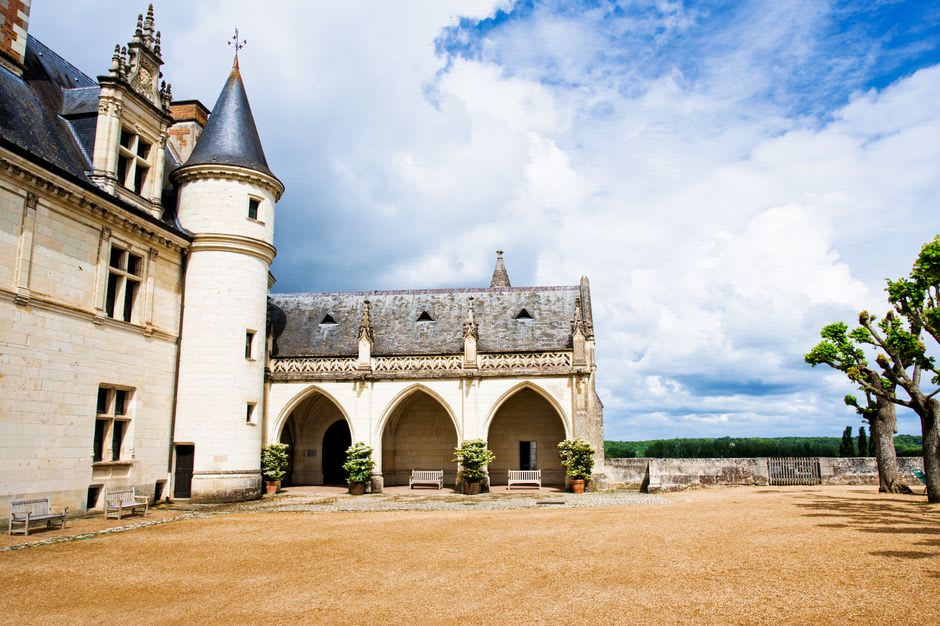
What makes Josselin different from most of the châteaux stacked along the Loire is that the Rohan family, one of Brittany’s oldest and most powerful noble houses, still owns and lives in part of it, with an unbroken connection to the site stretching back to the 12th century when their ancestors first built a fortress here. The current building is largely a 15th and 16th-century reconstruction — the medieval fortress was mostly dismantled on the order of Cardinal Richelieu in the 17th century, leaving only the massive river-facing towers standing as a kind of ruin, and the family later rebuilt the interior-facing side in a much more ornate, almost domestic Gothic style, full of dormer windows and delicate stonework that looks nothing like the fortress front. Touring the interior, still furnished with Rohan family portraits and heirlooms rather than roped-off museum displays, gave the whole visit a lived-in quality that a lot of grander châteaux lack once they’ve been fully handed over to the state.
A half-timbered town built to match
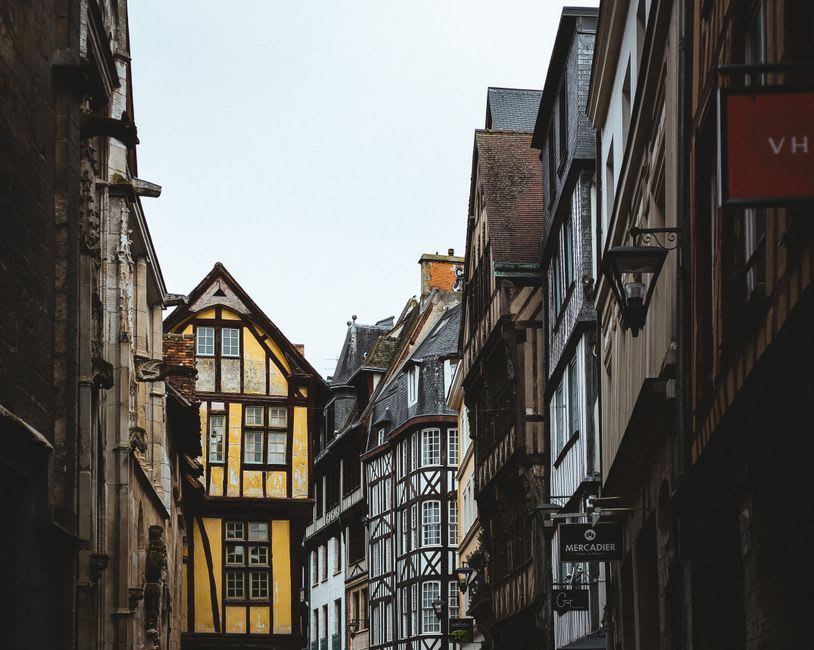
The town huddled below the château does its best to keep pace, with a knot of narrow streets lined by half-timbered houses leaning at the kind of angles that make you glad Brittany doesn’t get earthquakes, centered on the Basilique Notre-Dame-du-Roncier, a pilgrimage church with a history of Marian apparitions going back to the 9th century and a pardon procession still held every September that draws crowds from across the region. We wandered down to the riverside path for the view of the château that most photographs use, then found a small crêperie on Place Notre-Dame where the owner, on hearing I lived in Mexico now, spent ten minutes asking about avocados with more genuine curiosity than most people manage about the château next door.
When to go: Visit between April and October when the château interior is open on a regular daily schedule — outside that window it’s largely restricted to weekends or closed. Early morning or early evening light on the river-facing towers is worth planning around if you want the photograph everyone takes, and the September pardon procession is a good excuse to see the town at its most animated.
Keep exploring
More of Brittany