Fougères
"I've walked through a lot of ruined castles. Fougères is the first one that made me feel small the way a cathedral does."
One of the largest medieval fortresses left standing in Europe, and Balzac's favorite proof that you don't need Paris to write a great opening chapter.
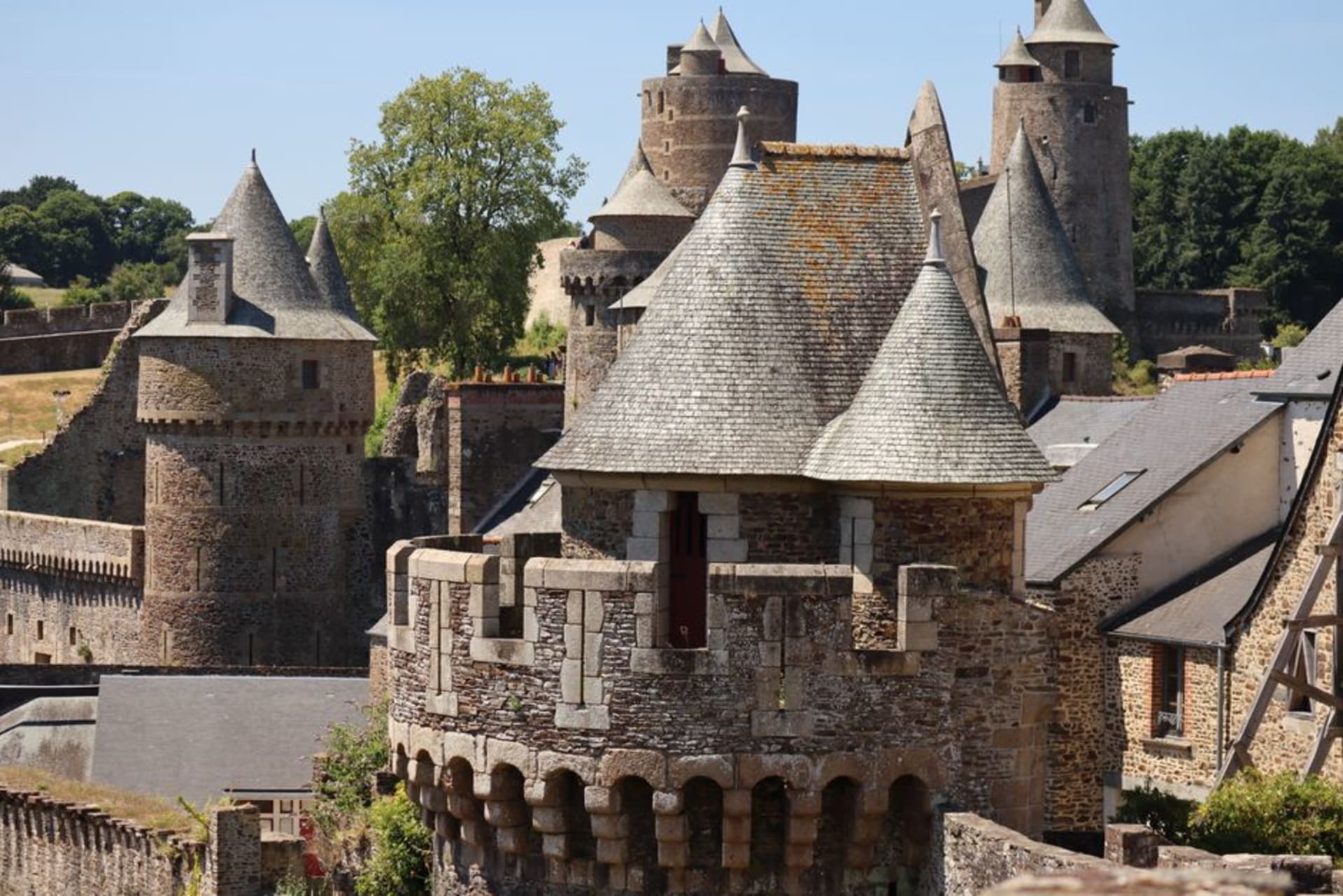
Fougères sits right on the old border between Brittany and the rest of France, and the château here makes that history obvious the moment you see it — this isn’t a decorative country house pretending to be defensive, it’s an actual war machine of a fortress, thirteen towers strung along walls that enclose more than two hectares, built and rebuilt over four centuries by dukes who needed something serious to hold this frontier. I’d read it described as one of the largest medieval fortresses in Europe before visiting and assumed that was the usual tourist-board exaggeration. It isn’t.
A fortress that grew instead of decaying
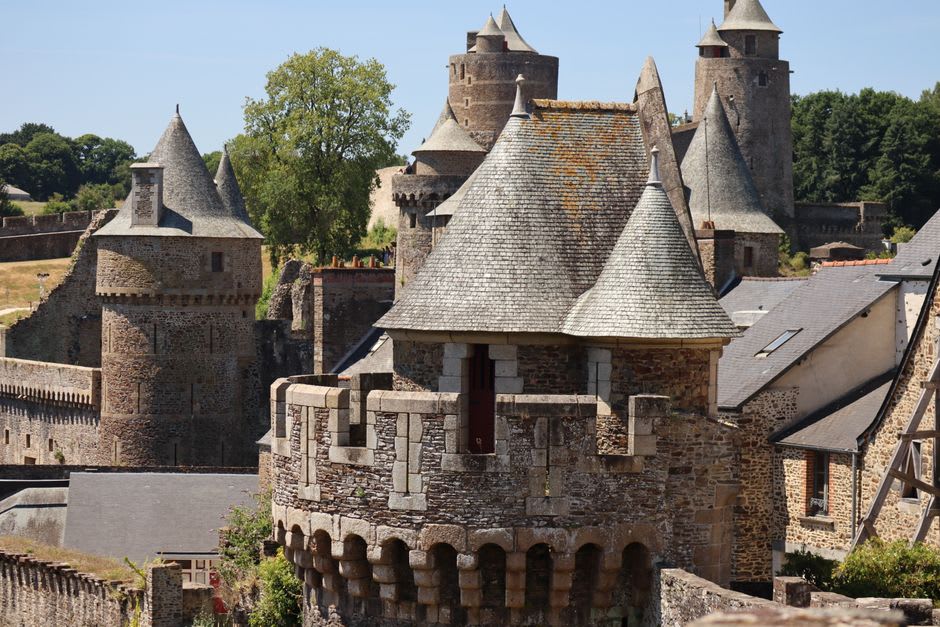
Most of the great châteaux of France that survive today do so because they were converted into something gentler — a hunting lodge, a residence, a museum piece softened by later renovation. Fougères kept being a fortress for as long as it needed to be one, expanded tower by tower from the 12th through the 15th centuries as artillery got better and the dukes of Brittany needed thicker walls and taller keeps to match, sitting low in a bend of the Nançon river specifically so attackers would have to fight uphill on every approach. Walking the ramparts, you pass through towers with names like Mélusine and Surienne, each one a slightly different generation of military architecture stacked against the last, and the view down into the town from the walls makes clear why this spot was fought over so persistently — whoever held Fougères controlled the road into Brittany.
Balzac’s Brittany and the forest beyond
Honoré de Balzac never lived in Fougères, but he set his novel “Les Chouans” here, using the town and its château as the backdrop for a story of royalist guerrilla fighters during the Revolution, and the opening pages describe the fortress with enough affection that the town has never quite let him go — there’s a small display dedicated to the connection near the old town, and a walk through the steep medieval streets of the Marchix quarter below the château does genuinely feel like stepping into a 19th-century adventure novel. Beyond the town, the Forêt de Fougères stretches out to the east, a huge expanse of beech and oak crossed by hiking trails and dotted with megalithic stones far older than the château itself — we spent a morning walking out to the Hêtre de la Pluie, an ancient beech tree locals claim can predict rain, and came back into town for lunch feeling like we’d covered several centuries of Breton history in a single day without really trying.
When to go: Visit spring through autumn for full access to the château’s towers and ramparts, with July and August bringing evening sound-and-light shows that make the fortress genuinely dramatic after dark. The forest trails are best in autumn, when the beech canopy turns and the megaliths are easier to spot through thinner undergrowth.
Keep exploring
More of Brittany