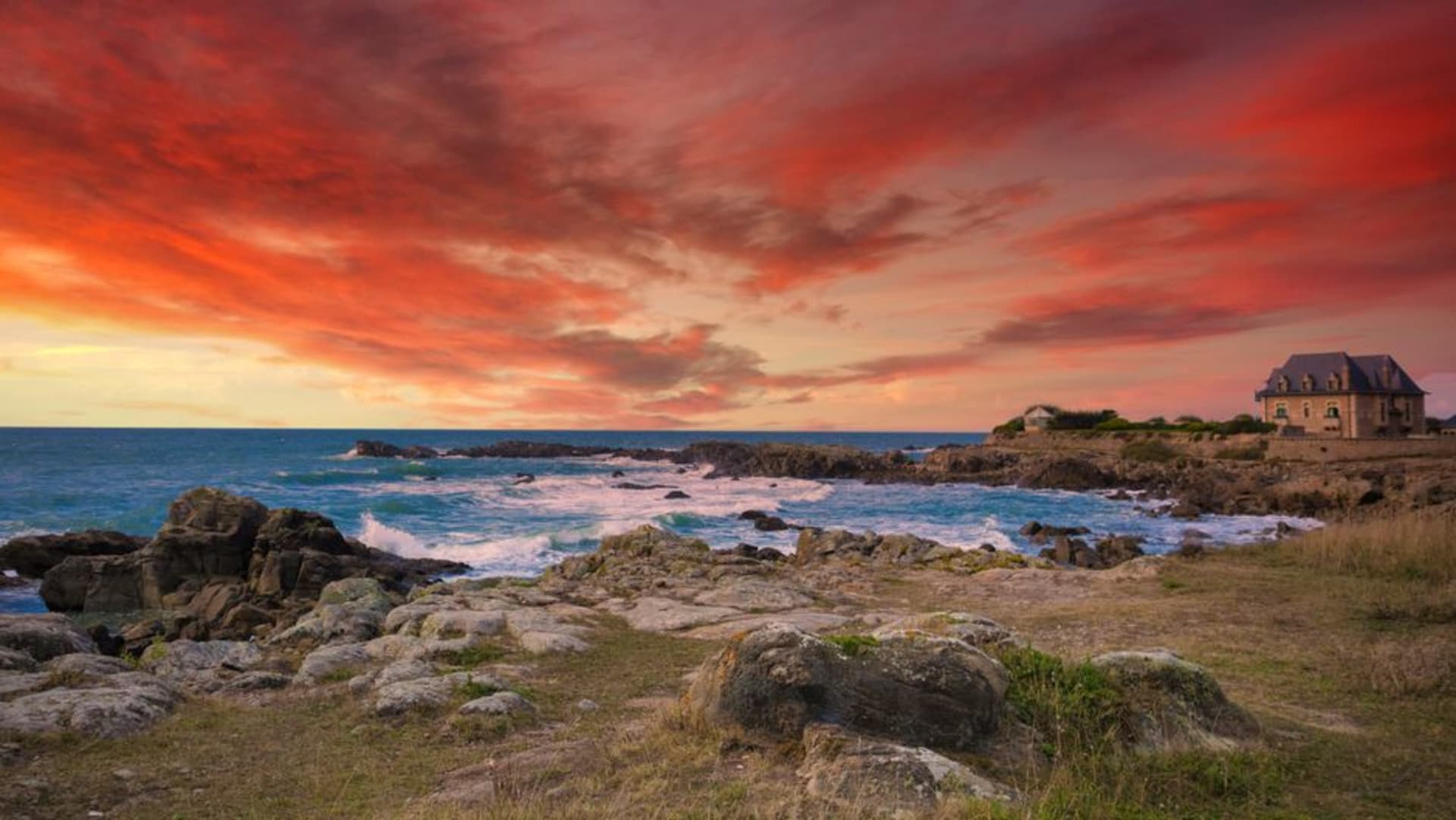
A nine-kilometer crescent of sand backed by Belle Époque villas where I finally understood why French families have been arguing over the same beach chairs for a hundred years.
I’d heard people describe La Baule’s beach in numbers before I ever saw it — nine kilometers of sand, they’d say, as if that alone should impress me — and I’ll admit I was skeptical, having grown up on the shorter, rockier beaches of home. Then we actually walked it, end to end, one long afternoon with nowhere to be, and the scale of the thing won me over completely. It curves in one uninterrupted sweep from the Pointe de Penchâteau to the mouth of Le Pouliguen, and for most of that length there’s nothing but sand, low dunes, and a wall of pale villas standing back from the water like an audience.
The crescent and its Belle Époque backdrop
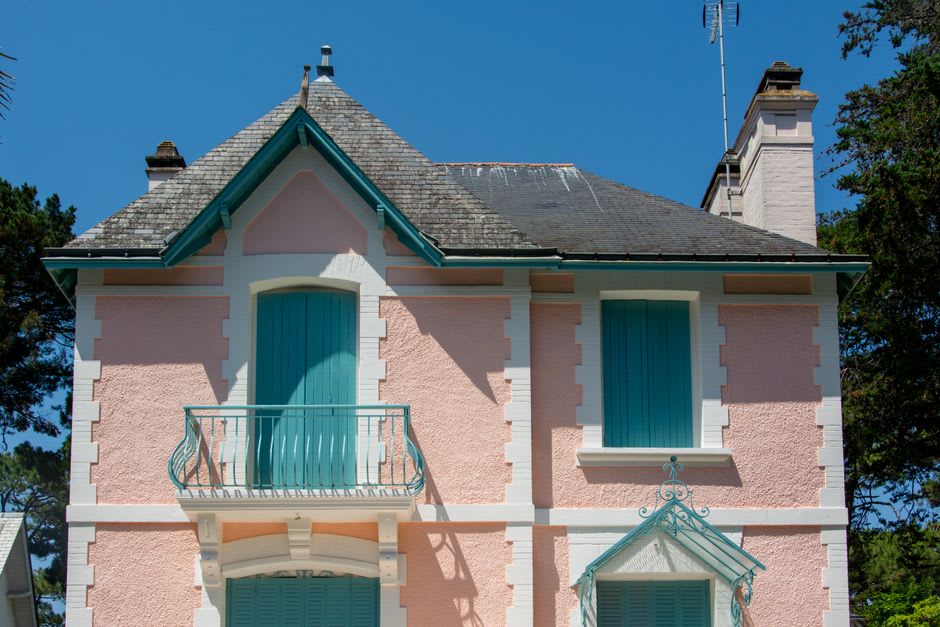
La Baule was invented, more or less, in the late 19th century, when Parisian and Nantes families started building summer villas along what had been empty dunes, and the town still reads like a planned resort rather than an organic Breton settlement — because that’s essentially what it is. Walking the promenade behind the beach, you pass one turreted, balconied villa after another, ornate wooden verandas and slate roofs in a style that has almost nothing to do with the granite fishing villages elsewhere on this coast. We rented bikes one morning and rode the length of the seafront before the beach filled up, stopping constantly so I could point at yet another villa with a name carved into its facade, half hotel, half private mansion, most of them still occupied by the same families whose grandparents built them.
Into the pines, away from the sand
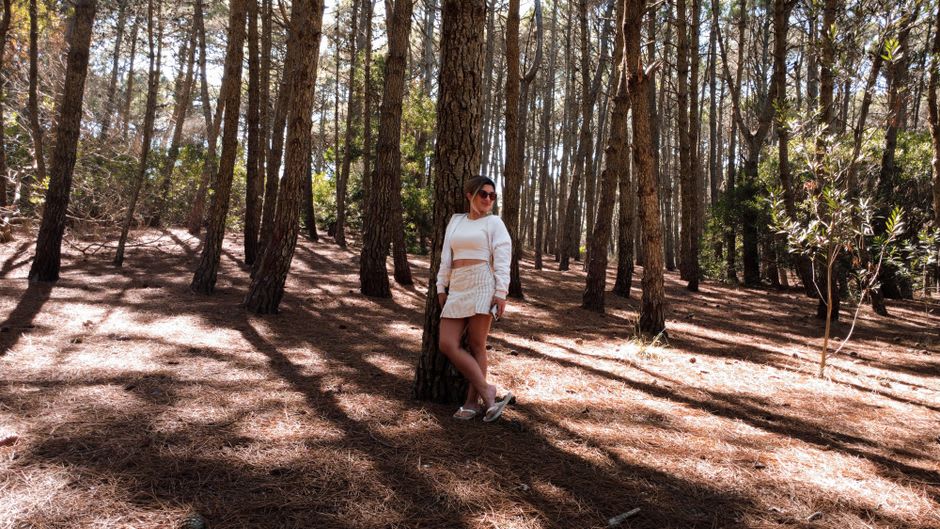
What surprised me most about La Baule wasn’t the beach itself but what sits directly behind it: a genuinely dense pine forest, planted originally to stabilize the dunes and now covering a good chunk of the town’s residential quarter, so that villas and quiet streets sit half-hidden under maritime pines just a five-minute walk from the crowded sand. It gives La Baule a split personality — loud, social, towel-to-towel beach on one side, and a shaded, almost sleepy residential world on the other, cicadas going in the pines while, just past the tree line, someone’s radio is playing on the beach. Lia found a bakery tucked into that pine quarter that we went back to three mornings running, mostly because eating a pain au chocolat under actual trees felt like a small luxury after a week of open coastline.
When to go: July and August are peak season, when the beach is at its liveliest and every villa and hotel is open, but book well ahead and expect crowds on the sand. June and September give you warm water and empty stretches of beach with a fraction of the people, which is when I’d actually choose to go back.
Keep exploring
More of Brittany