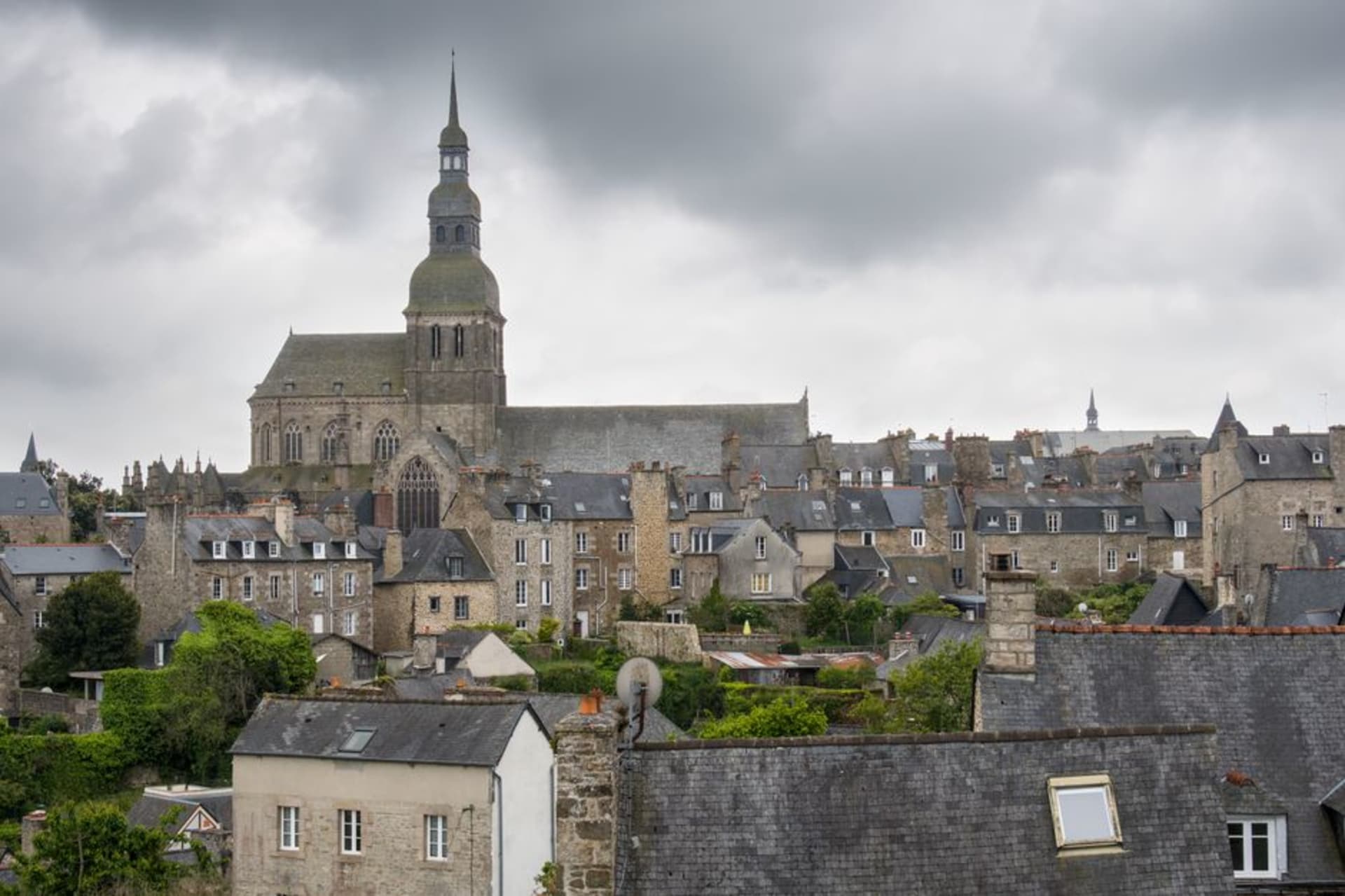
Saint-Brieuc
"Nobody comes to Saint-Brieuc for Saint-Brieuc. They come for what's on either side of it, and I understand, but I still think that's a mistake."
The regional capital everyone drives past on the way to somewhere prettier, which is exactly why I keep finding reasons to stop.
Saint-Brieuc gets treated like a hyphen — the place between Cap Fréhel and the pink granite coast, a name on a road sign you register and then forget. I did the same thing myself the first two times I drove through it, on my way to somewhere with better postcards. It was Lia who made me stop the third time, mostly because she wanted lunch and refused to eat another service-station sandwich, and that lunch turned into an afternoon wandering a town that has more going on than its reputation as a pass-through suggests.
A town built above its own ravines
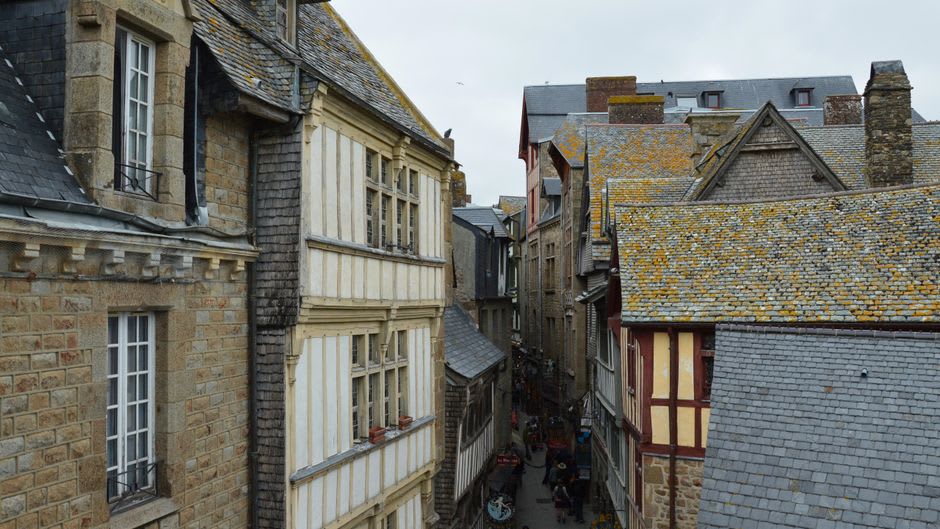
What struck me first was the topography, which nobody had mentioned. Saint-Brieuc sits on a plateau cut through by two river valleys, the Gouët and the Gouédic, and the old town perches above steep wooded ravines that plunge down toward the port at Le Légué. You can walk from half-timbered medieval streets around the Cathédrale Saint-Étienne — a squat, fortress-like church with crenellations that make it look more defensive than devotional, a reminder that Brittany’s bishops used to need actual walls — and within ten minutes be descending a footpath into a gorge thick with ferns, following the Gouët down toward the harbor. It’s an odd, vertical kind of town, and the contrast between the tight medieval core and the sudden green drop of the ravines gave the whole afternoon a rhythm I hadn’t expected from a “regional capital,” a label that usually promises roundabouts and administrative buildings and not much else.
The bay that swallows the tide
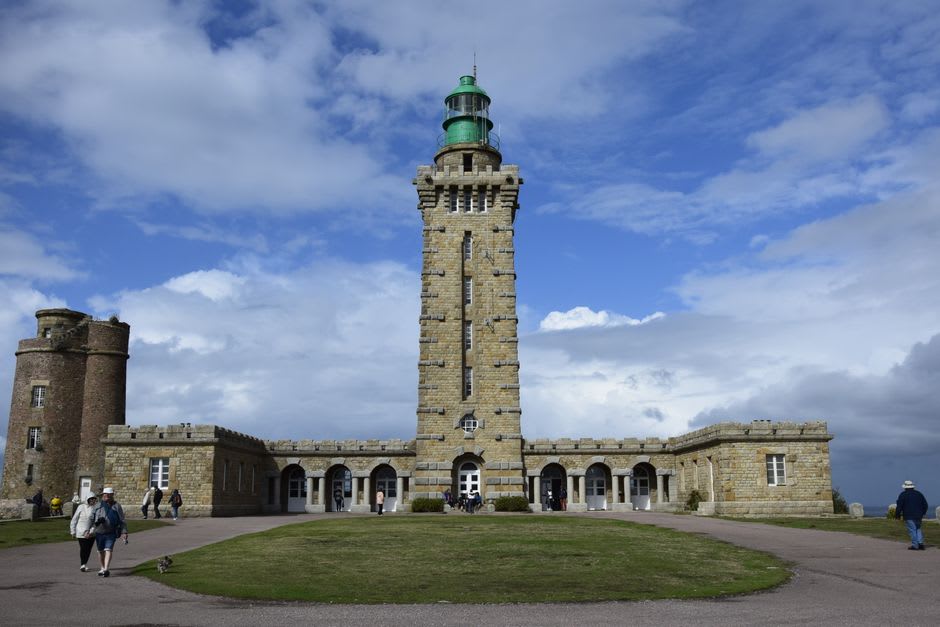
The real reason to base yourself here, though, is the Baie de Saint-Brieuc itself, one of the largest bays in Brittany and one where the tide performs its most theatrical disappearing act. At low tide the water retreats so far that the bay becomes an enormous flat of sand and mudflat stretching toward the horizon, dotted with the black-headed gulls and oystercatchers that make this a serious birdwatching stop, and at high tide it fills back in as if none of that had happened. We drove out along the bay’s edge toward Cap d’Erquy, where pink sandstone cliffs and heather give way to pine-backed coves, and continued on to Cap Fréhel, whose sheer pink granite cliffs drop over seventy meters into the sea and where a lighthouse has warned ships off the rocks since the 17th century. Both capes are officially separate stops on any map, but from Saint-Brieuc they’re close enough to fold into a single long day, cathedral in the morning, cliffs by late afternoon, and a plate of coquilles Saint-Jacques back in town for dinner, since the bay is one of France’s biggest scallop grounds.
When to go: Aim for a falling tide if you want to see the bay at its most dramatic — check the tide tables before you go, since the difference between high and low water here is one of the largest in France. Scallop season runs October through April, so a shoulder-season trip pairs cool clear days at the capes with the best seafood on the menu; summer brings warmer weather but noticeably more traffic on the coast road out to Cap Fréhel.
Keep exploring
More of Brittany