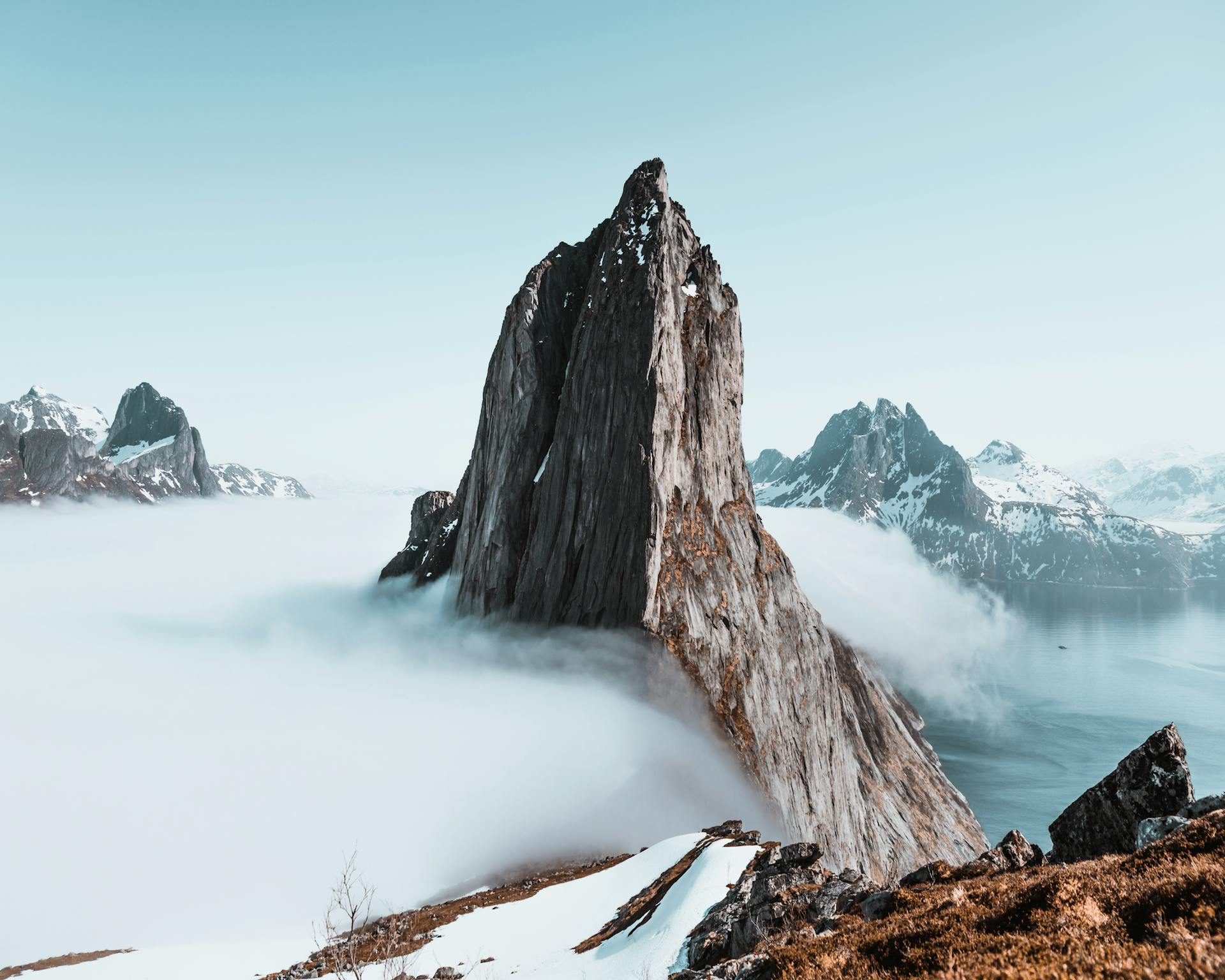
Americas
Colombia
"Colombia does not ask you to forget its past. It asks you to see what came next."
Colombia is the country that changed the most between when I first heard about it and when I finally arrived. The gap between reputation and reality is wider here than almost anywhere I have traveled. What you find is a place of extraordinary physical beauty — three Andean cordilleras, two coastlines, Amazon jungle, coffee highlands — populated by people whose warmth and pride in their country borders on evangelical. They want you to love it. You will.
Cartagena is the postcard, and it earns that status honestly. The walled old city is one of the most beautiful urban environments in the Americas — a fever dream of bougainvillea, colonial balconies, and Caribbean light that turns the stone walls amber at dusk. But Cartagena is also a lesson in looking past the obvious. The real city lives in Getsemaní, in the street food stalls of Bazurto market, in the Rosario Islands where the tourist infrastructure thins and the water turns impossible shades of blue.
Medellín is the story everyone wants to tell, and for good reason. A city that was once the most dangerous on earth has become one of the most innovative, with a public transit system that doubled as social policy, neighbourhoods reborn through architecture and investment, and a creative scene — music, food, design — that hums with the energy of a place that knows exactly how far it has come. The coffee region south of Medellín is gentle and green, the farms terraced into mountainsides where hummingbirds outnumber people.
When to go: December through March is dry season in the Andes and Caribbean coast. June through August offers a second dry window. Cartagena is hot year-round — magnificently, unapologetically hot. The coffee region is pleasant at any time, its altitude tempering the equatorial sun.
What most guides get wrong: They skip the Caribbean coast beyond Cartagena. Santa Marta is the gateway to Tayrona National Park and the Lost City trek, one of the great multi-day hikes in South America. Palomino is a beach town that still feels like a secret. The coast between Cartagena and the Venezuelan border is an entire trip in itself.
Explore
Places in Colombia
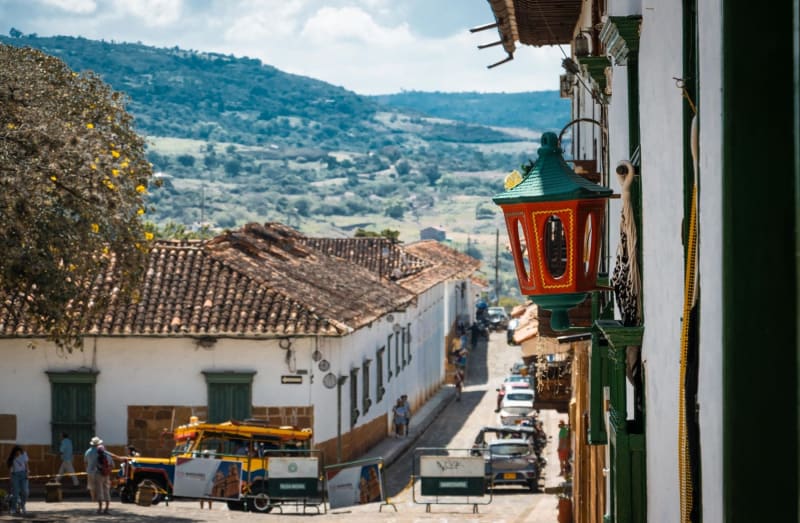
Barichara
Colombia's most beautiful village of stone streets and whitewashed colonial homes above a canyon in Santander.
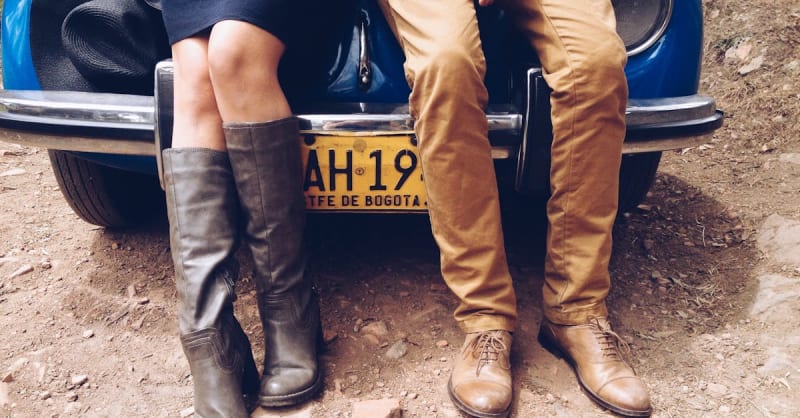
Bogota
Colombia's high-altitude capital — a sprawling city of museums, street art, and Andean energy.
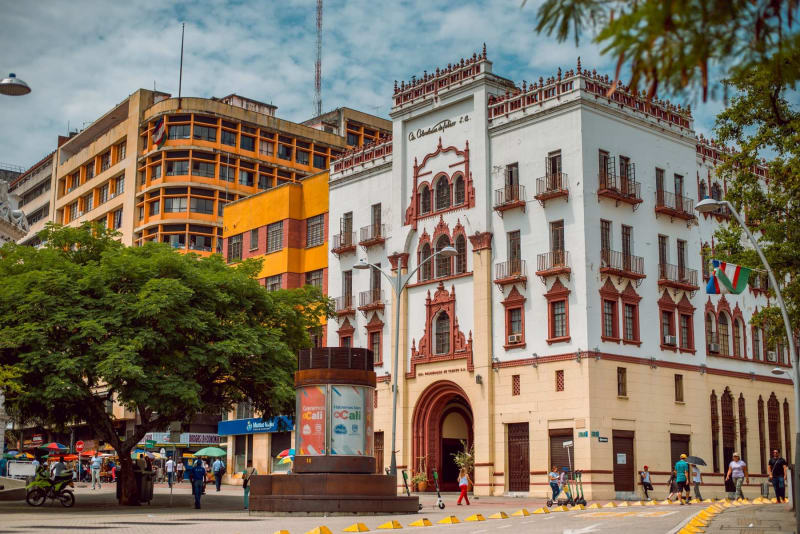
Cali
The world capital of salsa, where the dancing never stops and the Valle del Cauca sun beats warm all year.
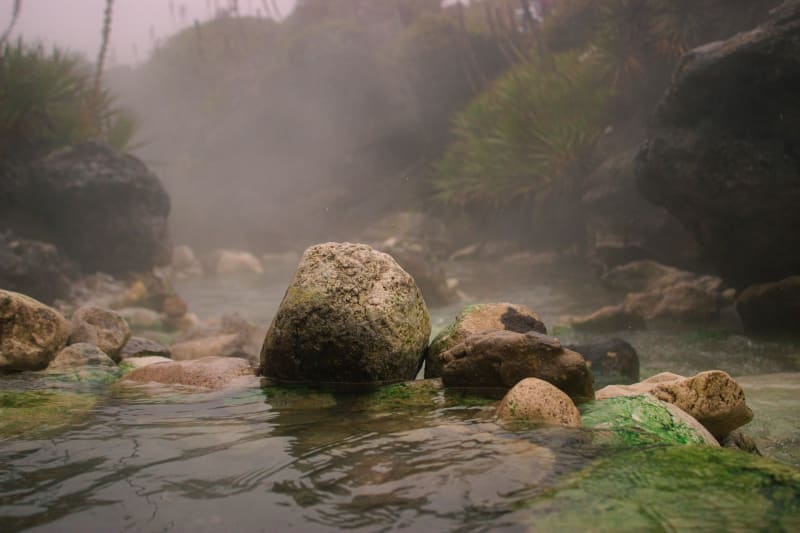
Caño Cristales
A river in the remote Serranía de la Macarena that turns vivid red, yellow, and green for a few months a year thanks to a plant that grows nowhere else.

Cartagena
A Caribbean jewel of colonial walls, bougainvillea-draped balconies, and Afro-Colombian soul.
Cartagena de Indias
A walled Caribbean city of bougainvillea-draped balconies, candlelit plazas, and centuries of swaggering history.
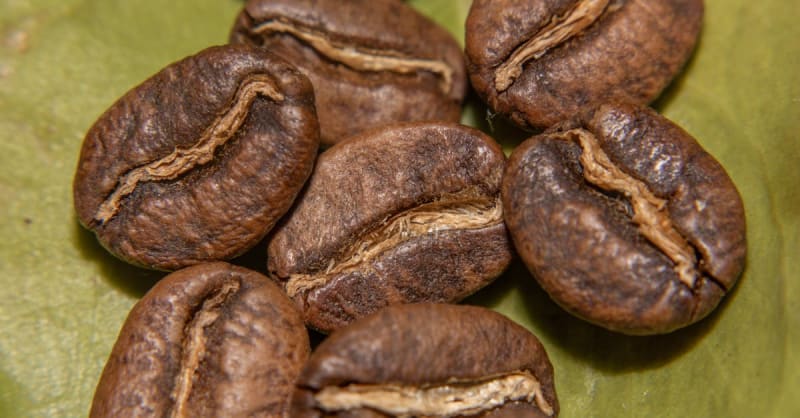
Coffee Region
The green heart of Colombian coffee country — misty mountains, colorful pueblos, and the world's finest beans.

Guatape
A kaleidoscope village beside a vast reservoir, crowned by the iconic Piedra del Penol.
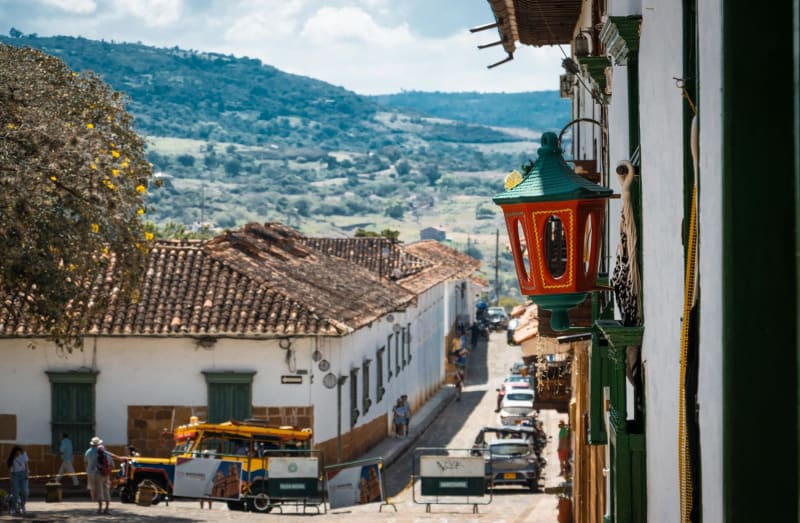
Jardín
A coffee-region pueblo of candy-colored balconies in Antioquia, surrounded by waterfalls and untouched cloud forest.
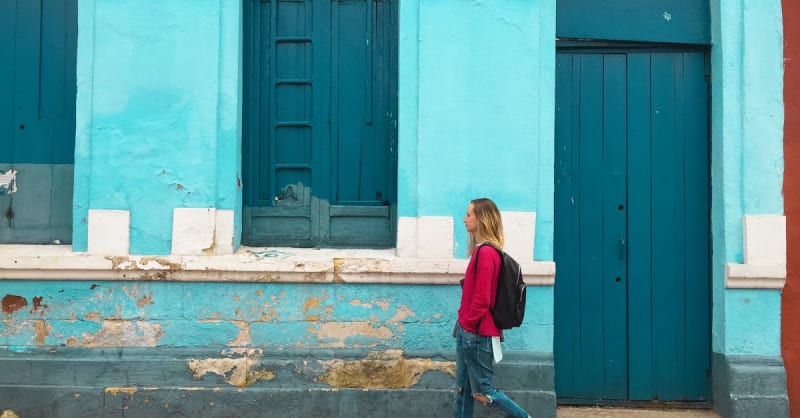
Leticia
Colombia's Amazon gateway — a tri-border town where the jungle begins at the city limits.
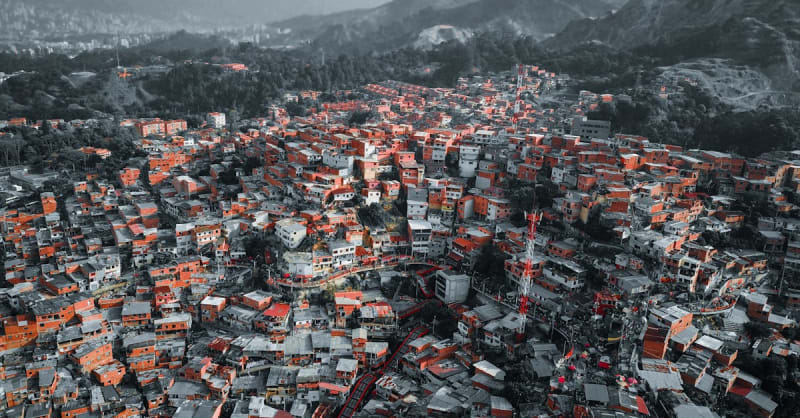
Medellin
The City of Eternal Spring — once notorious, now a model of reinvention nestled in an Andean valley.
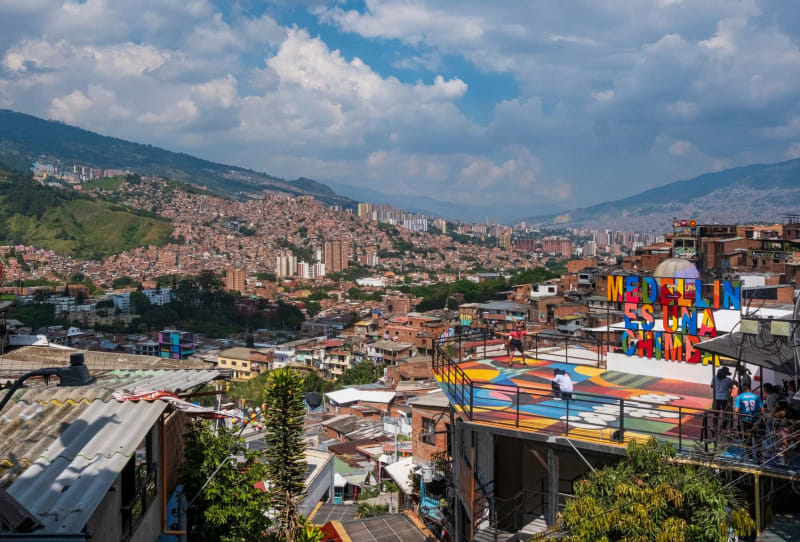
Medellín Innovation
The city that reinvented itself through cable cars, libraries in hillside comunas, and sheer collective will.
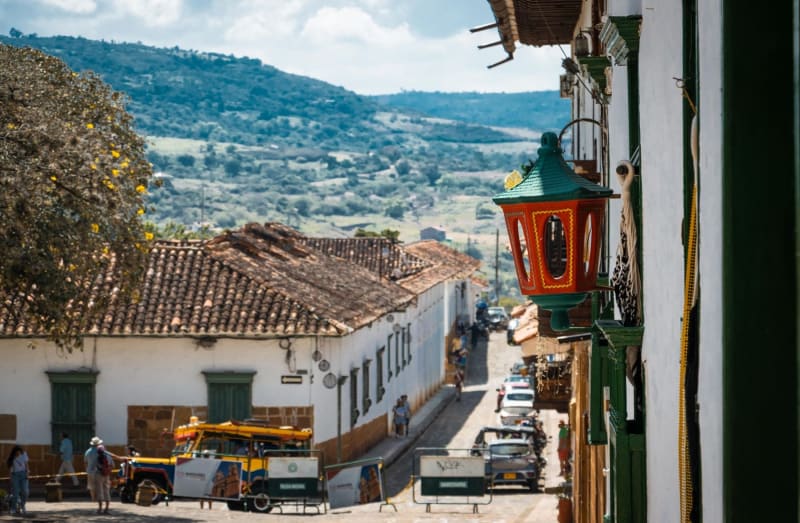
Mompox
A UNESCO colonial town on a river island in the Magdalena where García Márquez set scenes and egrets perch on balconies.
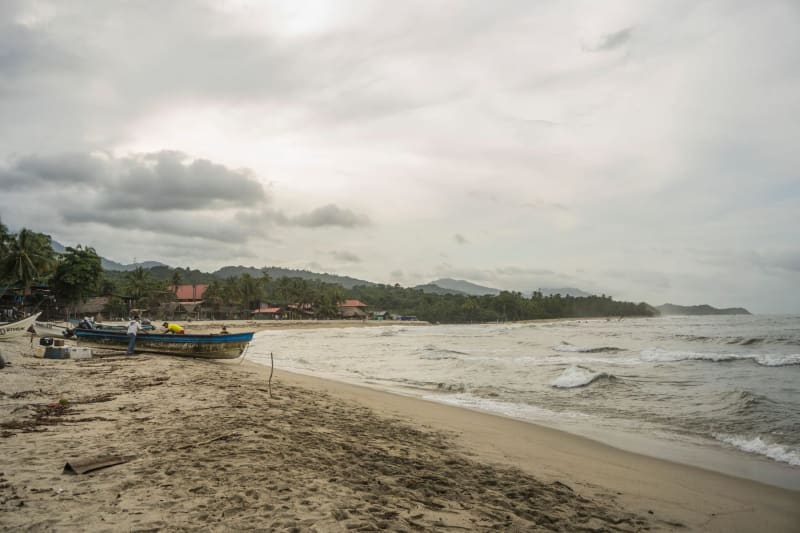
Palomino
Where a jungle river meets the Caribbean at the foot of the Sierra Nevada, Palomino is Colombia's laid-back secret.
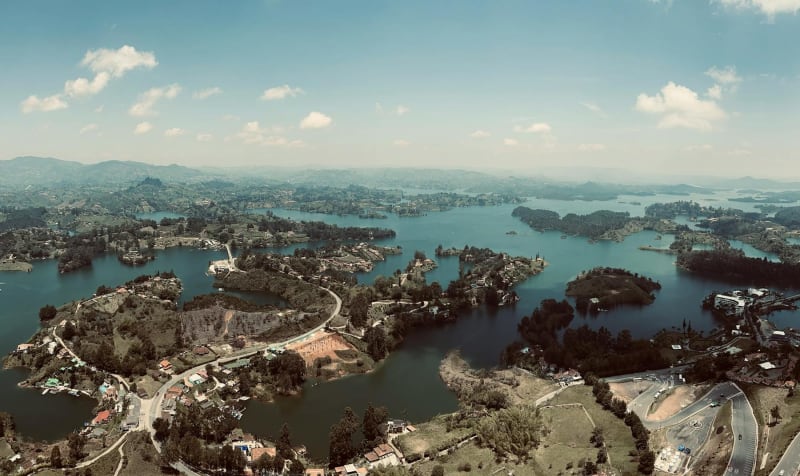
Guatapé Piedra del Peñol
A colossal granite monolith rising 200 metres from a reservoir, with 740 steps cut directly into the rock's face.
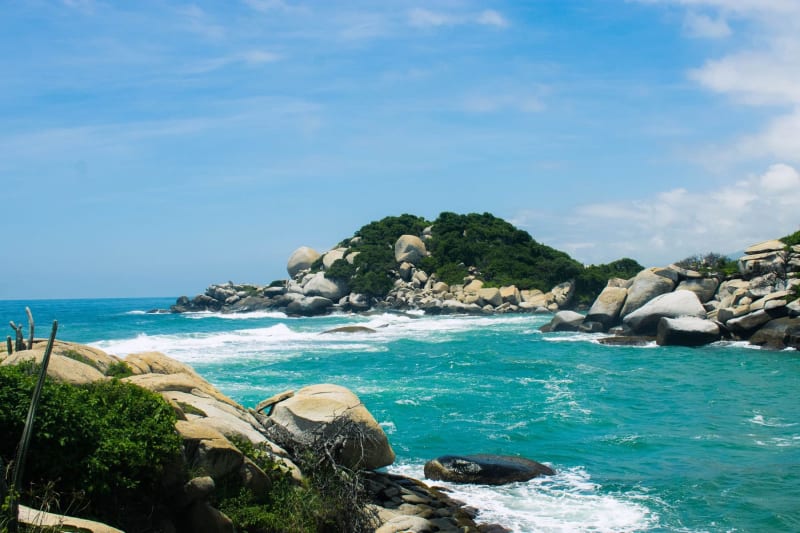
Providencia Island
A tiny Raizal island with the Caribbean's third-largest coral reef and a Creole culture entirely its own.
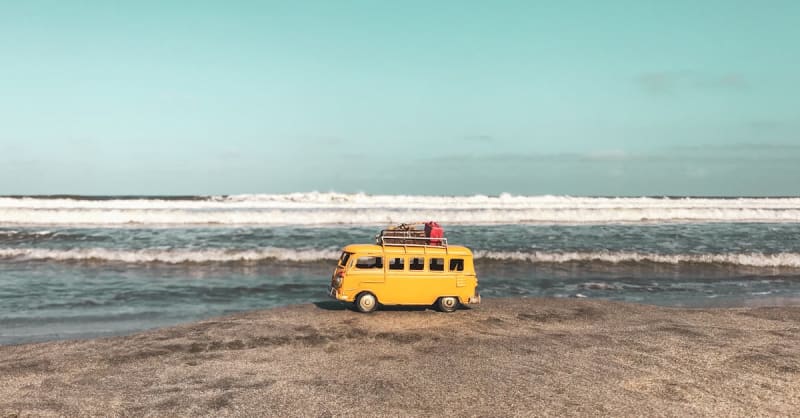
Salento
A colorful mountain pueblo and gateway to the towering wax palms of the Valle de Cocora.
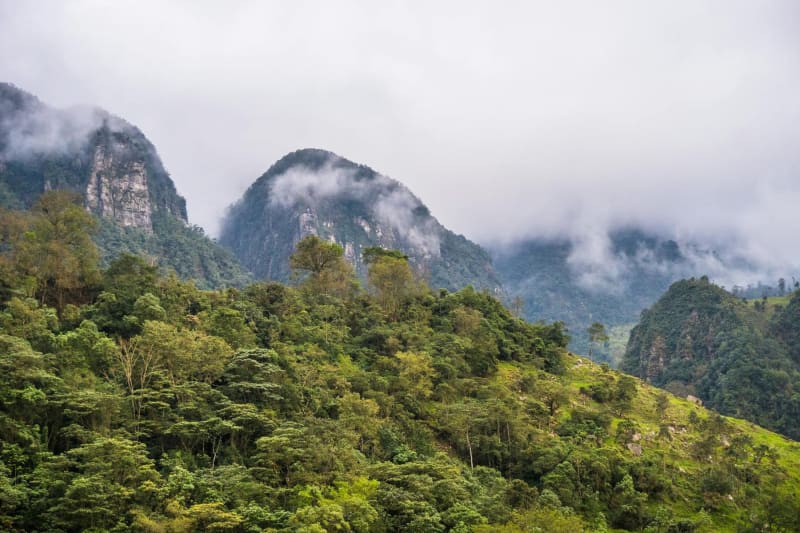
San Agustín
Mysterious pre-Columbian stone statues scattered across green highlands in Huila, carved by a civilization no one fully understands.

San Andres
A Caribbean island of seven-colored seas, Raizal culture, and coral reefs closer to Nicaragua than Colombia.
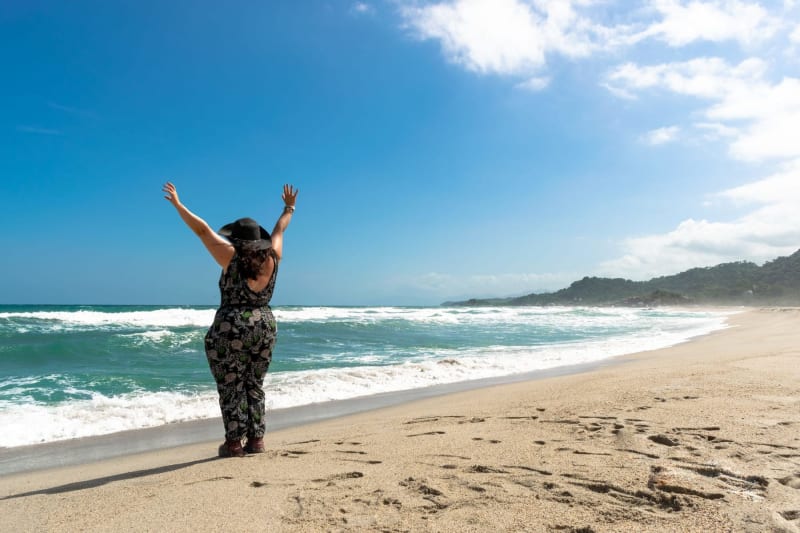
Santa Marta
South America's oldest colonial city sits between the Caribbean and the Sierra Nevada, gateway to Ciudad Perdida.
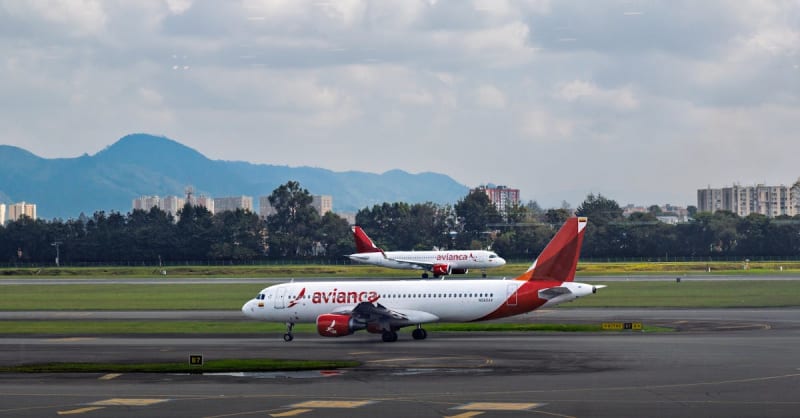
Tayrona
A national park where jungle-fringed beaches meet the Caribbean beneath the Sierra Nevada's gaze.
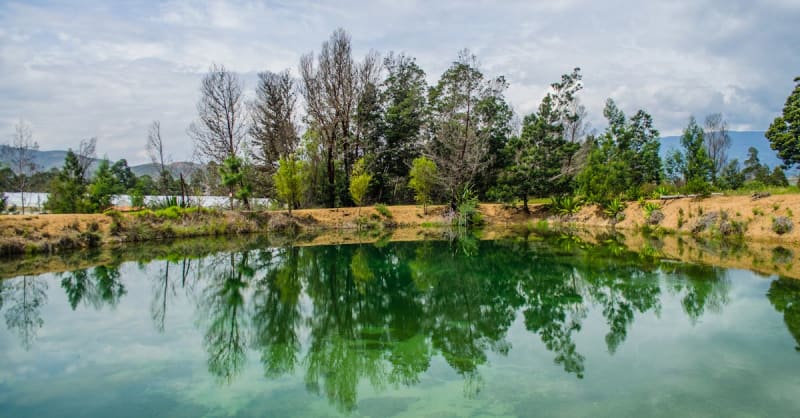
Villa de Leyva
A perfectly preserved colonial town with South America's largest plaza and a fossil-strewn desert nearby.
From the journal
Articles about Colombia
Free download
Get the Colombia Guide
A curated PDF itinerary with honest picks, real restaurants, and the details that matter — the kind you'd actually print and bring.
Download the guide