Cartagena
"Cartagena is the kind of city that Garcia Marquez did not need to invent — it was already magical."
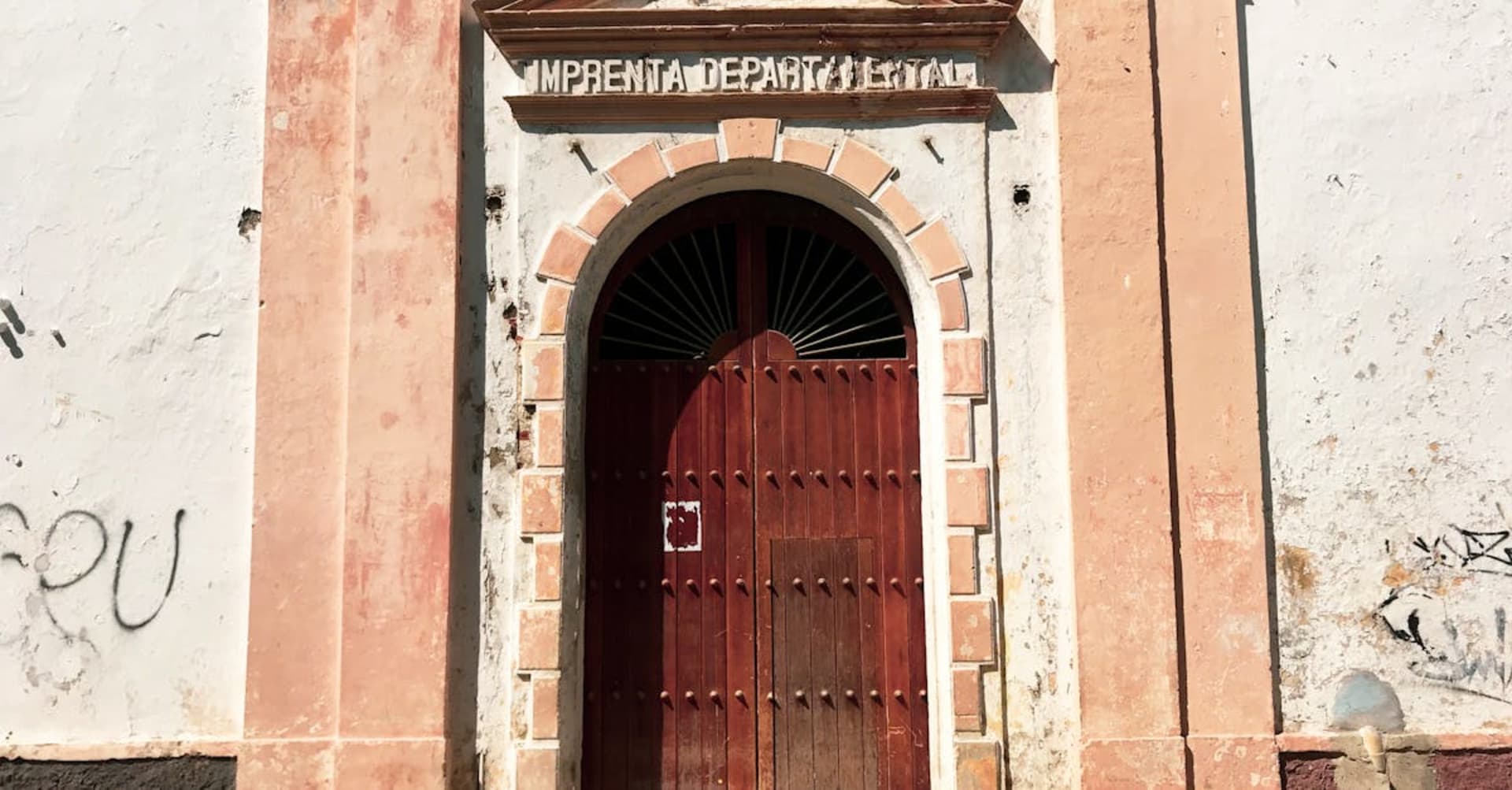
Cartagena’s walled Old Town is a fever dream of color that hit me like a physical thing the first time I walked through the Torre del Reloj. Cobblestone streets wind between colonial buildings painted in every shade of yellow, blue, and terracotta, with bougainvillea cascading from wooden balconies overhead in purple and magenta. The heat is immediate and total — this is the Caribbean with no apology, the kind of heat that slows your walk and sharpens your senses and makes you understand why the city operates on a different clock. The city was once Spain’s gateway to South American gold, the port from which galleons departed loaded with the wealth of a continent, and the massive stone fortifications — including the Castillo de San Felipe de Barajas, an engineering marvel of tunnels and battlements — still stand as monuments to that turbulent, bloody, magnificent history.

At night, the plazas fill with music and the warm Caribbean breeze carries the smell of fried fish from the street vendors outside the walls. Plaza de Santo Domingo is where everyone ends up eventually, drinking rum and watching the parade of vendors, musicians, and couples dancing casually to whatever song is playing from the nearest bar. I sat there for three hours one evening with nothing but a bottle of Club Colombia and a plate of patacones, watching the colonial walls turn from gold to amber to shadow, and I thought: Garcia Marquez grew up two hours from here, and suddenly every sentence he ever wrote made more sense.
Beyond the walls, Getsemani pulses with a rawer energy — street art on every surface, hostels and cocktail bars and the kind of neighborhood pride that comes from a place that was overlooked for decades and has now become the beating heart of Cartagena’s creative scene. The Bazurto market, where locals actually shop, is a chaotic symphony of fresh fish, tropical fruit, and shouted negotiations that makes the sanitized Old Town feel like a museum by comparison. The Rosario Islands, an hour by boat, offer white-sand beaches where the tourist infrastructure thins and the water turns impossible shades of blue — the kind of blue that makes you distrust your own eyes.

The food blends Caribbean, African, and Spanish influences in ways that feel entirely natural. Ceviche from a beach vendor — lime, coconut, and whatever was caught that morning. Arroz con coco, the sweet coconut rice served with fried fish. A multi-course meal in a converted colonial mansion where the chef trained in Barcelona but cooks with ingredients her grandmother would recognize. Cartagena is sensory overload in the most beautiful way, and after a week I understood why Colombians talk about it the way the French talk about the Côte d’Azur — with possessive love and the certainty that you have never seen anything quite like it.

When to go: December through March for dry weather. June through July offers a brief dry spell. Avoid October and November, the wettest months.