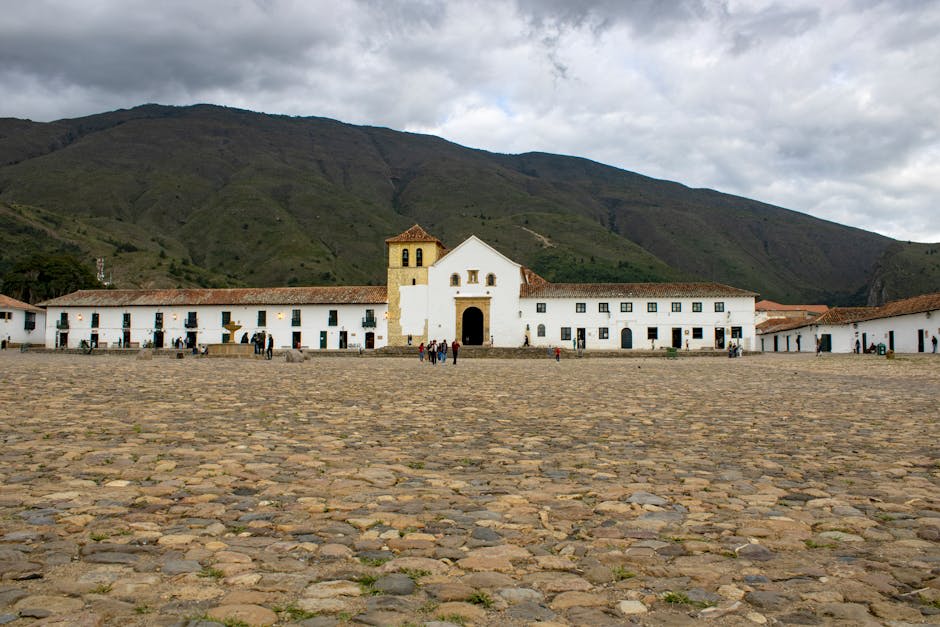
Villa de Leyva is a whitewashed colonial gem frozen in time, and walking into its central plaza for the first time produced a physical reaction — a widening of the eyes, a slowing of the step, a sense that the space itself was demanding something from me. The plaza is one of the largest in South America, paved entirely in cobblestones and surrounded by balconied buildings that have barely changed since the 17th century. No cars, no modern signage, no visual intrusion to break the spell. At its center, a single Mudejar fountain. Around its edges, cafés and restaurants and small hotels that occupy colonial houses with thick walls and courtyard gardens. The town sits at 7,000 feet in the Boyaca highlands, and the air is cool and dry and clean in a way that makes Bogota, three hours south, feel like another country.
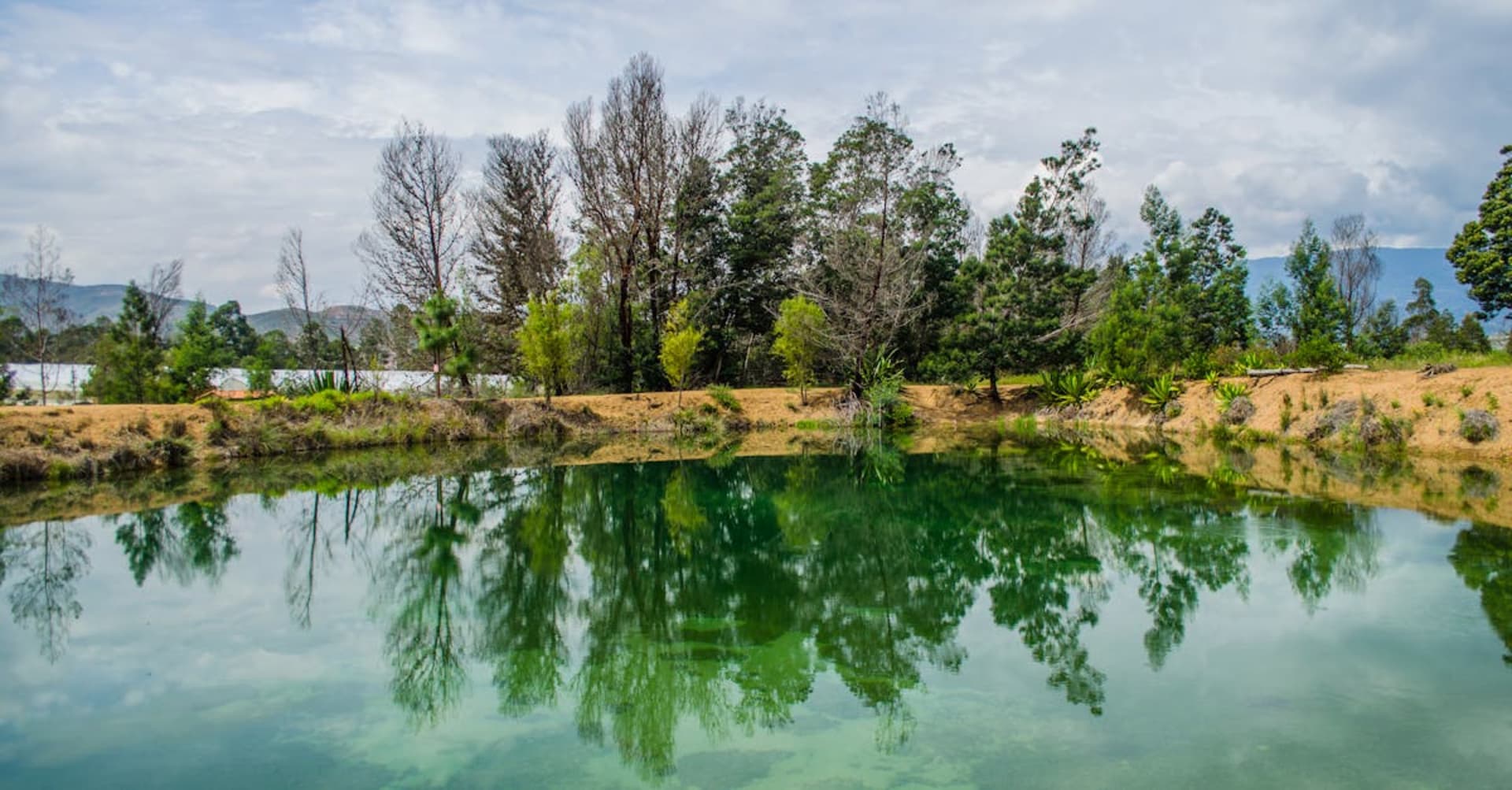
The surrounding landscape is the surprise. Villa de Leyva sits in a semi-arid valley that once lay beneath an ancient sea, and the evidence is everywhere — fossils embedded in rock formations, a complete kronosaurus skeleton housed in the El Fossil museum, ammonites scattered across the desert floor like discarded coins from a geological treasury. The Pozos Azules are startlingly blue desert pools — mineral-rich water collecting in depressions amid scrubby vegetation, their color so vivid it looks photoshopped. The contrast between the bone-dry terrain and the green mountains surrounding it creates a landscape that feels borrowed from another continent, maybe southern Spain, maybe the American Southwest, except that the colonial churches and the campesinos on horseback remind you exactly where you are.
Day trips reveal a region full of surprises that most visitors miss. The olive groves and vineyards surrounding the town produce some of Colombia’s only wines — modest wines, wines that would not win competitions, but wines that exist at all in an equatorial country and that are served with pride at the local bodegas. The Convento del Santo Ecce Homo, a Dominican monastery from 1620 built with fossil-embedded stone, sits on a hill overlooking the valley with the composed serenity of a place that has been praying for four hundred years and sees no reason to stop. The Iguaque Fauna and Flora Sanctuary offers a challenging hike to a sacred lake — the Muisca people believed their creation goddess emerged from its waters — at 12,500 feet, where the páramo vegetation grows stunted and otherworldly and the cold makes you grateful for every layer you packed.
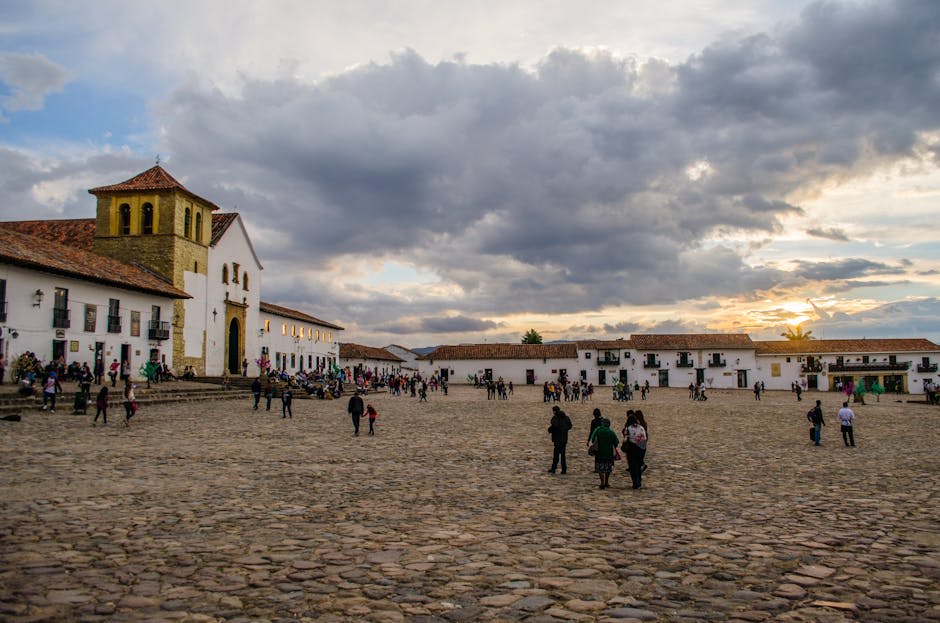
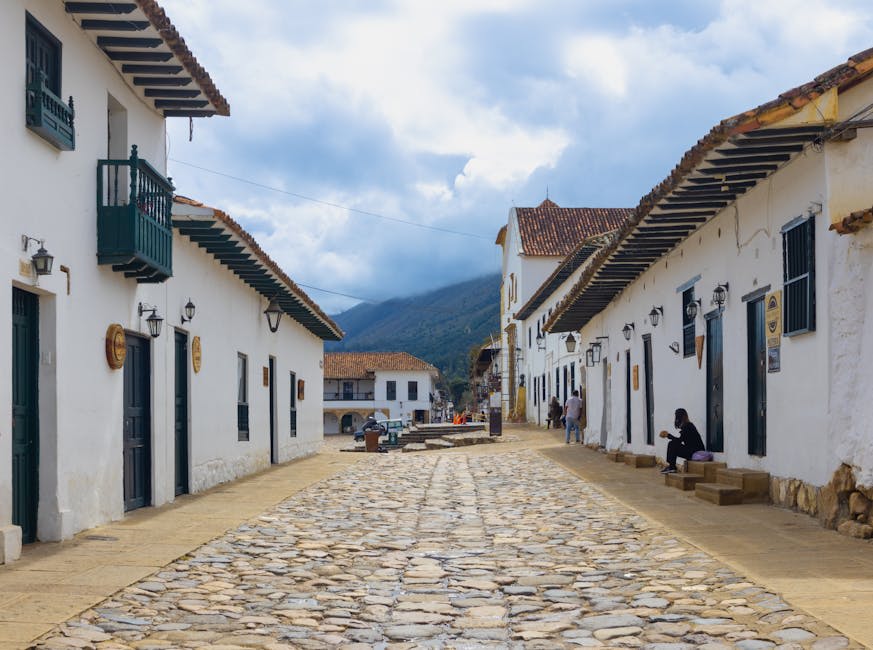
Weekends bring Bogotanos escaping the capital, filling the plaza’s cafés and restaurants with a lively but unhurried energy. The market on Saturdays draws campesinos from the surrounding villages selling potatoes, cheeses, handmade ruanas, and hot chocolate served with almojábanas — cheese bread that tastes like a warm hug from someone’s grandmother. Midweek, the town empties to a gentle hush, and you can walk the cobblestone streets alone at dusk, the whitewashed walls turning gold in the fading light, the only sounds the click of your shoes and the bells from the church on the plaza. Villa de Leyva is not the kind of place that tries to impress you. It simply exists, as it has for centuries, and trusts that the beauty is self-evident.
When to go: December through March for the driest weather. Weekends are busy with visitors from Bogota — visit midweek for tranquility.