Salento
"Salento is small enough to walk in ten minutes and interesting enough to stay a week."
Salento is the kind of town that makes you rethink your itinerary. I came for two nights and stayed four, and I know people who came for four and are still there months later, teaching English or working at a hostel or simply existing in the gentle rhythm this place imposes on anyone willing to accept it. Brightly painted balconies line the Calle Real — turquoise, sunflower yellow, coral pink — and the main strip leads to a mirador with views across the Quindio valley that are so perfectly composed they look like someone arranged the landscape for a postcard. The pace of life matches the slow drip of a perfectly brewed tinto, poured from a thermos by a woman on the corner who charges a thousand pesos and has been there every morning for twenty years.
Trout farms and coffee fincas dot the surrounding hills, and the local specialty — trucha, rainbow trout served grilled, fried, in garlic butter, in coconut sauce, basically every possible way — is as reliable as it is delicious. A restaurant called Brunch de Salento serves it with patacones and hogao, and I ate there three times without regret. The coffee is exceptional, obviously — you are in the heart of the Eje Cafetero, and even the most casual café serves a cup that would cost twelve dollars in Brooklyn. Here it costs three thousand pesos and comes with a view of the mountains.
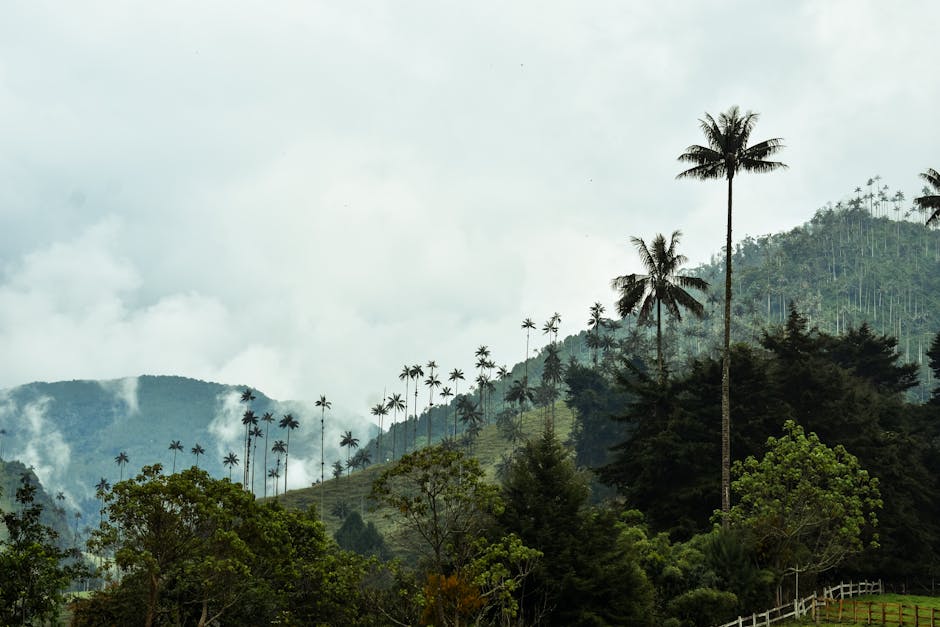
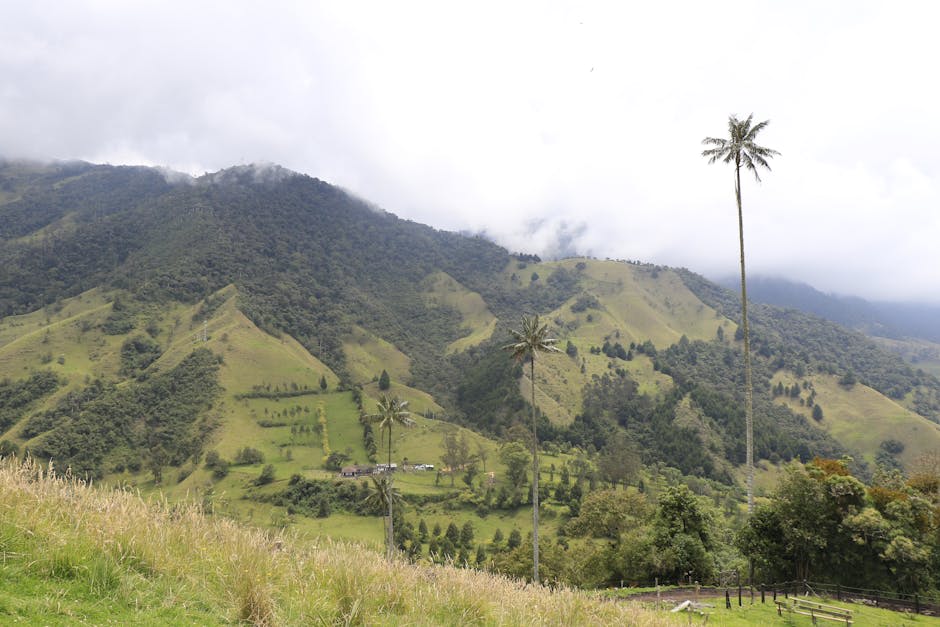
The Valle de Cocora is Salento’s crown jewel, and hiking it is a non-negotiable. The loop trail takes you through farmland, across streams on improvised bridges, and into cloud forest thick with bromeliads, orchids, and hummingbirds — I counted seven species in a single hour, their iridescent bodies darting through the mist like hallucinations. Then the valley opens, and there they are: the wax palms, Colombia’s national tree, growing up to 200 feet tall, their slender trunks rising from the emerald-green pastures like nature’s cathedral columns. The scale is difficult to process. They are the tallest palms on Earth, and standing beneath them in the morning mist, the silence broken only by birdsong and the occasional distant cow, I felt something close to reverence.
Back in town, evenings are for tejo — the traditional Colombian game where you throw metal discs at small packets of gunpowder, which explode on contact. It is played with beer, it is played loudly, and it is played by everyone from teenagers to grandfathers with throwing arms that betray decades of practice. The tejo bar on the edge of town charges almost nothing, the beer is cold, the explosions punctuate every conversation, and by the end of the night you will have been adopted by a group of locals who insist you come back tomorrow. Early nights come easily here. The mountain air, the altitude, the satisfying fatigue of a day spent walking — Salento is a place that teaches you to sleep well.
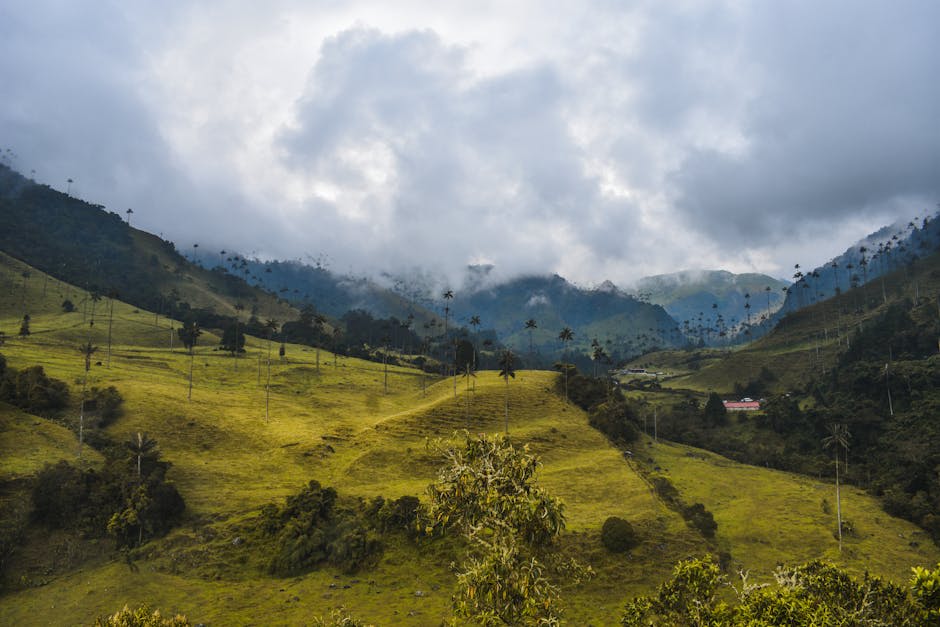
When to go: December through February and June through August for drier days. The valley is often misty — early morning hikes offer the best visibility.