
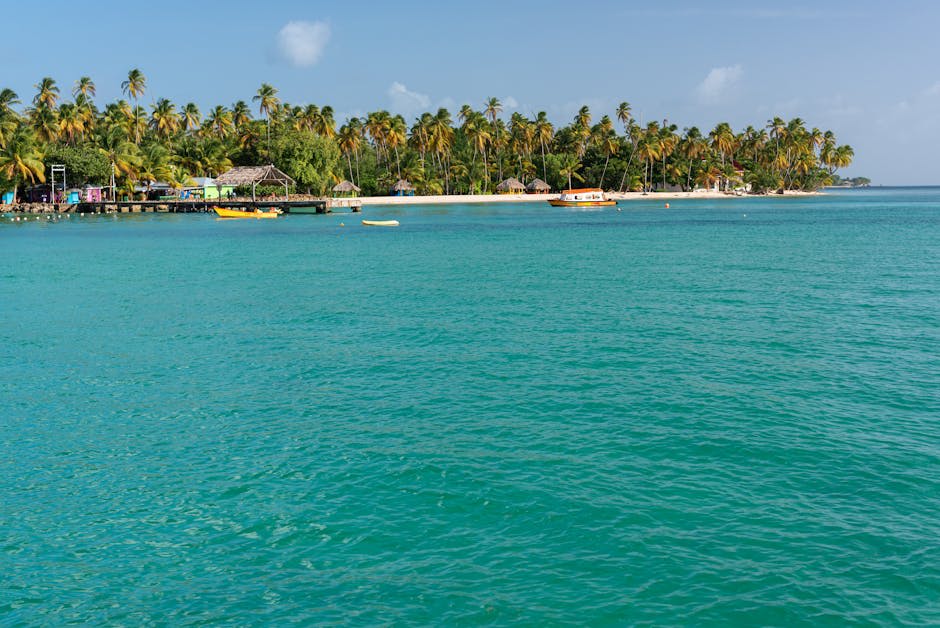
San Andres floats in the Caribbean 480 miles from the Colombian mainland, geographically closer to Nicaragua than to Cartagena, and its waters are famous for a reason that no photograph adequately captures. The Sea of Seven Colors shifts through every shade of blue and green imaginable — aquamarine, turquoise, cobalt, teal, emerald, sapphire, and something in between that has no name — thanks to the varying depths, the white sand bottom, and the surrounding coral reef that creates a natural palette no artist could replicate. I rented a golf cart — the preferred mode of transport on the island — and drove the coastal road in an hour, stopping every few minutes because the water had changed color again and I needed to confirm I was not imagining things.
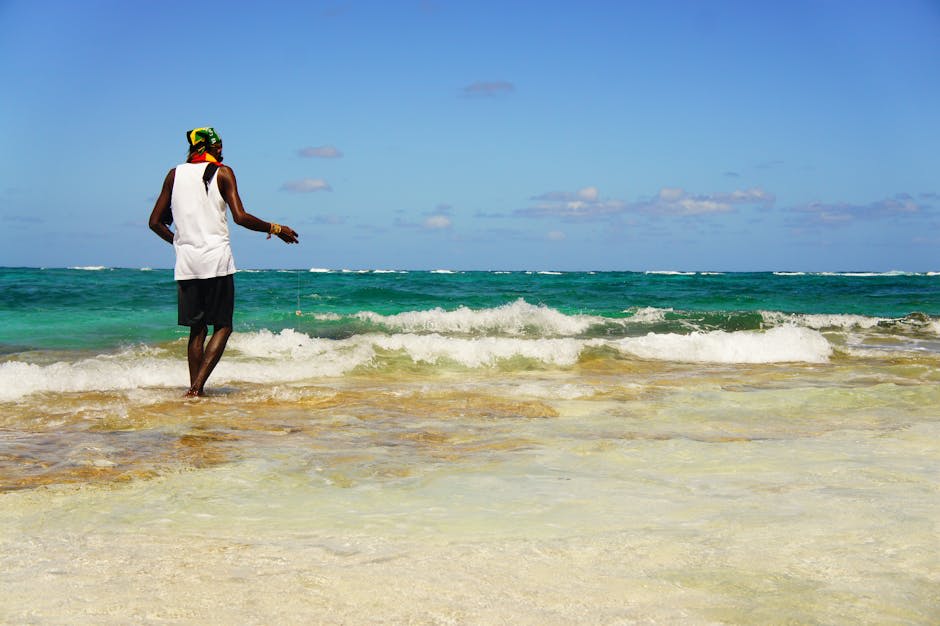
Johnny Cay, a tiny islet offshore reached by a ten-minute boat ride, offers postcard-perfect beaches fringed with coconut palms and reggae playing from speakers mounted in the trees. The Hoyo Soplador — a natural blowhole in the coral rock at the island’s southern tip — shoots water skyward when the conditions are right, sending a geyser of seawater fifteen feet into the air while tourists shriek and take videos. It is spectacle, pure and simple, and the island embraces spectacle without pretension. La Piscinita, a natural rock pool on the west side, is where you snorkel with schools of tropical fish so dense and so close you could touch them — though you should not. The coral gardens are healthy and abundant, and the diving here — particularly at the Wall, a vertical reef drop-off — reveals a Caribbean underwater world in remarkable condition.
The island’s Raizal culture is what sets San Andres apart from every other Caribbean beach destination. The Raizal people — descendants of enslaved Africans, British colonists, and Caribbean migrants — have their own Creole language, their own Protestant churches in a Catholic country, their own music that blends calypso, reggae, and soca, and their own cuisine built on coconut in every form. Rondón, the signature dish, is a slow-cooked coconut milk stew with fish, yucca, plantain, breadfruit, and whatever the sea provided that day. I ate it at a small Raizal-run restaurant in the San Luis neighborhood — the less touristic, more authentic side of the island — and the woman who served it told me the recipe came from her great-grandmother, who came from Jamaica in the 1800s.
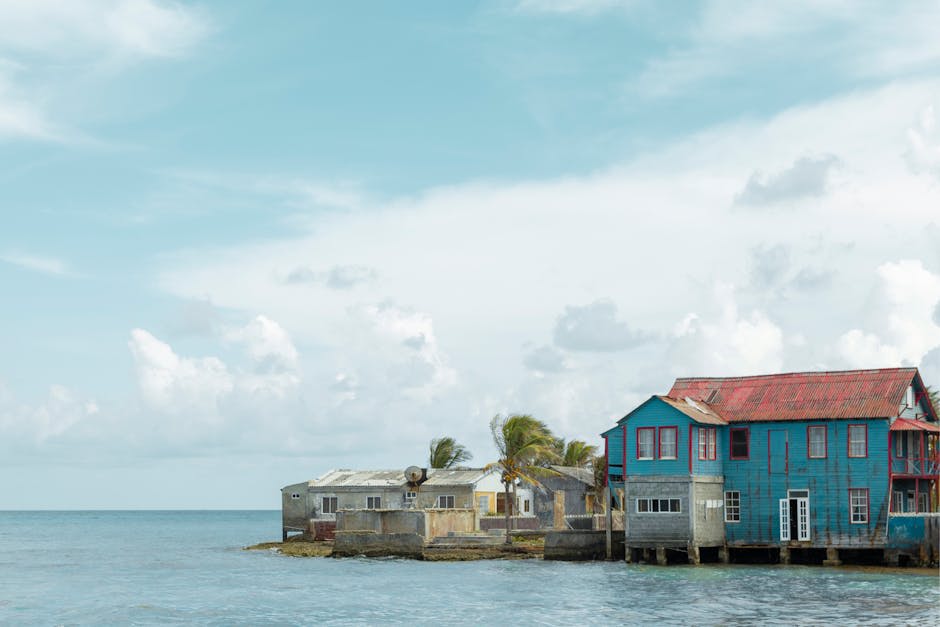
Snorkeling and diving reveal healthy coral gardens and tropical fish in remarkable abundance. The pace is slow, the rum is plentiful — coco loco, a cocktail served inside a whole coconut with rum, lime, and coconut cream, is the island’s unofficial drink — and the sunsets from the western shore are world-class, the sky turning from gold to tangerine to violet while the reggae plays and the warm breeze carries the smell of grilled fish from somewhere down the beach. San Andres is not sophisticated. It is not exclusive. It is a Caribbean island that has decided to be joyful, and the joy is infectious.
When to go: January through April for the driest, calmest seas. October through November is the rainiest. The island is warm and humid year-round.