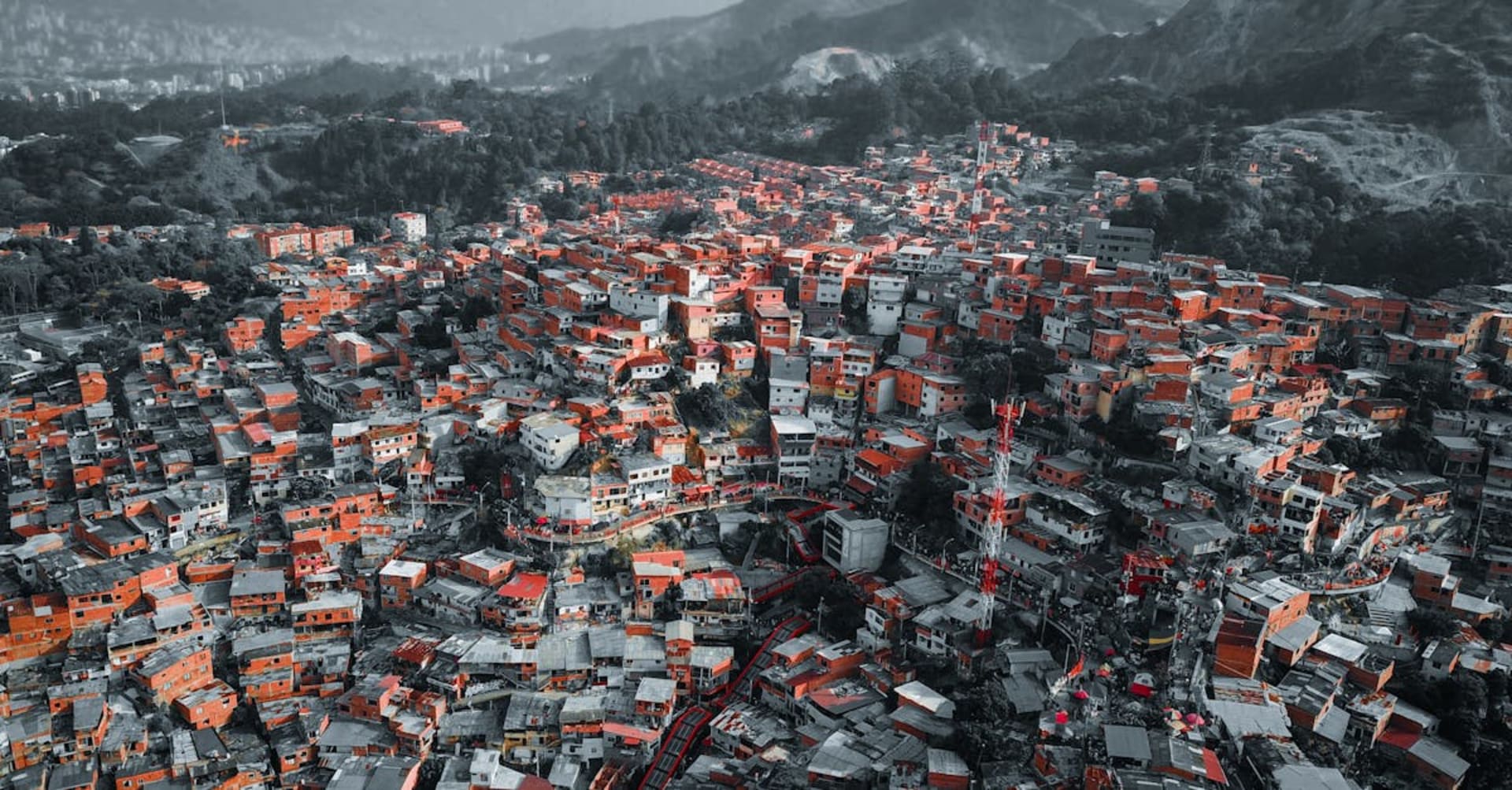
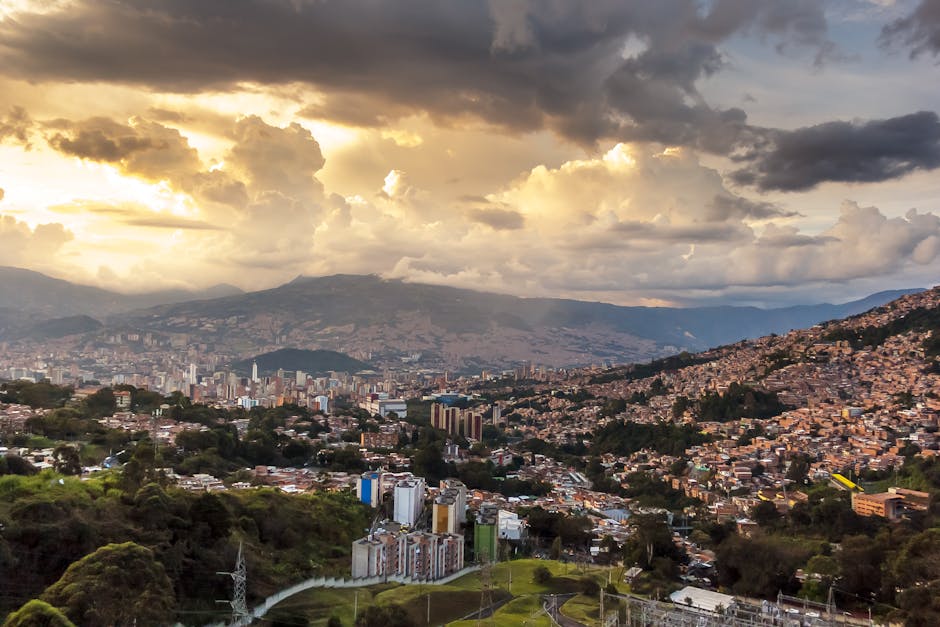
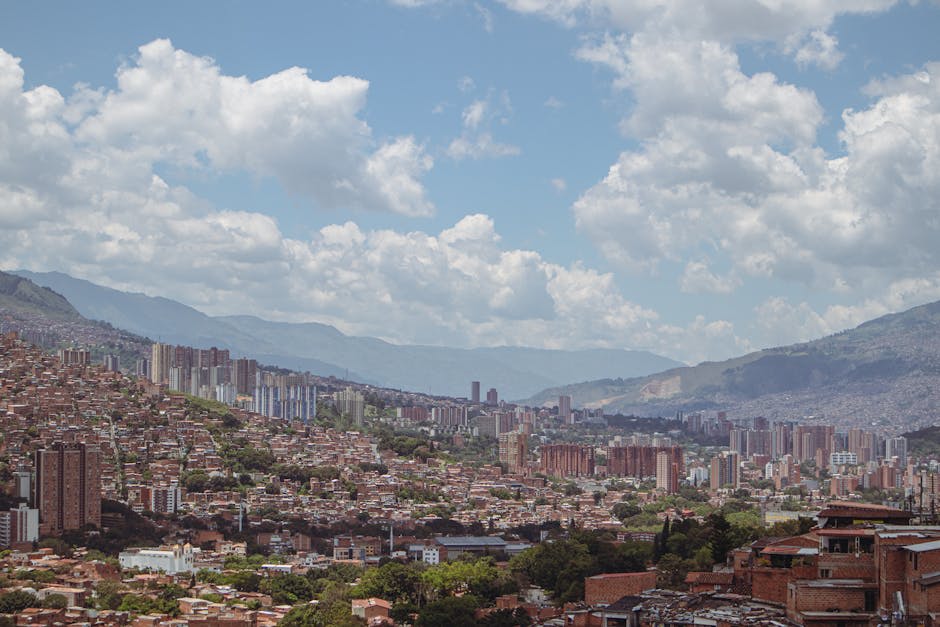
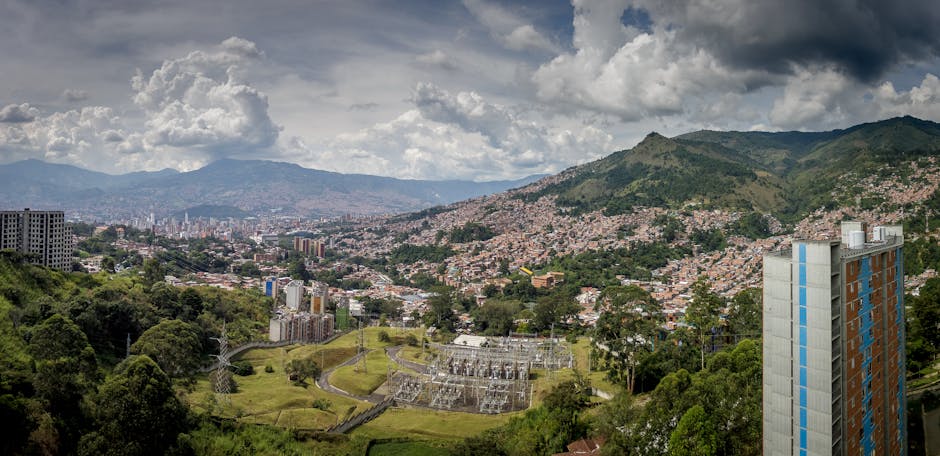
Medellin’s transformation is one of the great urban stories of the 21st century, and spending time here you feel it not as a slogan but as a texture — in the pride of the people, in the public spaces that hum with life, in the quiet insistence that this city earned its present tense. The place that was once synonymous with violence has reinvented itself through public architecture, innovative transit, and sheer civic will. The Metrocable gondolas — originally built to connect hillside comunas to the city center so that residents of the poorest neighborhoods could access jobs and education — are now also a way for visitors to see the city from above, the valley unfolding in every direction, red brick and green mountain and the sharp blue sky that Medellin’s altitude provides almost daily.
The Botanical Garden, free and open to all, represents a commitment to public space that puts most cities I have visited to shame. Families picnic beneath orchid displays, couples lie in the grass, children run through butterfly gardens, and the implicit message — this beauty belongs to everyone — is delivered without a trace of self-congratulation. The year-round spring climate, hovering around 75 degrees Fahrenheit regardless of the month, makes everything feel possible. Paisas, as the people of Antioquia call themselves, will tell you the weather is the reason for everything — the energy, the friendliness, the entrepreneurial spirit that has turned Medellin into Colombia’s innovation capital. I think they might be right.
El Poblado’s restaurants and nightlife draw most visitors — the area around Parque Lleras fills with cocktail bars and international restaurants that could exist in any gentrified neighborhood in the world. It is fine. It is not Medellin. The real city lives in neighborhoods like Laureles, where corner bakeries sell pandebono still warm from the oven, and Envigado, where local fondas serve bandeja paisa — the iconic platter of beans, rice, chicharrón, chorizo, arepa, fried egg, avocado, and plantain — the way it is meant to be eaten: enormous, unpretentious, and washed down with a cold Pilsen Poker.
The annual Feria de las Flores in August celebrates the region’s flower-growing heritage with parades of silletas — enormous flower arrangements carried on the backs of farmers through the streets — concerts, and a joy that feels genuinely earned. I met a silleta maker named Don Carlos in the village of Santa Elena above the city, who has been building his arrangement for the parade every year since he was sixteen. He works for weeks on a design that will be carried for hours and then dismantled. When I asked why, he looked at me like I had asked why he breathes. The creative scene extends beyond flowers — Medellin’s music, from reggaeton to experimental electronic, pulses from every car window and club doorway, and the design community has turned the city into a hub for architecture and fashion that rivals anything in Latin America.
When to go: Year-round thanks to the eternal spring climate. December through February and June through August are driest. Book ahead for the Feria de las Flores in August.