
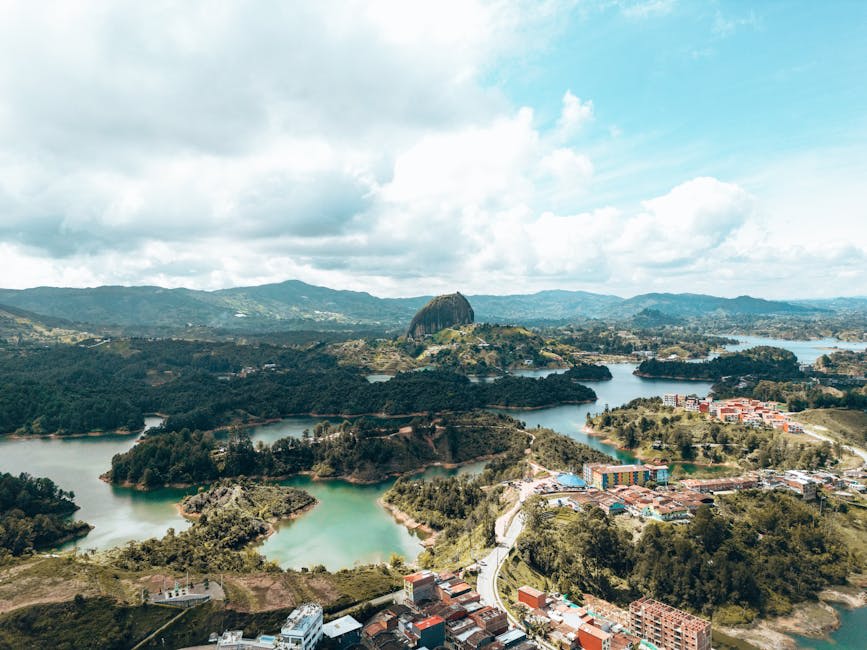
Guatape is Colombia’s most photogenic day trip, and I almost did not go because I assumed it would feel like a tourist trap. I was wrong. The Piedra del Penol — a 650-foot granite monolith — rises abruptly from the landscape like something a giant dropped and forgot about. Climbing its 740 zigzagging steps, built into a crack in the rock face, is a workout that rewards you with one of the most astonishing panoramic views I have encountered anywhere in South America. The reservoir stretches to the horizon, a maze of countless green islands and peninsulas and inlets carved into the Antioqueño countryside, the water so blue it looks artificial. I stood at the top catching my breath and understood immediately why every Colombian I had met told me not to skip this place.
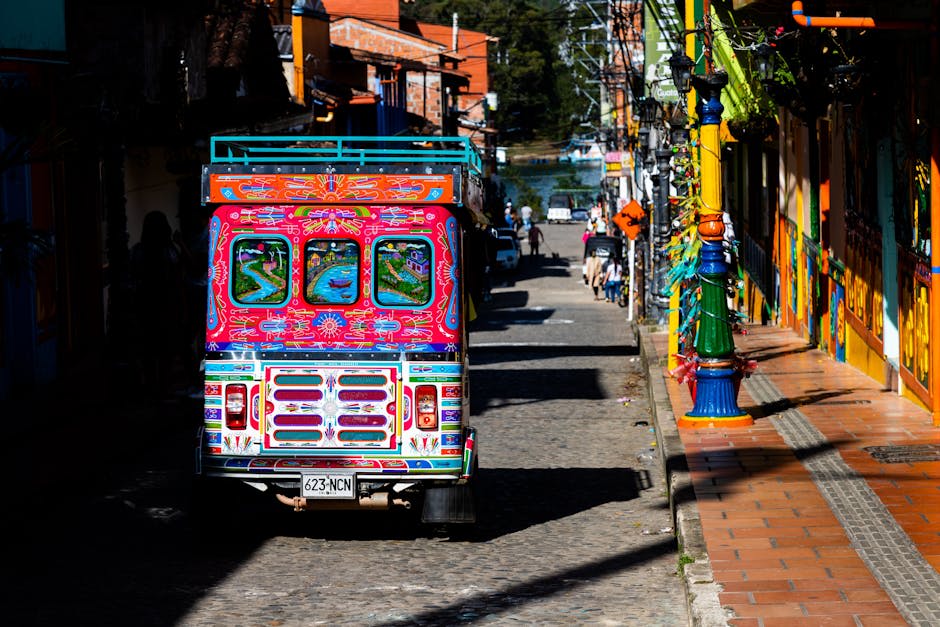
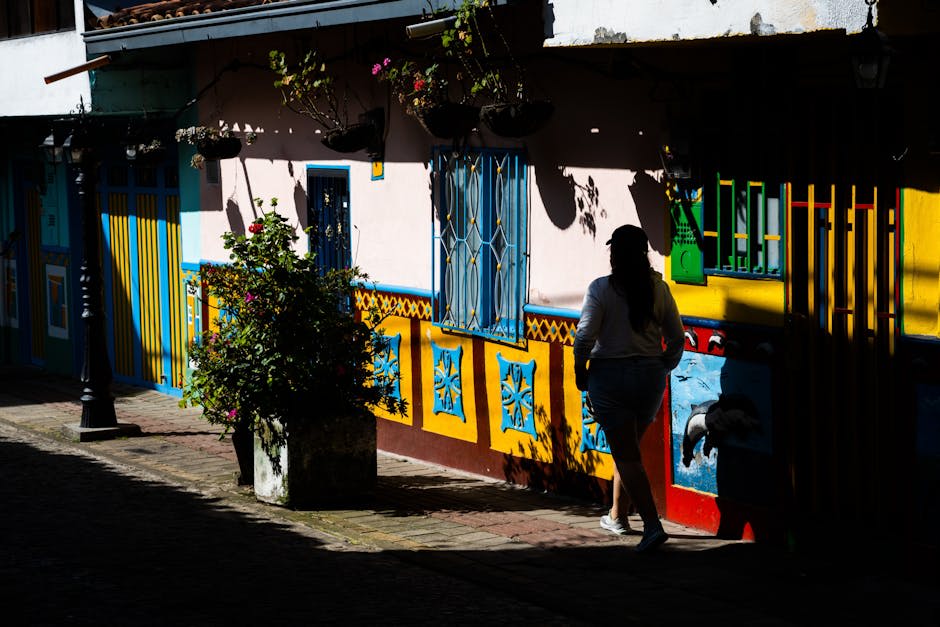
The town itself is a delight of pure color. Every building’s lower walls are decorated with bright zocalos — three-dimensional painted panels depicting local life, animals, religious scenes, and traditions. Walking the streets feels like moving through a folk art gallery without walls. Each block tells a different story: a fisherman hauling his catch, a dancer mid-step, a rooster in absurd detail. The tradition started decades ago as a way to distinguish one house from another, and it has evolved into an art form that gives Guatape an identity no other Colombian town can claim.
The waterfront malecon is lined with restaurants serving mojarra frita — whole fried tilapia, crispy and golden, served with rice and patacones — and the pace is gentle in a way that Medellin, two hours away, never quite manages. Boat tours weave through the reservoir’s islands, some with weekend houses belonging to wealthy paisas, others uninhabited and wild. The guides tell the story of the old Guatape, the original town now submerged beneath the reservoir when the dam was built in the 1970s. On clear days, they say, you can see the church steeple breaking the surface of the water. I did not see it, but I liked the idea of it — an entire town preserved in memory and waterline.
Come on a weekday if you can. Weekends bring the Medellin crowds — families and couples escaping the city — and the steps up El Penol become a queue. Midweek, you might have the summit nearly to yourself, and the silence at the top, broken only by the wind and the occasional hawk, makes the climb feel almost spiritual. The drive from Medellin winds through green mountains and small towns, and if you have rented a car, the stops along the way — roadside arepas, fruit stalls, the occasional viewpoint — are half the pleasure.
When to go: Year-round. Mornings typically offer the clearest skies for climbing El Penol. Come on weekdays to avoid the Medellin weekend crowds.