Tayrona
"The trail opens to a beach so perfect it feels like the jungle's best-kept secret."
Tayrona National Park is Colombia’s most beautiful collision of mountain and sea, and reaching its best beaches requires earning them on foot. The Sierra Nevada de Santa Marta — the world’s highest coastal mountain range, its snow-capped peaks rising to nearly 19,000 feet just thirty miles from the Caribbean — drops directly to beaches framed by giant boulders and thick jungle that crowds the sand like it is trying to reclaim it. I hiked in from the Calabazo entrance, two hours through humid forest with howler monkeys crashing through the canopy overhead, and when the trail finally opened to Cabo San Juan — the iconic beach with its clifftop hammock camp — the exhaustion and the sweat made the arrival feel earned in a way that a taxi drop-off never could.
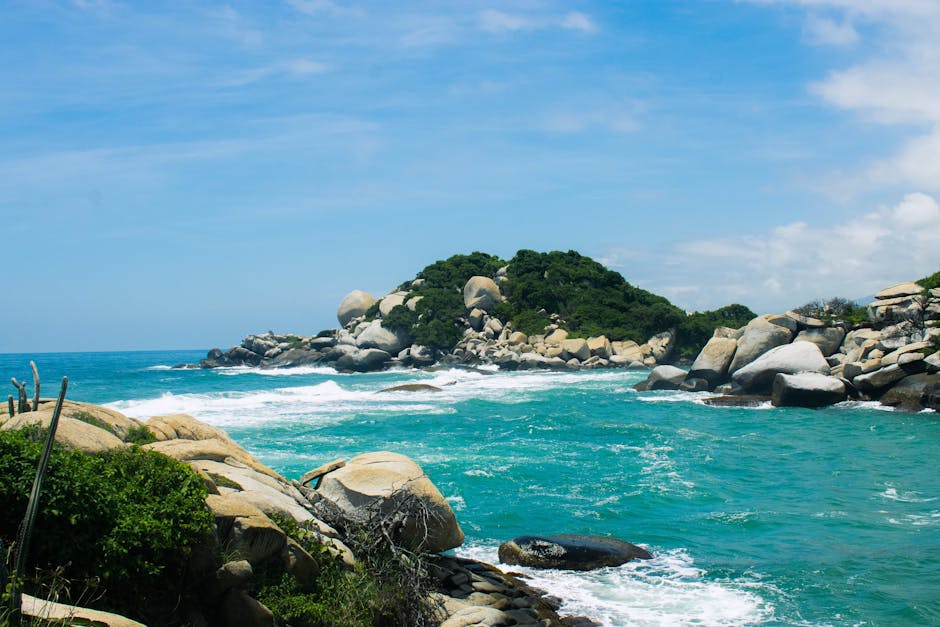
Cabo San Juan is the postcard: a crescent of golden sand divided by a rocky headland, palm trees leaning over water so clear you can count the fish from the shore, and a wooden platform on the cliff where you sleep in hammocks listening to the waves. I stayed two nights, which felt like the minimum to decompress from the outside world and sync with the park’s rhythm. The mornings are best — the light comes through the palms in columns, the water is still, and the few other travelers are either sleeping or silently watching the sunrise with the stunned expression of people who cannot believe this place exists.
The park is also sacred to the indigenous Kogi, Arhuaco, and Wiwa peoples, whose presence reminds visitors that this land carries deep spiritual significance that predates tourism by millennia. The Kogi consider the Sierra Nevada the heart of the world, and their mamos — spiritual leaders — still perform ceremonies in the mountains above the beaches. You may encounter indigenous families on the trails, and the respectful approach is to greet without photographing, to walk without disrupting, to understand that your visit is temporary and their relationship with this land is ancient and ongoing.
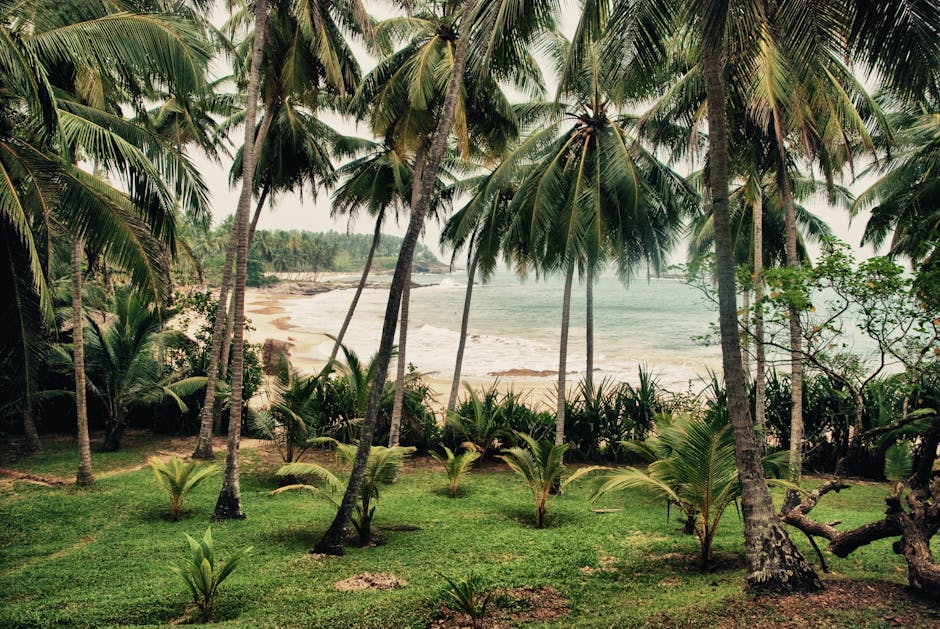
Swimming, snorkeling, and simply lying in a hammock listening to the forest fill the days. The currents can be strong — Arrecifes beach is notorious for riptides, and drownings have occurred — so swim only at the designated beaches and heed the signs. The snorkeling at Playa del Muerto (also called Playa Cristal, in a revealing rebrand) reveals coral and tropical fish in water so transparent it feels like floating in air. Facilities are intentionally basic — this is nature on nature’s terms. There is no Wi-Fi. The food is whatever the small comedores prepare — rice, beans, fried fish, lemonade. The composting toilets and cold showers are part of the deal. You accept the discomfort because the alternative — a resort that tames this coastline into something manageable — would destroy the very thing that makes Tayrona extraordinary.
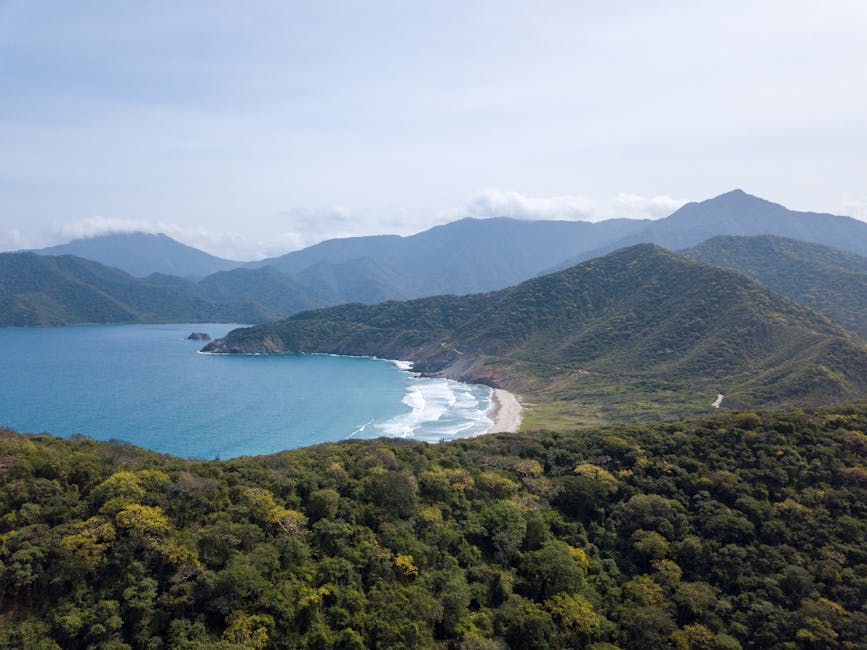
When to go: December through March or July through August for drier weather. The park occasionally closes in February for ecological recovery. Book hammocks or cabins early in peak season.