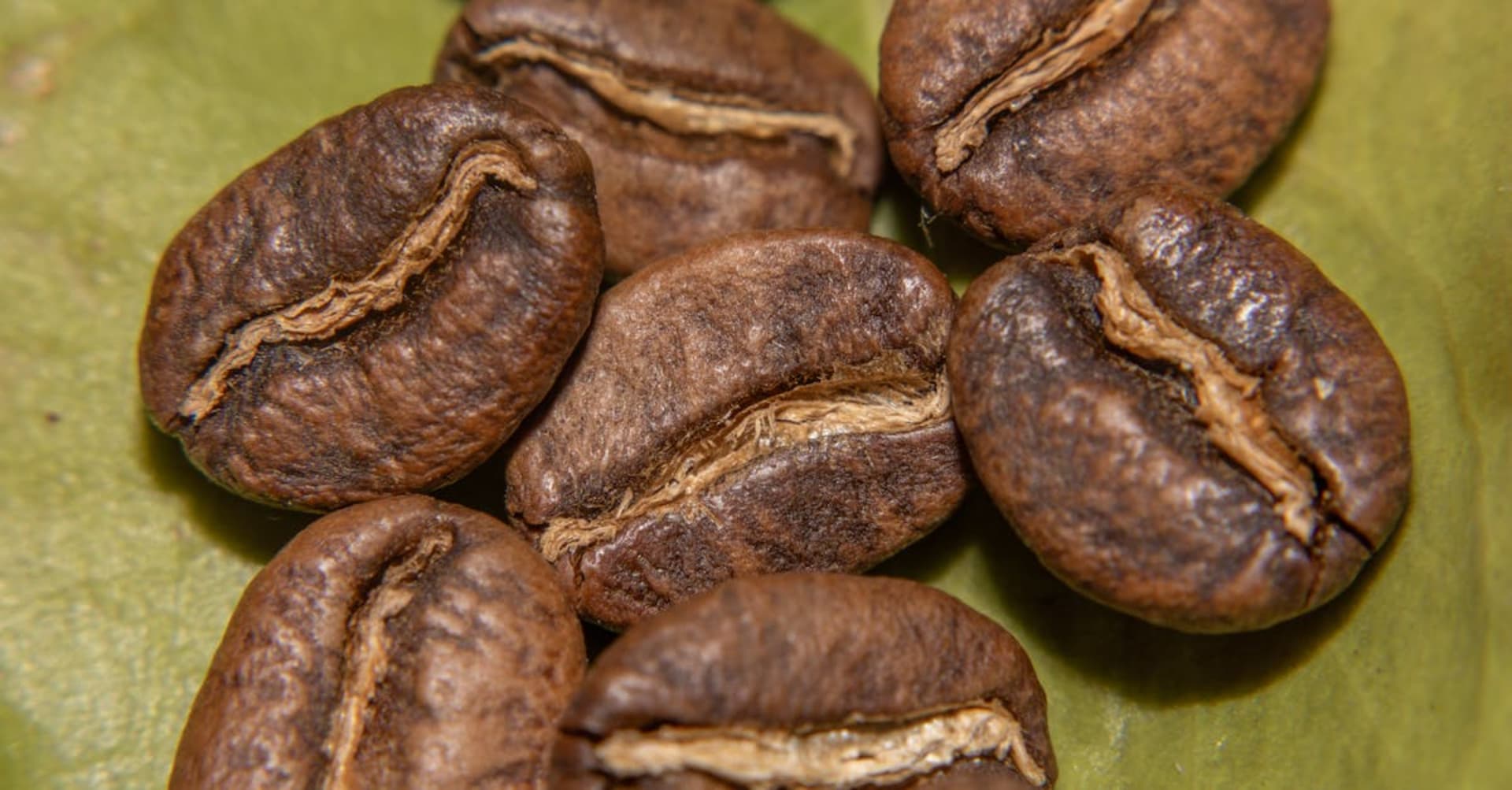
Coffee Region
"You will never drink coffee the same way after watching the hands that pick it."
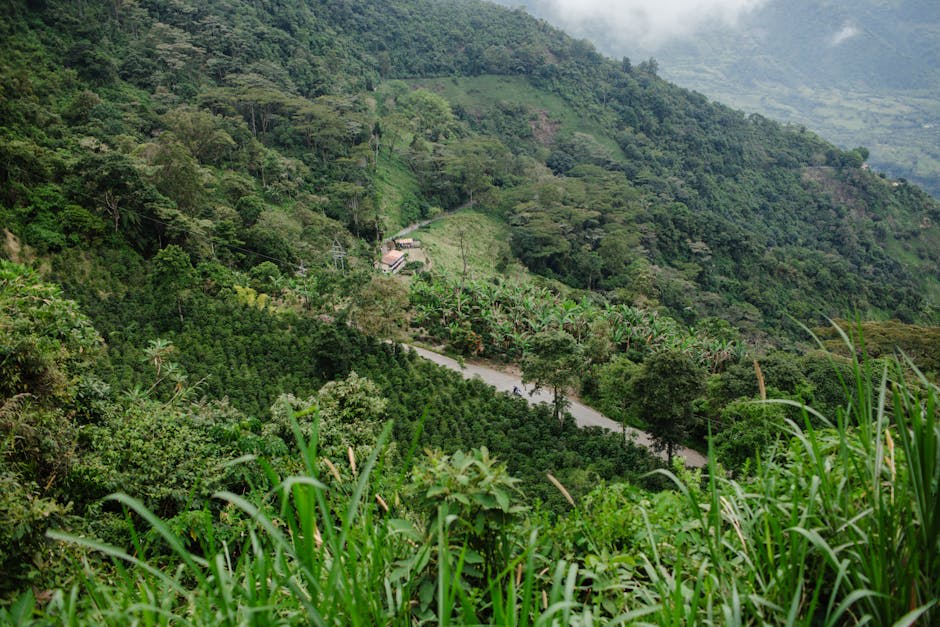
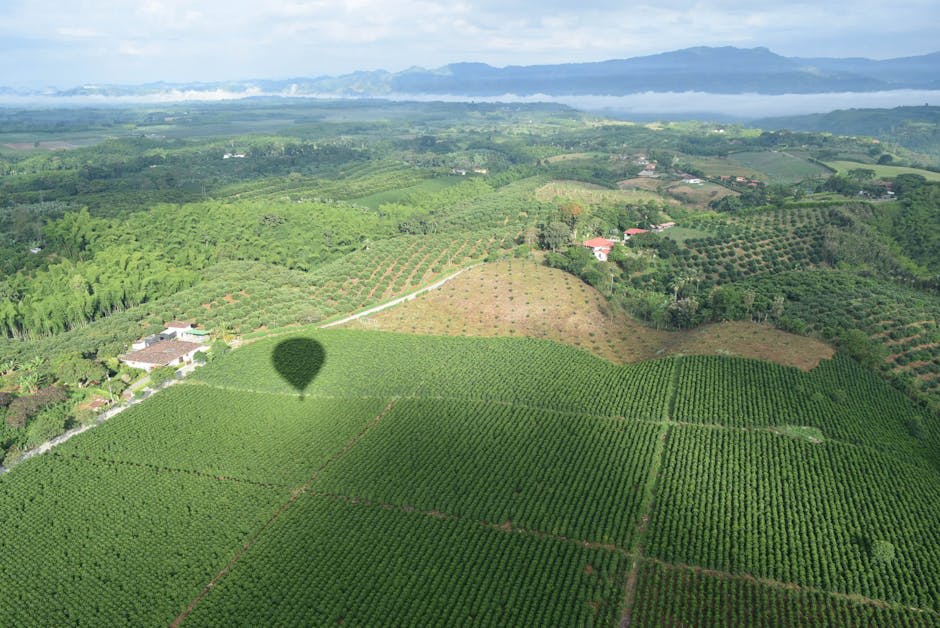
Colombia’s Coffee Region — the Eje Cafetero — is a landscape of impossible green that made me reconsider what I thought I knew about the drink I consume every morning. Coffee plants carpet the hillsides in neat rows, shaded by banana trees and guamo, backed by the peaks of the Central Cordillera disappearing into cloud. The towns of Manizales, Pereira, and Armenia serve as gateways, functional and unromantic, but the magic lives on the fincas — working coffee farms where you can follow a bean from plant to cup and taste the difference altitude, soil, and the angle of a hillside make in a single sip.
I spent three days at a finca outside Filandia run by a family that has grown coffee for four generations. Don Hernando, the patriarch, walked me through the process with the patience of a man who has explained it a thousand times and still finds it miraculous. The plants at 1,800 meters produce a different cup than those at 1,400 — more acidity, more brightness, what the coffee world calls “complexity” and what Don Hernando simply calls “better.” The picking is done entirely by hand, selective — only the ripe red cherries — and watching the recolectores move through the rows with their baskets, I began to understand why Colombian coffee costs what it does and why it should cost more.
The Valle de Cocora near Salento holds Colombia’s most iconic landscape: towering wax palms — the world’s tallest, the national tree — rising from emerald-green pastures into the cloud forest like something from a prehistoric dream. The colonial towns are painted in bold primary colors, and every plaza has a church, a café, and a group of old men playing tejo or arguing about football with equal intensity. The local culture revolves around hospitality, jeep rides along mountain roads in Willys that somehow still function after sixty years, and trout fresh from highland streams served with patacones and hogao.
The mornings here are the best part. You wake to birdsong — the Eje Cafetero is one of the most biodiverse bird habitats on Earth, and hummingbirds outnumber people on most fincas — and the air is cool and clean and smells like wet earth and ripening fruit. The mist burns off by mid-morning, and for a few hours the entire landscape glows in that saturated green that exists nowhere else I have been. By afternoon the clouds roll back in, soft rain falls, and you sit on a covered porch drinking the best coffee of your life, grown fifty meters from where you are sitting, and you think: this is it. This is why people travel.
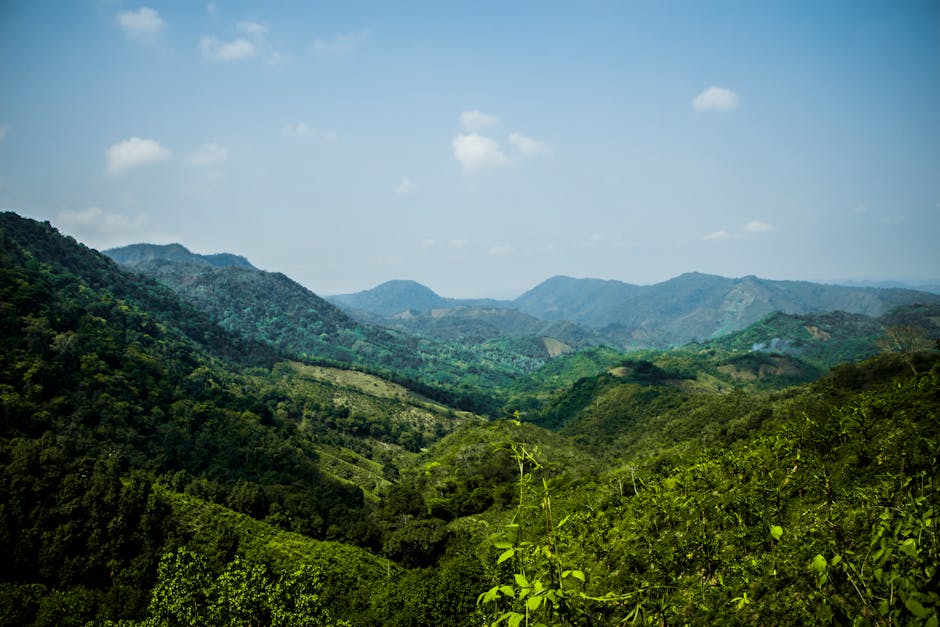
When to go: Year-round, though December through February and June through August see less rain. Mornings are typically clear; clouds roll in by afternoon.