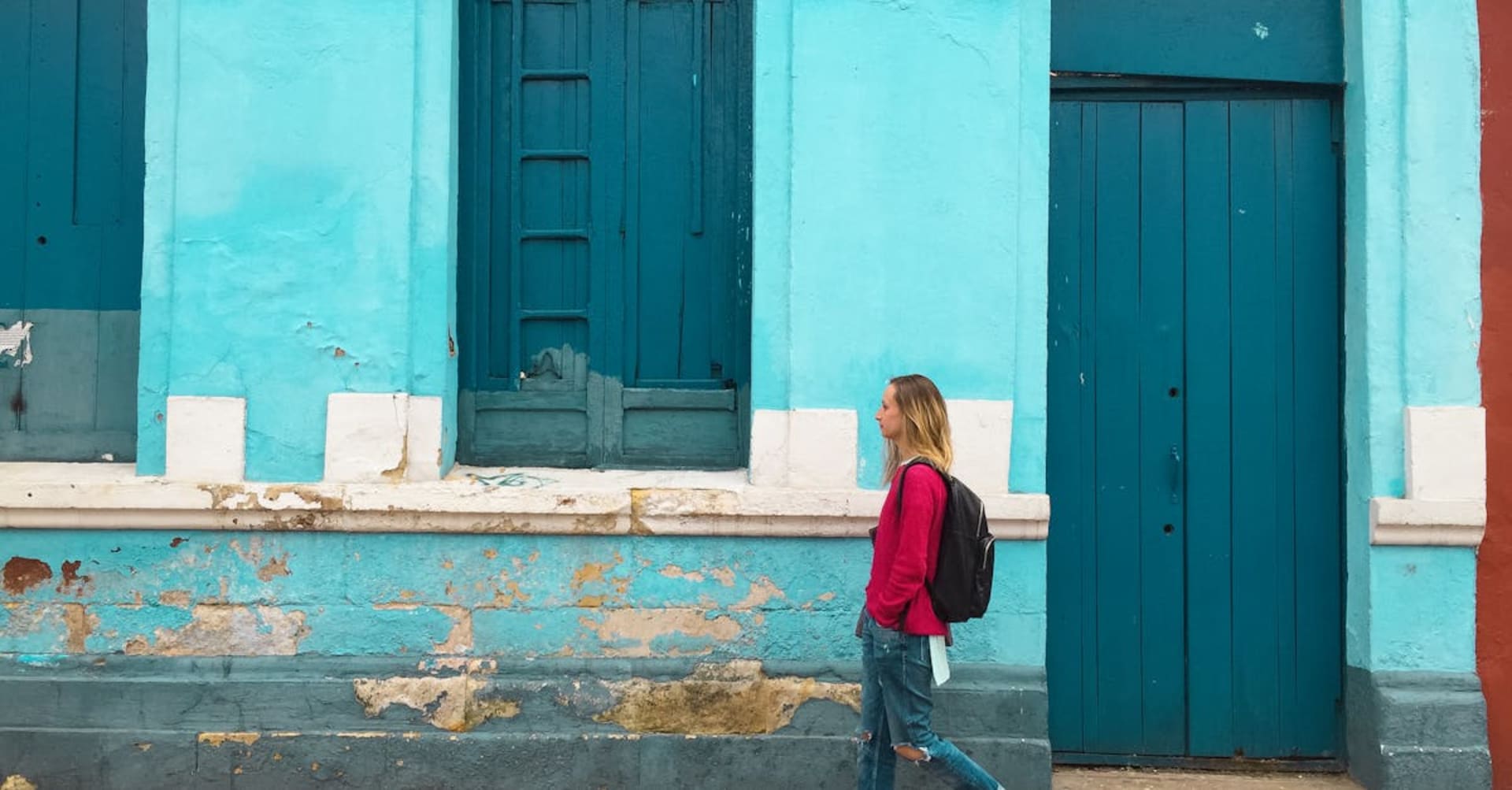
Leticia
"The Amazon does not care about borders — and in Leticia, neither do the people."
Leticia sits at the southernmost tip of Colombia, where the country meets Brazil and Peru at the Amazon River, and arriving here feels like stepping off the edge of the map. You fly in from Bogota — there are no roads — and the plane descends over an unbroken carpet of green that stretches to every horizon, the river threading through it silver and massive and indifferent to the national boundaries drawn across it. You can walk from Colombia to the Brazilian town of Tabatinga without a single passport stamp, buy Peruvian ceviche for lunch and Colombian empanadas for dinner, and take a boat to the village of Santa Rosa on the Peruvian side for a beer at sunset. The borders here are legal fictions that the jungle and the river have never acknowledged.
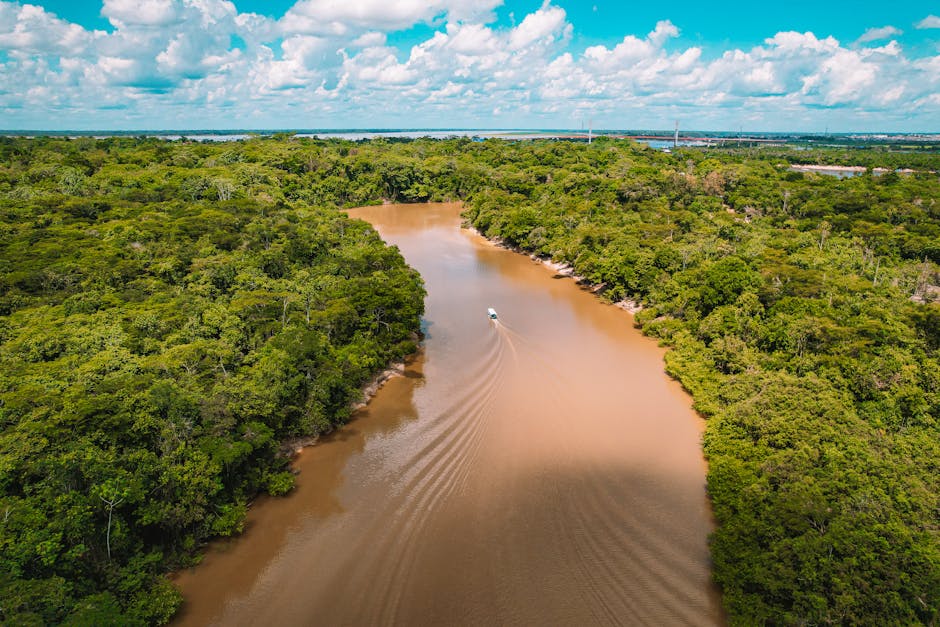
The town itself is small and unremarkable — a grid of low buildings, a market selling river fish and tropical fruit, a handful of hostels and tour operators. But it is the launchpad for one of the most biodiverse regions on Earth, and the multi-day excursions into the surrounding jungle are unlike anything available elsewhere in Colombia. I spent four days on a boat and in a riverside lodge, and the inventory of encounters reads like a nature documentary compressed into a long weekend: pink river dolphins surfacing at dawn, their improbable pink bodies breaking the brown water in slow arcs. Caimans spotted by flashlight during a night paddle, their eyes glowing red in the beam. Piranha fishing with a stick, a line, and raw meat — I caught three and felt absurdly proud. Howler monkeys whose dawn chorus shook the canopy like an approaching storm.
The indigenous communities — Tikuna, Yagua, Huitoto — are not museum exhibits. They are living cultures with their own languages, governance, and relationship to the forest that makes the Western concept of “nature” seem like a category error. A Tikuna elder named Don Lázaro showed me how to identify medicinal plants along a trail, naming each one in Tikuna and explaining its use with a specificity that would impress a pharmacologist. The Amacayacu National Park and Monkey Island offer more accessible wildlife encounters for those short on time, but the deeper jungle trips — three, four, five days — are where the Amazon reveals itself as something beyond scenery. It is a system, a network, an intelligence of interconnection that makes you feel simultaneously tiny and part of something vast.
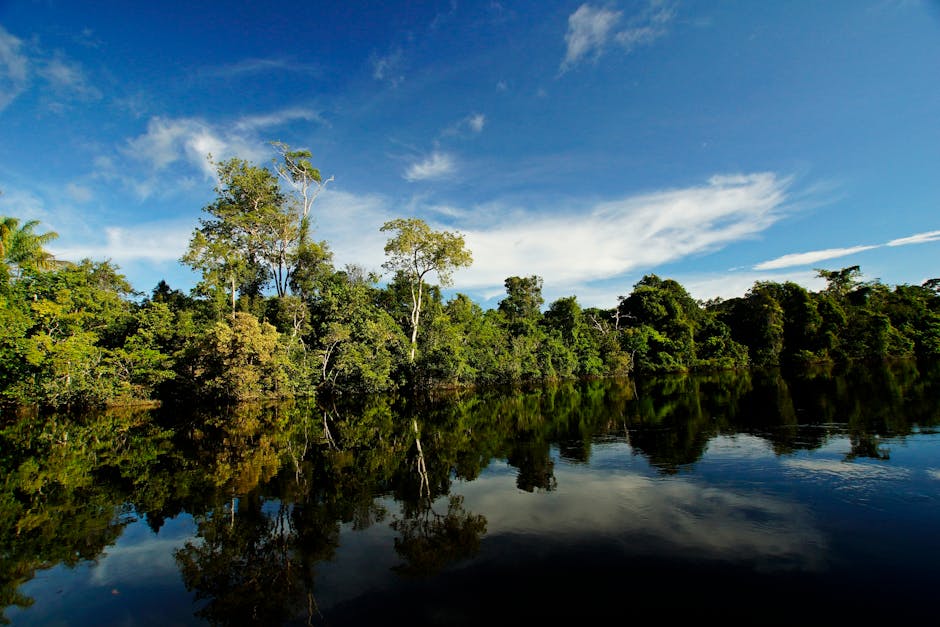
The heat and humidity are relentless — the kind that soaks through your shirt within minutes and never lets up, not even at night. You learn to stop fighting it. You learn to move slowly, to drink constantly, to understand why hammocks exist. The food is river fish in every variation — gamitana, pirarucú, dorado — grilled, fried, wrapped in leaves, served with rice and farofa borrowed from the Brazilian side. The fruit is extraordinary: copoazú, camu-camu, arazá — flavors with no European equivalent, tart and sweet and strange in the best way.
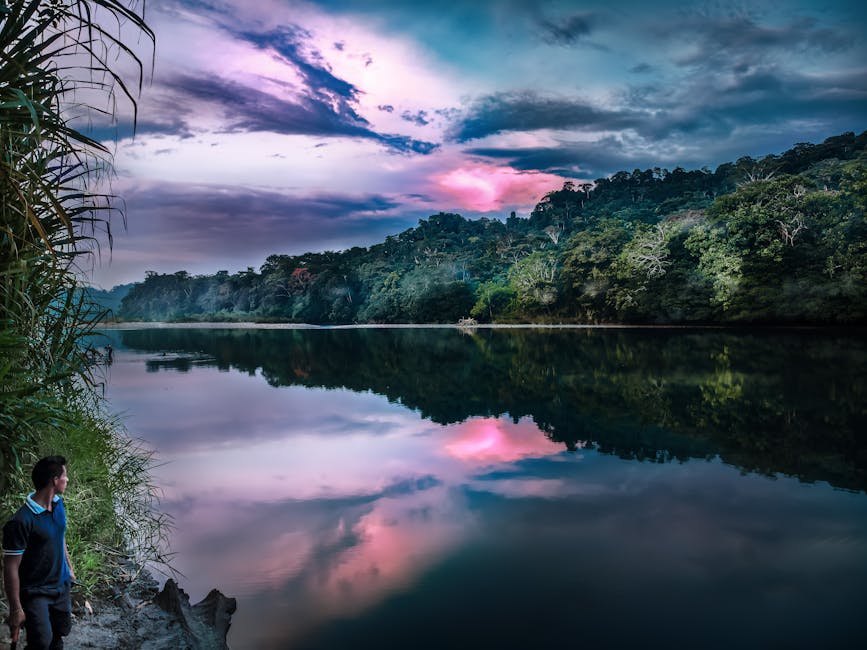
When to go: July through October for lower water levels and easier trail access. December through May is flood season — river navigation is easier but some trails are submerged.