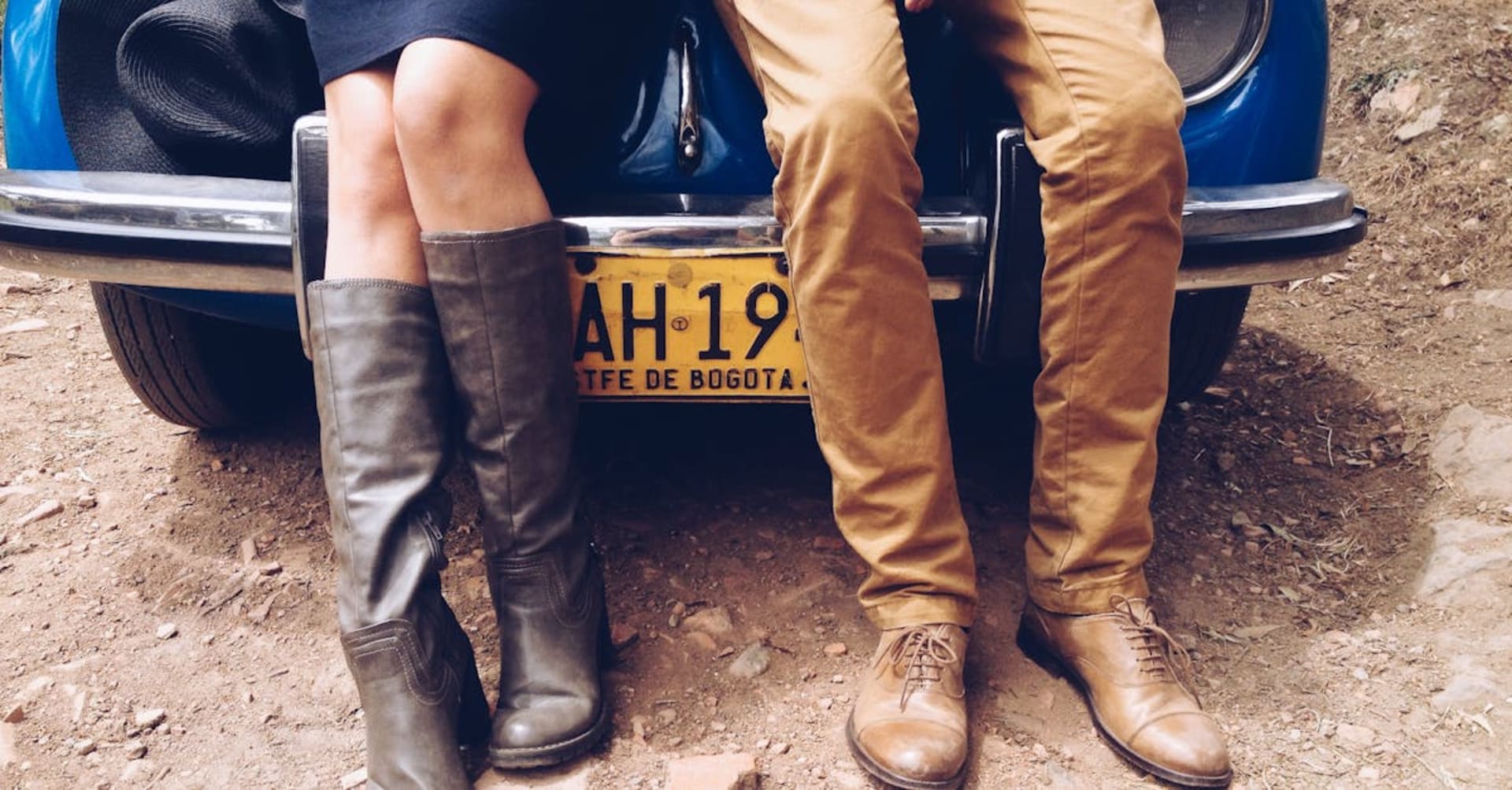
Bogota
"Bogota does not seduce — it challenges you, rewards you, and leaves you wanting more."
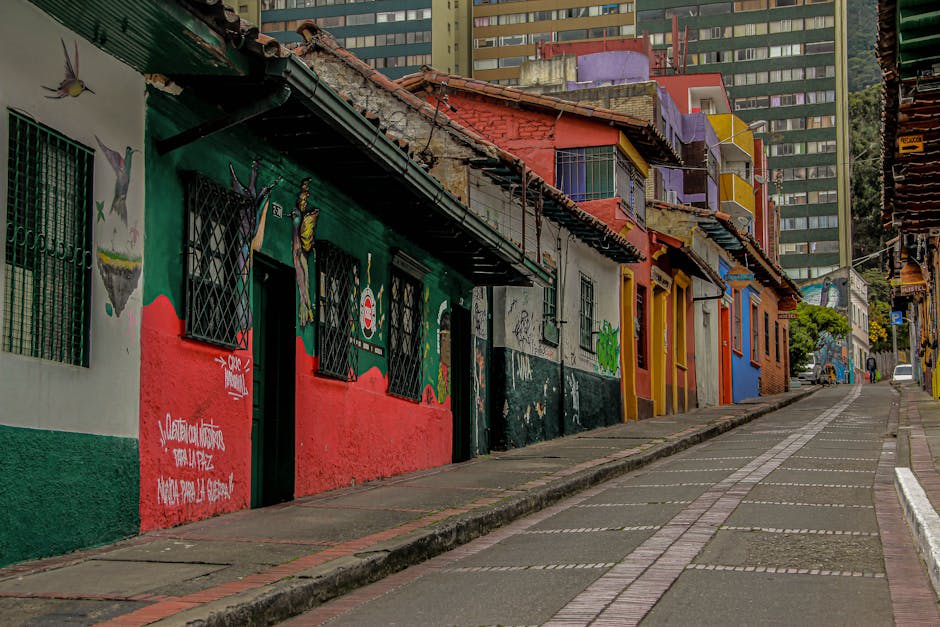
Bogota sprawls across a high plateau at 8,600 feet, and the thin air gives everything a slightly heightened edge — colors brighter, sounds sharper, the simple act of climbing a staircase a reminder that you are breathing at altitude. I arrived from sea-level Cartagena and felt the difference in my lungs within minutes. La Candelaria, the colonial heart, overflows with street art that turns crumbling walls into gallery-grade murals. A guide named Camilo walked me through the layers — political protest, indigenous mythology, pure aesthetic rebellion — and by the end I understood that Bogota’s street art is not decoration. It is the city talking to itself.
The Museo del Oro houses the largest collection of pre-Hispanic gold artifacts on Earth — over 55,000 pieces — and the darkened room on the top floor, where the lights come up slowly to reveal hundreds of gold objects shimmering in the void, is one of the most theatrical museum moments I have experienced anywhere. The Botero Museum next door is free, generous in every way, and hung with the master’s unmistakable rotund figures alongside his personal collection of Picasso, Dalí, and Monet. Monserrate rises above the city, the funicular carrying you to a mountaintop church where the panoramic view stretches across the entire sabana — eight million people spread below in the Andean haze.
The food scene has exploded. Usaquen’s weekend flea market mixes artisanal everything with live music and craft beer, while Zona G’s fine dining — restaurants like Leo, where chef Leonor Espinosa turns Amazonian ingredients into avant-garde tasting menus — has put Bogota on the global culinary map. But the city eats best at its most democratic. Paloquemao market is a sensory assault of tropical fruits you have never seen — lulo, guanábana, tomate de árbol — and the juice vendors will blend any combination with the confidence of someone who has done this ten thousand times. Ajiaco, the chicken and potato soup with corn, capers, and cream, is the dish that defines bogotano comfort, and every abuela makes it differently and every version is correct.
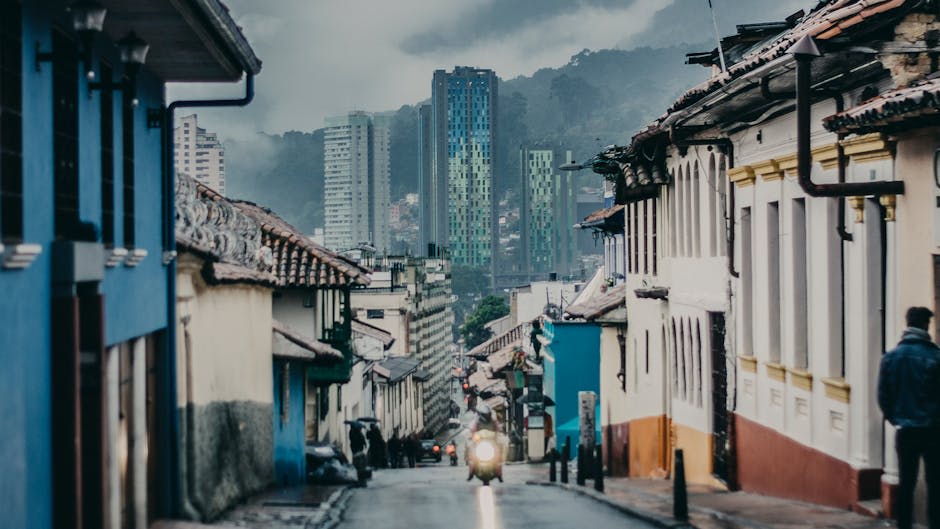
The city is massive, occasionally chaotic, and endlessly rewarding for those willing to dig beneath the surface. The Ciclovía on Sundays closes major roads to cars and opens them to cyclists, runners, and families — a weekly act of civic joy that turns a congested metropolis into a communal playground. The nightlife in Chapinero runs from craft cocktail bars to salsa clubs where nobody cares if you cannot keep the rhythm. The rain comes most afternoons, sudden and theatrical, and then it stops and the mountains glow and Bogota reminds you that altitude has its compensations.
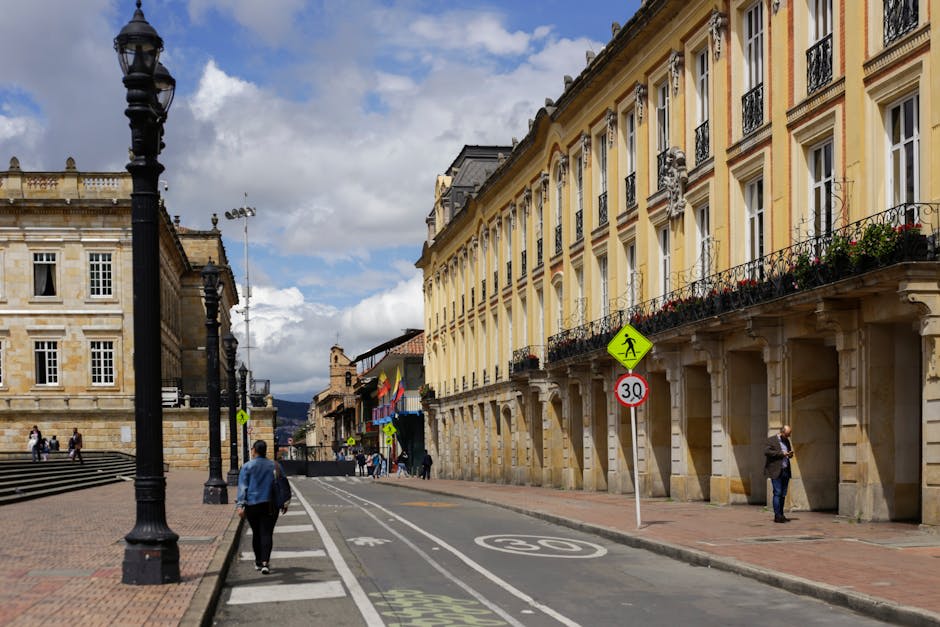
When to go: December through March and July through August are driest. Bogota is cool year-round — bring a jacket. Expect afternoon rain showers regardless of season.