Asia
China
"The country too large to summarize and too important to skip."
China resists the single narrative. It is not one country in any meaningful culinary, linguistic, or geographic sense — it is a continent operating under a single flag. The distance between Sichuan’s fire-red hotpot and Cantonese dim sum is not just a matter of spice tolerance; it is a fundamentally different philosophy of what food is for. Multiply that by a dozen major regional cuisines, each with sub-regional variations, and you begin to understand why reducing China to “Chinese food” is like reducing Europe to “European food.” It is technically accurate and practically useless.
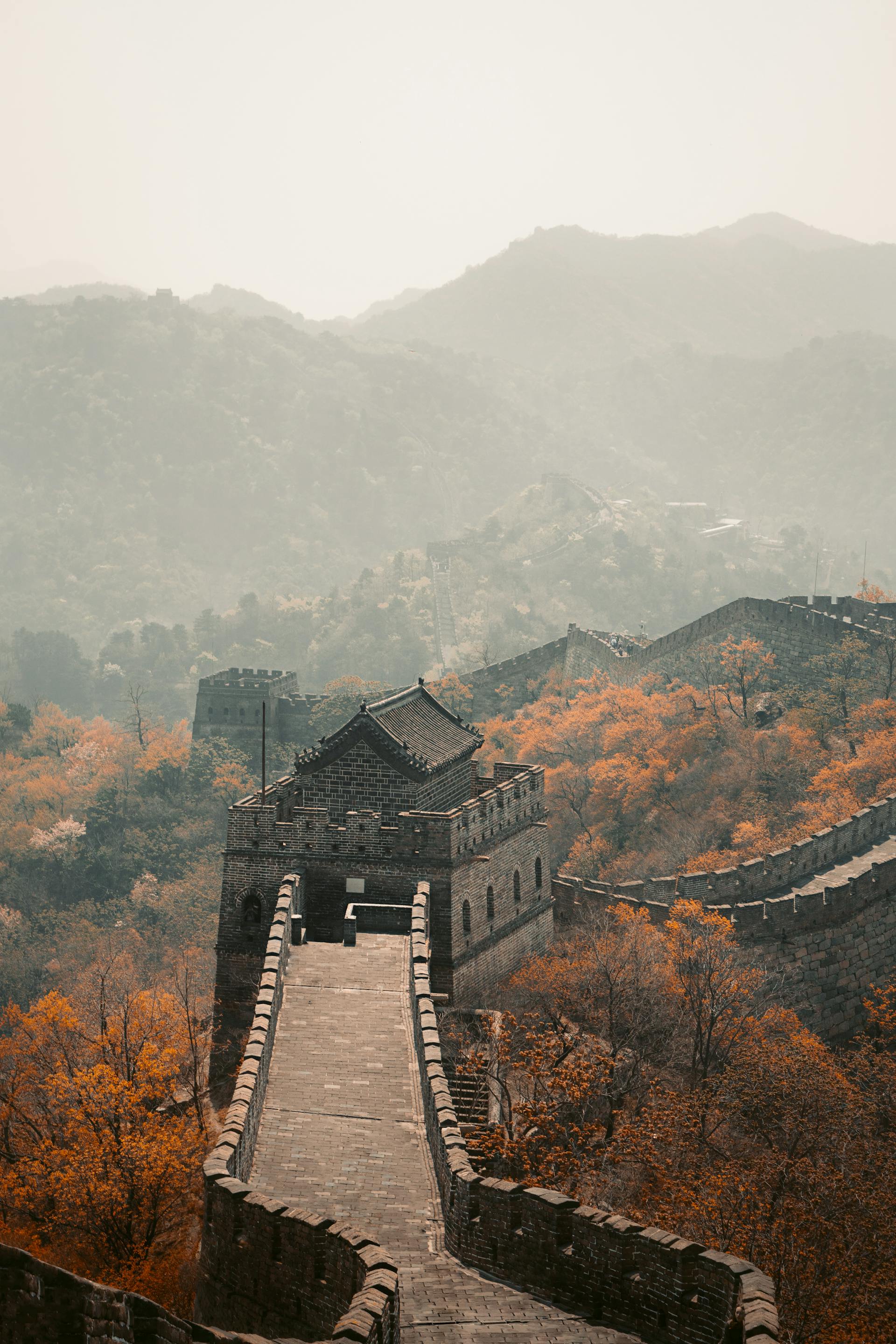
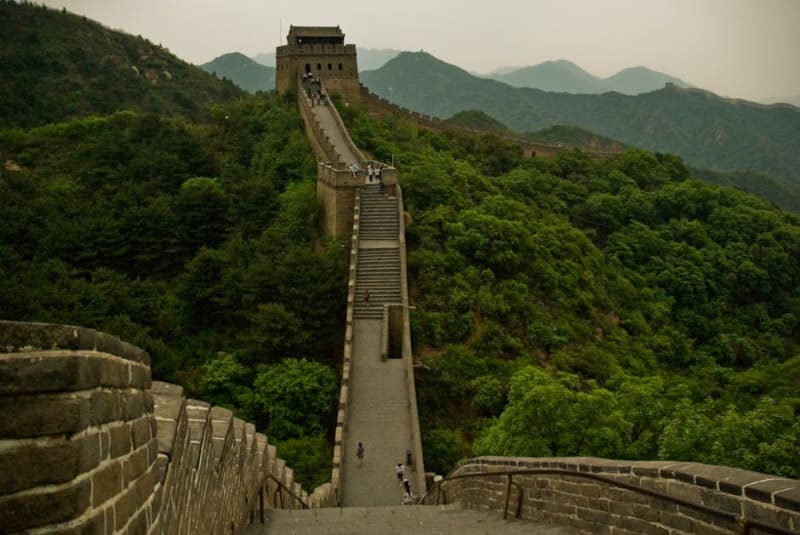
The scale extends to everything. The Great Wall is not one wall but hundreds of sections spanning thousands of kilometers, and the tourist-packed Badaling section near Beijing bears almost no resemblance to the crumbling, wild stretches of Jinshanling where you can walk for hours without seeing another soul. Yunnan province alone contains snow-capped mountains, tropical rainforests, Tibetan monasteries, and some of the most ethnically diverse communities in Asia. The karst landscapes of Guilin look like a Chinese ink painting because Chinese ink paintings were inspired by them. The scale is the point — and also the challenge.
When to go: Spring (April to May) and autumn (September to November) are ideal for most regions. Beijing and the north are best in September and October — clear skies, golden light. Yunnan is pleasant year-round. Avoid Chinese New Year (late January to February) and the National Day holiday (first week of October) when domestic tourism reaches staggering volumes.
What most guides get wrong: They default to Beijing, Shanghai, and the Great Wall. These are worthy but represent perhaps five percent of what China offers. Chengdu for food, Yunnan for landscapes, Fujian for tulou roundhouses, Gansu for the Silk Road — the deeper you go, the more China begins to feel like several lifetimes of travel compressed into one country.
Explore
Places in China
Beijing
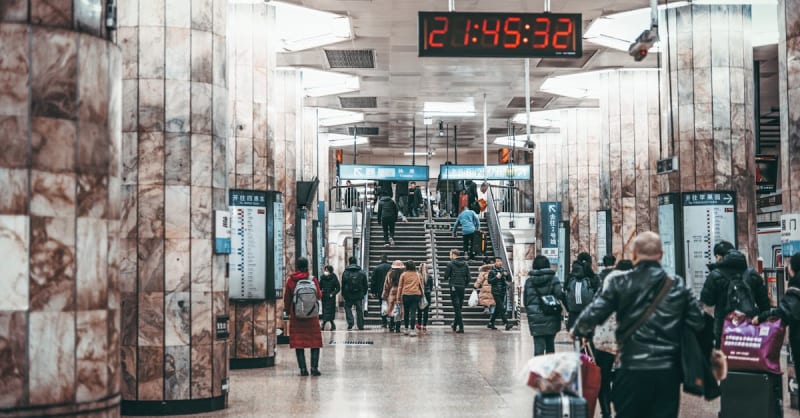
The imperial capital where the Forbidden City, ancient hutongs, and a megacity of twenty-two million people coexist in a constant negotiation between past and future.

Chengdu
The laid-back capital of Sichuan where giant pandas, fiery hotpot, and a tea-house culture create the most liveable city in China.
Dunhuang
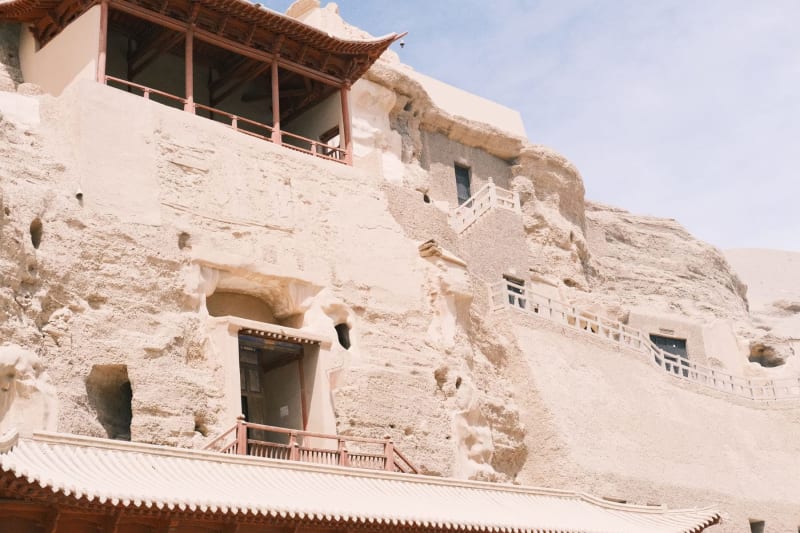
Oasis city at the edge of the Gobi, gateway to Silk Road Buddhist cave art and singing sand dunes.
Chefchaouen of the East – Fenghuang
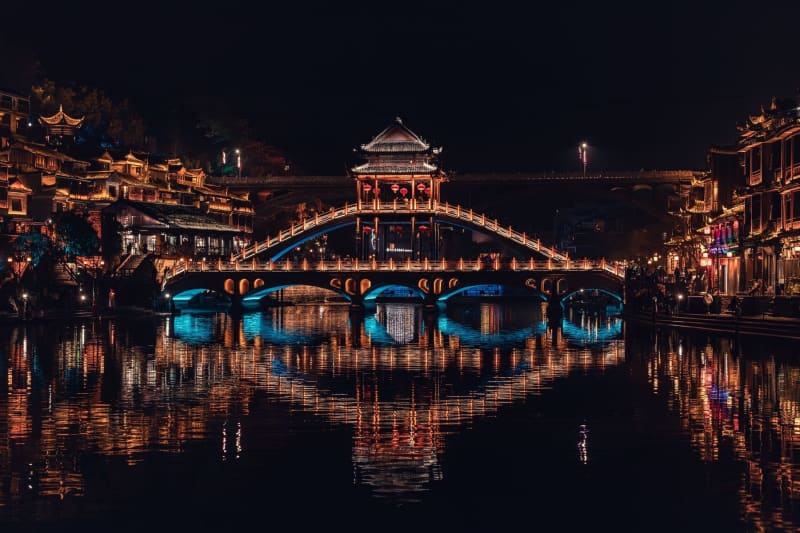
A perfectly preserved Ming-Qing town of stilted houses on the Tuojiang River in rural Hunan.

Great Wall
The structure that snakes across mountains for thousands of kilometres, defying both invaders and comprehension in equal measure.
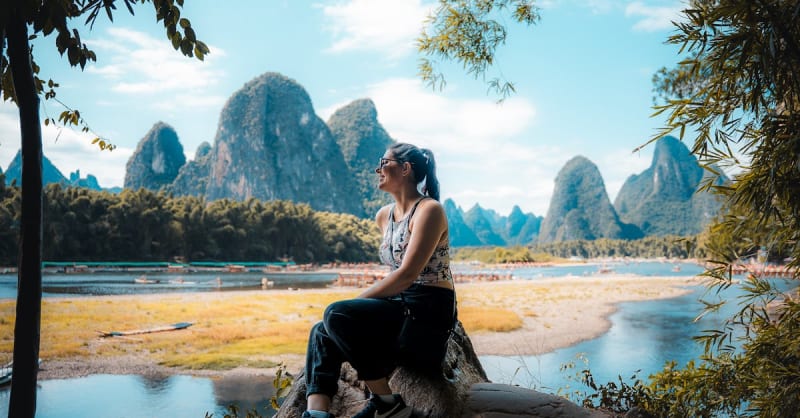
Guilin
A landscape of karst peaks and winding rivers that has inspired Chinese painters for a thousand years and still defies their brushes.
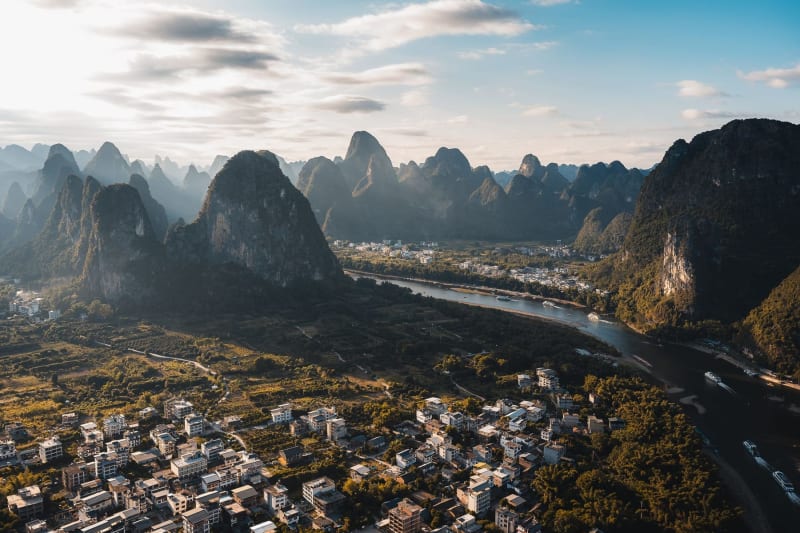
Guilin Li River
A slow bamboo raft down the Li River between limestone peaks that inspired a thousand ink paintings.
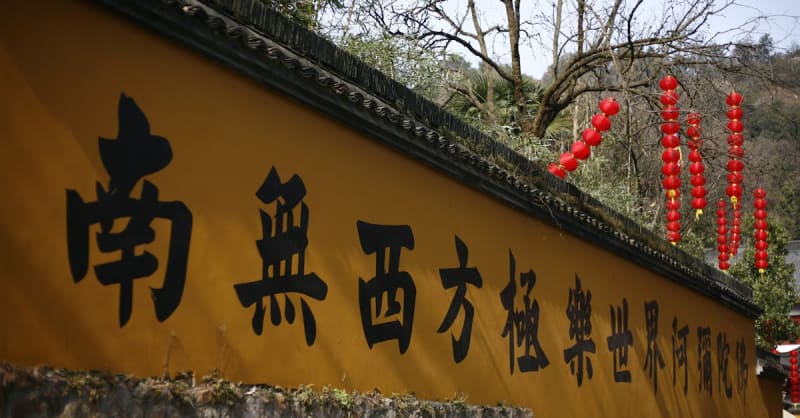
Hangzhou
A city of poets and pagodas where West Lake creates a landscape so refined it has inspired Chinese art and literature for a thousand years.
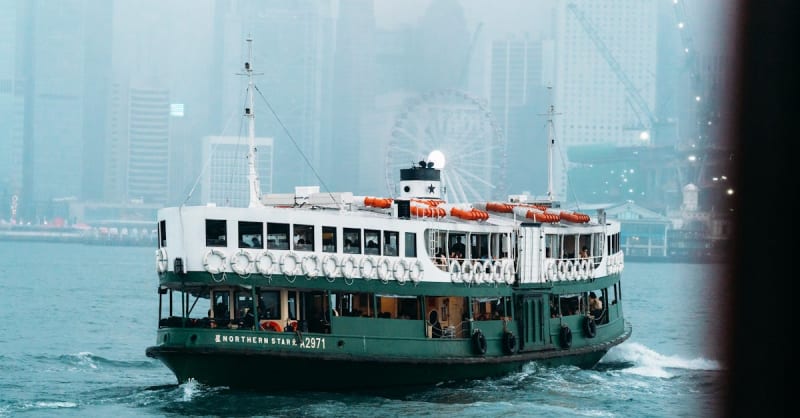
Hong Kong
A vertical city where dim sum carts, neon-lit streets, and jungle-covered peaks collide in one of the most exhilarating urban landscapes on earth.
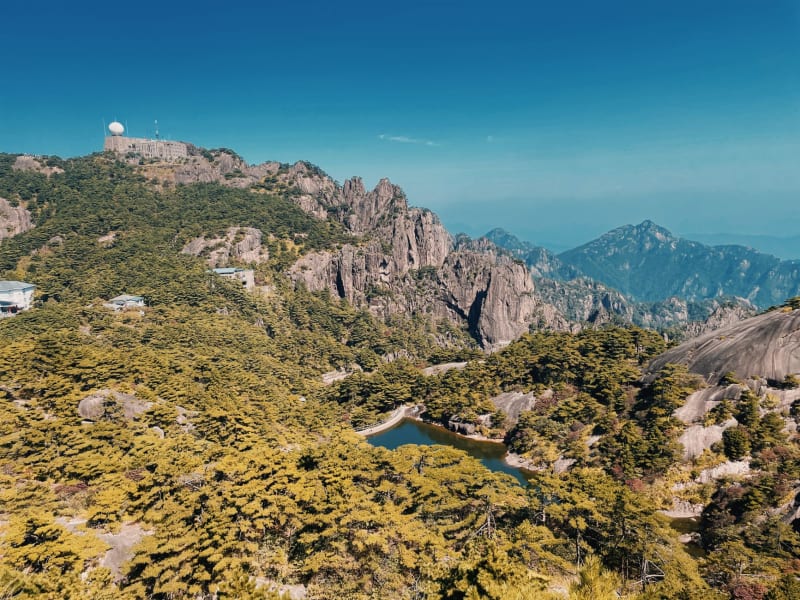
Huangshan
The Yellow Mountains of Anhui — jagged granite peaks, contorted pines, and a sea of clouds that has shaped a thousand years of Chinese ink painting, climbed on stone staircases by the million.
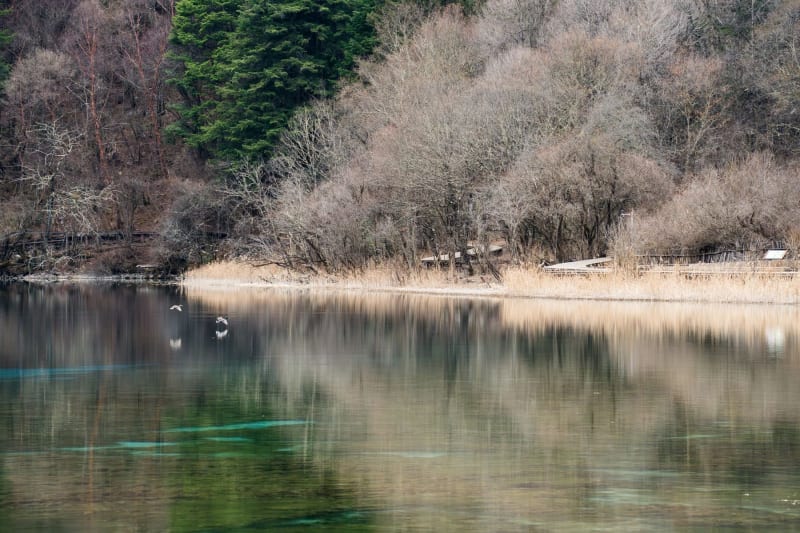
Jiuzhaigou
A mountain valley of impossibly turquoise lakes, waterfalls, and autumn colour in Sichuan.
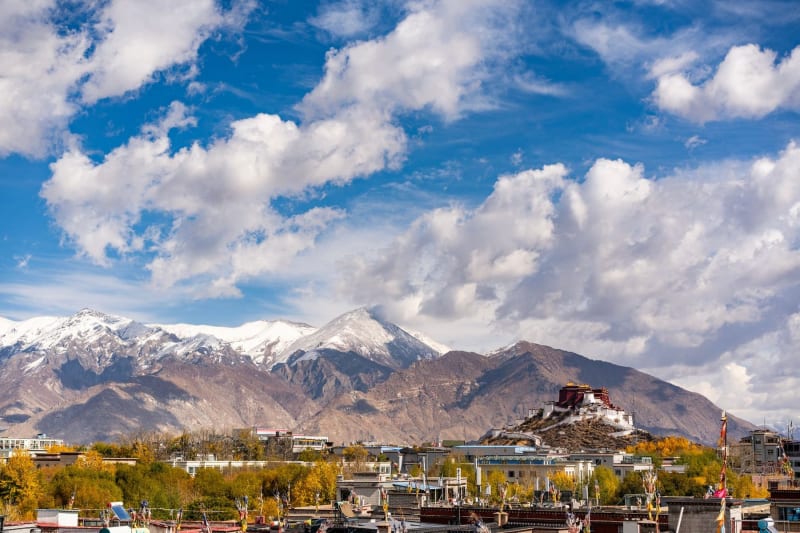
Lhasa
The Potala Palace rises above the Roof of the World where pilgrims prostrate themselves across the plaza.
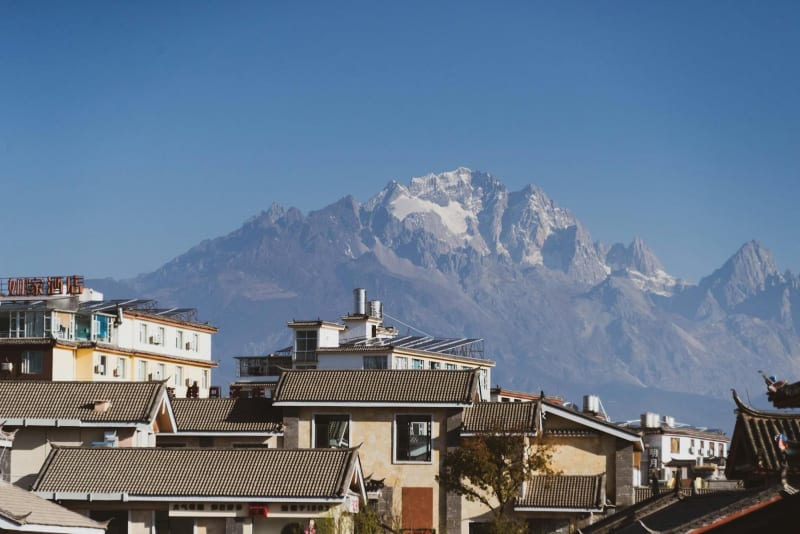
Lijiang Old Town
Naxi cobblestone alleys, watermill canals, and the snowcapped Jade Dragon mountain looming above.
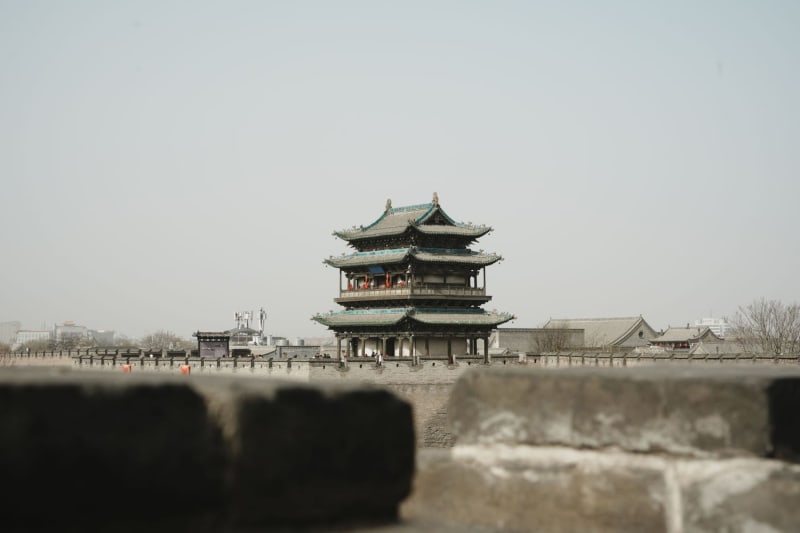
Pingyao
The best-preserved walled Ming city in China, where even the street lamps look like a prop department's dream.

Shanghai
China's most cosmopolitan city, where Art Deco glamour, futuristic skyscrapers, and soup dumplings exist in a state of perpetual, exhilarating reinvention.
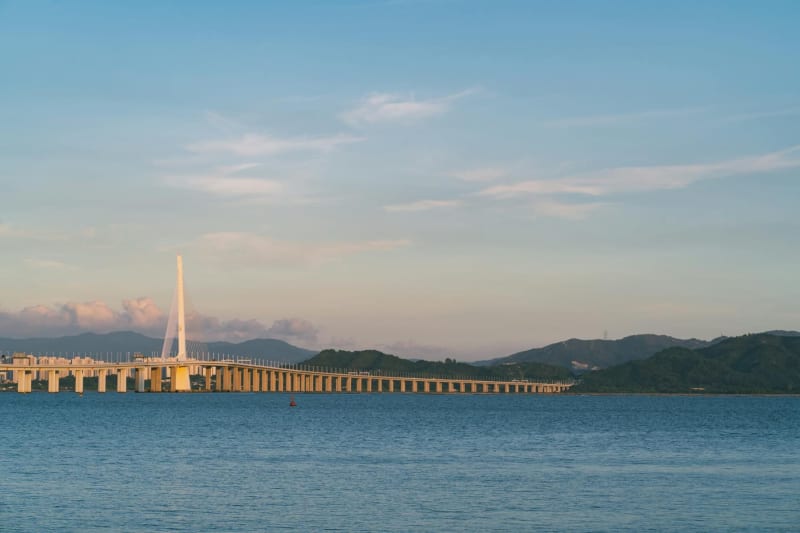
Shenzhen
China's Silicon Valley — a fishing village in 1980, a megacity of 13 million today.
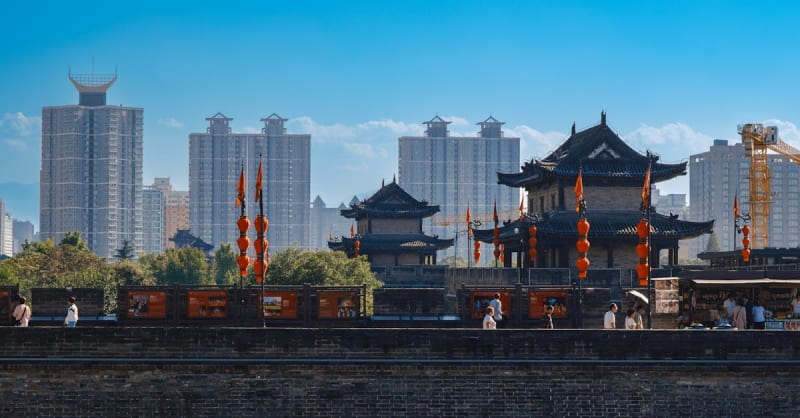
Xi'an
The ancient terminus of the Silk Road, where terracotta warriors stand guard over two thousand years of history and the Muslim Quarter pulses with life.
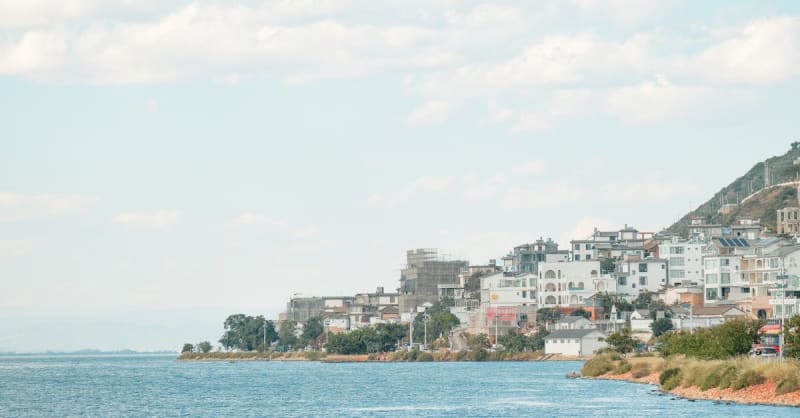
Yunnan
China's most diverse province, where snow-capped mountains, ancient towns, and twenty-five ethnic minorities create a world within a world.
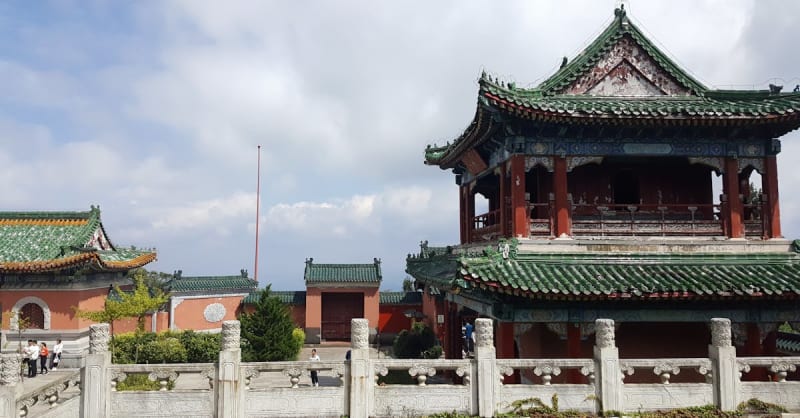
Zhangjiajie
Sandstone pillars rising like skyscrapers from a sea of green -- the landscape that inspired Avatar and still looks like science fiction.
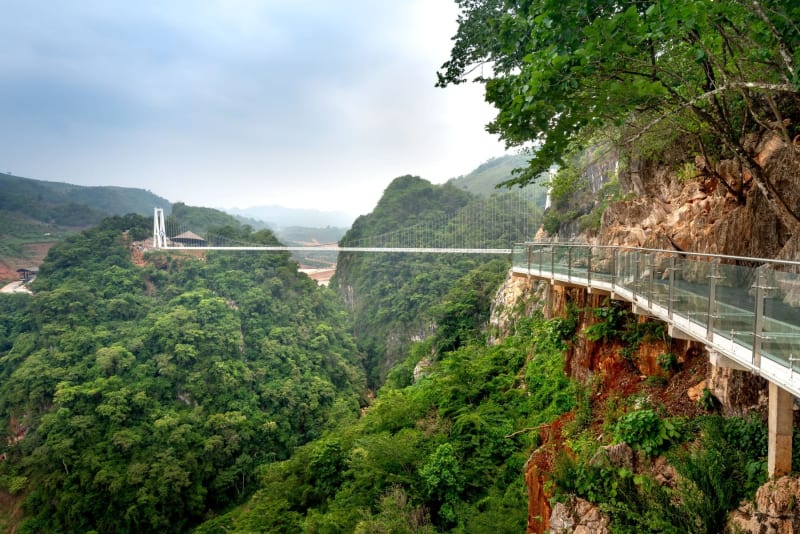
Zhangjiajie Glass Bridge
The world's longest and highest glass-bottomed suspension bridge above the Avatar-inspiring sandstone pillars.
Free download
Get the China Guide
A curated PDF itinerary with honest picks, real restaurants, and the details that matter — the kind you'd actually print and bring.
Download the guide