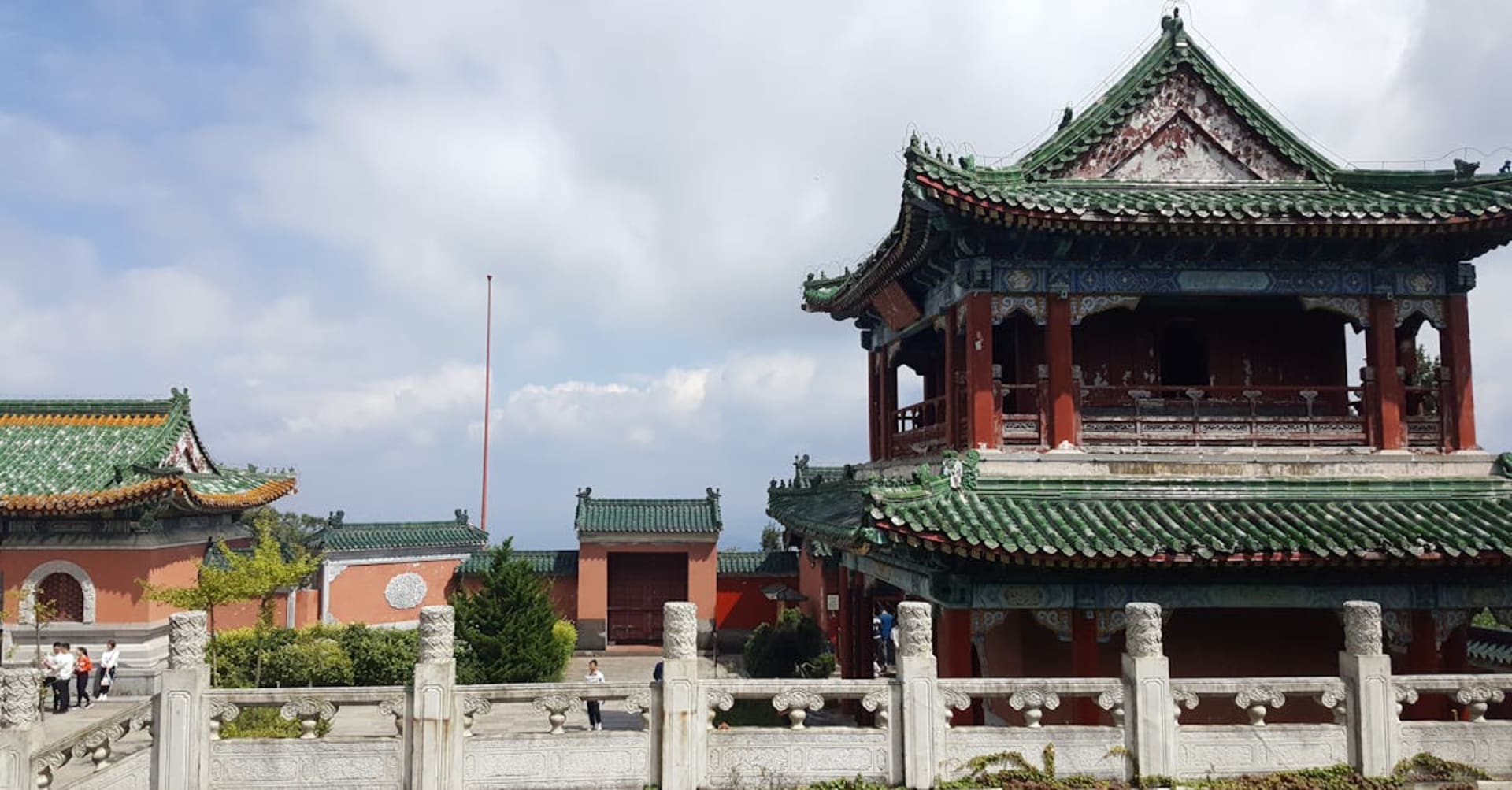
Zhangjiajie
"The mountains here do not follow the rules of geology -- they follow the rules of imagination."
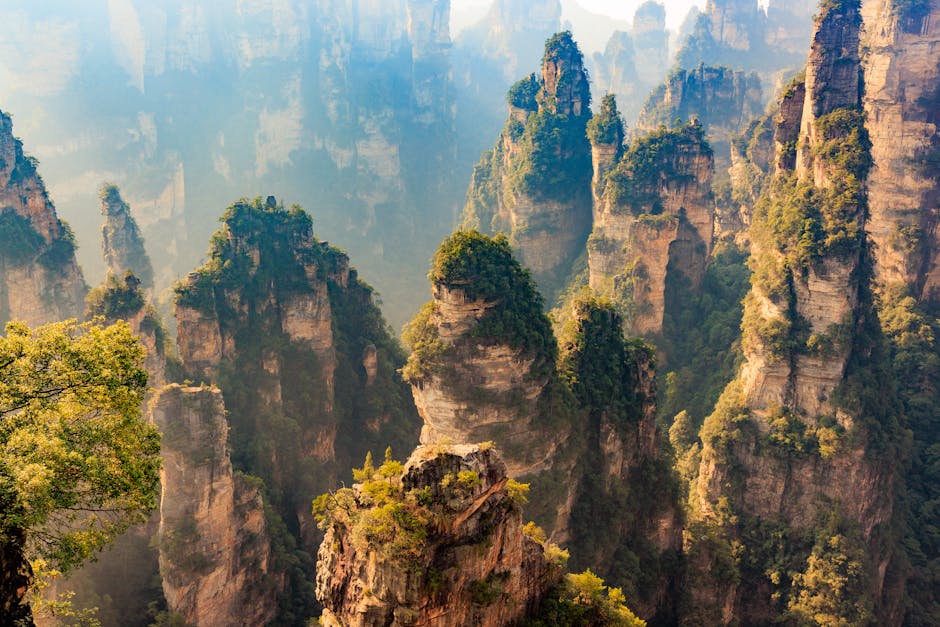
Zhangjiajie is the kind of place that makes you question whether you are still on Earth. The sandstone pillars of the national forest park rise vertically from the forest floor — over three thousand of them, some reaching 200 metres, many so narrow they look like they should topple in a strong wind. The mist that drifts between them creates an ever-changing canvas that James Cameron used as direct inspiration for the floating mountains of Pandora, and honestly, the real thing is more dramatic than the CGI. I arrived on a morning when the clouds sat at mid-level, wrapping the bases of the pillars so that the upper halves appeared to float, disconnected from the earth, suspended in white. A Chinese tourist next to me whispered something I did not understand, but her tone was unmistakable: even for someone who grew up with these landscapes on calendars and screensavers, the reality was something else entirely.
The Glass Bridge and Bailong Elevator
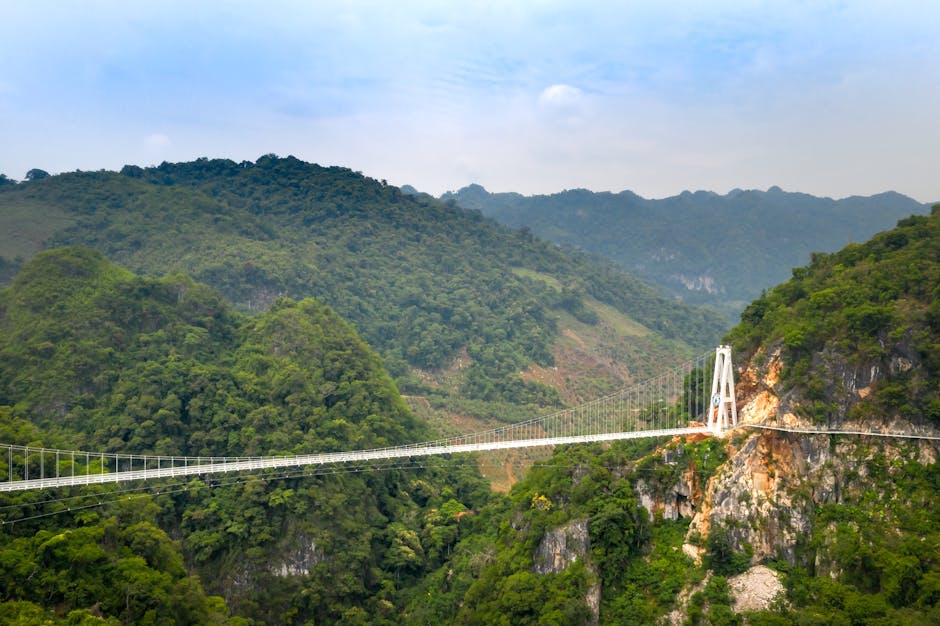
The glass bridge spanning the canyon is terrifying and spectacular in equal measure — 430 metres long, 300 metres above the valley floor, and transparent enough to make your knees communicate directly with your brain in a language that bypasses rational thought. I walked it slowly, gripping the railing with one hand and my camera with the other, and the view downward — straight through the glass to the forest floor below — produced a vertigo that was not entirely unpleasant but that I would not describe as fun. The Bailong Elevator, the tallest outdoor lift in the world at 326 metres, carries you up a cliff face in less than two minutes to a viewpoint that makes the vertigo worth it. The engineering is absurd. The views from the top are the kind that make you understand why the Chinese invented landscape painting.
Tianmen Mountain
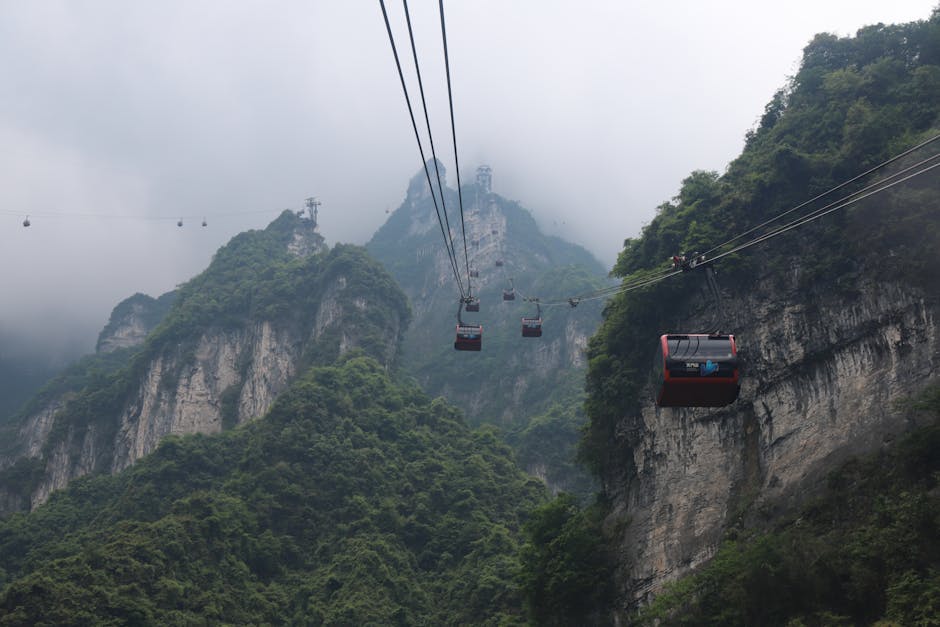
Tianmen Mountain, reached by one of the longest cable car rides in the world — 7.5 kilometres, roughly thirty minutes of slow ascent over the city and into the clouds — offers a natural arch called Heaven’s Gate, cliff-hugging walkways with glass sections that test your commitment to the experience, and a road of 99 switchbacks called Tongtian Avenue that winds up the mountainside in a series of hairpin turns so theatrical they look computer-generated. The cliff walkway, bolted to the sheer face of the mountain with nothing but air below, is the kind of trail where you become intensely aware of your own mortality and simultaneously grateful for Chinese engineering standards. The views from the summit, when the clouds part, stretch to the horizon in every direction — a sea of green karst peaks that confirms what you already suspected: Zhangjiajie is not a place that follows the rules.
When to go: April to June and September to November for clear skies and comfortable temperatures. Morning mist adds drama year-round. Summer is hot and crowded; winter is cold but hauntingly beautiful.