Hong Kong
"A city built upward, outward, and in defiance of every physical limitation -- and it works."
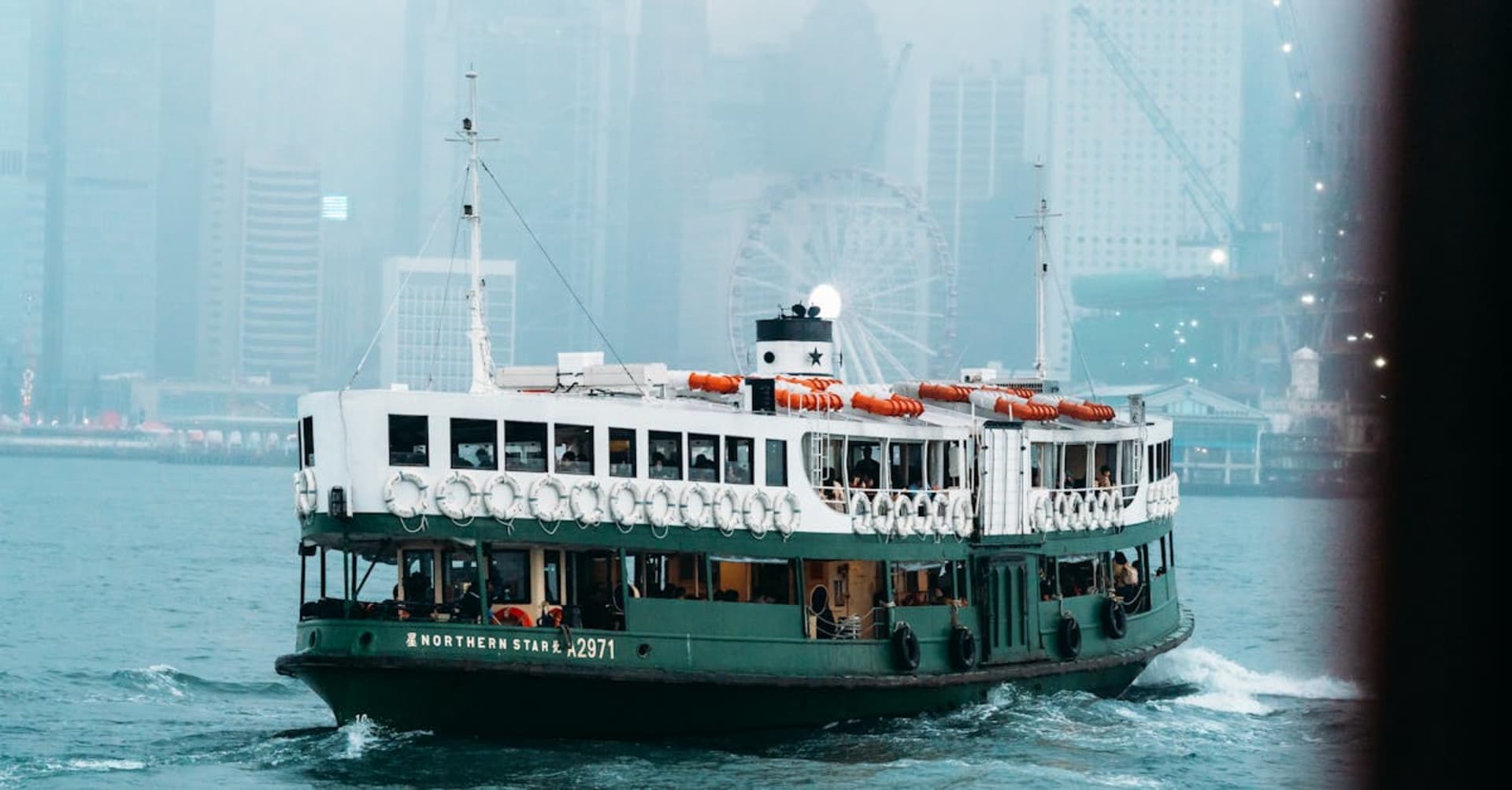
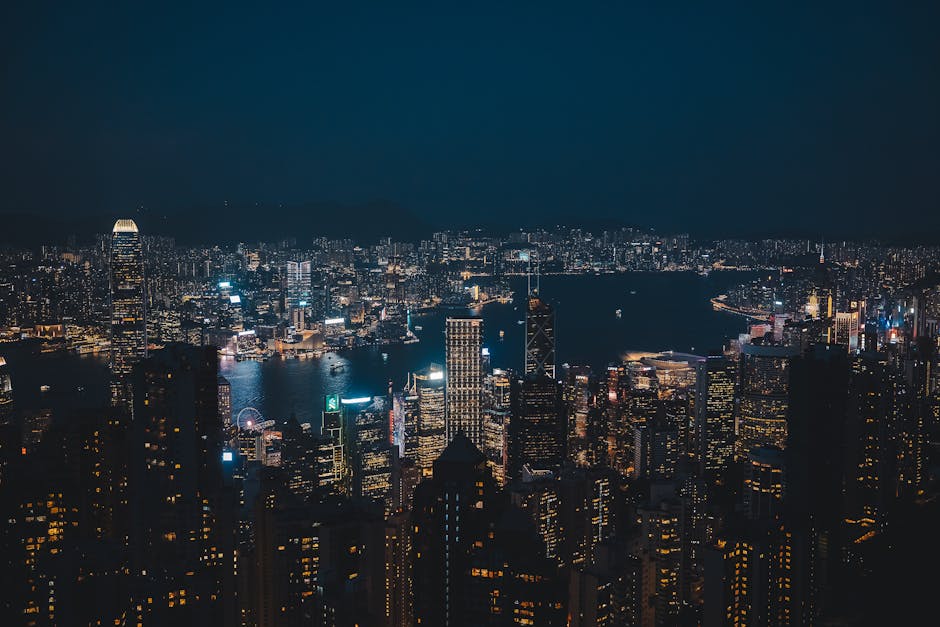
Hong Kong is a city that should not function and instead functions brilliantly. Seven million people occupy a territory of islands and peninsulas, building upward where they cannot build outward, creating a skyline so dense and vertical that standing on Victoria Peak at night feels like looking into a circuit board made of light. I took the Peak Tram up — the funicular railway that has been climbing the mountain since 1888 — and when I stepped onto the terrace and saw the city below, I understood why people describe Hong Kong in terms of electricity. It is not a metaphor. The city literally glows. The harbour, the towers, the highways, the ferries trailing light across the dark water — it is a city that has turned density into spectacle.
The Food
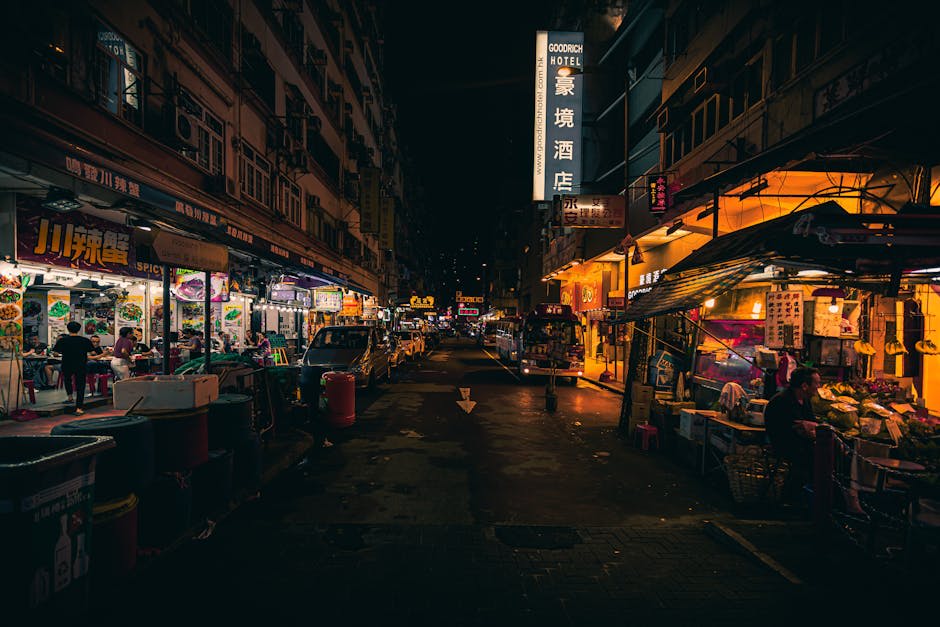
The food is the soul of the city. Dim sum at Tim Ho Wan, the cheapest Michelin-starred restaurant in the world, where the baked barbecue pork buns have a crust that shatters and a filling that makes you close your eyes involuntarily. Roast goose at Yat Lok, the skin lacquered and crackling, the meat juicy beneath, served on rice with a sweet plum sauce that ties everything together. Egg waffles from a street cart in Mong Kok, crispy on the outside, pillowy within, eaten walking through streets so packed with neon signs and people that the sensory input borders on overwhelming. The dai pai dong open-air food stalls that serve typhoon shelter crab — wok-fried with garlic, chilli, and black beans — and claypot rice under fluorescent lights. I ate six meals a day in Hong Kong. It was not enough. The city demands more of your stomach than any reasonable person can provide, and yet you try.
Beyond the Urban Core
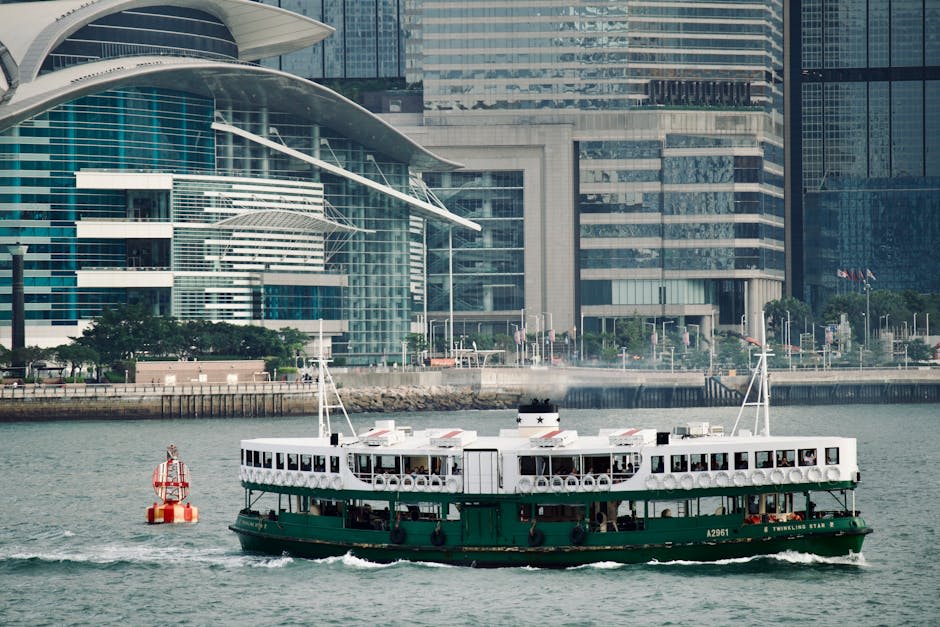
Beyond the urban core, Hong Kong surprises — and this is the part that most visitors miss entirely. Lantau Island offers Big Buddha and hiking trails through forests that feel impossibly remote for a city of seven million. The Dragon’s Back trail, on Hong Kong Island’s southeastern coast, delivers ocean views that rival any coastal walk in the world — turquoise water, empty beaches, and a ridgeline path that makes you forget you are twenty minutes by bus from Central. The outlying islands of Lamma and Cheung Chau feel like fishing villages that the megacity forgot to absorb — seafood restaurants on the waterfront, no cars, and a pace of life that contradicts everything you thought you knew about Hong Kong. The Star Ferry crossing from Kowloon to Hong Kong Island costs almost nothing and delivers views that would bankrupt a drone photographer. Take it at sunset. Take it at night. Take it again in the morning. It is never the same crossing twice.
When to go: October to December for clear, cool weather and the best visibility for skyline views. Spring is mild but hazy. Summers are hot, humid, and typhoon-prone. Chinese New Year (January or February) is festive but crowded.