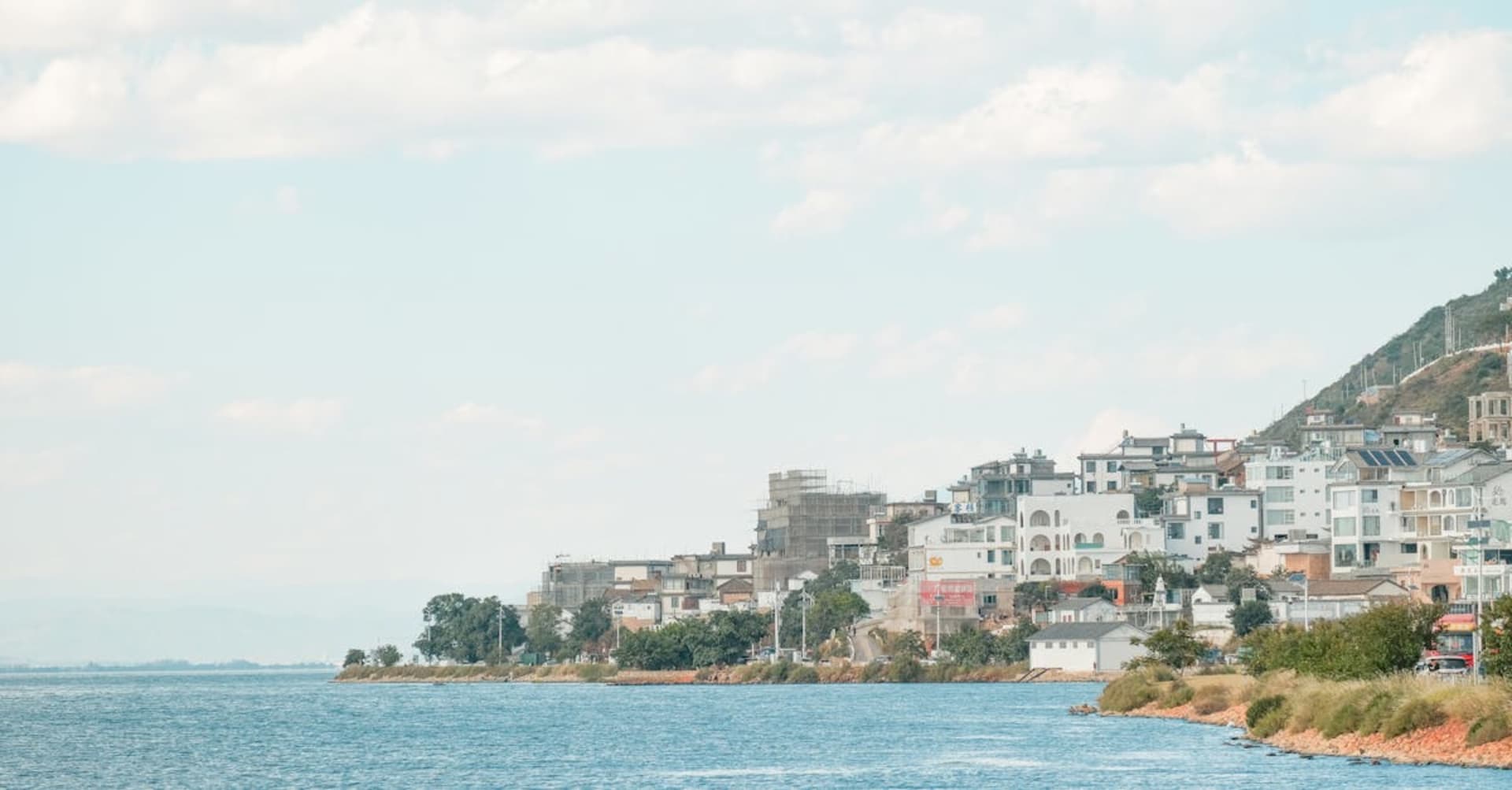
Yunnan is China at its most varied. The province sits in the far southwest, bordering Myanmar, Laos, and Vietnam, and the geography shifts from tropical jungle in the south to Tibetan plateau in the north with a speed that seems geologically irresponsible. I crossed the province over ten days, and each morning I woke up in what felt like a different country — the architecture changed, the food changed, the faces changed, even the altitude changed by thousands of metres. Yunnan is not a destination. It is a continent disguised as a province, and any attempt to see it quickly is an act of self-deception.
Lijiang
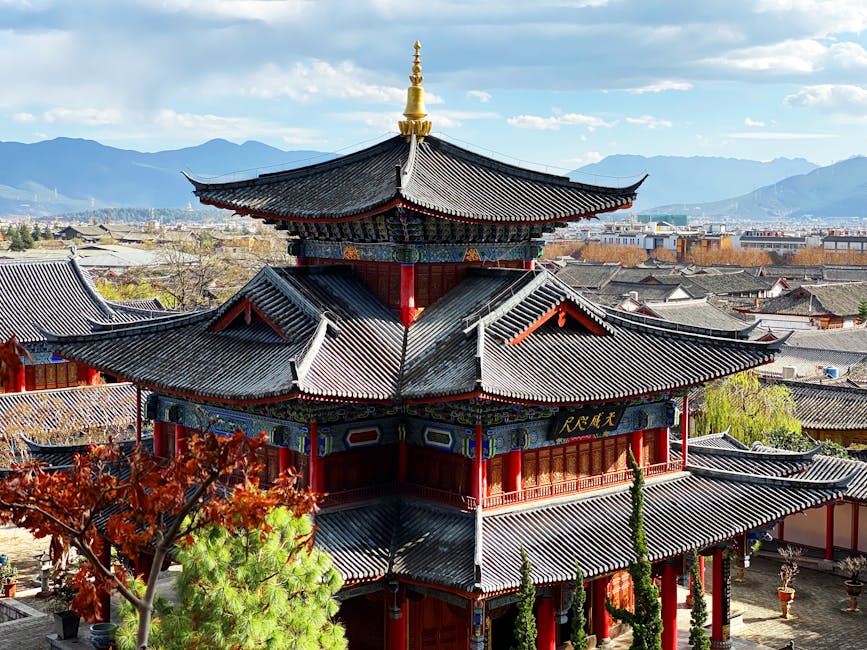
Lijiang, the old Naxi town, is a UNESCO-listed maze of canals, wooden bridges, and cobblestone lanes beneath the Jade Dragon Snow Mountain — touristy, yes, the kind of place where every other shop sells yak jerky and tie-dyed scarves, but undeniably beautiful, especially at dawn before the crowds arrive. I walked the lanes at six in the morning, when the only company was the canal water and the shopkeepers sweeping their doorsteps, and the town revealed something it hides during the day: a genuine, lived-in beauty that the souvenir stalls cannot quite smother. The Naxi culture — a matrilineal society with its own pictographic writing system, the only one still in use — is visible in the music performances, the architecture, and the old women who walk these streets like they own them, which historically they did.
Tiger Leaping Gorge
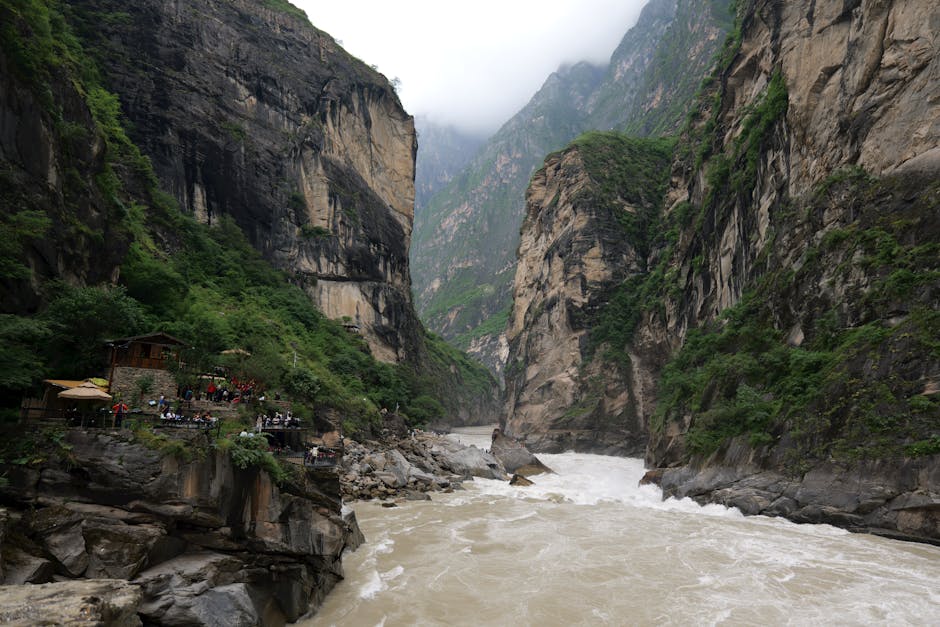
Tiger Leaping Gorge, between Lijiang and Shangri-La, is one of the deepest river gorges in the world and one of the great multi-day hikes in Asia. The trail runs along the upper rim of the gorge, with the Yangtze River — here called the Jinsha — roaring below and the snow peaks of Haba Mountain rising above, and the scale is the kind that photographs cannot convey. I hiked it in two days, staying at a guesthouse perched on the cliff edge where the owner served noodle soup and beer and the view from the terrace extended across the gorge to a wall of rock that rose four thousand metres from the river. The twenty-eight bends — the steepest section of the trail, a series of switchbacks that climb relentlessly through the midday heat — are the kind of challenge that makes the cold beer at the top feel like a legitimate achievement.
Dali and Shangri-La
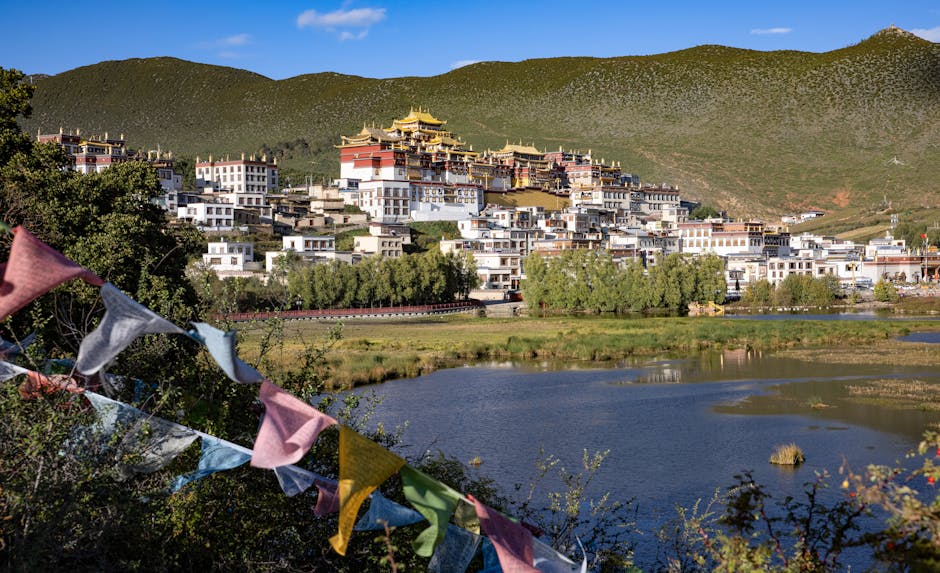
Dali, on Erhai Lake, has a quieter charm — the old town sits between the lake and the Cangshan mountains, with marble quarries, Bai minority villages, and a traveller scene that recalls an earlier era of Chinese backpacking. The morning market in the old town sells mushrooms, herbs, and Bai cheese that tastes like a cross between halloumi and mozzarella. Shangri-La pushes into Tibetan territory, with the vast Songzanlin Monastery and yak-butter tea replacing the green tea of the lowlands. The monastery, often called the Little Potala Palace, houses several hundred monks and sits on a hillside overlooking a plain so vast and empty it makes you understand why the Tibetans built their spirituality around space and silence. The air is thin up here — 3,200 metres — and the light has a clarity that makes colours look saturated, almost oversaturated, like a photograph that has been edited too enthusiastically by reality.
When to go: March to May and September to November for the best weather across the province. Summer is monsoon season. Winter is cold in the north but mild in the south — Kunming is called the Spring City for good reason.