
Shanghai
"The city that proves China is not catching up with the future -- it is building it."
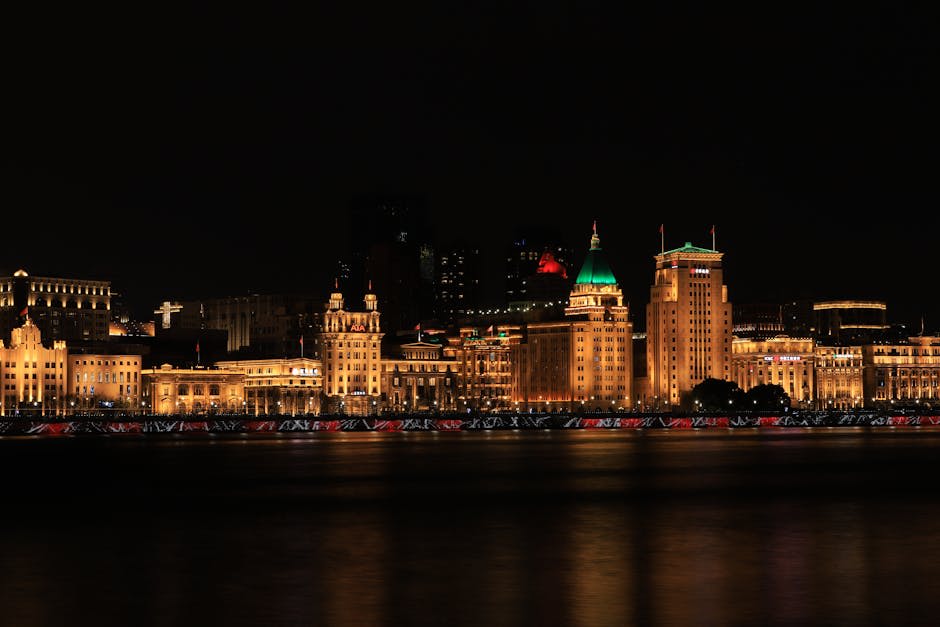
Shanghai is velocity made architectural. The Bund, the colonial waterfront along the Huangpu River, presents a wall of Art Deco and neoclassical facades that recall the city’s jazz-age past, while across the water, Pudong’s skyline — the Oriental Pearl Tower, the Shanghai Tower, the bottle-opener silhouette of the World Financial Centre — announces a future that has already arrived. Standing on the Bund at night, watching the two eras face each other across the dark water, is one of the great urban experiences in Asia. I stood there on my first evening in the city, the wind off the river cutting through my jacket, and a thought struck me that I have not been able to shake: this is what confidence looks like. Not the nervous, look-at-me confidence of cities that are trying to prove something, but the settled assurance of a place that knows it has already won.
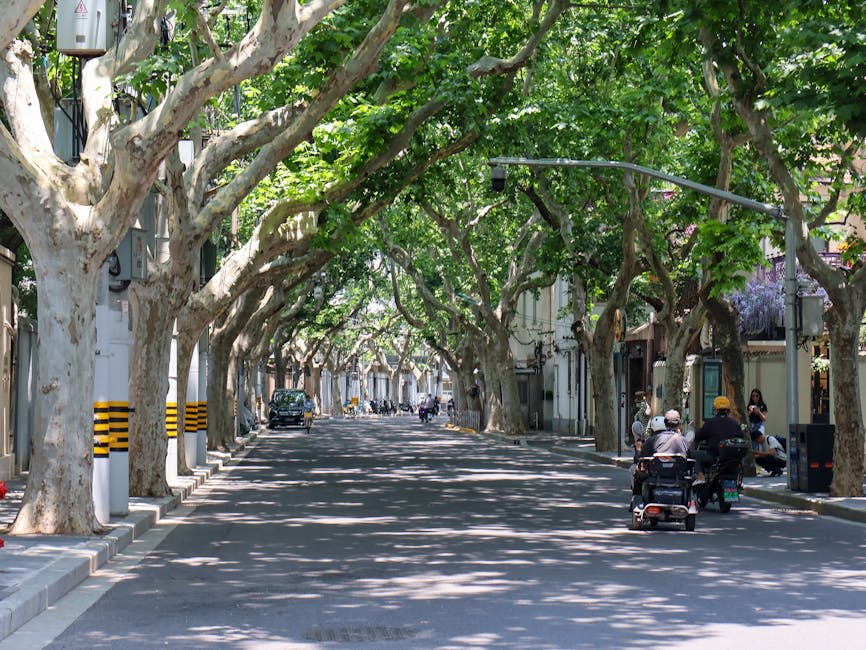
The French Concession
The French Concession is the neighbourhood for wandering — tree-lined avenues shaded by plane trees that the French planted a century ago, coffee shops in colonial villas where the baristas do pour-overs with the seriousness of laboratory technicians, boutiques selling Chinese designers whose work would hold its own in any Parisian arrondissement, and a brunch culture that could pass for Melbourne or Brooklyn but with better dumplings. I walked these blocks for hours, ducking into bookshops, sitting on benches in the tiny parks, eating scallion oil noodles at a counter where the only menu was the one dish they had been perfecting for forty years. There is something about the scale of these streets — the human scale, after the vertical assault of Pudong — that makes Shanghai feel intimate, almost tender.
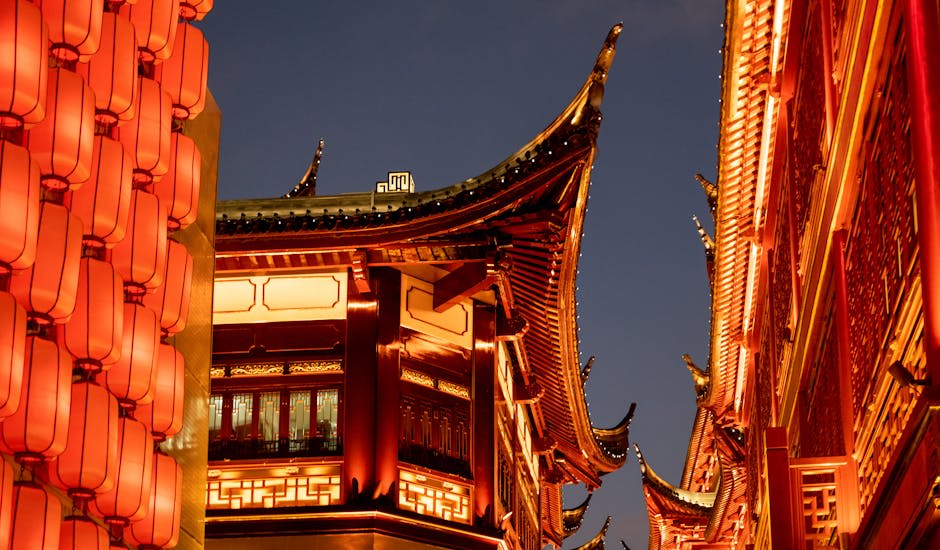
Yu Garden and the Food
Yu Garden in the old city offers classical Chinese garden design in miniature — rockeries, pavilions, koi ponds, and dragon walls packed into a space that feels infinite because every turn reveals a new perspective. The xiao long bao at Din Tai Fung or any of the specialist dumpling houses is a form of engineering — the soup inside the dumpling, the pleated skin that holds it, the vinegar dip, the careful bite that prevents scalding. I ate fourteen of them at a place near Yu Garden whose name I cannot remember but whose dumplings I will never forget. And the speed of the city, the sense that everything is being torn down and rebuilt simultaneously, is either thrilling or exhausting depending on how much sleep you got. I found it thrilling. But then, I had slept.
When to go: October to November for mild autumn weather and clear skies. March to May is pleasant. Summers are extremely hot and humid; winters are damp and grey.