
Great Wall
"You read about the scale, you see the photographs, and then you stand on it -- and nothing has prepared you."
The Great Wall is one of those rare human achievements where the reality makes the superlatives feel inadequate. It is not one wall but many, built over two thousand years by successive dynasties, stretching across mountains, deserts, and grasslands for over 20,000 kilometres. The sections near Beijing are the most accessible, and the choice of which to visit determines your experience entirely — the difference between a touristy stroll and a profound encounter with human ambition at its most stubborn. I visited three sections over four days, and each one felt like a different wall, a different century, a different conversation with the landscape.
Badaling and Mutianyu
Badaling is the most visited — restored, wheelchair-accessible, and crowded enough to make solitude impossible. It is the wall as theme park, and while the views are fine, the experience is dominated by the other visitors and the souvenir stalls at the base. Mutianyu is the better option for most visitors: restored but quieter, with twenty-three watchtowers along a ridgeline, a cable car up, and a toboggan ride down that is more fun than it has any right to be. I took the toboggan at speed, banking through the curves with the wall above me and the valley below, and laughed out loud — it is the single most undignified way to descend a UNESCO World Heritage Site, and I recommend it unreservedly.
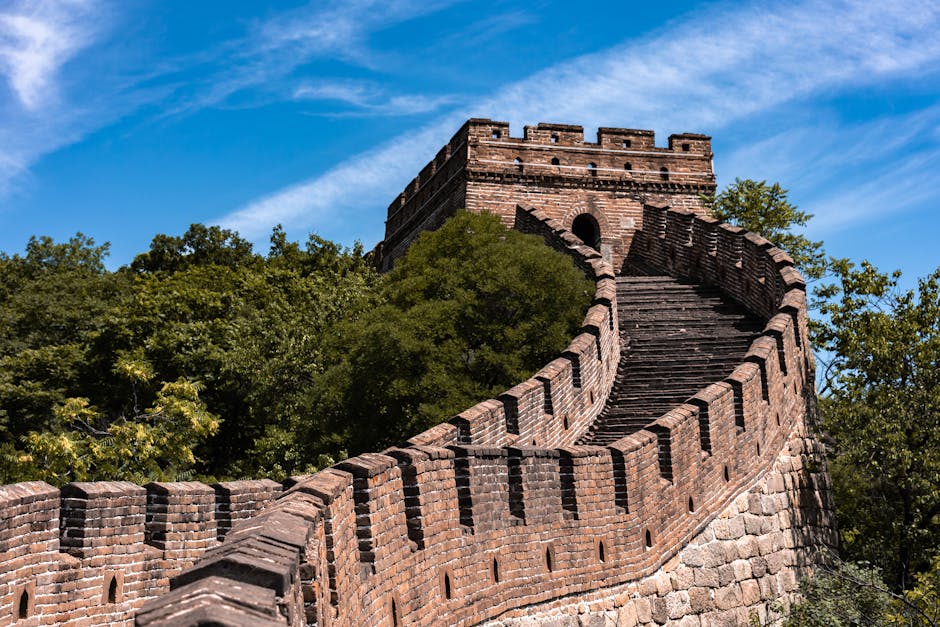
Jinshanling — The Wild Wall
But the real magic is at the wilder sections. Jinshanling, a two-hour drive from Beijing, offers partially restored wall with crumbling watchtowers, empty stretches, and views that extend to the horizon in every direction. The hike from Jinshanling to Simatai is one of the great walks in China — five hours along the ridgeline, with the wall rising and falling over the peaks like a stone dragon that fell asleep and forgot to wake up. I walked it in October, when the trees on either side of the wall had turned orange and red, and the wall threaded through the colour like a grey spine holding the landscape together. Some watchtowers are intact enough to enter; others have lost their roofs and stand open to the sky, their arrow slits framing views that the soldiers who once stood guard here would recognize instantly. The wall is crumbling in places, and the steps are uneven, and the solitude is almost total. It is magnificent.
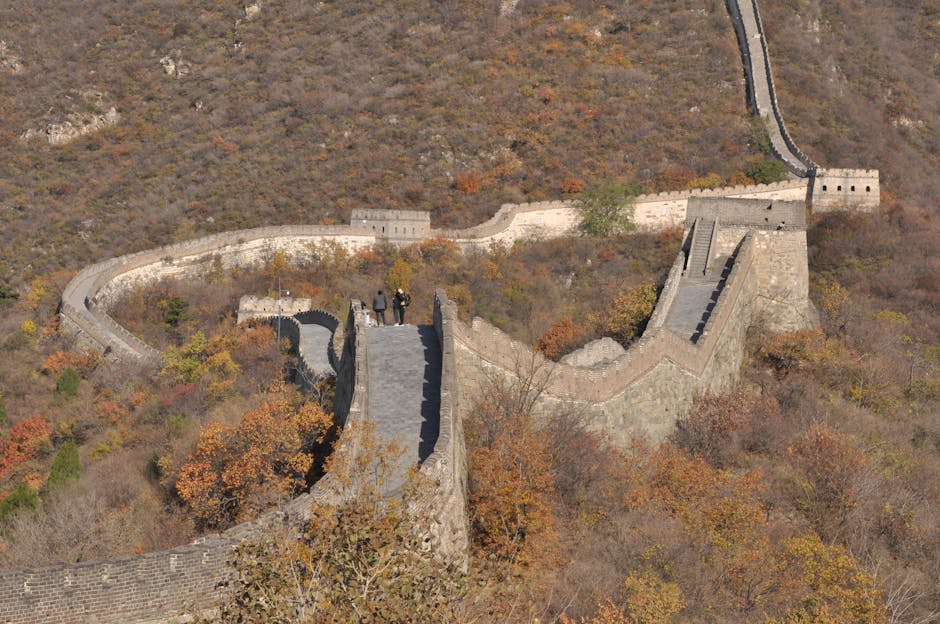
Understanding the Wall
What strikes you, walking these sections, is the sheer improbability of the enterprise. The wall follows the ridgeline precisely, which means the builders had to carry every stone up mountains that modern hikers find exhausting to climb unladen. The watchtowers are placed at intervals calculated for signal fire visibility — one tower lights a fire, the next sees it and lights its own, and within hours a message can travel from the frontier to the capital. The wall was not, as popular myth suggests, built to keep everyone out. It was a military communication system, a customs checkpoint, a regulated border — more like a highway than a barricade. Understanding this changes how you see it. It is not a feat of paranoia. It is a feat of administration. And standing on it, watching it snake over the mountains in both directions until it disappears into the haze, you understand something about the civilization that built it: this is a culture that thinks in centuries, in thousands of kilometres, in scales that most nations cannot even imagine.
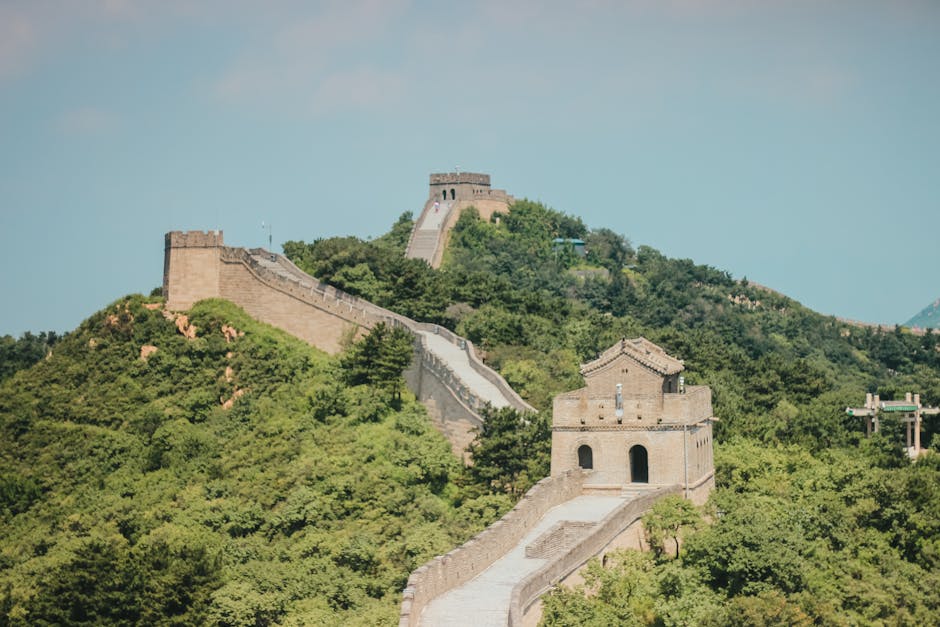
When to go: April to May and September to November for clear skies and comfortable hiking temperatures. Autumn foliage at Mutianyu and Jinshanling is spectacular. Summer is hot and hazy; winter is cold but dramatic under snow.