Hangzhou
"Marco Polo called it the finest city in the world -- and the lake has not changed since."
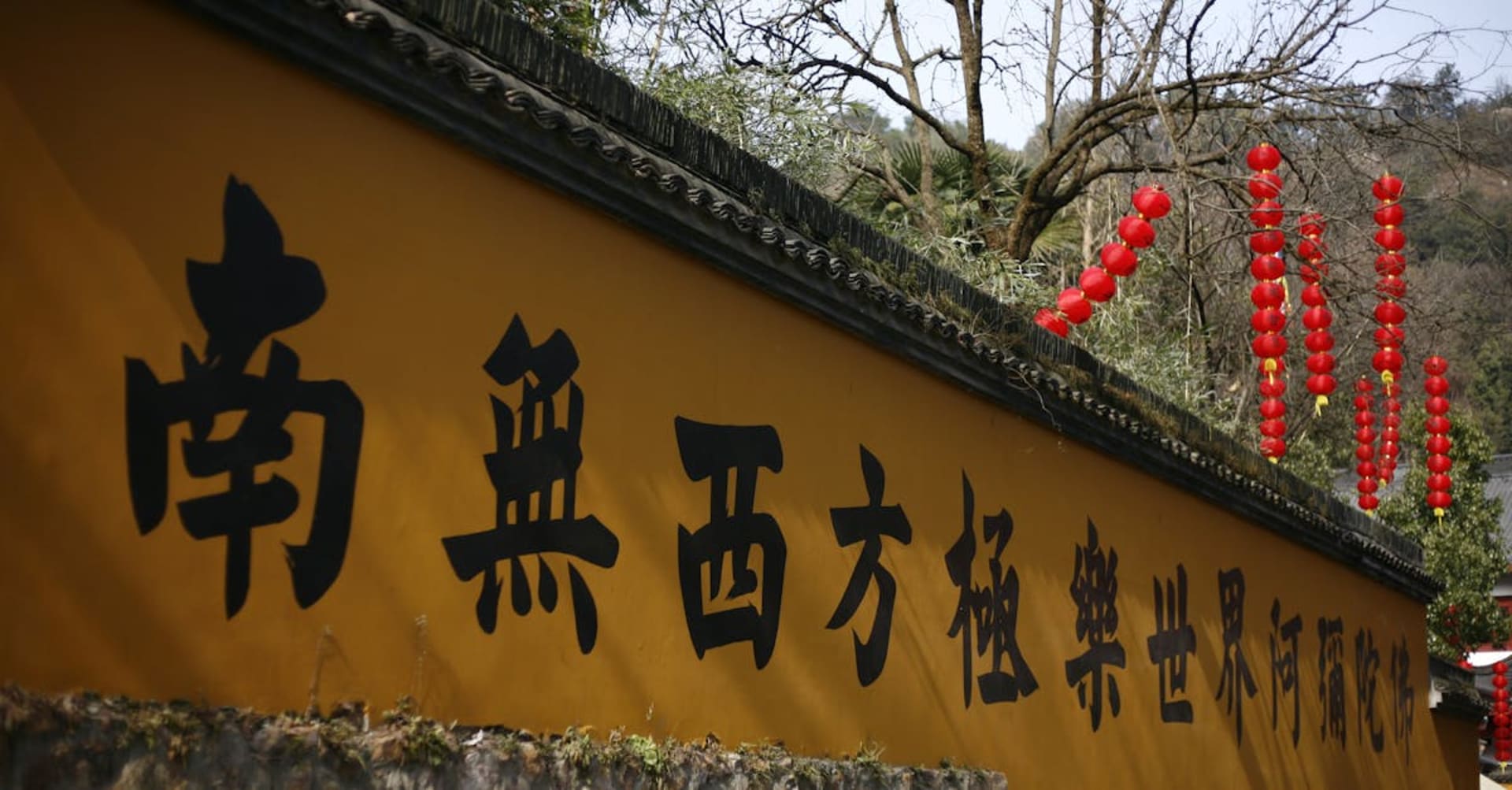
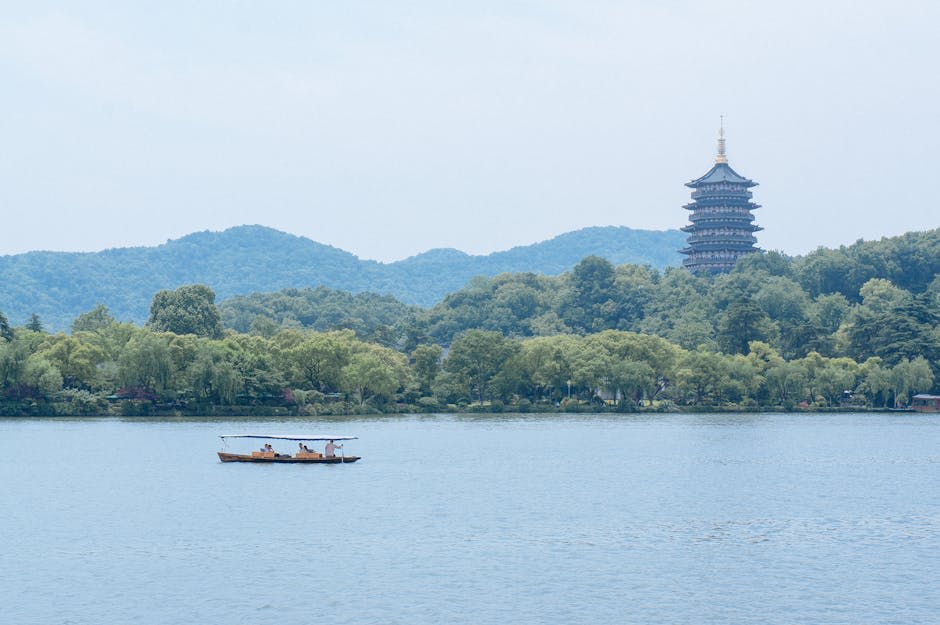
Hangzhou is the city Chinese poets wrote about when they wanted to describe paradise, and West Lake is the reason. The lake sits at the centre of the city, surrounded by pagodas, temples, causeways, and gardens that have been deliberately maintained for over a millennium to look exactly like a classical Chinese painting. Walking the Su Causeway at dawn, with mist on the water and the Leifeng Pagoda rising from the southern shore, is an experience that feels curated by centuries of aesthetic ambition — and it is. This is a landscape that has been gardened, pruned, and perfected by a thousand years of human attention, and the result is a beauty so refined it borders on the unreal. I walked the causeway at six in the morning, the willows trailing in the water, a heron standing motionless in the shallows, and I thought: this is what it looks like when a civilization decides that a lake is worth a millennium of effort.
Longjing Tea
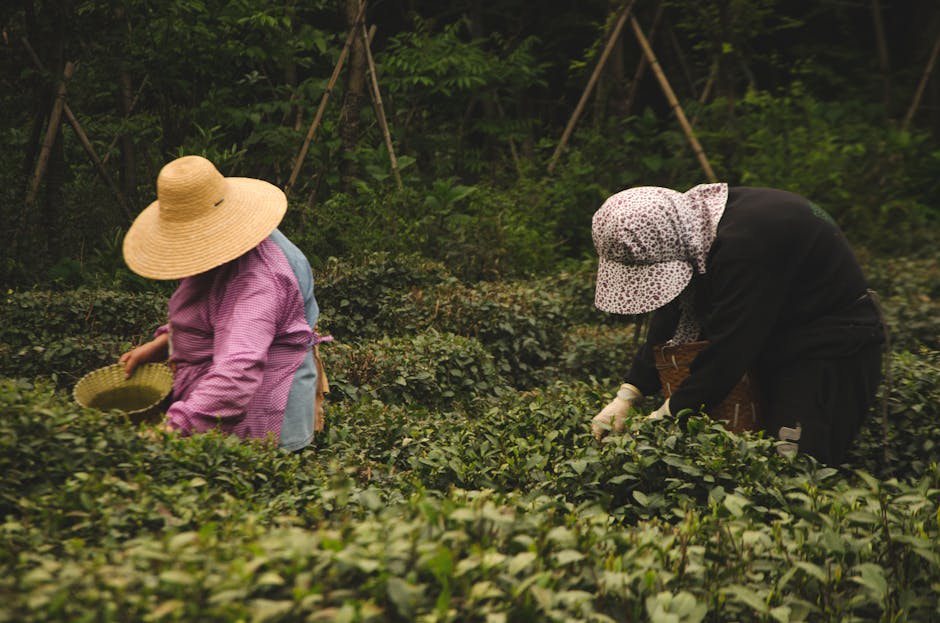
The Longjing tea villages in the hills west of the lake produce the most famous green tea in China, and visiting during the spring harvest — watching leaves being hand-roasted in iron woks by farmers whose families have grown tea on these hillsides for generations — is both a sensory and cultural education. The tea is flat-leafed, jade-green, and tastes of chestnuts and spring grass, and drinking it in the village where it was picked that morning, sitting at a wooden table under a canopy of tea bushes with the city invisible below, is one of those quiet travel moments that stays with you longer than any monument. I bought a tin from an old man who insisted on brewing me three cups before allowing me to pay, each steeping lighter than the last, the flavour shifting from vegetal to sweet to something I can only describe as the taste of patience.
Lingyin Temple and the City
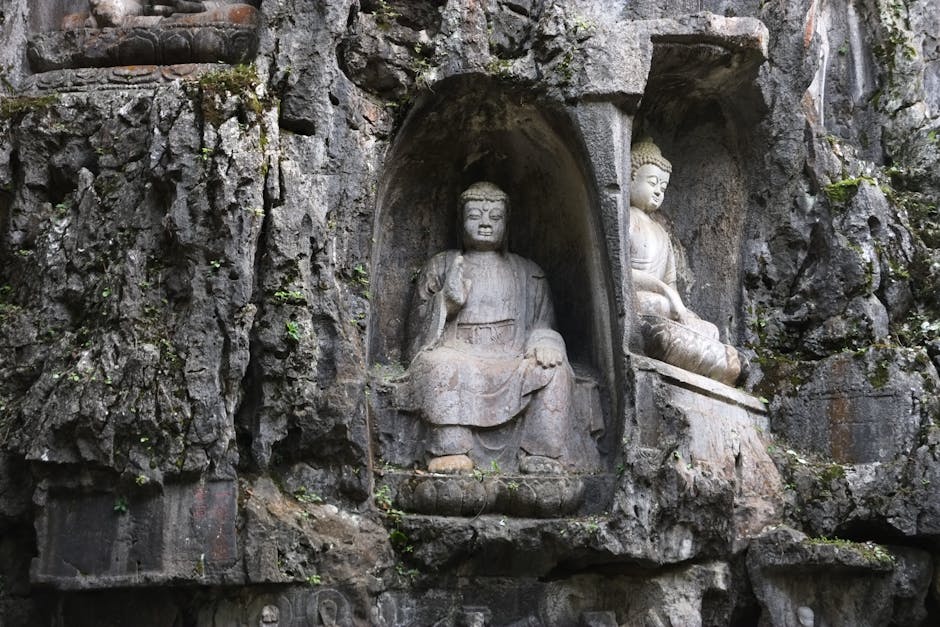
Lingyin Temple, one of the largest Buddhist temples in China, is carved into a hillside of grottoes and stone sculptures. The Feilai Feng cliff face is covered with over three hundred Buddhist carvings dating from the tenth to the fourteenth century — Buddhas, bodhisattvas, and attendants carved directly into the rock with a detail that survives despite centuries of weather. Inside the temple, the Hall of the Great Hero contains a twenty-metre gilded camphorwood statue of Sakyamuni that took two years to carve and that radiates a presence — whether sacred or simply massive — that silences even tour groups mid-selfie. The city itself is modern, prosperous, and walkable, with a food scene built on the delicate Zhejiang cuisine — West Lake fish in vinegar sauce, Dongpo pork braised until it collapses under the weight of its own richness, and lotus root dishes that make the lake feel like both landscape and larder.
When to go: March to May for spring blossoms and tea harvest, or September to November for autumn colour. Summer is hot and humid. Winter is cold but the bare willows and mist give West Lake a melancholy beauty.