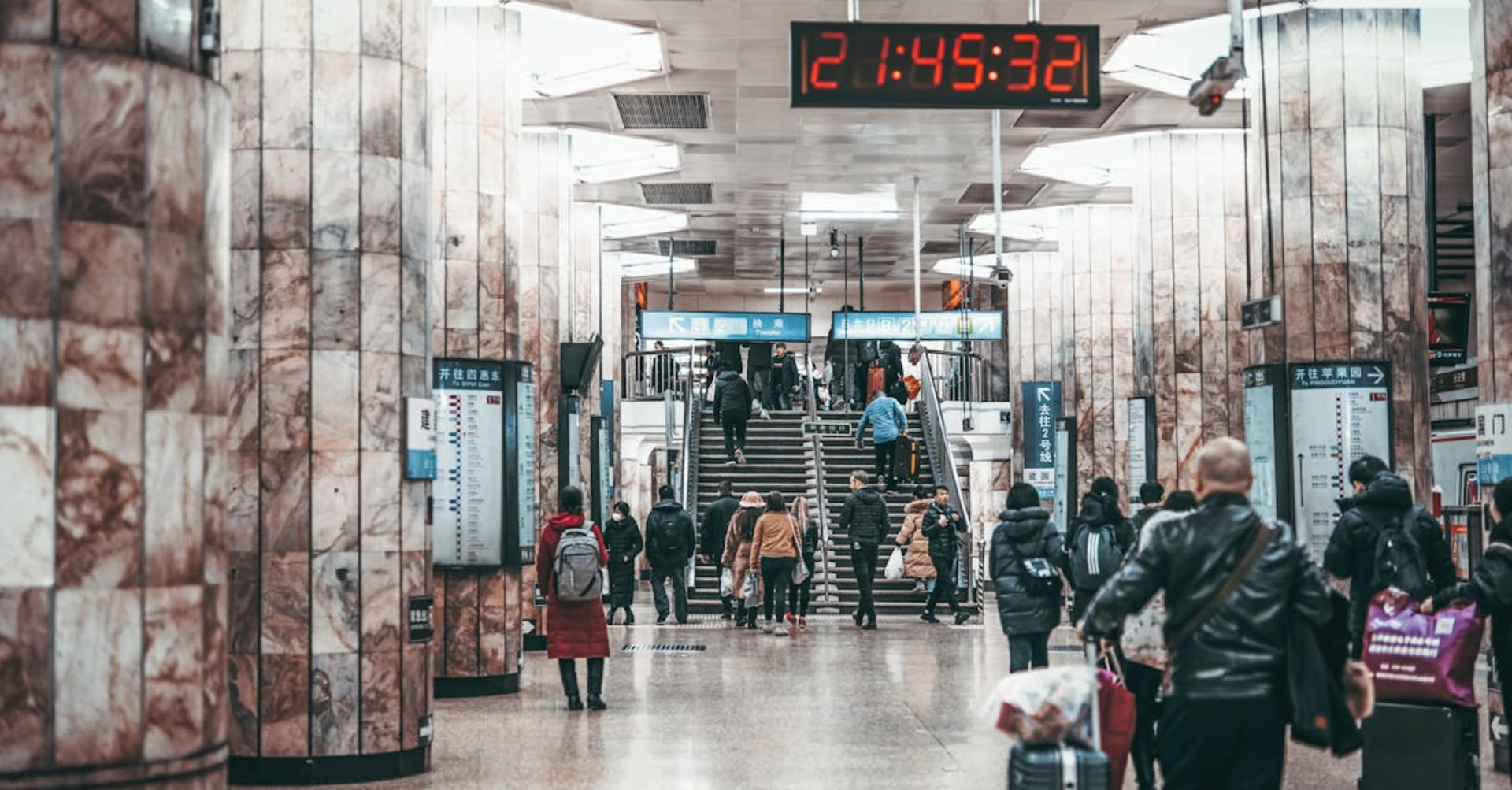
Beijing
"A city that has been the centre of power for six centuries -- and still carries the weight."
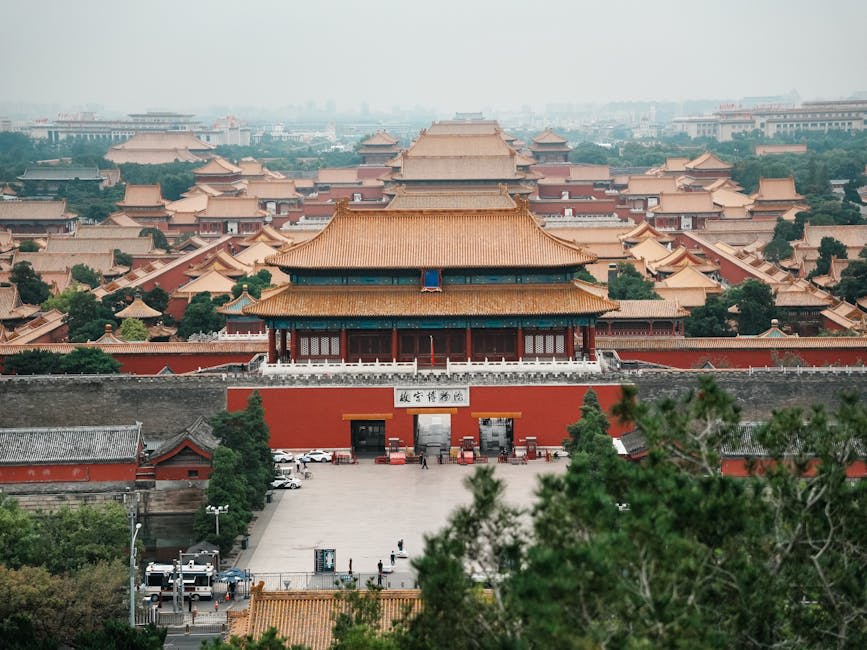
Beijing is a city that demands you recalibrate your sense of scale. The Forbidden City is not a building but a city within a city — 980 buildings, 8,700 rooms, and a central axis that runs from the southern gate to the northern garden with a symmetry so deliberate it feels like the entire compound is holding its breath. Tiananmen Square, adjacent, is the largest public square on earth, and standing in it produces a feeling that is part awe, part unease, and entirely Beijing. I remember walking through the Meridian Gate for the first time, emerging into that first vast courtyard, and realizing that the photographs had lied — not about what it looked like, but about how it felt. The scale is not impressive in the way a skyscraper is impressive. It is impressive in the way a mountain is impressive: it makes you feel small, and it means to.
The Hutongs
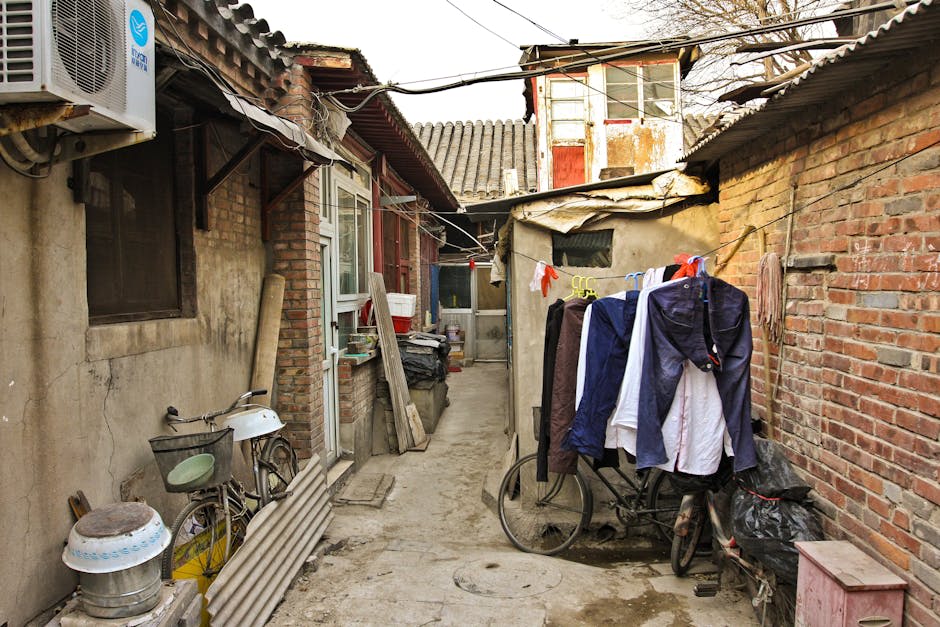
The hutongs — the traditional alleyway neighbourhoods — are where the city breathes. Nanluoguxiang is the tourist-friendly version, all craft beer bars and souvenir shops, but wander into the lanes around Gulou and you find courtyard homes with red doors, bicycle repair shops run by men who have been fixing the same brand of bicycle since the 1980s, and dumpling restaurants where the menu is whatever the grandmother made that morning. I spent an afternoon getting lost in the hutongs east of the Drum Tower, turning corners at random, and every lane revealed something — a cat sleeping on a windowsill, a game of Chinese chess played on an upturned crate, laundry strung between trees that were old when the Republic was young. This is the Beijing that the skyscrapers and ring roads try to erase but cannot quite manage.
The Temple of Heaven and Beyond
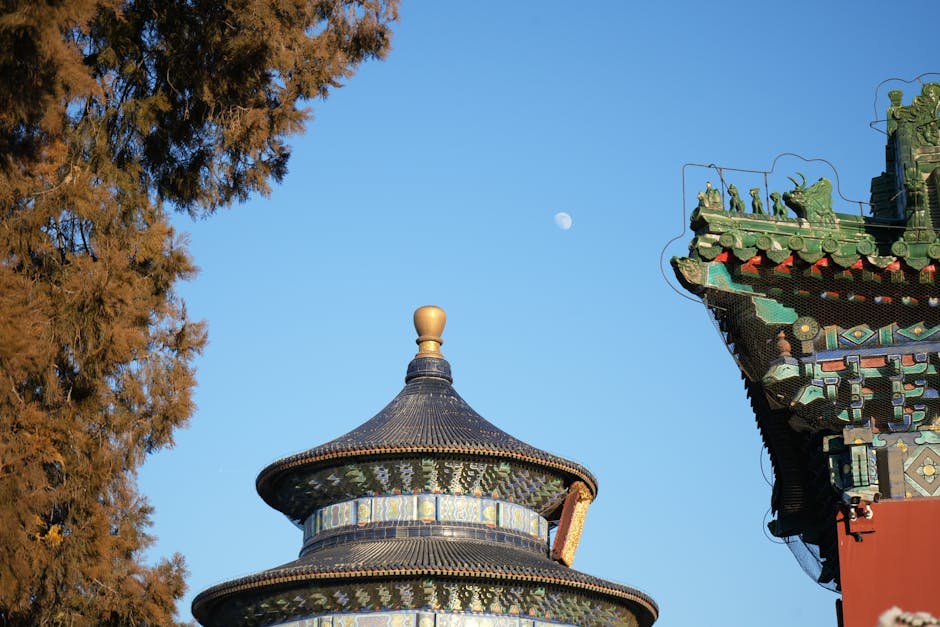
The Temple of Heaven is a masterpiece of Ming architecture set in a park where elderly residents practise tai chi, play cards, and sing opera every morning — the building itself is sacred, but the park is where Beijing’s soul gathers. The Summer Palace, northwest of the city, offers Kunming Lake and the Long Corridor’s painted ceilings. And the food — Peking duck at Dadong where the skin shatters like glass, jianbing from a street cart at seven in the morning when the city is still waking, Sichuan-style hotpot in Haidian where the university students gather — is a cuisine that rewards exploration with relentless generosity. Beijing is not a city that reveals itself quickly. It is a city that reveals itself in layers, and the deeper you go, the more you understand why it has been the centre of everything for six hundred years.
When to go: September to October for clear autumn skies and comfortable temperatures. Spring (April to May) is pleasant but dusty. Winters are cold and dry; summers are hot, humid, and often hazy.