
Chengdu
"The city that proves spicy food, slow living, and giant pandas are the formula for happiness."
Chengdu is the city Chinese people name when asked where they would most like to live, and spending time here makes the answer obvious. The pace is slower than Beijing or Shanghai, the tea houses are full at all hours with people who appear to have no intention of being anywhere else, and the food — Sichuan cuisine, built on chilli and the numbing tingle of Sichuan peppercorn — is the most addictive regional cooking in China. I have eaten in thirty countries, and Sichuan food is the only cuisine that has made me consider restructuring my life around proximity to it. That numbing sensation — ma la, they call it, “numbing spicy” — is not pain. It is a frequency. It rewires your palate and then asks, politely but firmly, if you would like more.
The Pandas
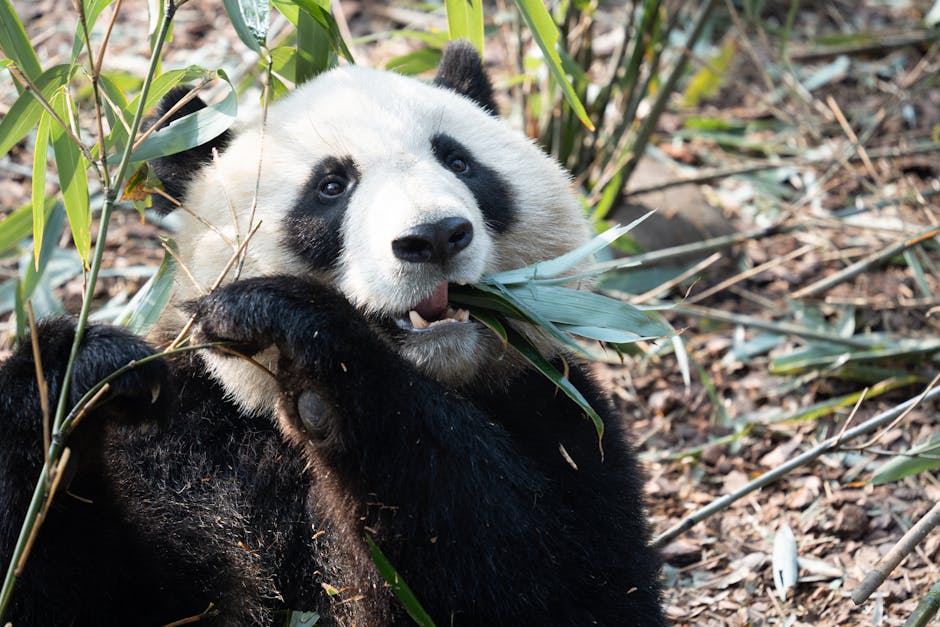
The Giant Panda Breeding Research Base is the star attraction and earns its fame — watching a panda cub tumble off a log while chewing bamboo is an experience that makes cynicism temporarily impossible. Arrive early, before eight in the morning, when the pandas are fed and active and the tour groups have not yet arrived. The red pandas, smaller and less famous, are equally charming and far less photographed. I spent three hours at the base, which is three hours longer than I expected to spend at what I assumed would be a glorified zoo. It is not. The conservation work is serious, the habitats are spacious, and the pandas themselves are so absurdly, defiantly cute that you leave feeling like the world might be okay after all.
Hotpot and the Food Scene
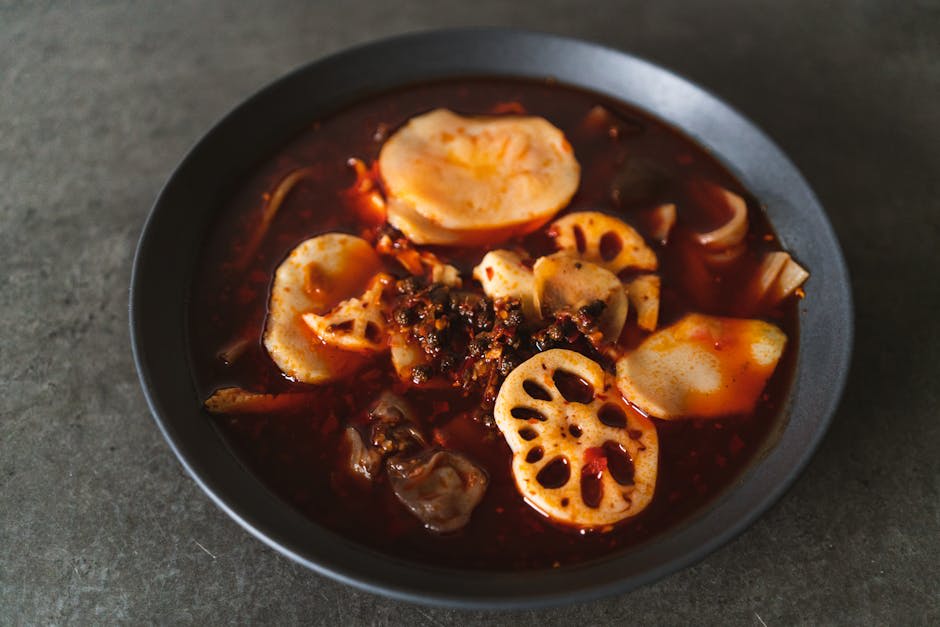
Hotpot here is a ritual: a bubbling cauldron of crimson oil, tripe, lotus root, and thinly sliced beef, shared with friends over two hours and several beers. The trick is the dual-sided pot — one half nuclear red, the other a gentle mushroom broth for those who need a break from the heat. You cook your own ingredients, timing each piece with the precision of someone defusing a bomb, and the dipping sauce — sesame oil, garlic, cilantro, oyster sauce — is a personal composition that you adjust throughout the meal. Every Chengdu local has opinions about where to eat hotpot, and every one of them is correct. The mapo tofu here, the original, is nothing like the pallid version served outside Sichuan — it is a trembling block of silk in a sauce that glows with chilli oil, and the first bite rearranges your understanding of what tofu can be.
Tea Houses and Beyond
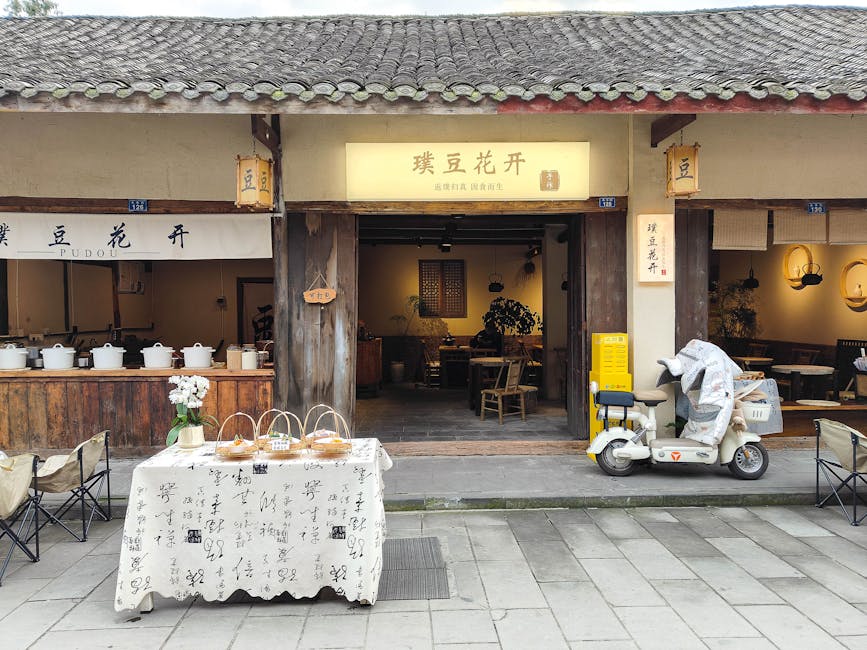
The old town around Jinli Street and Wenshu Monastery offers traditional architecture, street snacks, and a Sichuan opera performance where the face-changing act — bian lian, masks swapped in the blink of an eye through a technique that remains a state secret — is genuinely baffling. But the real Chengdu is in the tea houses: the People’s Park tea house, where couples play mahjong and ear-cleaners offer their improbable services, is the closest thing to understanding what the city values. Time. Company. A bottomless cup of jasmine tea. And Chengdu is the gateway to western Sichuan — the Tibetan plateau, Mount Emei with its sacred Buddhist temples, and the surreal blue lakes of Jiuzhaigou Valley are all within reach.
When to go: March to June and September to November for mild weather. Summers are hot and humid. Winters are grey and damp but the hotpot tastes even better when it is cold outside.