Xi'an
"Eight thousand soldiers made of clay, each with a different face -- and not one of them has blinked in two millennia."
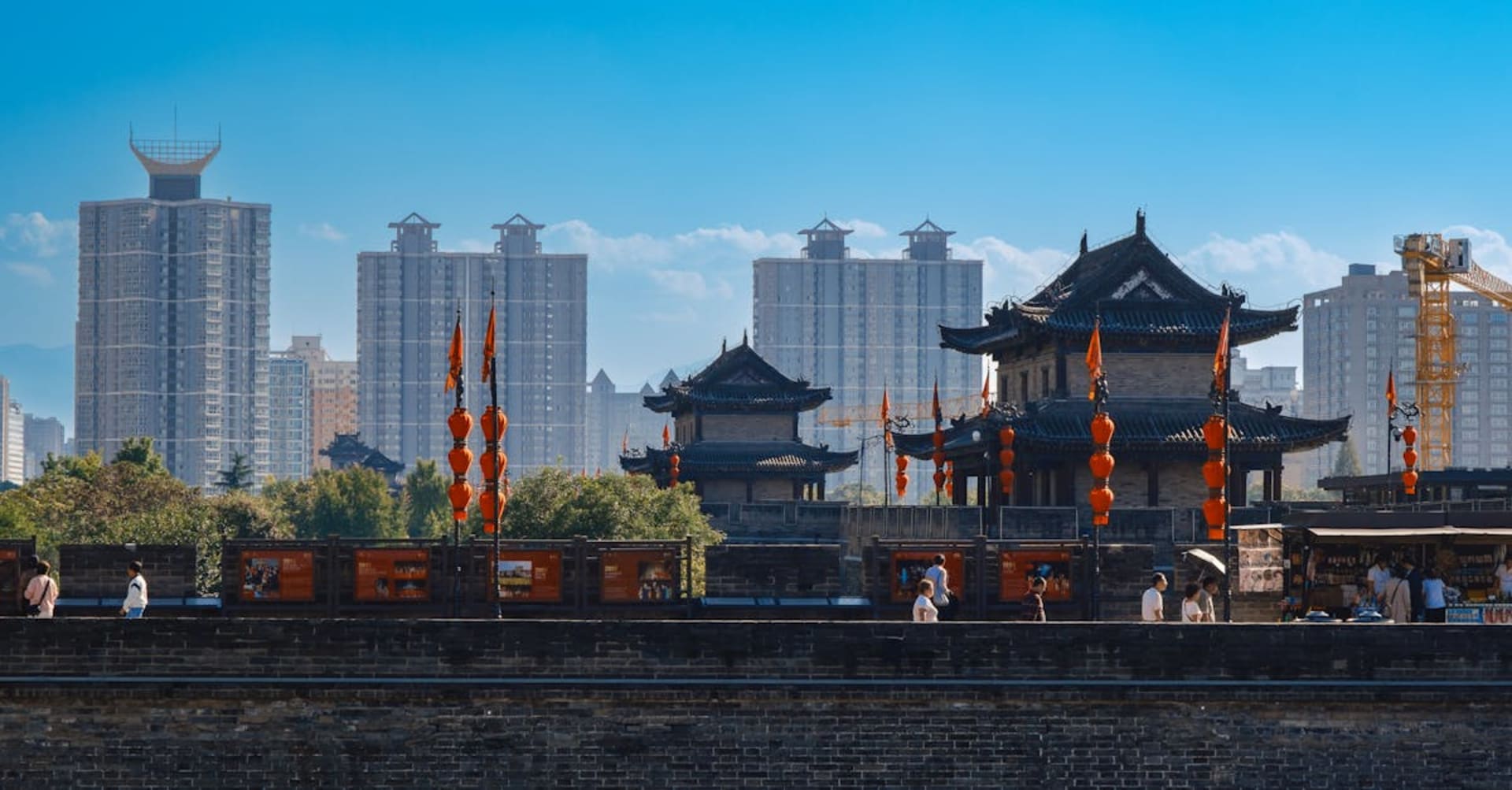
Xi’an was the capital of China for over a thousand years and the starting point of the Silk Road, and that weight of history is visible everywhere — in the intact city walls you can cycle around, in the Bell and Drum Towers that anchor the centre, and in the Wild Goose Pagoda that has been standing since the Tang Dynasty. But the main event is forty minutes east of the city, buried in the earth beside a mountain, and it is one of those experiences that earns every superlative you throw at it.
The Terracotta Warriors
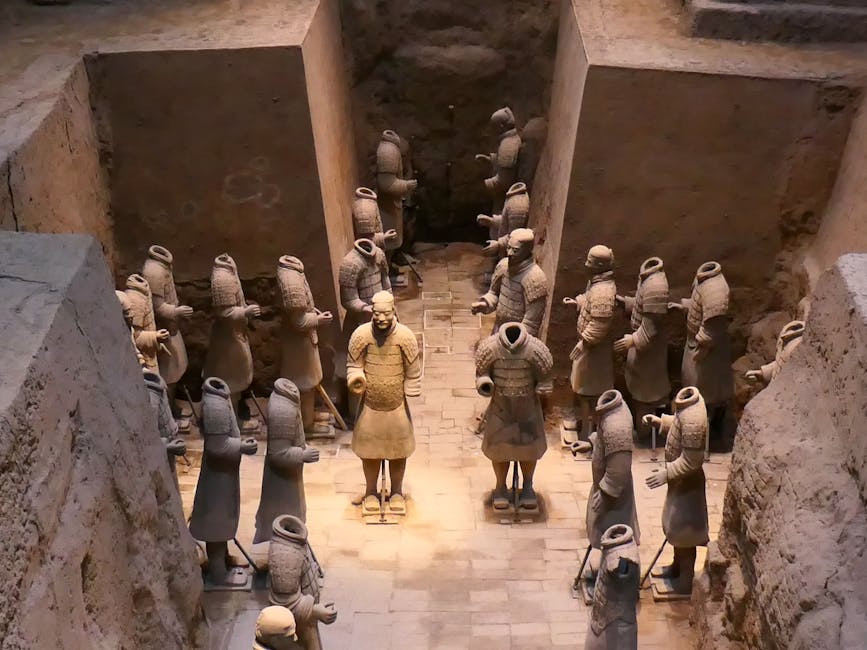
The Terracotta Warriors are one of those rare archaeological wonders that exceed expectations. Three pits containing over eight thousand life-sized soldiers, each individually crafted with unique facial features, stand in battle formation guarding the tomb of Emperor Qin Shi Huang. The scale is staggering. Pit One alone is the size of an aircraft hangar, and the ranks of soldiers stretching into the distance produce a silence in visitors that I have only seen at a handful of places in the world — that particular hush that falls when the human mind encounters something it cannot fully process. I stood at the railing for forty minutes, scanning the faces, and each one was different — different expressions, different hairstyles, different armour. Someone made each of these, individually, 2,200 years ago. The labor alone is an act of devotion — or madness — that defies modern comprehension.
The Muslim Quarter
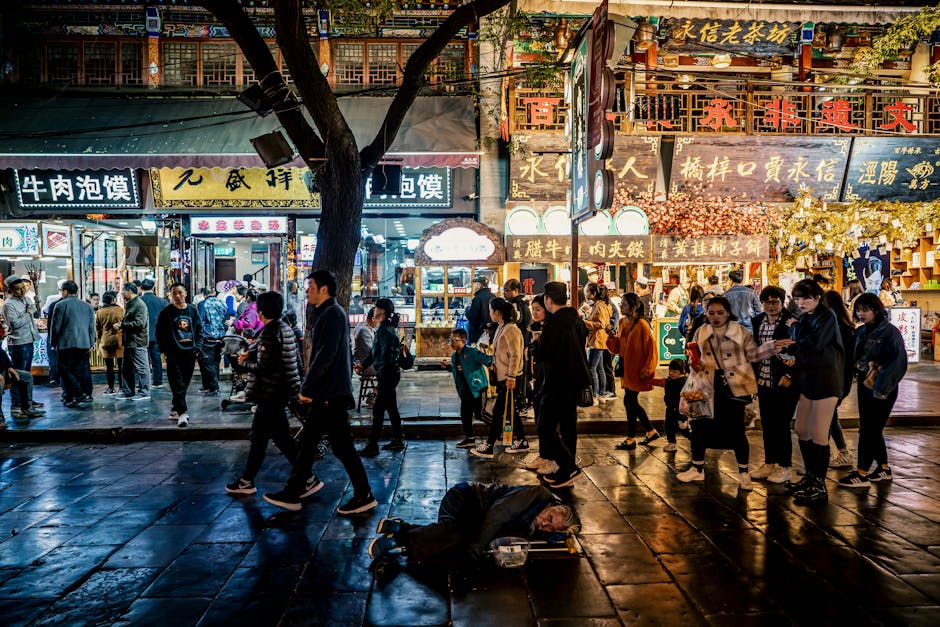
The Muslim Quarter, back in the city centre, is the other essential experience — a labyrinth of food stalls serving lamb skewers sizzling over charcoal, roujiamo (Chinese hamburgers, the bread crisp, the cumin-spiced meat falling apart) and biangbiang noodles hand-pulled to order in a theatre of flour and skill. The character for “biang” is so complex — fifty-eight strokes — that it does not exist in any standard Chinese dictionary, which tells you everything about the dish’s relationship to convention. I ate my way through the quarter over two evenings, following the smoke and the crowds, and every stall seemed to be someone’s life’s work. The Great Mosque of Xi’an, hidden behind the food stalls, is one of the oldest in China and blends Islamic and Chinese architecture in a way that reminds you this city was once the most cosmopolitan on earth.
The City Walls
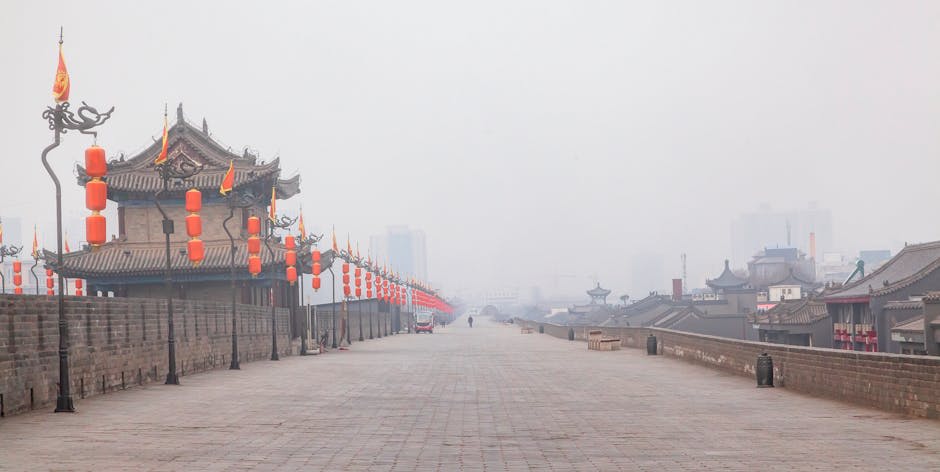
The city walls are the best-preserved in China — fourteen kilometres of Ming-dynasty ramparts wide enough to cycle along, which is exactly what you should do. Renting a bicycle on the wall at sunset and riding the full circuit as the city lights up below you is one of those simple, perfect travel experiences that no amount of planning can improve. The wall is wide enough to forget you are on a wall — it feels more like an elevated boulevard, with guard towers at intervals and views over both the ancient centre and the modern city beyond. I completed the circuit as the sky turned orange, and the Bell Tower, lit from below, looked exactly as it must have looked to Silk Road traders arriving after months of desert.
When to go: April to May and September to October for mild weather. Summers are very hot; winters are cold but less crowded. The Terracotta Warriors are an indoor attraction and work in any season.