Americas
Canada
"Canada is what happens when a country decides wilderness is non-negotiable."
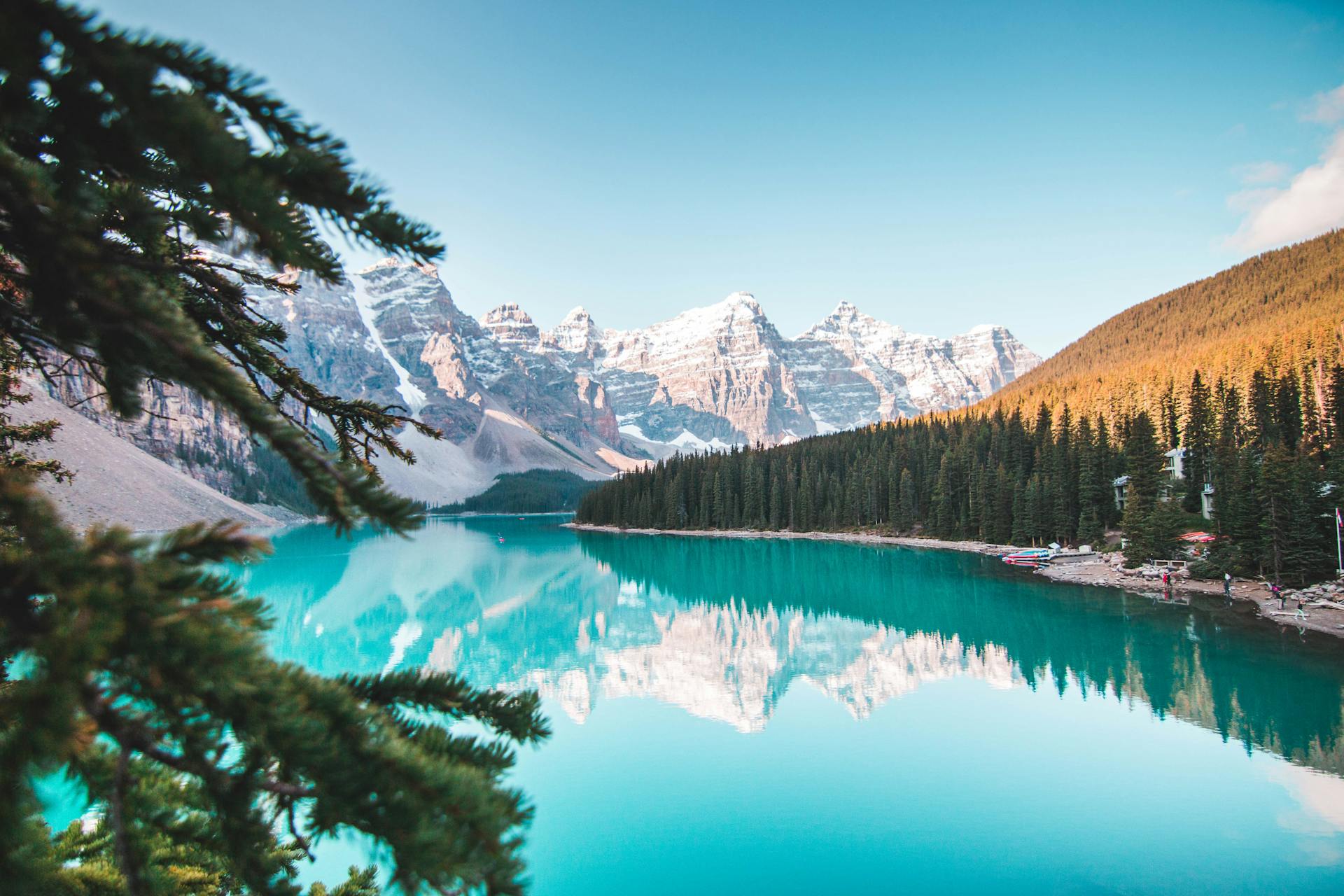
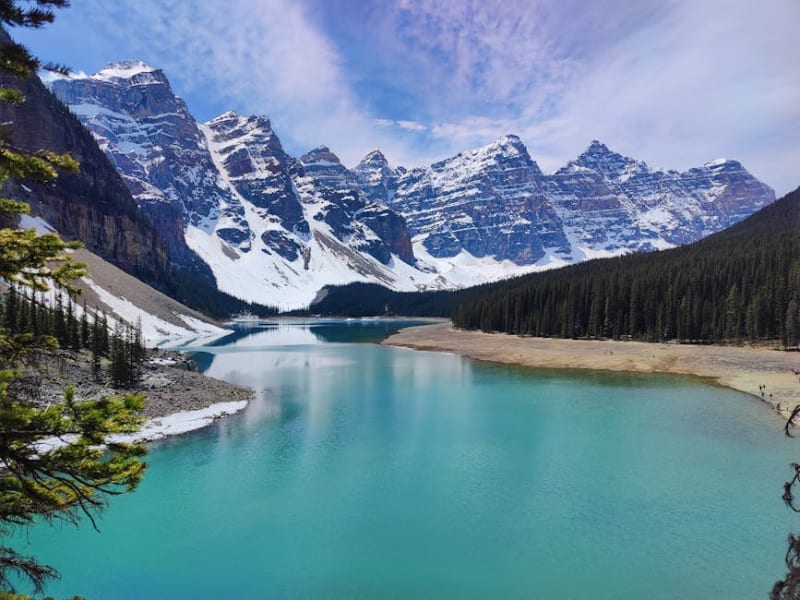
Canada is the country that quietly does everything well and rarely gets the credit. The Rockies are the obvious draw — and they should be, because nothing prepares you for the colour of Lake Louise, a shade of glacial turquoise that looks like a rendering error in an otherwise realistic simulation. But the Rockies are only one chapter. The maritime provinces — Nova Scotia, New Brunswick, Prince Edward Island — offer a completely different register: fishing villages perched on granite coastlines, lobster pulled from the Atlantic that morning, fog rolling in like something out of a novel you read too young.
The cities are more interesting than their reputation suggests. Montréal is the most European city in North America, and I mean that as a genuine compliment — the food scene rivals cities twice its size, the cultural life is bilingual and boundary-crossing, and the summer festival season is relentless in the best possible way. Vancouver is staggeringly beautiful, a glass city pressed between mountains and ocean. Toronto has become one of the great food cities of the world, driven by an immigrant culture that treats diversity as a culinary resource rather than a talking point.
The wilderness, though, is what stays with you. This is the second-largest country on earth, and most of it is empty in a way that urban humans have forgotten is possible. The Yukon. Northern British Columbia. Labrador. These are places where you can drive for hours without seeing another vehicle, where the boreal forest stretches to the horizon in every direction, where the northern lights appear with a casualness that borders on showing off.
When to go: June through September for the Rockies and most outdoor activities. October for fall colour in Ontario and Québec — the Laurentians in mid-October are as beautiful as New England and half as crowded. Ski season runs December through April in British Columbia and Alberta.
What most guides get wrong: They underestimate the distances. Canada is enormous, and flying between regions is often the only practical option. Do not attempt to drive from Banff to the Maritimes unless you have two weeks and a deep affection for the Trans-Canada Highway. Pick a region and explore it properly.
Explore
Places in Canada
Banff
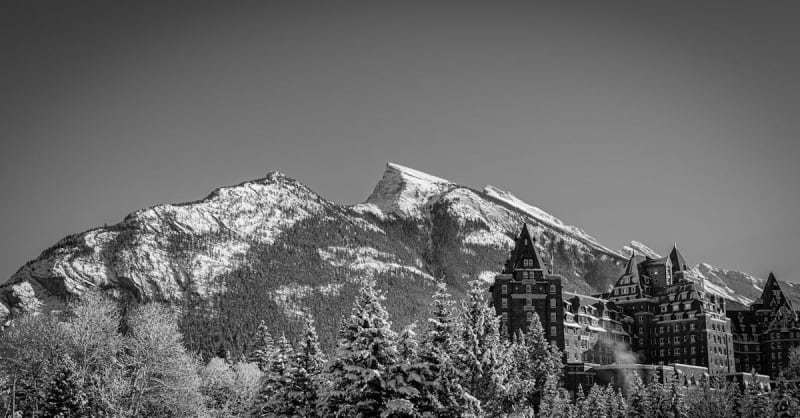
The crown jewel of the Canadian Rockies — turquoise lakes, towering peaks, and alpine wilderness.
Churchill Manitoba
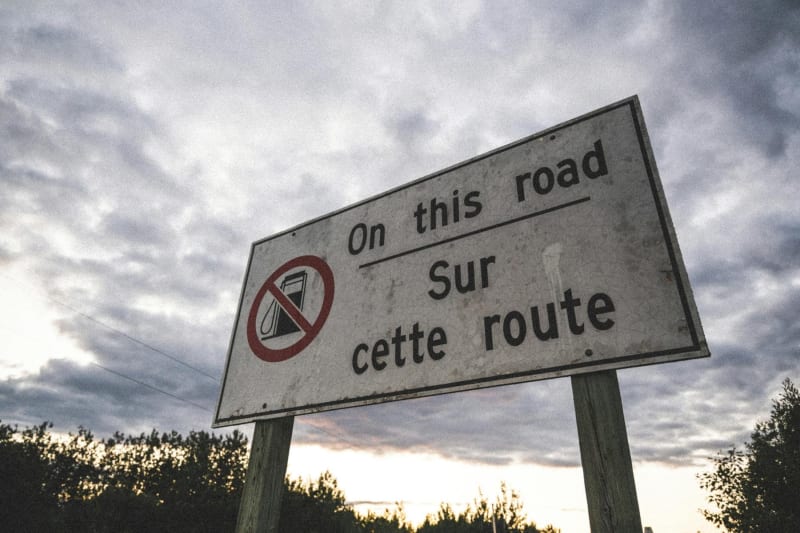
The polar bear capital of the world, where Northern Lights shimmer overhead and beluga whales pass each summer.
Jasper
The quieter, wilder side of the Canadian Rockies — dark sky reserve, glaciers, and untamed backcountry.
Montreal
A bilingual city of cobblestoned charm, world-class bagels, and an insatiable appetite for culture.
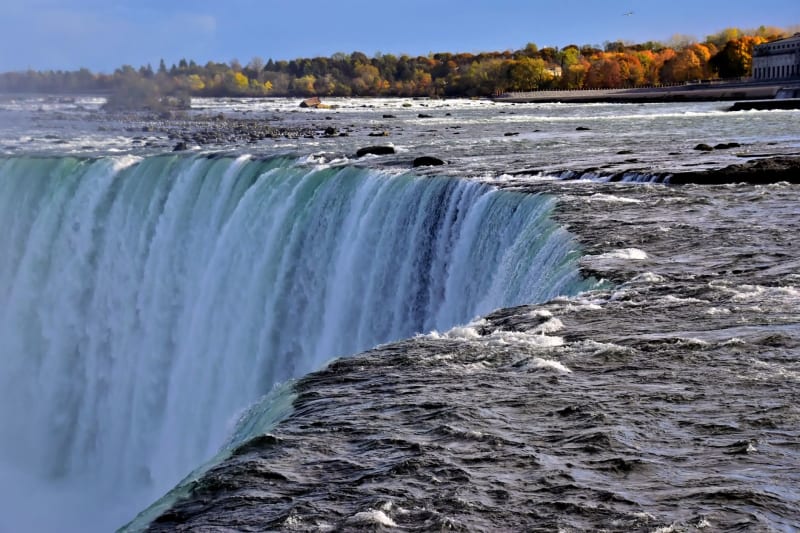
Niagara Falls
A wall of falling water so loud and so absurd that no amount of surrounding kitsch can quite ruin it.
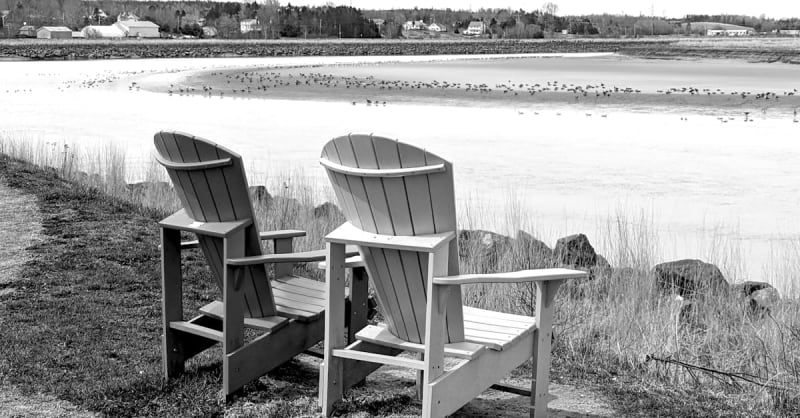
Nova Scotia
A maritime province of rugged coastlines, lighthouse-dotted headlands, and Celtic-flavored hospitality.
Ottawa
Canada's capital — a city of stately institutions, the world's largest skating rink, and surprising culinary depth.
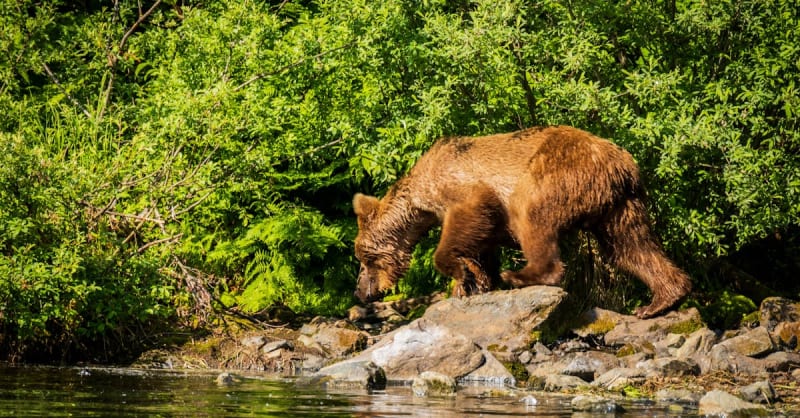
Prince Edward Island
Canada's smallest province — red sand beaches, rolling farmland, and the freshest lobster you will ever eat.
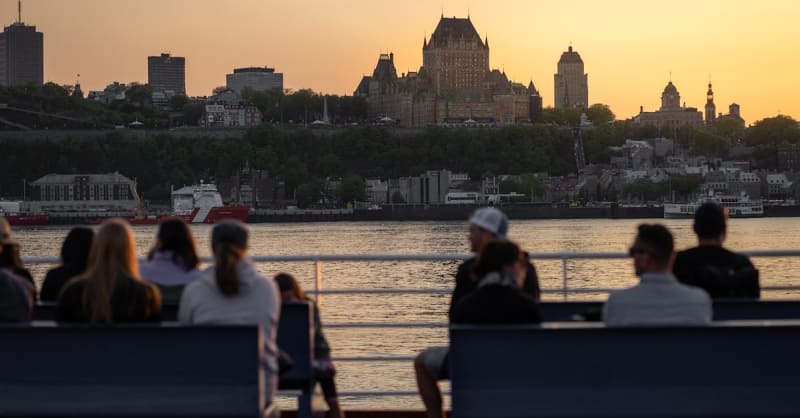
Quebec City
North America's most European city — stone walls, French cuisine, and four centuries of history.
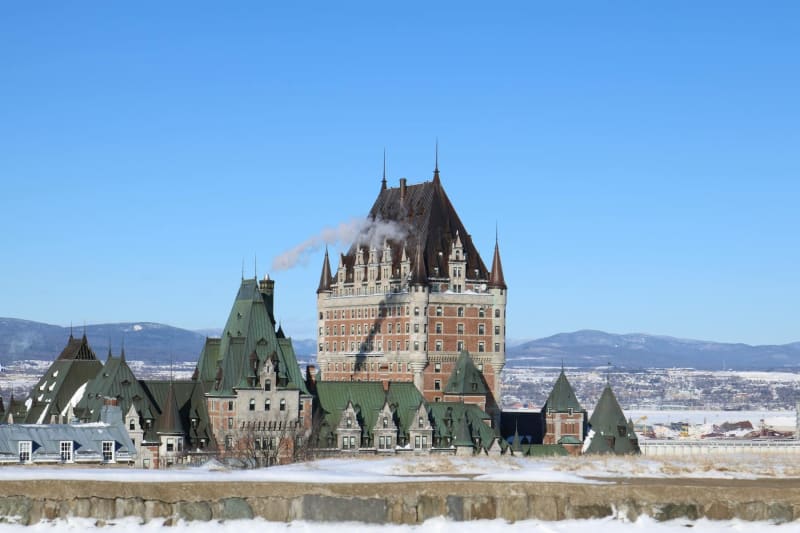
Quebec Winter
Ice sculpture festivals, toboggan runs, and warming cabanes à sucre make Quebec a winter destination like no other.
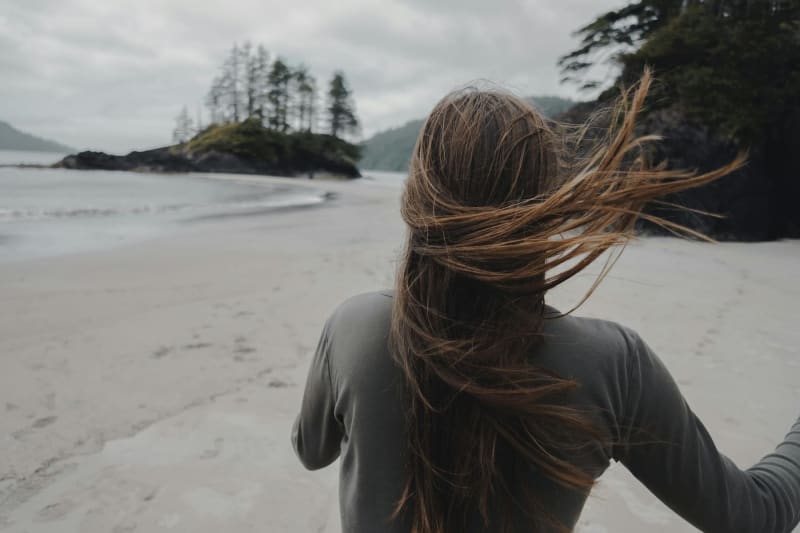
Tofino
A surf town at the end of a long road where Pacific storms and old-growth cedar trees share the same wild coast.

Toronto
Canada's largest city — a mosaic of neighborhoods where the whole world lives on a single subway line.
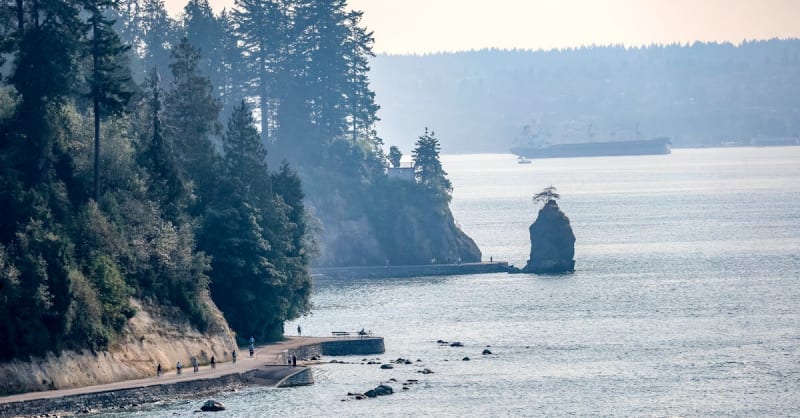
Vancouver
A Pacific coast city where glass towers meet rainforest, mountains, and ocean in perfect balance.
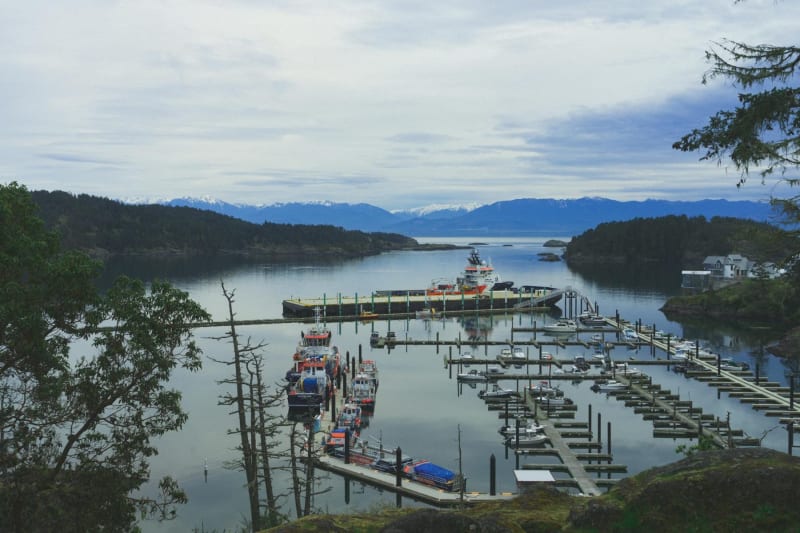
Vancouver Island
Old-growth rainforest, orca-patrolled straits, and surf beaches on Canada's Pacific island paradise.
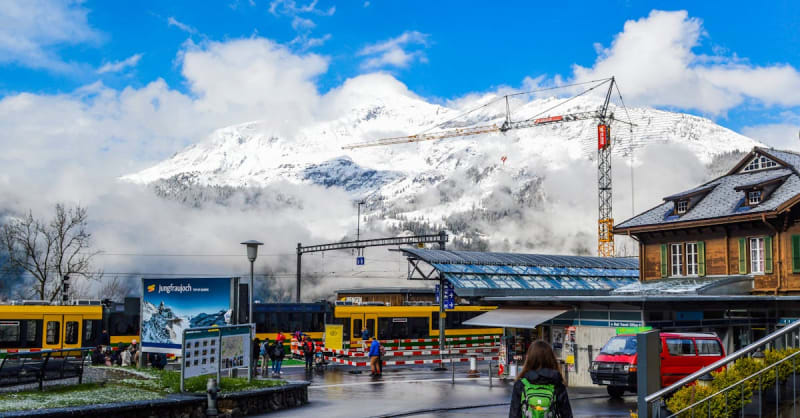
Whistler
A world-class mountain resort where Olympic-caliber slopes meet year-round alpine adventure.
From the journal
Articles about Canada
Free download
Get the Canada Guide
A curated PDF itinerary with honest picks, real restaurants, and the details that matter — the kind you'd actually print and bring.
Download the guide