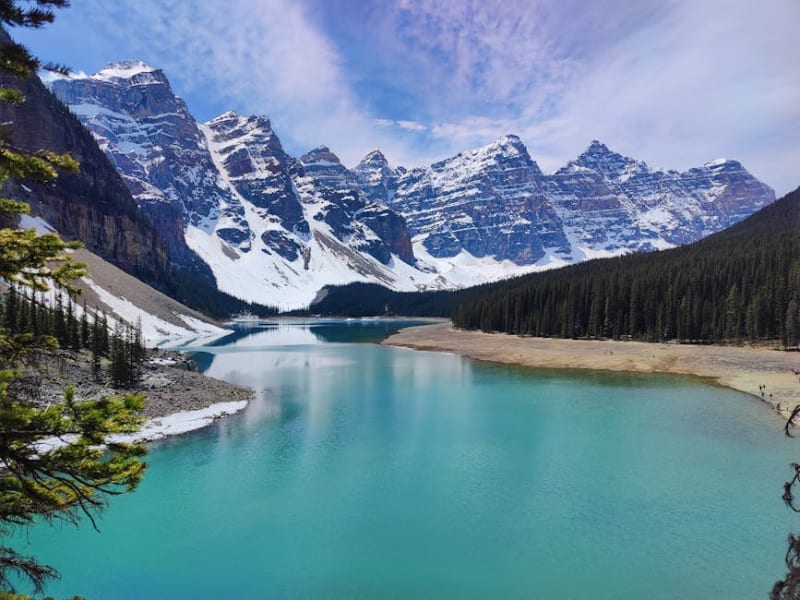
Turquoise glacial lake surrounded by snow-capped Rocky Mountain peaks

Americas

Canada

"Canada is what happens when a country decides wilderness is non-negotiable."

Wild beyond comprehension — a country where the wilderness is not a feature but the fundamental fact, and the cities have learned to live gracefully beside it.

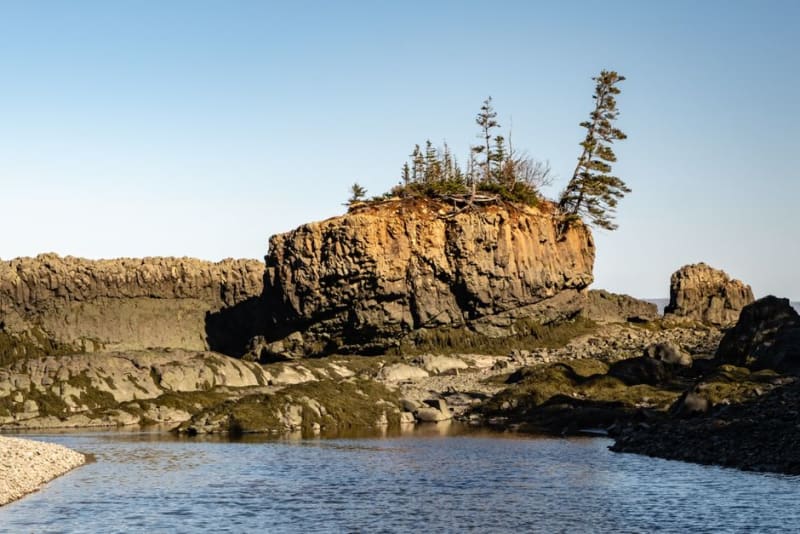
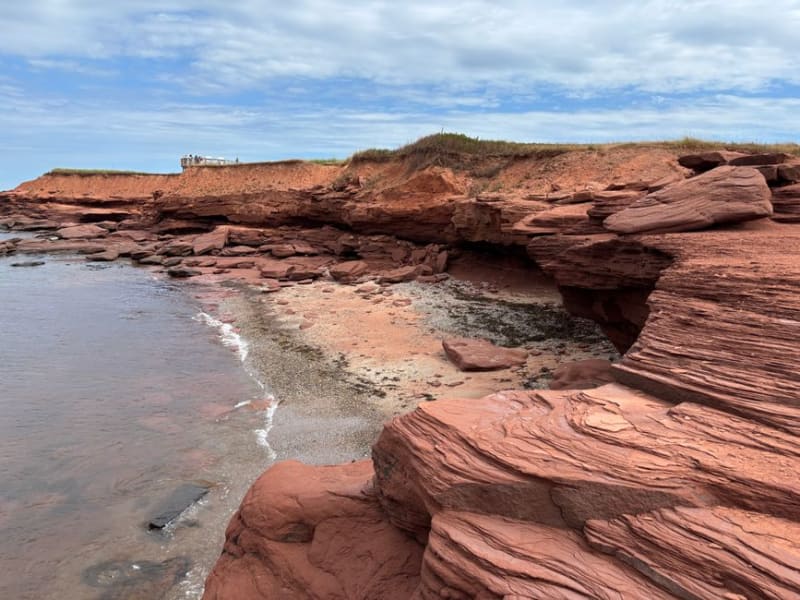
Canada is the country that quietly does everything well and rarely gets the credit. The Rockies are the obvious draw — and they should be, because nothing prepares you for the colour of Lake Louise, a shade of glacial turquoise that looks like a rendering error in an otherwise realistic simulation. But the Rockies are only one chapter. The maritime provinces — Nova Scotia, New Brunswick, Prince Edward Island — offer a completely different register: fishing villages perched on granite coastlines, lobster pulled from the Atlantic that morning, fog rolling in like something out of a novel you read too young.

The cities are more interesting than their reputation suggests. Montréal is the most European city in North America, and I mean that as a genuine compliment — the food scene rivals cities twice its size, the cultural life is bilingual and boundary-crossing, and the summer festival season is relentless in the best possible way. Vancouver is staggeringly beautiful, a glass city pressed between mountains and ocean. Toronto has become one of the great food cities of the world, driven by an immigrant culture that treats diversity as a culinary resource rather than a talking point.

The wilderness, though, is what stays with you. This is the second-largest country on earth, and most of it is empty in a way that urban humans have forgotten is possible. The Yukon. Northern British Columbia. Labrador. These are places where you can drive for hours without seeing another vehicle, where the boreal forest stretches to the horizon in every direction, where the northern lights appear with a casualness that borders on showing off.

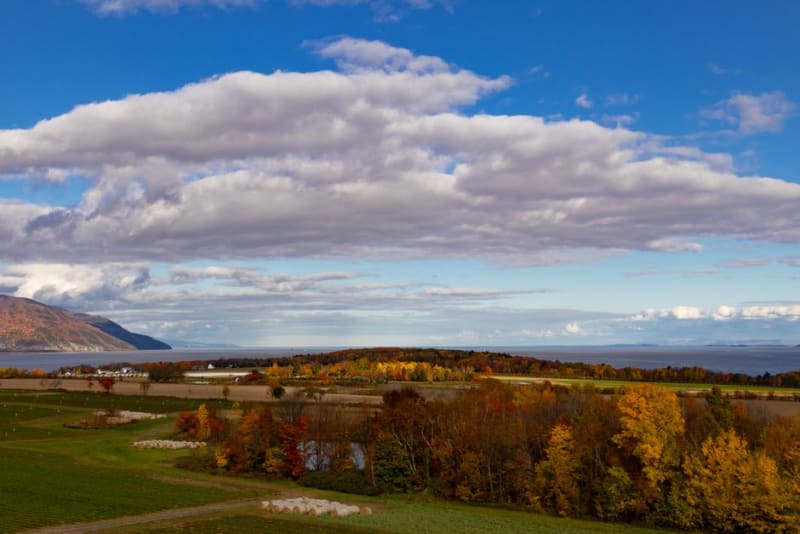
When to go: June through September for the Rockies and most outdoor activities. October for fall colour in Ontario and Québec — the Laurentians in mid-October are as beautiful as New England and half as crowded. Ski season runs December through April in British Columbia and Alberta.

What most guides get wrong: They underestimate the distances. Canada is enormous, and flying between regions is often the only practical option. Do not attempt to drive from Banff to the Maritimes unless you have two weeks and a deep affection for the Trans-Canada Highway. Pick a region and explore it properly.
Explore

Places in Canada

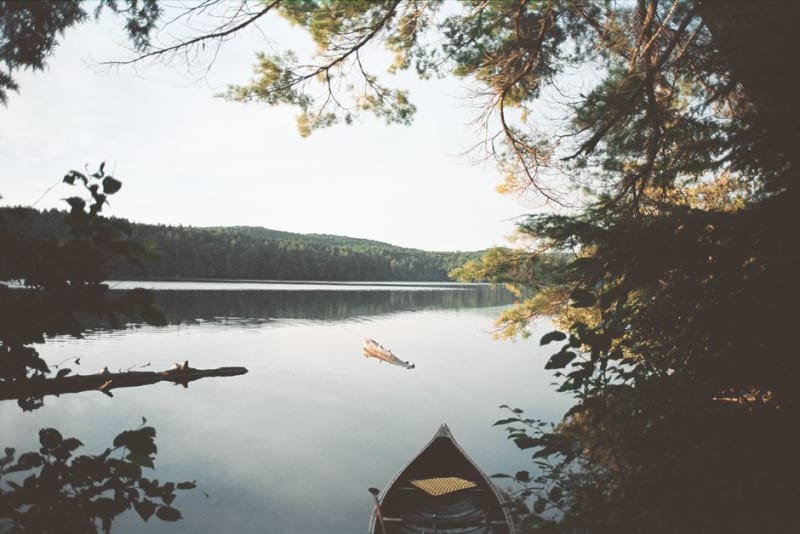
Algonquin Park
canada

Algonquin Park

Ontario's original wilderness — a canoe-tripping expanse of lake and boreal forest that taught a generation of painters what Canada actually looks like.

Explore
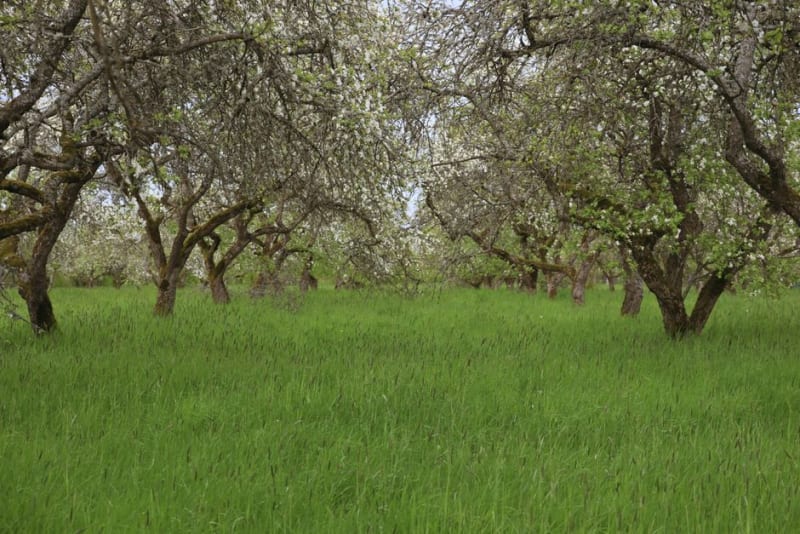
Annapolis Valley
canada

Annapolis Valley

Nova Scotia's fertile heartland, where Acadian dykes still hold back the Fundy tides and apple orchards grow on farmland whose original owners were expelled from it centuries ago.

Explore
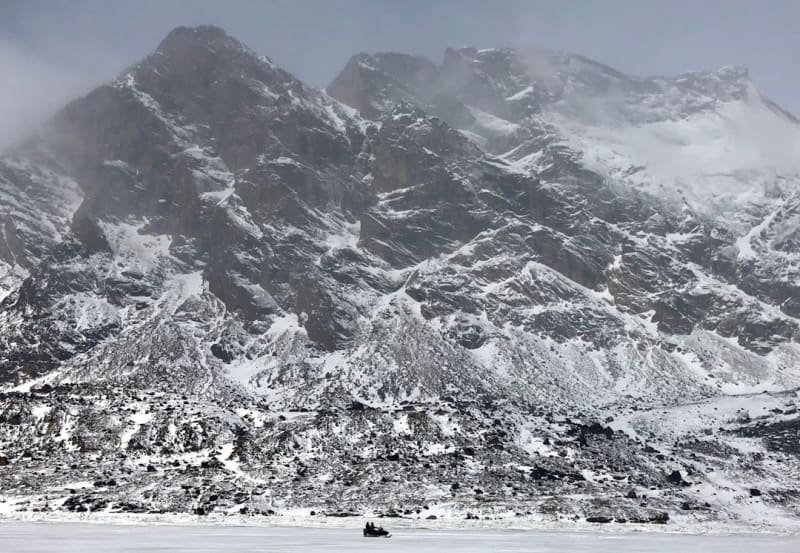
Baffin Island
canada

Baffin Island

Canada's largest island, a raw Arctic landmass of fjords, glaciers, and Inuit hunting culture, where Auyuittuq's granite peaks and drifting icebergs define the far northeast.

Explore
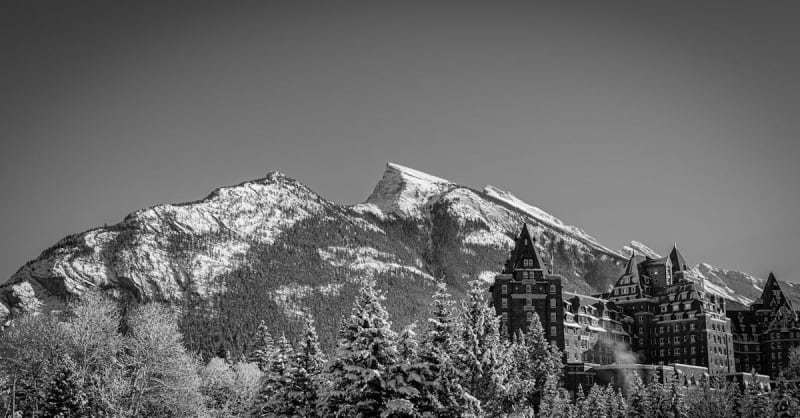
Banff
canada

Banff

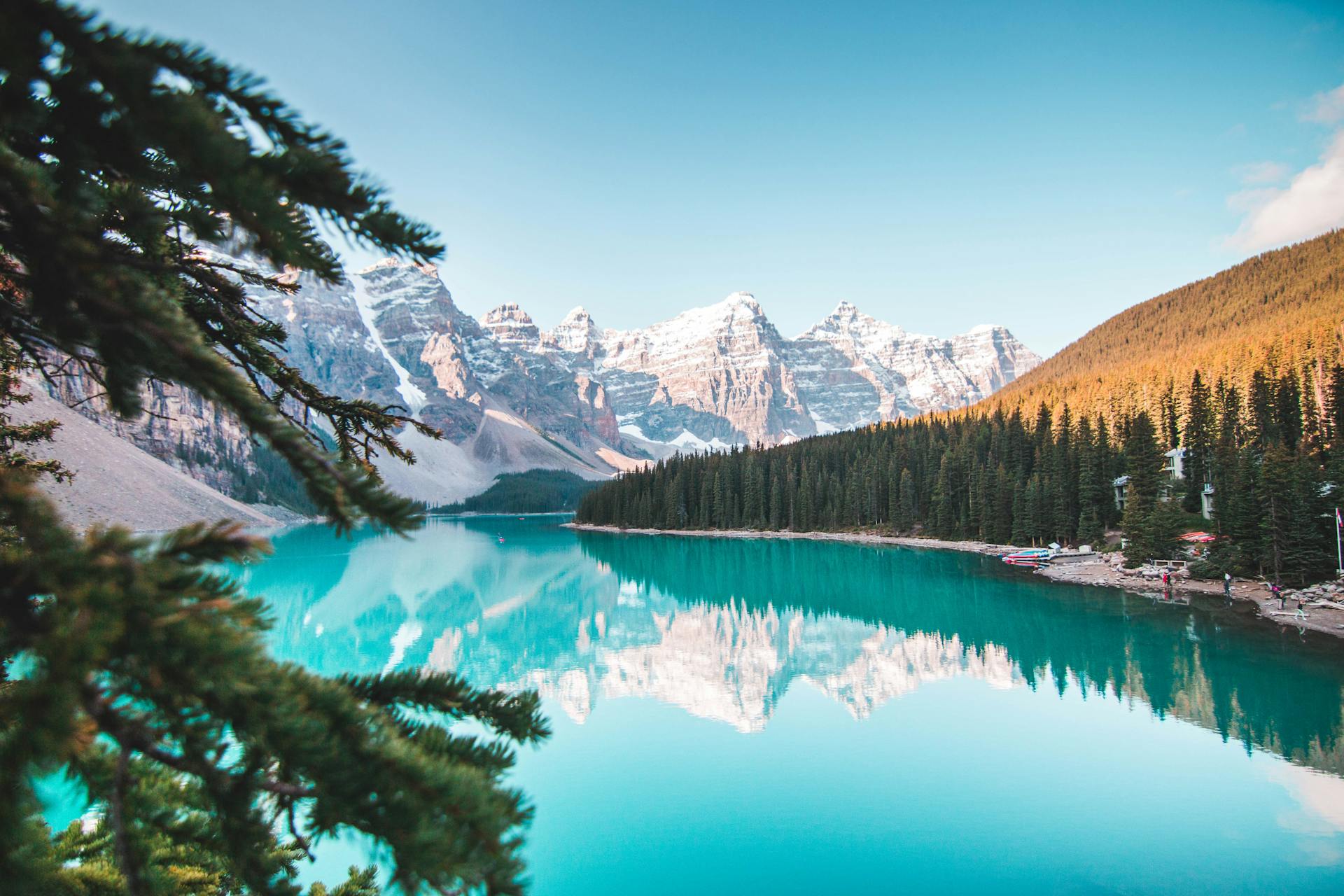
The crown jewel of the Canadian Rockies — turquoise lakes, towering peaks, and alpine wilderness.

Explore
Bay of Fundy
canada

Bay of Fundy

The bay where the Atlantic breathes twice a day, moving more water than every river on Earth combined and rewriting the coastline every six hours.

Explore
Blue Mountain
canada

Blue Mountain

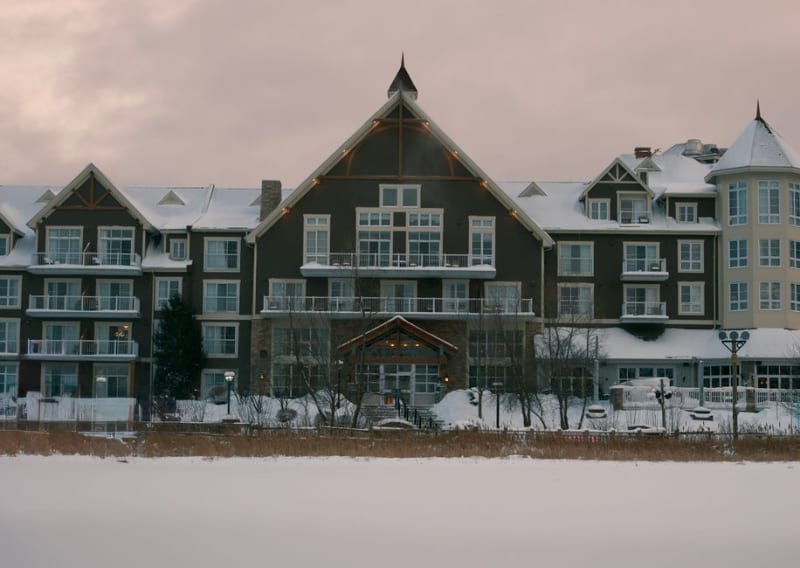
Ontario's biggest ski hill turned four-season resort village on Georgian Bay, where the Scandinave Spa's cold plunges make more sense after a long winter than anything I tried in the actual Alps.

Explore
Bonavista
canada

Bonavista

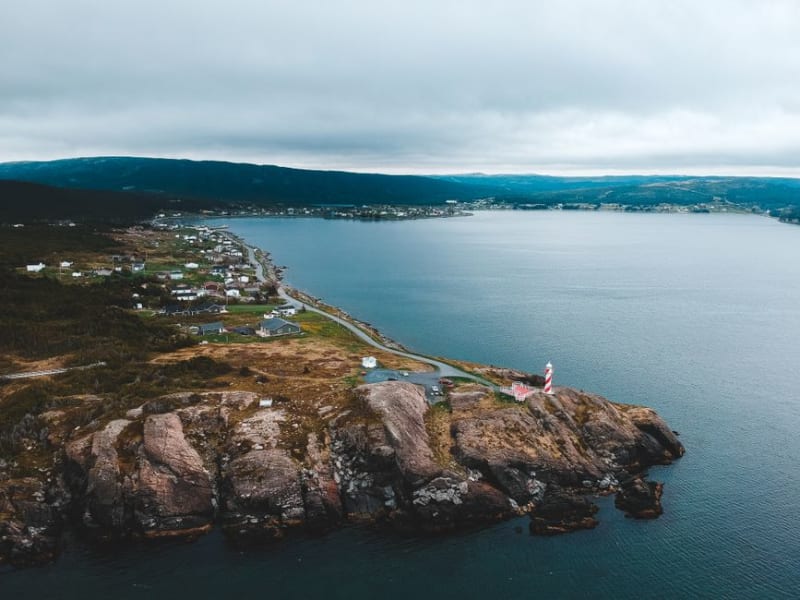
The rugged cape where John Cabot is said to have first sighted North America in 1497, now home to a working lighthouse, a puffin colony, and outport streets that feel unchanged in a century.

Explore
Cabot Trail
canada

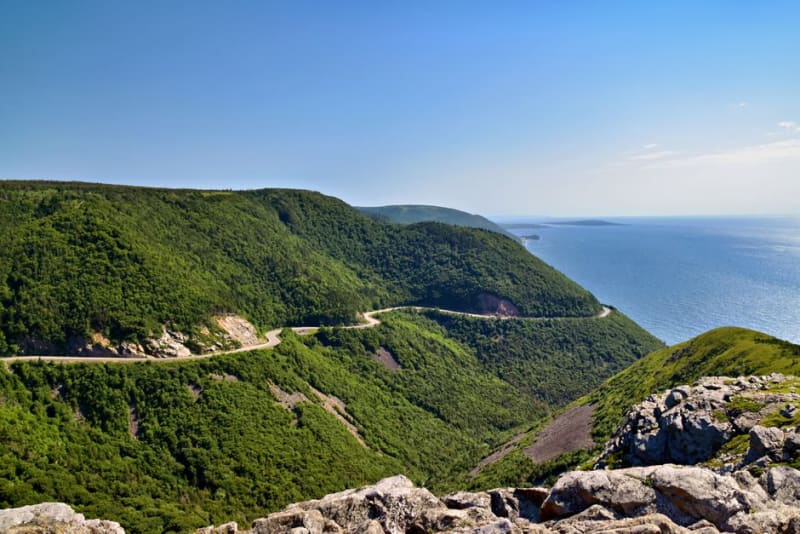
Cabot Trail

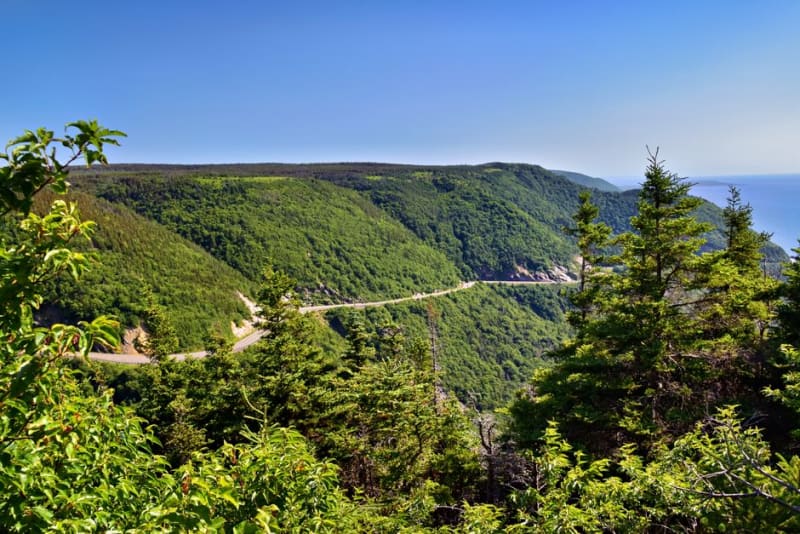
A 298-kilometre highway looping the Cape Breton Highlands where the road hugs cliffs, moose wander the shoulder, and every lookout demands you stop again.

Explore
Calgary
canada

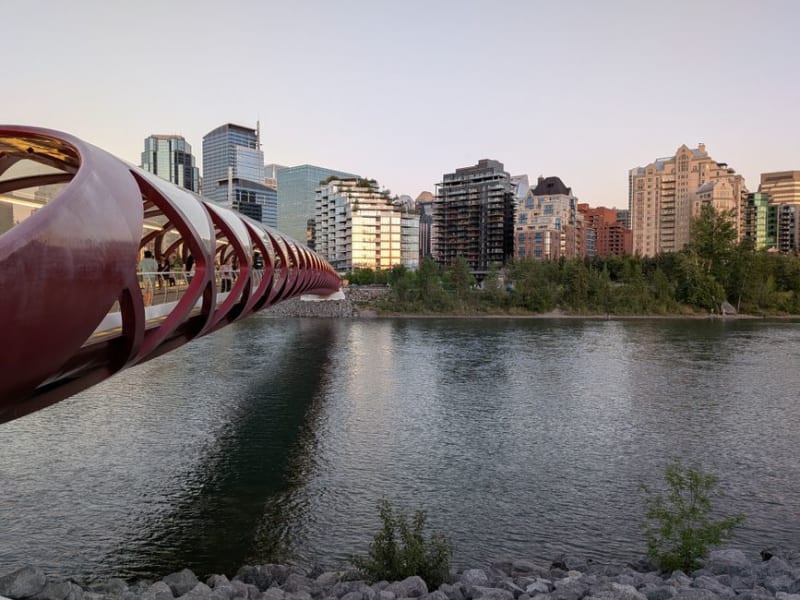
Calgary

Alberta's oil-boom skyline meets small-town rodeo spirit — a city that spends fifty weeks a year in a suit and one week a year in a cowboy hat.

Explore
Canmore
canada

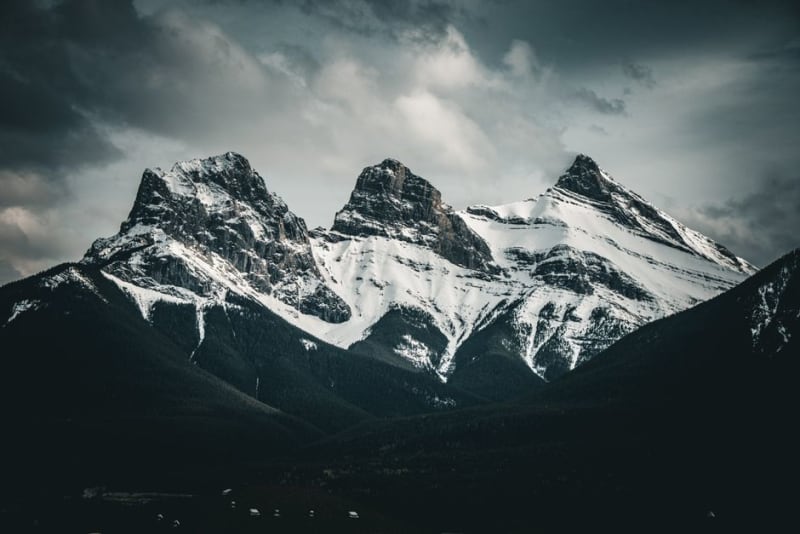
Canmore

A former coal town at the edge of Banff National Park, now the Rockies' quieter, cheaper, unglamorous-in-the-best-way basecamp for people who actually go outside.

Explore
Cape Breton Island
canada

Cape Breton Island

A Highland-scaled island at Nova Scotia's northern tip, where Gaelic fiddle music, Acadian roots, and Mi'kmaq history layer over one of the great coastal drives on the continent.

Explore
Cariboo Chilcotin
canada

Cariboo Chilcotin

British Columbia's interior gold rush country and wild-horse plateau — ranchland, ghost towns, and a silence that most visitors to Canada never encounter.

Explore
Cavendish
canada

Cavendish

The red sandstone coast and farmhouse that inspired Anne of Green Gables, now folded into a national park of dunes and some of PEI's finest beaches.

Explore
Charlevoix
canada

Charlevoix

A UNESCO biosphere region on the St. Lawrence's north shore, artist colonies tucked into river valleys, and a farm-to-table culture that outpaces most of what I've eaten in rural France.

Explore
Charlottetown
canada

Charlottetown

PEI's compact Victorian capital, where Canada's founding conference happened almost by accident and the harbourfront still moves at a small-city pace.

Explore
Churchill Manitoba
canada

Churchill Manitoba

The polar bear capital of the world, where Northern Lights shimmer overhead and beluga whales pass each summer.

Explore

Free download

Get the Canada Guide

A curated PDF itinerary with honest picks, real restaurants, and the details that matter — the kind you'd actually print and bring.

Download the guide