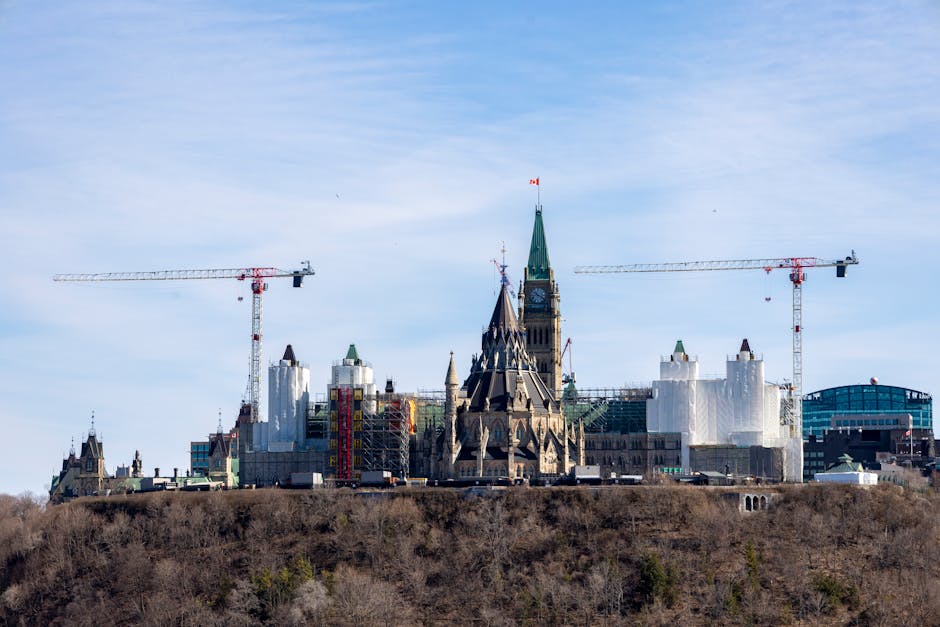
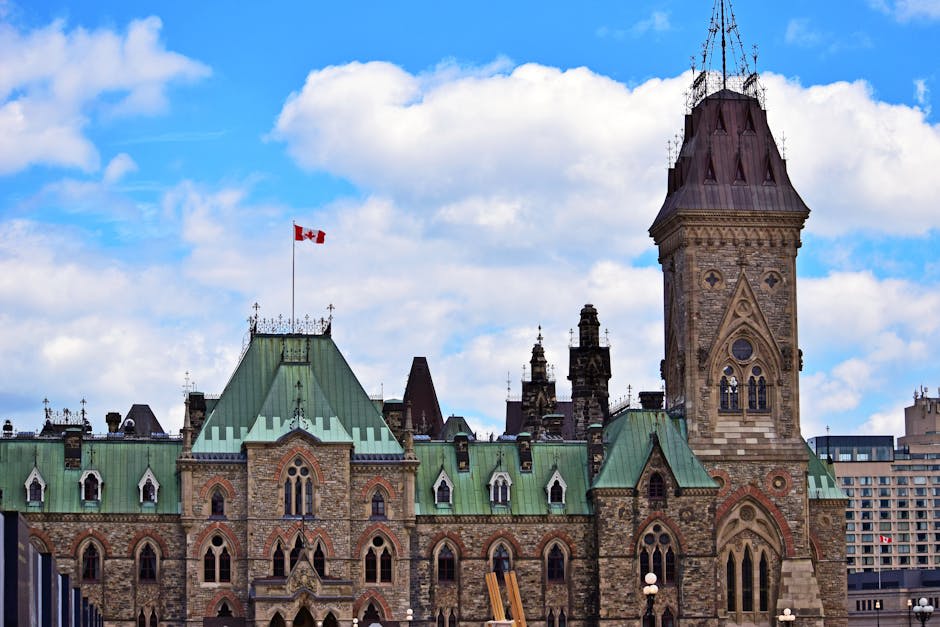
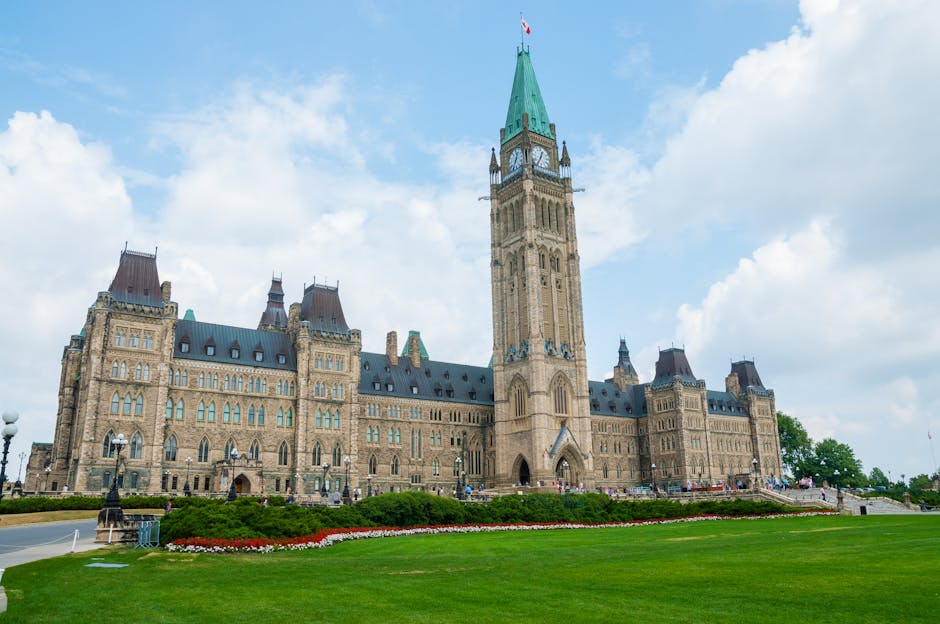
Ottawa anchors its identity in the grand Gothic Revival buildings of Parliament Hill, perched above the Ottawa River with a drama that most national capitals would envy. The Centre Block, with its Peace Tower rising ninety metres above the bluff, presides over the city with the quiet authority of a country that does not feel the need to shout about its institutions. The Changing of the Guard on the Parliament lawn in summer has none of the martial severity of Buckingham Palace — it feels, like much of Canada, both dignified and approachable, a ceremony that takes itself seriously without taking itself too seriously.
The city’s museums are genuinely world-class, and this is the detail that surprises most visitors. The National Gallery, designed by Moshe Safdie with its glass and granite geometry, houses the country’s finest art collection — the Group of Seven’s luminous landscapes of the Canadian Shield are worth the trip alone, those paintings that made an entire nation see its own wilderness as art rather than obstacle. The Canadian Museum of History across the river in Gatineau tells the national story with remarkable scope, from Indigenous civilizations through European contact to the present, and the Grand Hall’s massive totem poles and longhouse facades create a space that is as much experience as exhibition.
The ByWard Market
The ByWard Market has been Ottawa’s social and culinary hub since 1826, and it buzzes with a vitality that the rest of the city’s government-town reputation does not prepare you for. Farmers sell Ontario produce in the outdoor stalls — the September apple season alone is worth arranging a trip around. Restaurants line the surrounding streets: BeaverTails, the flat dough pastry covered in cinnamon sugar that has become an Ottawa institution, originated here. The Whalesbone serves some of the best oysters in central Canada, brought in daily from the Maritimes. And the nightlife scene along Clarence and York streets — craft cocktail bars, live music venues, and late-night poutine counters — belies Ottawa’s buttoned-up reputation entirely.
Across the river, Gatineau offers a Quebec perspective on the capital region — the French language, the different liquor laws, the slightly more relaxed attitude toward everything — and the two cities together create a bilingual whole that mirrors the country itself.
The Rideau Canal
The Rideau Canal, a UNESCO World Heritage Site, transforms with the seasons in a way that defines Ottawa’s character. In summer it is a scenic waterway for boats and cyclists, the path along its banks one of the city’s great walks — lined with tulips in May, when over a million blooms transform the capital into something that rivals the Netherlands. The Tulip Festival, born from the Dutch royal family’s gift of bulbs after Canada sheltered them during World War II, is the largest of its kind in the world, and the story behind it is the kind of quiet Canadian goodness that makes you think better of the species.
In winter the canal becomes the world’s largest naturally frozen skating rink, stretching nearly eight kilometres through the city centre. Locals skate to work, briefcases in hand, stopping for BeaverTails pastries and hot chocolate at the warming huts along the way. It is quintessentially Canadian — practical and whimsical and completely normal to the people who do it every day. The Winterlude festival in February turns the frozen canal and surrounding parks into a celebration of ice sculpture, snow play, and the uniquely Canadian insistence that winter is a season to be enjoyed rather than endured.
When to go: May for tulip season, July for Canada Day celebrations on Parliament Hill, or January through February for Winterlude and canal skating. Fall colours in Gatineau Park — just twenty minutes from downtown — rival anything in New England.