Montreal
"Montreal is the city where French sophistication meets North American energy — and neither side blinks."
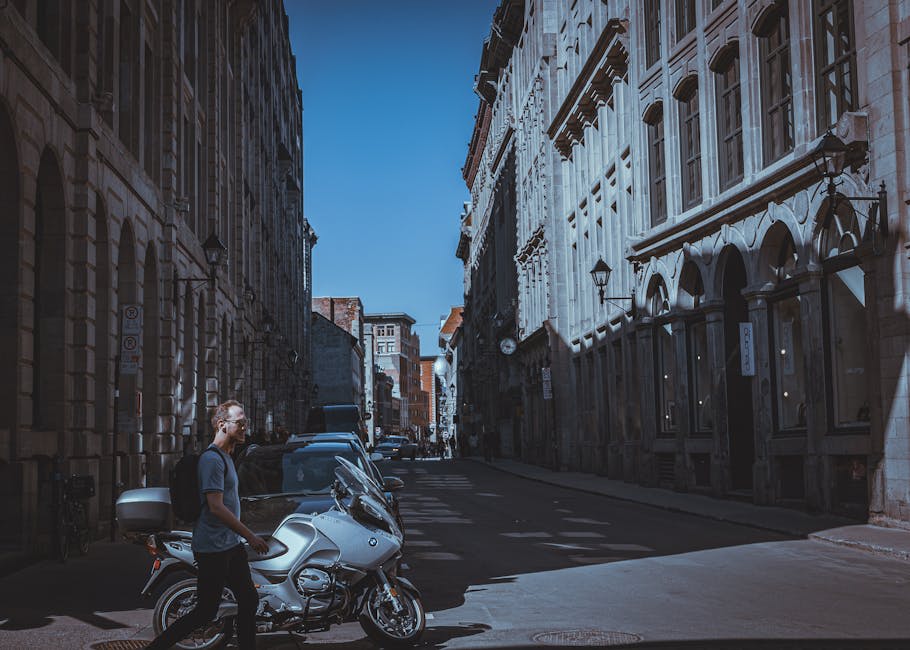
Montreal feels like a European city that wandered across the Atlantic and made itself at home, and as a Frenchman I mean that as the highest compliment I can offer a North American city. Old Montreal’s cobblestone streets and stone buildings date back centuries, while the Plateau’s colorful exterior staircases and Mile End’s creative studios pulse with a contemporary energy that Paris sometimes forgets to generate. The city is fiercely bilingual, effortlessly switching between French and English mid-sentence, and this duality shapes everything from the food to the festivals to the way arguments happen at dinner tables.
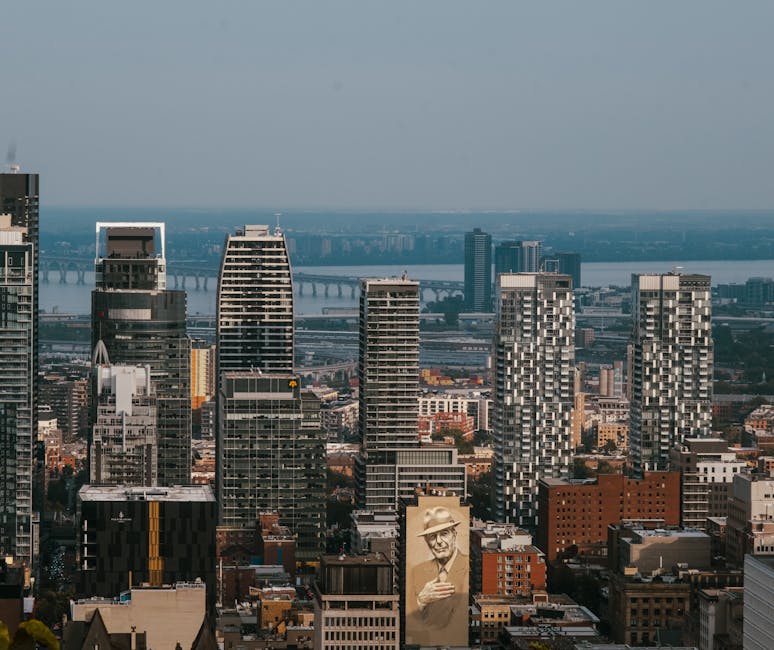
What struck me most, visiting from Mexico City, is how Montreal manages to feel both enormous and intimate. The neighborhoods are distinct enough to feel like separate villages — the Portuguese bakeries of the Plateau, the Hasidic community in Mile End, the Italian nonnas in Saint-Leonard — and yet the city holds together with a coherence that defies its contradictions. The Metro is clean and covered in public art. The bike lanes actually connect to each other. The terrasses fill at the first hint of warmth in April, and nobody leaves until the October cold makes it physically impossible to hold a glass of wine outdoors.
The Food
The culinary scene here punches far above its weight, and I say this as someone who grew up eating in Lyon and Marseille. Smoked meat at Schwartz’s — the deli that has been operating since 1928, the line permanent, the meat hand-sliced and piled onto rye with mustard and nothing else — is not a tourist obligation but a genuine food experience. The Montreal bagel, smaller and sweeter and denser than its New York cousin, baked in a wood-fired oven, is the subject of a city-wide religious war between St-Viateur and Fairmount. Both are correct. Poutine from La Banquise at two in the morning, the fries crisp under gravy and cheese curds, is the kind of meal that makes you reconsider the concept of fine dining.
But Montreal also hosts Michelin-level restaurants — Joe Beef, where the chefs cook with the attitude of pirates who accidentally became culinary geniuses; Toque!, where Normand Laprise has been quietly proving for decades that Quebecois cuisine deserves a seat at the world table. The Jean-Talon Market overflows with local produce in summer, and the depanneurs — corner stores unique to Quebec — stock wines and craft beers that you will not find anywhere else.
The Festivals
Montreal hosts over 100 festivals annually, and this is not an exaggeration — it is a city that has decided that summer is too short to waste on ordinary days. The Jazz Festival draws the world’s best musicians every June and July, with free outdoor stages that turn downtown into an open-air concert hall. Just for Laughs fills the city with comedy. Osheaga brings the music festival energy. And in winter, when the temperature drops to minus twenty and any sane city would hibernate, Montreal responds with Igloofest — an outdoor electronic music festival where thousands of people dance in snowsuits — and Montreal en Lumiere, a celebration of food, wine, and light that turns the frozen city into something magical.
The cultural infrastructure goes deeper than festivals. The Musee d’art contemporain, the Montreal Museum of Fine Arts, the Phi Centre — this is a city that treats art as essential rather than decorative. The street art in the Plateau and the murals along Boulevard Saint-Laurent are curated with an intention that makes the whole city feel like a gallery that forgot to charge admission.
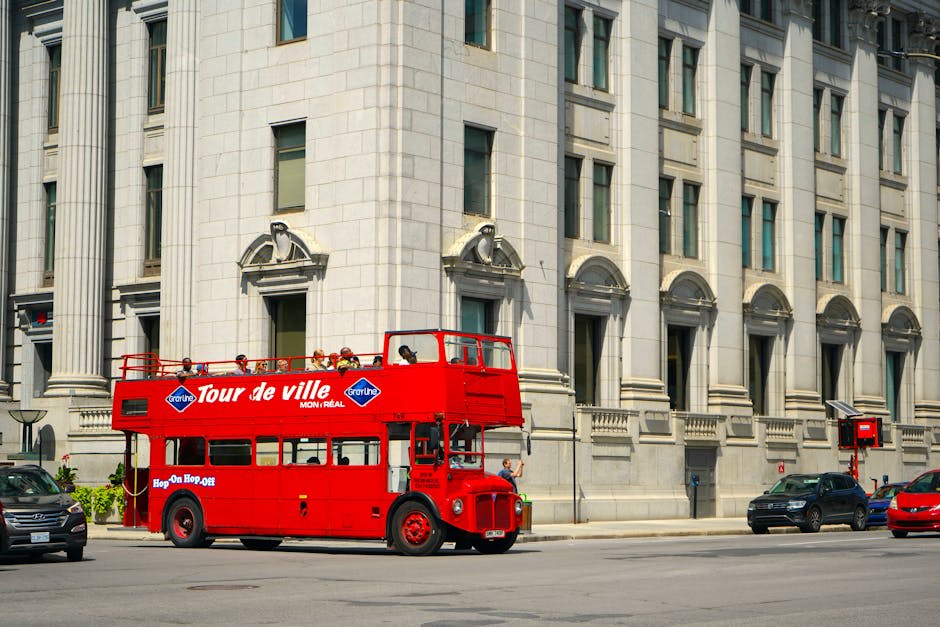
When to go: June through September for festivals and warm weather. Winter is frigid but magical — the underground city, a network of 33 kilometres of tunnels connecting malls, metro stations, and offices, helps. February brings Igloofest and Montreal en Lumiere.