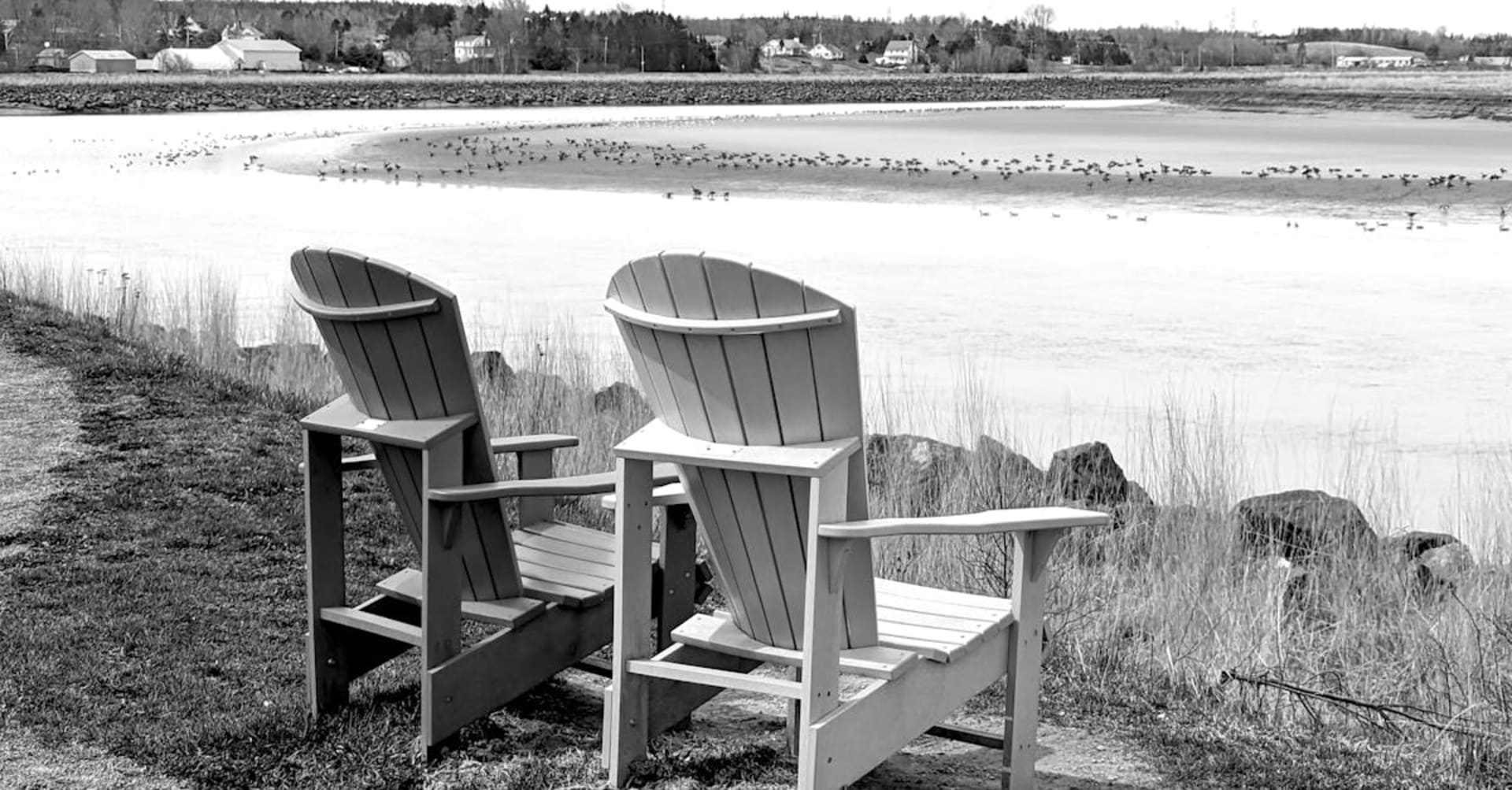
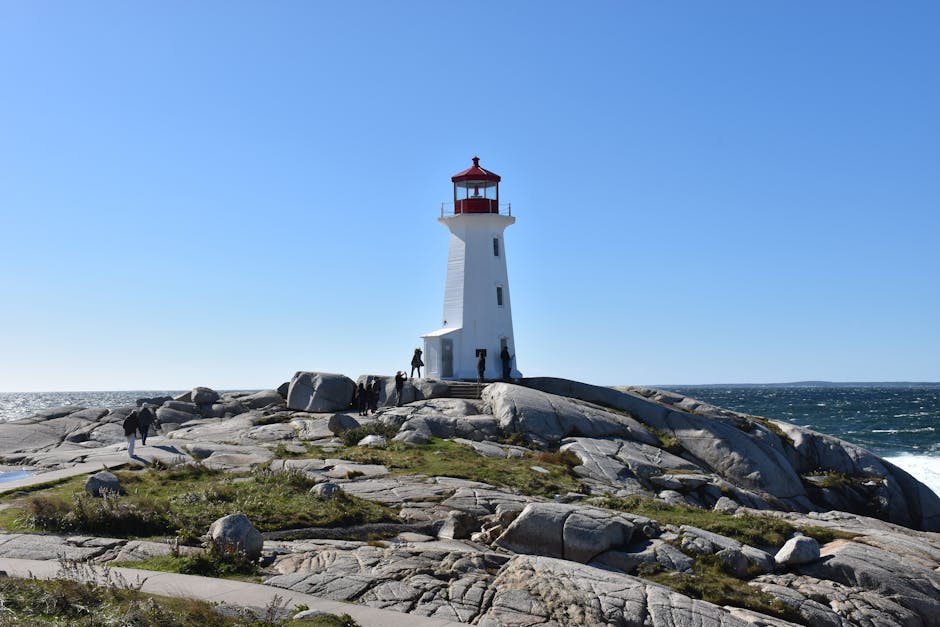
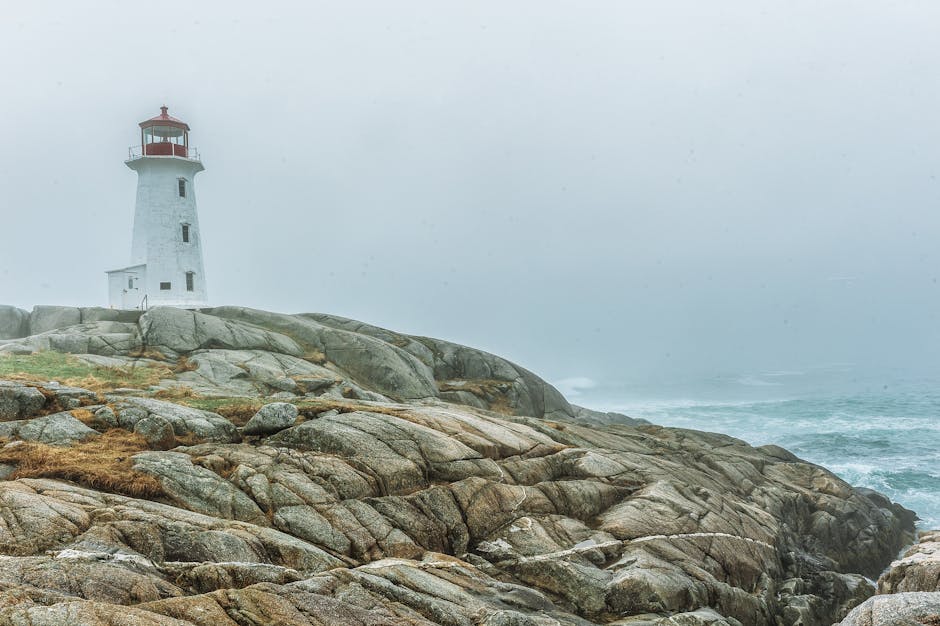
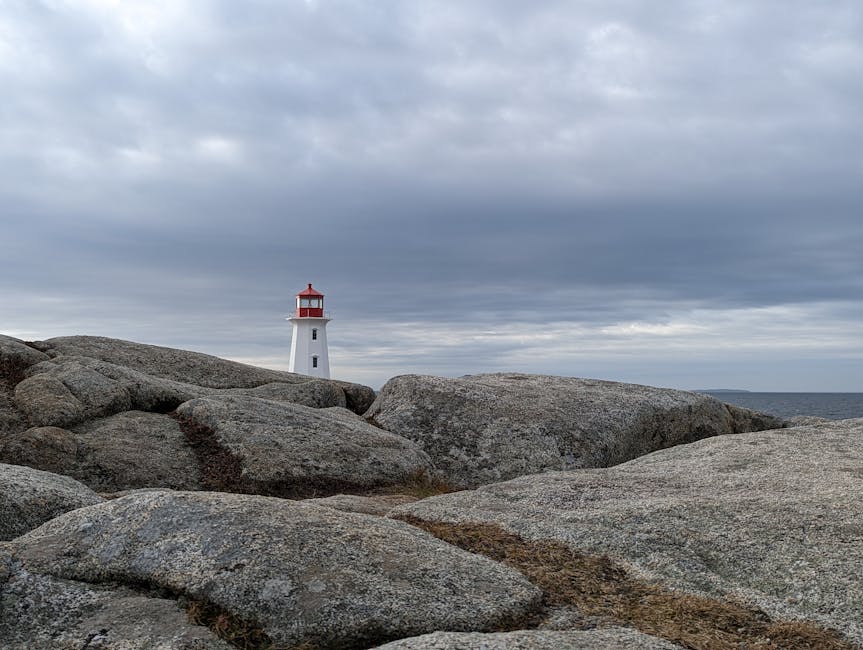
Nova Scotia wraps you in maritime atmosphere from the moment you arrive, and it is an atmosphere I recognized immediately — not because I have been here before, but because it carries the same salt-wind melancholy that I know from Brittany, from the Basque coast, from every place where the Atlantic has shaped a culture as much as a coastline. Peggy’s Cove lighthouse — perched on wave-smoothed granite that looks like it was sculpted by a patient and slightly obsessive god — is the province’s icon, and arriving on a foggy morning when the lighthouse appears and disappears in the mist, the waves crashing on the rocks below, you understand why every photographer in Canada has stood in exactly this spot and none of them have captured what it actually feels like.
The real discovery lies beyond the postcard. The Cabot Trail, a 185-mile loop through Cape Breton’s highlands, is one of the great drives in North America — and I include the Icefields Parkway and the Pacific Coast Highway in that comparison. The road climbs through boreal forest, crests mountain ridges with ocean views on both sides, drops to fishing villages where the houses are painted in colours that make you wonder if the paint store offered a discount on happiness. Moose outnumber tourists on this road, and the hiking trails that branch off it — Skyline Trail, Franey Trail, the Fishing Cove descent — offer the kind of wilderness that the rest of eastern North America has mostly paved over.
Halifax
Halifax, the capital, mixes waterfront pubs with a rich naval history and a food scene built on the freshest Atlantic seafood you will find anywhere. The waterfront boardwalk stretches for kilometres, lined with restaurants, breweries, and the Canadian Museum of Immigration at Pier 21 — the “Ellis Island of Canada” — where the stories of the million-plus immigrants who entered Canada through this port are told with a dignity that moved me more than I expected. The Maritime Museum of the Atlantic tells the story of the Halifax Explosion of 1917 and the city’s role in the Titanic rescue, and the Titanic cemetery — where over a hundred victims are buried — is one of the most quietly powerful places in the city.
The food in Halifax centers on the sea, and it does not apologize for the simplicity. A lobster roll from a waterfront shack, the meat sweet and cold and barely dressed, is as perfect a lunch as any Michelin-starred plate I have eaten. The donairs — Halifax’s answer to the doner kebab, sweet sauce and all — are a local obsession that visitors either love immediately or learn to love by their third one. Alexander Keith’s brewery, operating since 1820, pours ales in a building that smells like history and hops.
The Celtic and Acadian Heritage
The Celtic and Acadian heritage runs deep here, deeper than most visitors expect. Fiddle music fills community halls on Cape Breton on any given weekend — not as performance but as social practice, ceilidhs where families gather and children learn the steps and the tunes have been passed down through generations that trace their roots to Scotland and Ireland. The Gaelic language, nearly extinct in most of the world, survives here in pockets where elderly speakers teach the words to a new generation determined not to let them disappear.
Lunenburg — a UNESCO-listed town of colorful wooden buildings on a harbour that has barely changed in two centuries — preserves the province’s shipbuilding past with the Bluenose II, a replica of the famous racing schooner that appears on the Canadian dime. The Bay of Fundy’s tides, the highest in the world, sculpt the coastline twice daily in a natural spectacle that never gets old — the difference between high and low tide can exceed sixteen metres, exposing a moonscape of ocean floor that was underwater hours before. Walking among the Hopewell Rocks at low tide, beneath formations that the sea has carved into impossible shapes, you feel the planet’s mechanics at work in a way that is both humbling and slightly terrifying.
When to go: June through October. July and August are warmest. Fall foliage on the Cabot Trail in October is extraordinary — the maples turn crimson and gold against the ocean blue, and the combination is almost too much. Winter is harsh and many tourist services close, but the ceilidhs continue regardless.