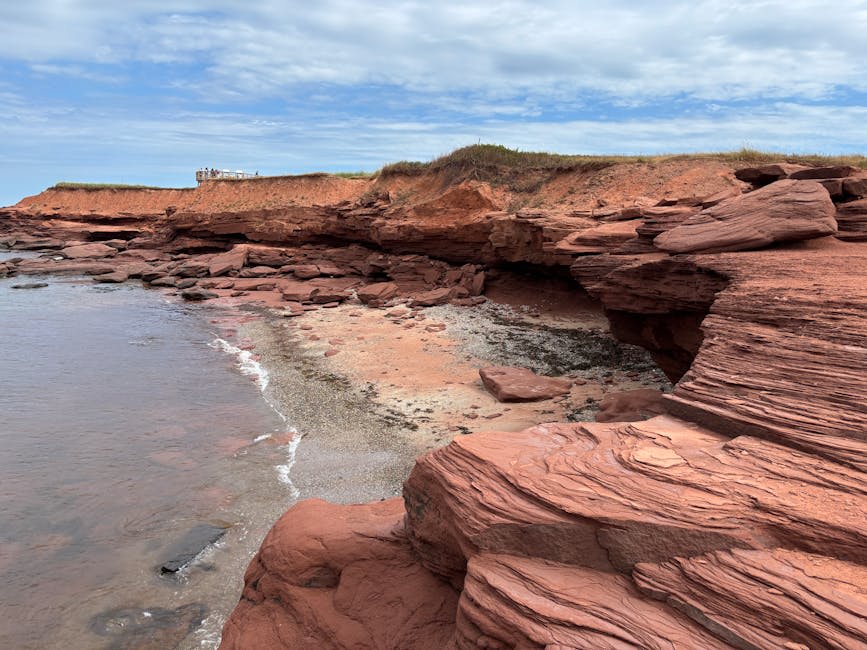
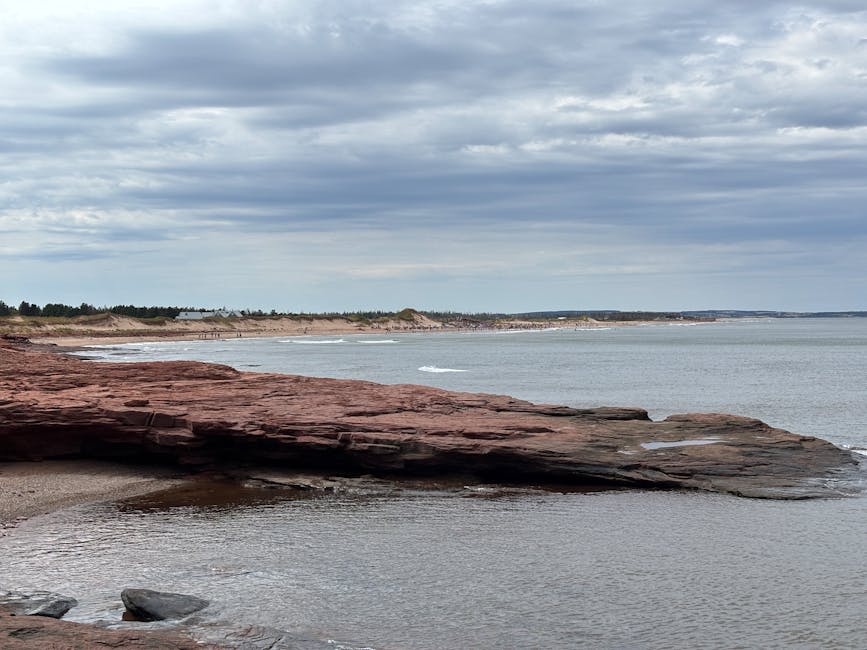
Prince Edward Island is gentle in the best sense — gentle in the way that a place can be when it has decided that ambition is overrated and beauty is sufficient. Red sand beaches stretch along the coast, backed by dunes and rust-colored cliffs that the Atlantic has been sculpting for millennia. The interior is a patchwork of green farmland, white churches, and the kind of quiet roads that make cycling pure pleasure. Coming from Mexico City, where silence is a luxury and stillness is suspicious, PEI felt like a different operating system entirely — slower, quieter, and entirely comfortable with the pace.
The island is small enough to drive across in an afternoon but rich enough to fill a week without repetition. Anne of Green Gables put PEI on the literary map, and the Cavendish area leans into this heritage with charm rather than kitsch — the farmhouse that inspired L.M. Montgomery is preserved with a care that suggests the fictional Anne is as real to Islanders as any historical figure. The national park along the north shore protects some of the finest beaches in eastern Canada, and the red sandstone coastline shifts constantly — cliffs eroding, new formations appearing, the landscape rewriting itself with every storm.
The Food
The real draw is the food, and on PEI the food is not a scene or a trend — it is the island’s central fact. PEI lobster, oysters, and mussels are legendary, and “legendary” is not hyperbole. The Malpeque oyster, named for the bay where it is harvested, is considered one of the finest in the world — briny, clean, with a sweetness that arrives at the finish like a memory of the sea itself. I have eaten oysters in Normandy, in Galicia, in the Chesapeake — and PEI oysters hold their ground against any of them.
Lobster here is served in everything from white-tablecloth restaurants to roadside shacks where the ocean is still visible from your picnic table and the lobster was in a trap that morning. The lobster suppers — community-hall events, long tables, all-you-can-eat lobster with mussels, chowder, salads, and strawberry shortcake — are a PEI institution that feels less like dining and more like a ritual of abundance. New Glasgow Lobster Suppers and Fisherman’s Wharf in North Rustico have been running these events for decades, and the locals still attend because the lobster is that good.
The island’s craft brewery and artisan food scene has blossomed quietly but convincingly. PEI is one of the largest potato producers in Canada, and the island potato — dense, buttery, grown in that distinctive red soil — appears in everything from gourmet restaurants to the chip trucks that line the highways. COWS ice cream, born on PEI, makes flavours that use island cream so fresh it tastes like a different ingredient entirely.
The Coastal Roads
A drive along the coastal roads reveals a landscape that is modest, beautiful, and deeply satisfying in the way that only understated places can be. The Points East Coastal Drive loops through fishing villages, lighthouses, and beaches where you might be the only person for a kilometre in either direction. The North Cape Coastal Drive takes you to the island’s western tip, where the tidal forces of the Gulf of St. Lawrence meet the Northumberland Strait and the wind turbines spin above potato fields in a scene that feels simultaneously ancient and modern.
The Confederation Trail — a 435-kilometre cycling and walking path built on a former railway line — crosses the island from tip to tip, passing through farmland, forest, and small towns where the general store still serves as the community hub. Cycling it is one of the great underrated experiences in Canadian travel: flat enough to be pleasant, scenic enough to be rewarding, and quiet enough to hear the birds and the wind and nothing else.
When to go: June through September. July and August are warmest for beaches. Lobster season peaks in summer. The Fall Flavours festival in September and October celebrates the island’s harvest with food events across every community. The island is quiet and largely shut down in winter — which, depending on your temperament, is either a warning or an invitation.