
Toronto’s greatest strength is its neighborhoods, and they are not the sanitized, gentrified “ethnic quarters” that most North American cities offer as proof of diversity. Kensington Market’s bohemian stalls still feel genuinely anarchic — vintage shops, Caribbean grocers, and a cheese shop run by a man who will lecture you on the difference between Quebec and Ontario cheddar with the seriousness of a Bordeaux sommelier. Chinatown’s bustling grocers overflow onto the sidewalk. Little Italy’s trattorias serve nonna-approved pasta. Greektown on the Danforth fills with the smell of souvlaki and the sound of arguments about football. Each neighborhood creates a distinct world within blocks of each other, and the transitions happen without warning or apology.
Living in Mexico City, I understand what a genuinely multicultural city feels like — the way different cultures layer and overlap and create something new in the spaces between. Toronto does this with a quiet competence that deserves more attention. Over half the city’s population was born outside Canada. More than 200 languages are spoken. This is not a statistic — it is a flavour, a texture, a way the city sounds when you walk through it with your ears open.
The Food
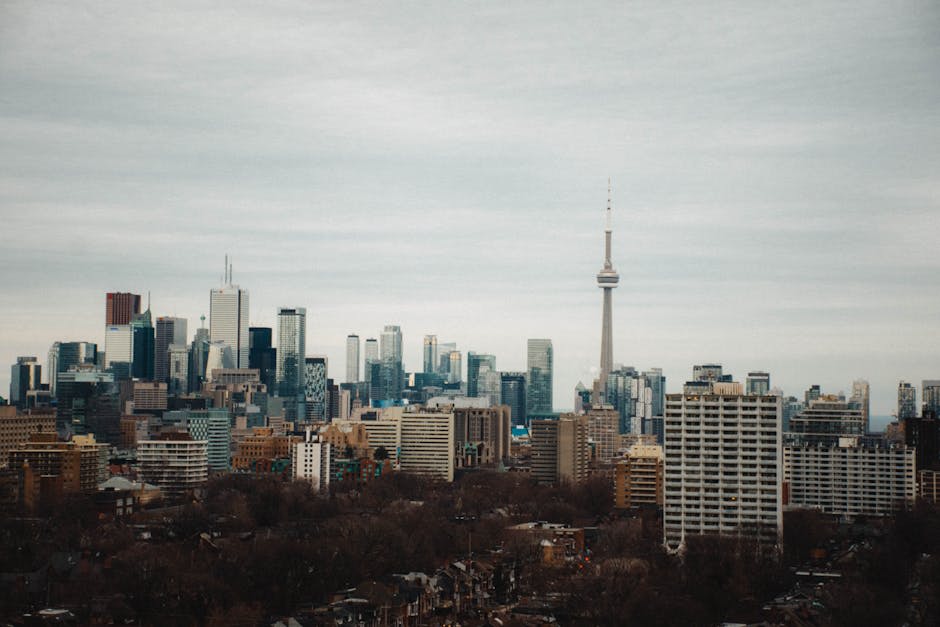
The food scene is extraordinary in its diversity, and it is the single best argument for immigration that any country has ever produced. Jamaican patties in Scarborough — the beef ones from Randy’s, flaky and peppery and perfect — could stand against any street food in the Caribbean. Korean barbecue in Koreatown on Bloor, where you grill your own galbi at midnight and the ventilation barely keeps up. Ethiopian injera in Danforth East, Tamil hoppers in Scarborough, Afghan mantu in North York. The city’s suburbs are where the most exciting eating happens, and anyone who stays downtown is missing the point.
But the fine dining has caught up too. Alo, perched above Spadina Avenue, holds its own against any tasting menu restaurant in North America. Canoe, in the TD Tower, serves Canadian ingredients with a view that stretches to the lake. And the St. Lawrence Market, operating since 1803, remains one of the great public markets on the continent — the peameal bacon sandwich from Carousel Bakery is Toronto’s most essential bite, and the line at seven in the morning on a Saturday tells you everything about what this city considers important.
The Culture
The cultural offerings are formidable and increasingly impossible to ignore. The Royal Ontario Museum houses one of the world’s great natural history collections beneath Daniel Libeskind’s crystalline addition. The Art Gallery of Ontario, redesigned by Frank Gehry — a Toronto native — contains everything from the Group of Seven’s luminous Canadian landscapes to a Henry Moore collection that rivals London’s. TIFF, the Toronto International Film Festival, has become the world’s most important public film festival, the place where Oscar campaigns are launched and audiences see films before the critics have decided what to think about them.
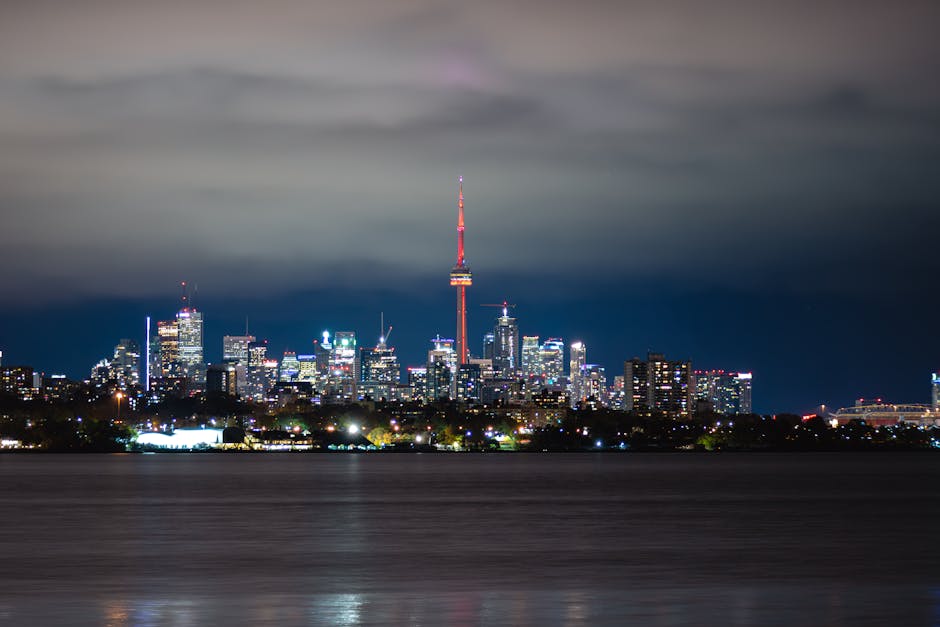
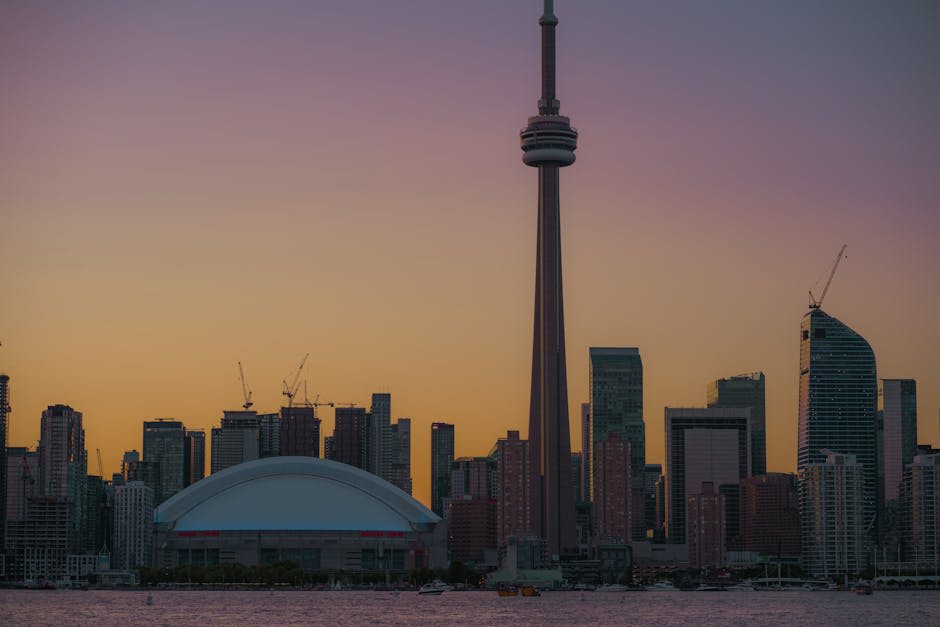
The Distillery District’s Victorian industrial buildings — once the largest distillery in the world — now house galleries, cafes, and artisan shops in a pedestrian-only precinct that manages to feel authentic despite the conversion. The theatre scene along King Street rivals Broadway in everything except self-promotion. And the Toronto Islands, a fifteen-minute ferry ride from the downtown core, offer a car-free escape with skyline views across the harbour that make the city look like a painting of itself.
When to go: June through September for warm weather and outdoor festivals. Fall brings spectacular foliage, especially in High Park and the ravine system. Winter is cold but the city buzzes indoors — TIFF runs in September, and the holiday markets warm December.