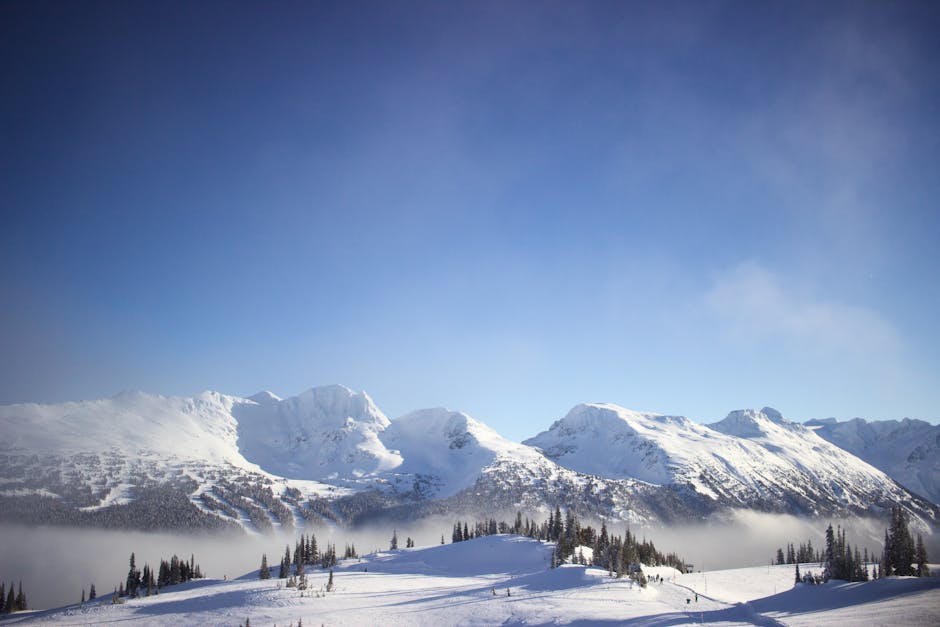
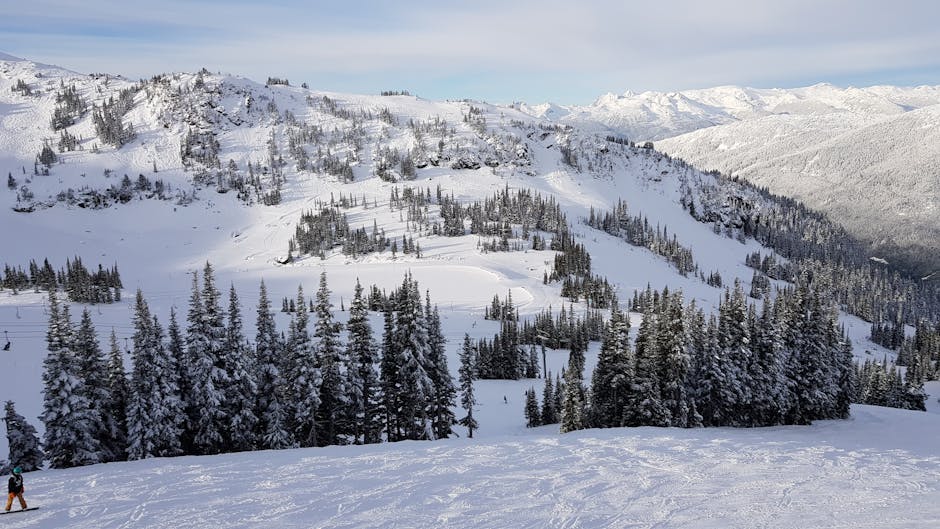
Whistler earned its reputation on snow, and the reputation is deserved with a thoroughness that European ski snobs — and I count myself among them, having grown up skiing in the French Alps — find difficult to argue with. Two massive mountains, Whistler and Blackcomb, offer over 8,000 acres of skiable terrain connected by the record-breaking Peak 2 Peak Gondola, which spans the valley between them at a height that makes your stomach drop even before you click into your bindings. The 2010 Winter Olympics were held here, and the infrastructure shows: the runs are impeccable, the lift system is fast and modern, and the snow — Pacific moisture hitting cold mountain air — produces a consistency that the Alps can only dream of in a bad year.
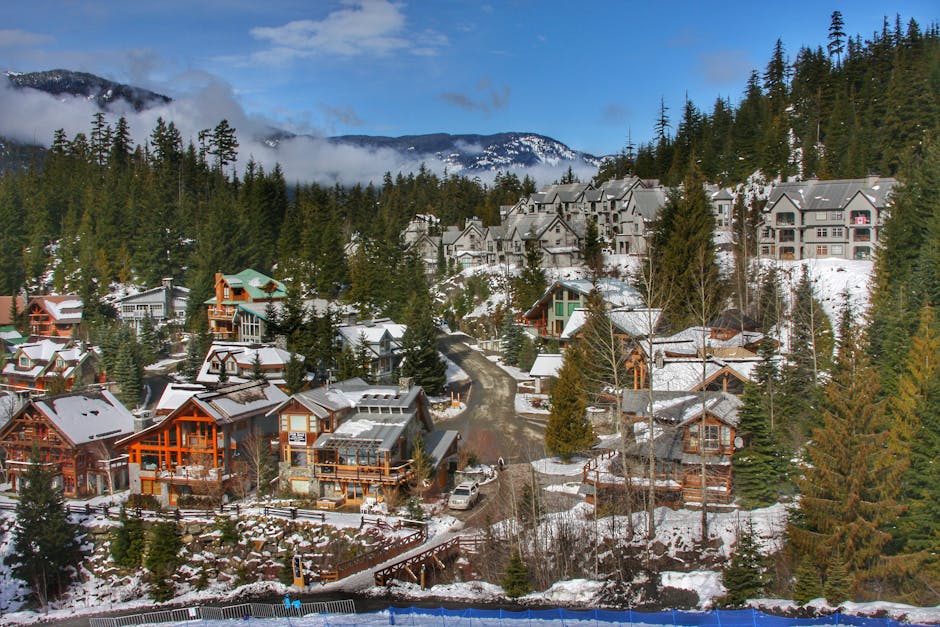
The village is pedestrian-friendly in the way that purpose-built resort towns sometimes manage to be: shops and restaurants line the walkways, the après-ski scene fills the patios by three in the afternoon, and the whole place buzzes with an energy that comes from people who have spent the day doing something physically demanding and are now very interested in beer. It could feel artificial — and compared to, say, a centuries-old village in the Haute-Savoie, it is — but Whistler has been at this long enough that the artifice has worn into something that feels genuinely lived-in.
Summer Whistler
Summer transforms Whistler into something equally compelling, and arguably more diverse. The mountain bike park is one of the best on Earth — gravity-fed trails that drop through old-growth forest, bermed corners carved into the mountainside, jumps that range from beginner-friendly to genuinely terrifying. The bike park alone draws riders from around the world, and the sight of gondolas loaded with mountain bikes instead of skiers is one of Whistler’s signature images.
Hiking trails lead to alpine lakes, wildflower meadows, and glacier views that earn their beauty through the effort of reaching them. The High Note Trail, traversing the alpine zone above Whistler Village, offers a panorama of peaks and valleys that stretches to the horizon. The Cheakamus Lake trail is gentler — a forest walk to a turquoise lake that delivers Rockies-grade scenery without the Rockies-grade elevation gain. Zip-lining, bungee jumping, and bear-viewing tours round out an adventure menu that runs twelve months a year.
The Sea-to-Sky
The drive from Vancouver to Whistler along the Sea-to-Sky Highway is one of those journeys where the destination and the route compete for your attention. The highway hugs the coast of Howe Sound — fjord-like waters flanked by granite cliffs — before climbing into the mountains past Shannon Falls and the Stawamus Chief, a granite monolith that draws rock climbers from around the world. Squamish, halfway between Vancouver and Whistler, has become a destination in its own right — a craft brewery town with world-class climbing and mountain biking that locals have been quietly hoarding for years.
The whole corridor feels like a condensed version of what makes British Columbia extraordinary: ocean, mountains, forest, and small towns that have figured out how to live well between them. Take the drive slowly. Stop at Britannia Mine. Stop at the Squamish Lil’wat Cultural Centre in Whistler, which tells the story of the Indigenous peoples who have lived in these mountains for thousands of years. The context makes the landscape richer.
When to go: December through March for skiing — January and February are the snowiest months. July through September for mountain biking and hiking. November and April are shoulder seasons with fewer crowds and occasional deals.